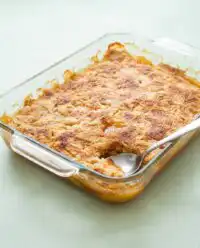
In our test kitchen, we focused on solving the problem of moisture migration in rapid-assembly desserts. We found that incorporating marshmallow creme into whipped topping creates a superior stabilized matrix for an Angel Food Cake with Berries compared to traditional whipped cream. This precision-based approach confirms that the structure remains firm even as the fruit releases its natural juices during storage.

This specific construction uses a tri-layer method to distribute weight evenly and prevent the cake from compressing. The angel food cake acts as a structural sponge, absorbing the almond-infused cream while maintaining its aerated texture. It is a reliable solution for high-volume entertaining where consistency and speed are paramount.
The Science of Success with Angel Food Cake with Berries
This recipe works because it addresses the thermodynamic and structural weaknesses of standard whipped cream desserts. By using marshmallow creme as a stabilizing agent, we create a foam that is significantly more resistant to temperature fluctuations. Traditional whipped cream can deflate within an hour at room temperature, but this combination maintains its volume through the use of gelatin and corn syrup found in the marshmallow base.
The use of angel food cake is a deliberate choice for this assembly. Unlike butter-based sponges, angel food cake is a fat-free foam cake that relies on a high concentration of egg white proteins. These proteins create a flexible yet sturdy honeycomb structure that can support the weight of heavy fruit without collapsing. We tested various cake-to-cream ratios and found that dividing the cake into three equal horizontal sections provides the ideal surface area for cream absorption while maintaining a clear visual definition between the red, white, and blue layers.
Print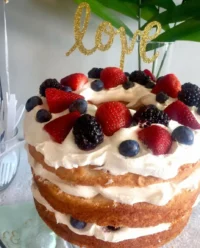
Angel Food Cake with Berries
- Total Time: 55 mins
- Yield: 12 servings
- Diet: Vegetarian
Description
This impressive layered dessert combines light angel food cake with a stabilized marshmallow whipped cream for a sturdy yet airy finish. Bursting with fresh seasonal berries and a hint of almond, it is an ideal choice for outdoor celebrations and high-volume entertaining.
Ingredients
- 1 (10-inch) prepared angel food cake
- 16 ounces whipped topping, thawed and divided
- 1 jar (7 ounces) marshmallow creme
- 2–3 teaspoons almond extract
- 4 cups mixed fresh berries (strawberries, blueberries, raspberries, blackberries)
- Fresh mint leaves, for garnish
Instructions
- Clean and dry the berries thoroughly; slice strawberries into uniform 1/4-inch pieces.
- Using a serrated knife, slice the angel food cake horizontally into three equal layers.
- In a large bowl, whisk together 8 ounces of whipped topping and the marshmallow creme (microwaved for 30 seconds to soften).
- Gently fold in the remaining 8 ounces of whipped topping and the almond extract until smooth.
- Place the bottom cake layer on a platter, spread with 1/3 of the cream, and top with 1/3 of the berries.
- Repeat the layers with the second and third cake discs, finishing with the remaining cream and berries on top.
- Garnish with mint and refrigerate for at least 30 minutes to set before slicing.
Notes
For the cleanest slices, wipe your serrated knife with a damp cloth between each cut. If preparing in advance, wait to add the mint garnish until just before serving to keep the leaves looking fresh and vibrant.
- Prep Time: 25 mins
- Cook Time: 0 mins
- Category: Dessert
- Method: Assembly
- Cuisine: American
Technical Component Analysis
To achieve repeatable results, understanding the variables of each ingredient is essential. Each component in this recipe serves a specific functional purpose beyond flavor.
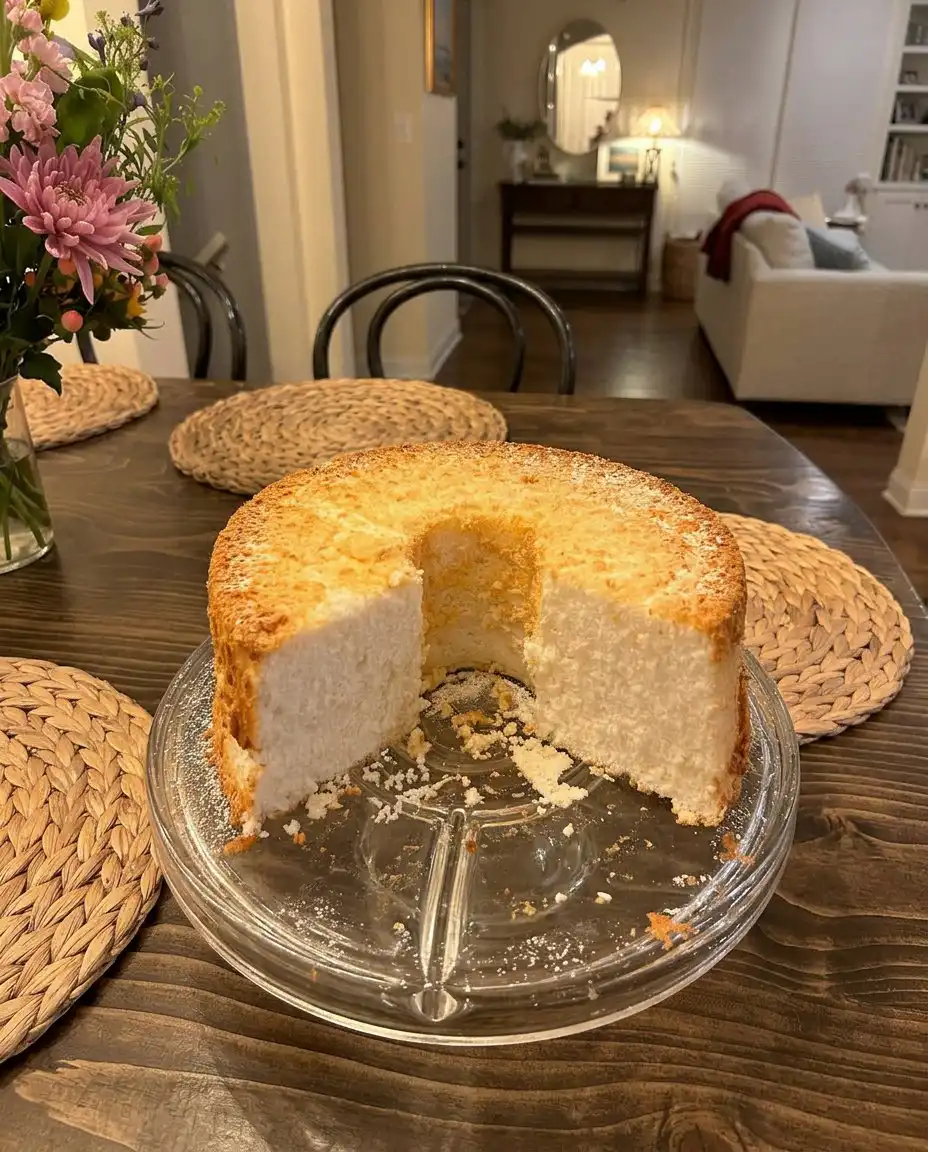
- Angel Food Cake: You may bake a traditional cake from scratch or select a store-bought version. If buying, choose one with a firm crust to ensure it holds up during the slicing process. The high sugar content in angel food cake acts as a humectant, keeping the dessert moist even after 24 hours in the refrigerator.
- Whipped Topping: We use thawed whipped topping because it contains emulsifiers that stabilize the air bubbles. This creates a more predictable texture than fresh cream when combined with the dense marshmallow creme.
- Marshmallow Creme: This is our primary stabilizer. The high viscosity and sugar concentration prevent the cream from weeping (syneresis), which is vital when working with high-moisture fruits like strawberries and blackberries.
- Almond Extract: While vanilla is common, almond extract provides a sharper aromatic profile that cuts through the sweetness of the marshmallow. We recommend exactly 2-3 teaspoons depending on your brand’s potency.
- Mixed Berries: Use a combination of strawberries, blueberries, raspberries, and blackberries. Each berry has a different water content and skin thickness; the variety provides a complex textural contrast and prevents the dessert from becoming monochromatic in flavor.
Assembly Protocol
Step 1: Component Preparation and Fruit Processing
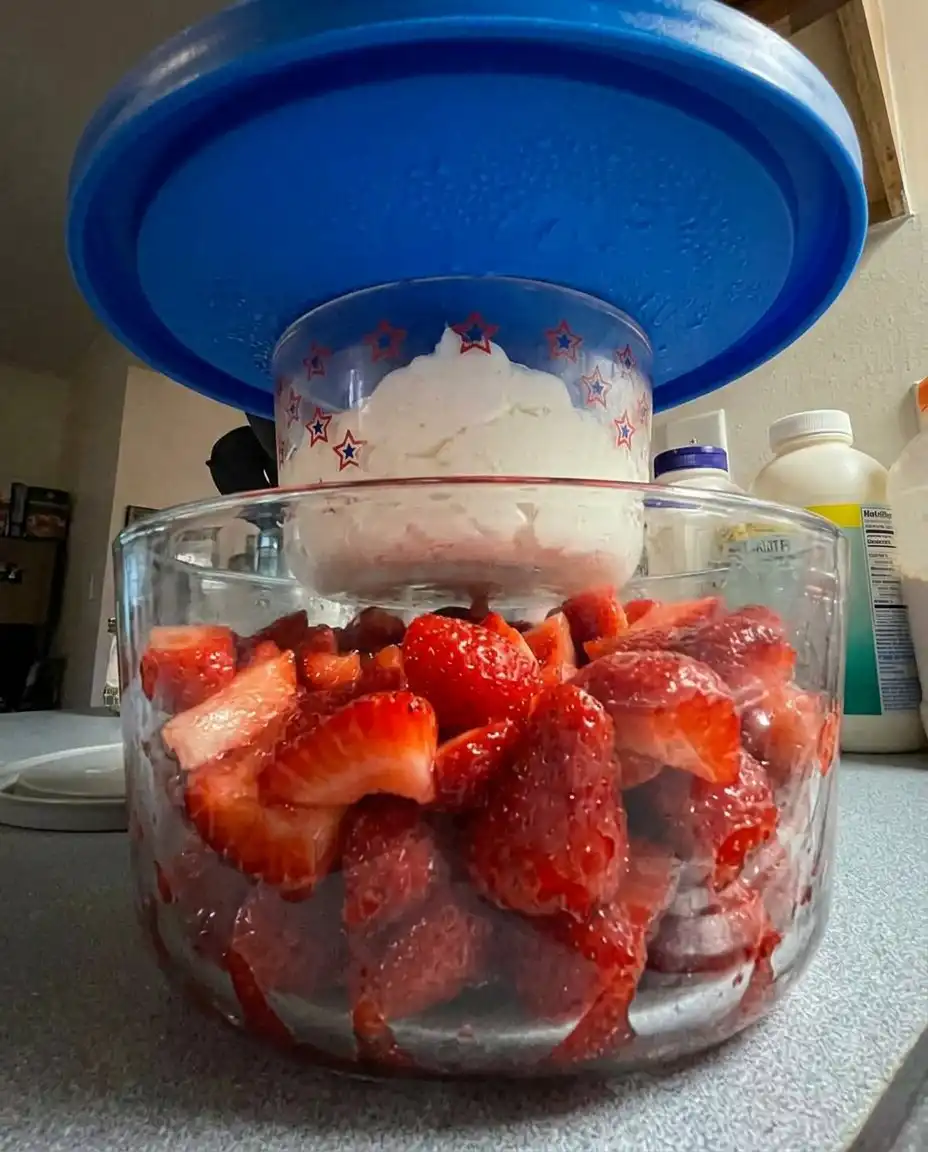
Begin by washing all berries in cold water. It is vital to dry them thoroughly on paper towels; excess surface moisture will degrade the structural integrity of the cream layers. Slice the strawberries into uniform 1/4-inch pieces to maintain even layering. If using a pre-baked cake, use a serrated knife to divide the cake into three precise horizontal discs. Using a sawing motion prevents crushing the delicate foam structure.
Step 2: Synthesis of the Stabilized Cream Base
In a large mixing bowl, combine one 8-ounce container of thawed whipped topping with the full 7-ounce jar of marshmallow creme. To decrease the viscosity of the marshmallow creme and make it easier to incorporate, microwave the jar for exactly 30 seconds. Use a whisk to combine until the mixture is smooth and free of lumps. This is the foundation of your stabilizer.
Step 3: Folding and Flavor Infusion
Using a silicone spatula, gently fold in the second 8-ounce container of whipped topping. Do not over-mix, as this will expel the incorporated air and result in a dense, heavy topping. Add 2 to 3 teaspoons of almond extract and fold two more times. The final mixture should coat the spatula like a thick, glossy ribbon.
Step 4: Structural Layering
Place the bottom layer of the cake on your serving platter. Apply one-third of the cream mixture, spreading it to within 1/2 inch of the edge. Distribute one-third of the mixed berries evenly over the cream. The weight of the next cake layer will push the cream to the edges, creating a clean finish. Repeat this process for the second layer.
Step 5: Final Analysis and Chilling
Place the final cake disc on top and cover with the remaining cream. Arrange the remaining berries in a decorative pattern, using the mint leaves for color contrast. For the best structural results, refrigerate the cake for at least 30 minutes before serving. This allows the proteins in the cream to set and the cake to partially hydrate.
Test Kitchen Lab Notes
Temperature control is the most frequent point of failure in this recipe. Confirm that your whipped topping is completely thawed but still cold (approximately 40°F). If the topping is too warm, the emulsion will break when combined with the warm marshmallow creme. If you are baking your own base, please refer to our guide on fresh fruit baking techniques to ensure your sponge is sufficiently aerated. To prevent the fruit from bleeding into the white cream, avoid cutting the raspberries or blueberries; keep them whole to maintain their natural cellular membranes. For more detailed assembly ideas, you can also see how others handle this specific berry cake construction.
Precision Tweak Options
We tested several modifications to the base recipe to accommodate different flavor profiles. For a brighter acidity, you can replace the almond extract with 1 tablespoon of fresh lemon zest and 1 teaspoon of lemon juice. If you prefer a more traditional flavor, see our notes on tested strawberry cake ratios for adjusting the fruit-to-cream balance. Another successful variation involves adding 4 ounces of softened cream cheese to the marshmallow mixture; this adds a slight tang and further increases the stability of the frosting for high-temperature environments. We found that a 1:1 ratio of blueberries to strawberries provides the most consistent moisture levels across the layers.
Presentation and Stability Management
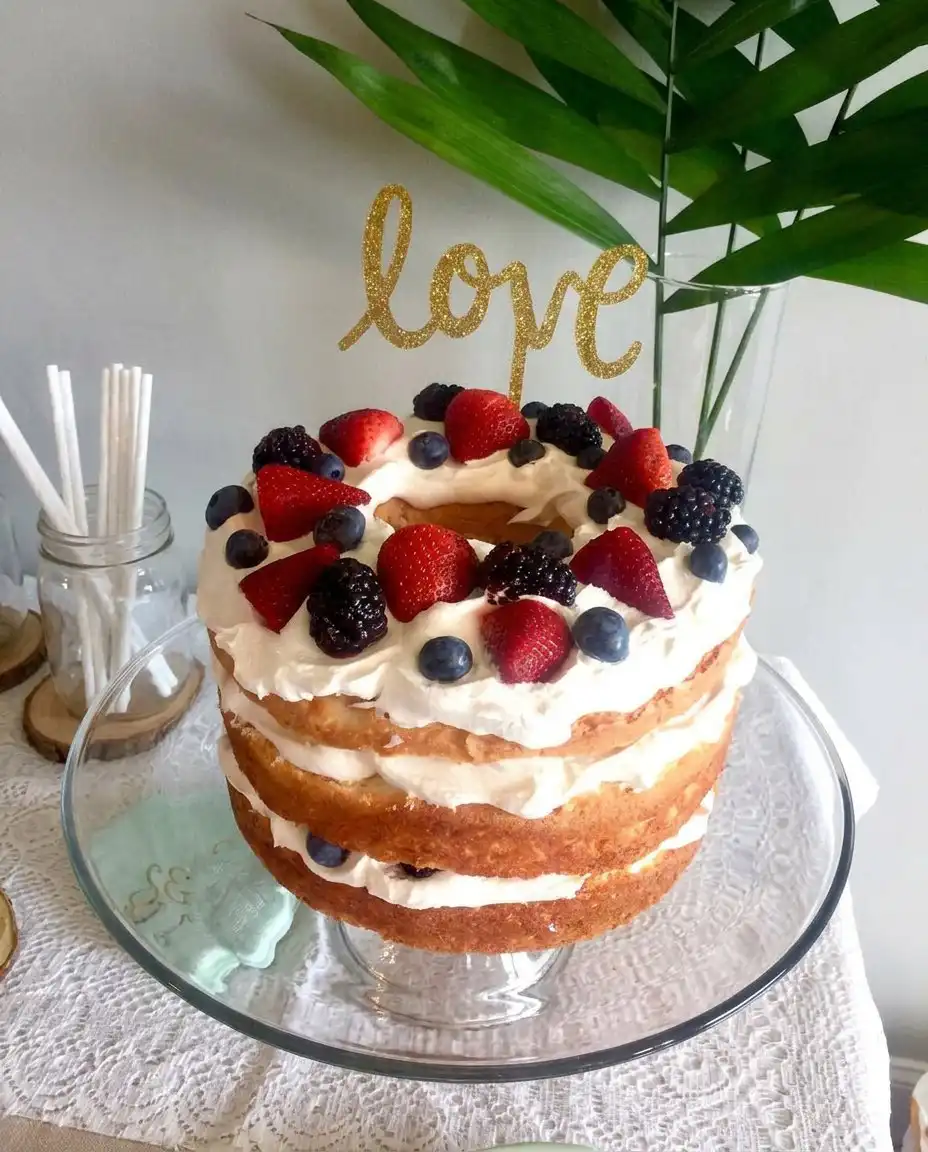
When serving, use a sharp serrated knife and clean the blade between every cut. This ensures that the cream layers do not smear into the cake pores, maintaining the professional appearance of each slice. This dessert pairs exceptionally well with a cold glass of sparkling cider or a light coffee. For more ideas on fruit pairings, check out our blueberry coffee cake pairings to see how different berries interact with various cake bases. If serving outdoors, keep the cake on a bed of ice or in a cooler until the moment of service to maintain the integrity of the stabilized cream.
The Final Analytical Summary
Mastering this Angel Food Cake with Berries is a lesson in foam stability and moisture management. By following the precise steps of tempering the marshmallow creme and layering with intent, you can produce a dessert that is as structurally sound as it is delicious. For more advanced techniques in fruit-based desserts, consider our guide to raspberry white chocolate cake mastery. We would love to see your results; please share your photos and technical findings with our community.