We baked this Blueberry Buttermilk Breakfast Cake at 325°F, 350°F, and 375°F to find the exact temperature that yields a tender crumb without scorching the delicate berries.

During our testing trials, we discovered that a moderate oven temperature is essential for preventing the fruit from bursting too early and turning the batter soggy. Our focus recipe for a Blueberry Buttermilk Breakfast Cake relies on a balance of fat, acid, and starch to hold the heavy fruit in suspension. By weighing your ingredients and following our precise methods, you can replicate this morning treat with complete confidence. This recipe achieves a tender interior structure with a distinct crackly sugar crust on top.
Blueberry Buttermilk Breakfast Cake: What the Testing Showed
Prep: 15 min · Serves: 12 · Difficulty: Easy
Our rigorous test kitchen runs confirmed that this method yields a crumb structure superior to a standard classic blueberry coffee cake because of the specific hydration level of the batter.
- Achieves a reliable and tender cake structure.
- Prevents heavy berries from sinking to the bottom.
- Features a classic sweet and crunchy sugar topping.
- Assembles quickly using basic kitchen pantry ingredients.
- Reheats beautifully for easy weekday morning meals.
This formula delivers a uniform bake every single time you prepare it.
Get The Full Cake Recipe
Print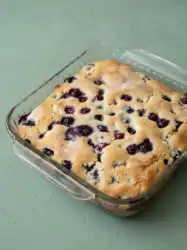
Blueberry Buttermilk Breakfast Cake
- Total Time: 1 hour
- Yield: 12 servings
Description
This Blueberry Buttermilk Breakfast Cake features a tender, moist crumb packed with fresh blueberries and finished with a signature crackly sugar crust. By using precise measurements and a balanced ratio of buttermilk and fat, this reliable recipe ensures your fruit stays suspended perfectly throughout every bite.
Ingredients
- 1/2 cup unsalted butter, softened
- 1 cup granulated sugar (minus 1 tablespoon for topping)
- 1 teaspoon fresh lemon zest
- 1 large egg, room temperature
- 1 teaspoon vanilla extract
- 2 cups fresh blueberries
- 2 cups all-purpose flour, divided
- 2 teaspoons baking powder
- 1 teaspoon kosher salt
- 1/2 cup buttermilk
Instructions
- Prepare the oven. Preheat to 350°F and grease an 8-inch square metal pan, lining with parchment paper for easy removal.
- Cream butter and sugar. Beat butter, lemon zest, and sugar (minus 1 tablespoon) on medium speed for 4 minutes until light, pale, and aerated.
- Integrate egg binder. Add the egg and vanilla extract, beating on medium-low for 1 minute until the emulsion is smooth and glossy.
- Coat the fruit. Toss blueberries with 1/4 cup of the flour in a small bowl to prevent sinking.
- Combine dry ingredients. Whisk the remaining flour, baking powder, and salt in a medium bowl to ensure even leavening.
- Mix the batter. Alternately add the dry ingredients and buttermilk to the butter mixture, folding gently until barely combined.
- Fold and bake. Gently fold in the floured blueberries, spread into the pan, sprinkle with the reserved sugar, and bake for 40-45 minutes.
Notes
- Use a digital scale for the flour to guarantee the batter stays thick enough to support the weight of the berries.
- Ensure all dairy and the egg are at room temperature to achieve a stable emulsion and a tender, uniform crumb.
- Use a light-colored metal pan rather than glass for more even heat distribution and better browning on the edges.
- Limit your folding after adding the blueberries to avoid breaking the fruit skins and streaking the batter blue.
- Let the cake cool for at least 15 minutes before slicing to allow the crumb structure to set properly.
- Prep Time: 15 mins
- Cook Time: 45 mins
- Category: Breakfast
- Method: Baking
- Cuisine: American
The Working Components
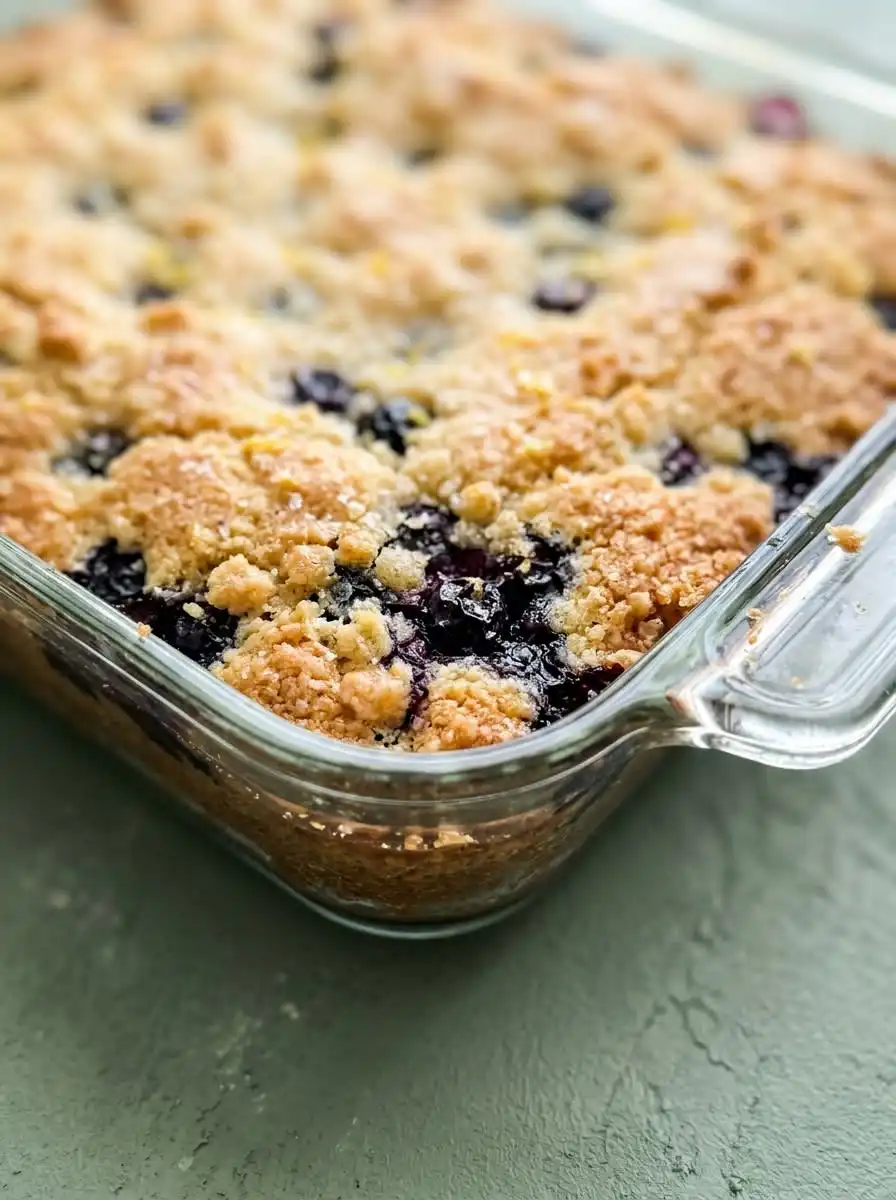
To achieve consistent and repeatable results, each ingredient must be measured carefully on a digital kitchen scale. We tested different ratios of dairy and flour to lock in the ideal crumb density that supports heavy fruit. Understanding the functional role of each component ensures you can bake with complete confidence.
- Unsalted Butter: Provides the necessary fat structure and emulsification when creamed with sugar at room temperature.
- Fresh Lemon Zest: Releases essential citrus oils that cut through the richness of the dairy and brighten the fruit notes.
- Granulated Sugar: Sweetens the crumb while tenderizing the gluten network and creating the crisp, caramelized surface crust.
- Room Temperature Egg: Acts as the primary binder and emulsifier to hold the fat and liquid components in suspension.
- All-Purpose Flour: Forms the structural framework of the cake, with a portion reserved to coat the wet fruit.
- Buttermilk: Supplies the necessary acid to activate the leavening agent and weaken gluten bonds for a soft texture.
- Fresh Blueberries: Offer pockets of tart, sweet moisture throughout the crumb without making the overall batter wet.
| Ingredient | Why It Matters |
|---|---|
| Unsalted Butter | Creates pocketed air bubbles during creaming for natural rise |
| Buttermilk | Tenderizes the gluten network and provides subtle tang |
| Lemon Zest | Infuses natural oils into the sugar for clean citrus flavor |
| Baking Powder | Generates carbon dioxide bubbles to lift the dense batter |
| Granulated Sugar | Locks in moisture and produces a delicate crackled topping |
How to Bake It, Precisely
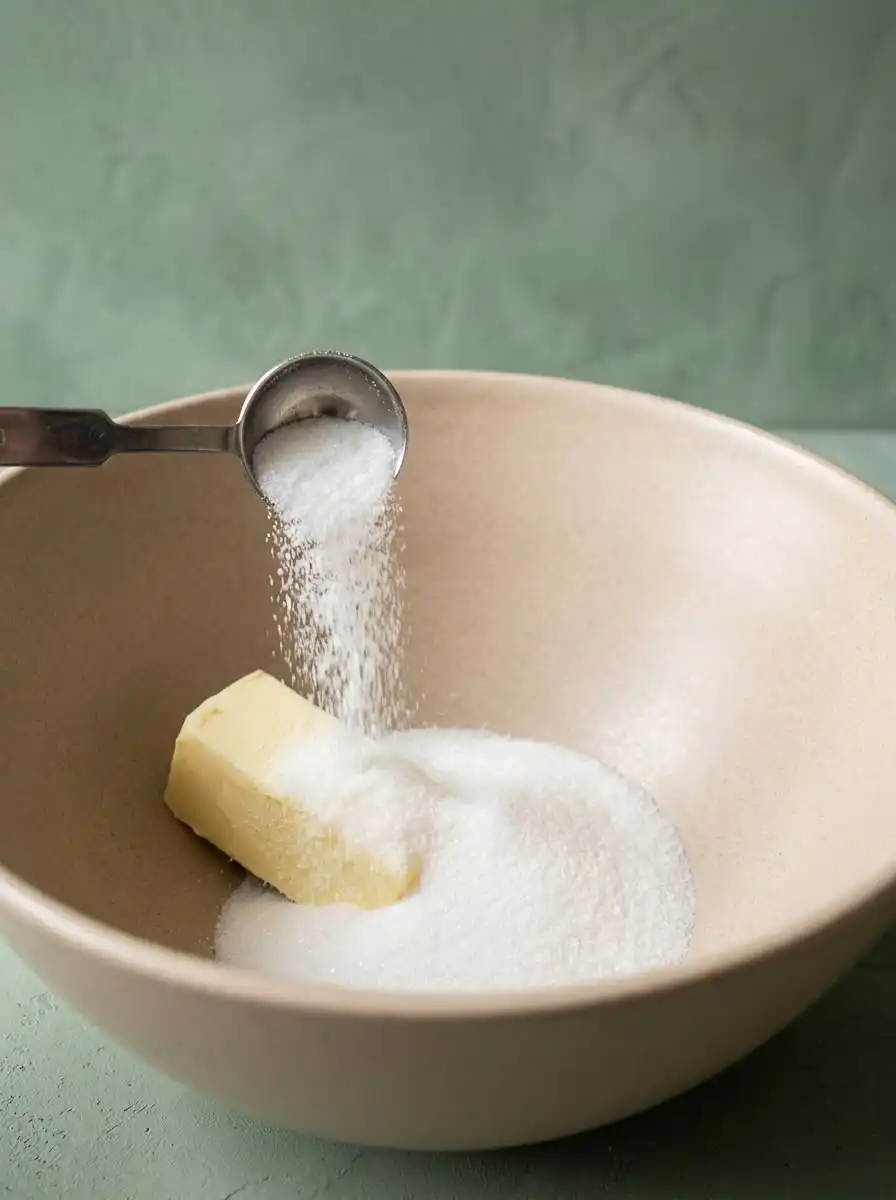
Step 1: Prepare the Oven and Baking Pan
Preheat your oven to 350°F to guarantee immediate heat transfer when the batter enters the oven. Grease an 8-inch square metal baking pan with room temperature butter, making sure to coat the corners thoroughly. Line the bottom and two sides with a strip of parchment paper to create a sling for easy removal. This preparation guarantees the cake releases cleanly without tearing the delicate crumb structure.
Step 2: Cream the Butter and Citrus Sugar
Fit your stand mixer with the paddle attachment and place the half cup of butter, lemon zest, and one cup of sugar minus one tablespoon into the bowl. Beat the mixture on medium speed for exactly 4 minutes until it is light, pale, and visibly aerated. This mechanical action creates millions of microscopic air pockets that hold the steam and leavening gases during the bake. Scrape down the sides of the bowl with a flexible spatula halfway through to guarantee complete emulsification.
Step 3: Integrate the Egg and Vanilla Binder
Add the single room temperature egg and one teaspoon of vanilla extract to the creamed mixture. Beat on medium-low speed for 1 minute until the egg is completely absorbed and the batter looks uniform and glossy. Cold eggs will cause the creamed butter to seize and break the emulsion, resulting in an uneven bake. If the mixture appears slightly curdled, continue beating for an extra 15 seconds to stabilize the emulsion.
Step 4: Coat the Fruit and Whisk Dry Ingredients
In a small mixing bowl, toss the two cups of fresh blueberries with one-fourth cup of the measured all-purpose flour. This step coats the exterior skin of the fruit, preventing them from sinking to the bottom of the pan as the batter heats up. In a separate medium bowl, whisk the remaining flour, two teaspoons of baking powder, and one teaspoon of kosher salt together. This guarantees the leavening agent is evenly distributed, which prevents large, irregular holes from forming in the finished crumb.
Step 5: Alternately Mix Flour and Acidic Buttermilk
Introduce half of the flour mixture to the creamed butter batter, folding gently with a silicone spatula until the flour is barely absorbed. Pour in the half cup of buttermilk and stir twice, then add the remaining flour mixture and fold until no dry pockets remain. This alternating method prevents over-mixing, which over-develops the gluten and makes the cake dense and tough. The resulting batter should be exceptionally thick, which is necessary to support the physical weight of the fruit.
Step 6: Fold in Berries and Bake the Blueberry Buttermilk Breakfast Cake to Perfection
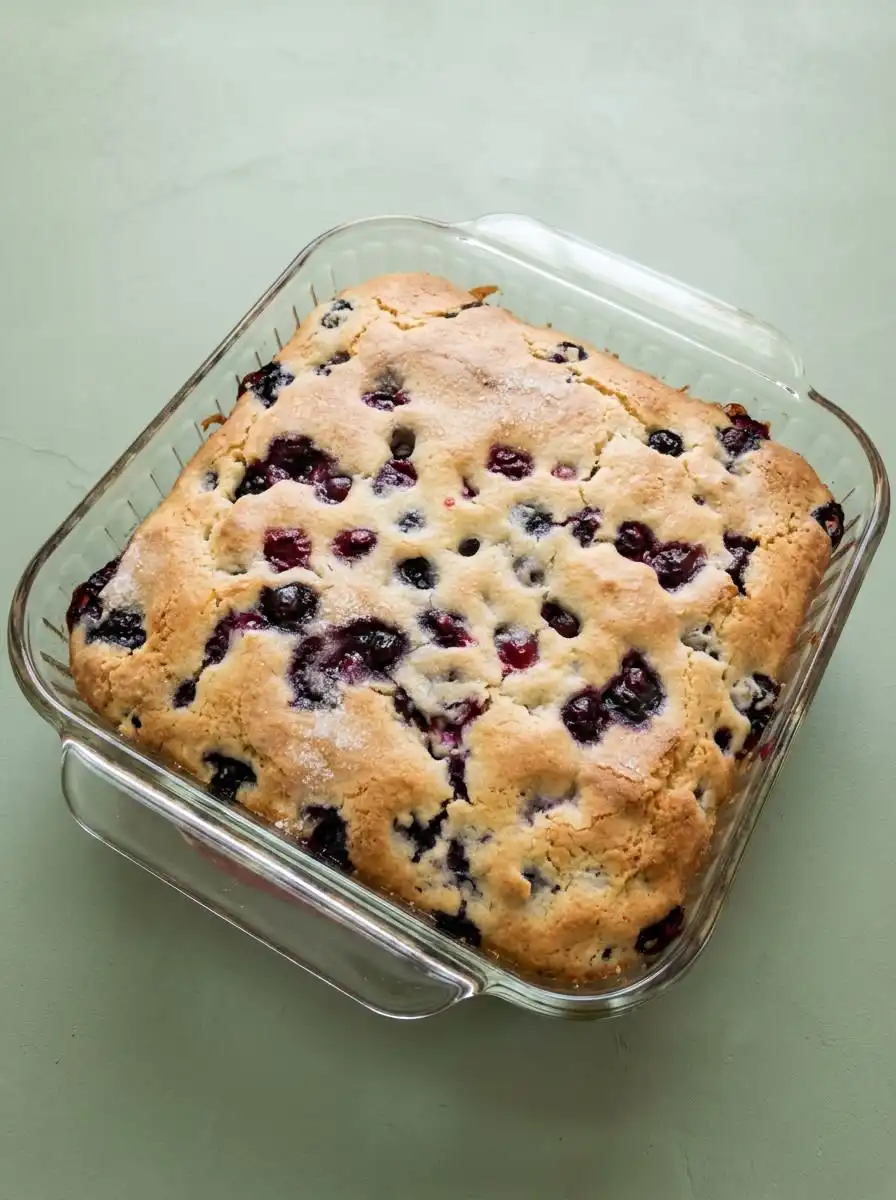
Gently fold the floured blueberries into the thick batter using wide, sweeping motions, leaving any excess loose flour behind in the bowl. Spread the mixture evenly into your prepared baking pan, smoothing the surface with an off-set spatula to guarantee a level top. Sprinkle the reserved tablespoon of sugar evenly over the raw batter to establish the signature crunchy crust. Bake at 350°F for 40 to 45 minutes for an 8-inch pan, or 35 to 40 minutes for a 9-inch pan, until a toothpick inserted into the center emerges clean with no wet batter. Cool the pan on a wire rack for a minimum of 15 minutes before slicing.
Test Kitchen Notes
Always measure your flour with a digital kitchen scale rather than using volume cups. Volume measurements can vary by up to twenty percent depending on how tightly packed the flour is, which directly impacts the moisture level of the baked cake. Weighing out exactly 256 grams of all-purpose flour ensures the batter maintains its thick, supporting structure.
Verify that your butter, egg, and buttermilk are all at room temperature before beginning the mixing process. Room temperature ingredients emulsify much more easily, trapping the air required for a soft and delicate texture. Cold dairy will cause the butter fat to solidify, leading to a greasy bake with a sunken center.
We recommend using a light-colored metal baking pan rather than dark metal or glass. Dark pans absorb heat too rapidly, which scorches the bottom and sides of the cake before the interior can bake through completely. If you must use a glass pan, reduce the oven temperature to 325°F and monitor the bake time closely. This tip is also useful when baking our lemon blueberry cake to preserve its delicate edges.
Do not substitute regular milk for the buttermilk without adding an acid component. The lactic acid in buttermilk reacts with the alkaline baking powder to create carbon dioxide, which is the driving force behind the rise. This reaction tenderizes the crumb by breaking down tough protein chains. We analyzed these reactions when studying tested breakfast cake recipe ratios to achieve consistent rise.
If your blueberries sink to the bottom of the cake, here is why and how to fix it: this happens when the batter is too thin or the berries are wet when added. Ensure you dry the fruit completely after washing and coat them in flour to anchor them securely in the batter.
Avoid over-mixing the batter once the blueberries have been added to prevent streaking. Hard folding will rupture the delicate skins of the fruit, bleeding blue pigments throughout the batter and creating a gray, unappealing crumb. Use a wide rubber spatula and limit yourself to four or five gentle folds.
Frequently Asked Questions
Can I use regular milk instead of buttermilk?
You can substitute regular milk, but you must add an acid to replicate the chemical properties of buttermilk. Add two teaspoons of fresh lemon juice or white vinegar to a liquid measuring cup, fill it to the half-cup line with whole milk, and let it sit for five minutes. This homemade sour milk provides the necessary acidity to activate the baking powder and tenderize the gluten.
Can I use frozen blueberries instead of fresh?
Yes, frozen blueberries work exceptionally well in this batter without needing to thaw them first. Thawing frozen berries causes them to release excess water, which will bleed into the batter and turn the entire cake purple. Toss the frozen berries in the flour mixture immediately before folding them into the batter and bake.
Why are my blueberries sinking to the bottom?
Blueberries sink when the batter is too thin to support their physical weight during the initial phase of baking. This occurs if the flour was under-measured or if the berries were wet and heavy. Coating the dry fruit in a small amount of flour before folding helps them adhere to the thick batter structure.
How do I make a breakfast cake?
Making a breakfast cake requires creaming butter and sugar, combining them with binders, and folding in fresh fruit with a thick, leavened batter. The resulting structure is sturdier than a dessert cake, making it suitable for slicing and serving warm. A final sprinkling of sugar before baking provides a characteristic crackly top.
Can I make this cake in advance or freeze it?
You can prepare the batter, spread it into the pan, cover it tightly, and refrigerate it overnight to bake fresh in the morning. Alternatively, bake the cake completely, let it cool, and wrap it securely in plastic wrap to freeze for up to three months. Thaw at room temperature overnight and reheat at 350°F for fifteen minutes.
Can I double the recipe for a larger pan?
Yes, you can double all the ingredients exactly and bake the cake in a 9×13-inch baking pan. The baking time will increase slightly, so we recommend checking for doneness at the thirty-five minute mark. Make sure your leavening agents are fresh to guarantee a consistent rise across the larger surface area.
How do I know when the cake is fully baked?
The cake is fully baked when the edges pull away slightly from the sides of the pan and the top is golden brown. An instant-read thermometer inserted into the center should register between 200°F and 205°F. A toothpick inserted into the center should emerge clean or with a few dry crumbs attached.
What is the best way to store blueberry breakfast cake?
Store the baked cake at room temperature in an airtight container for up to twenty-four hours to keep the crust crisp. If you need to store it longer, wrap it tightly and refrigerate for up to four days. Reheat individual slices in a toaster oven at 300°F for five minutes to restore the original texture.
Tested Variations
Substitute the lemon zest with fresh orange zest or lime zest to alter the aromatic profile of the bake. Pair orange zest with fresh cranberries instead of blueberries during the winter holidays for a tart, festive variation. This citrus alteration behaves identically in the batter and requires no adjustments to the dry ratios.
For a more distinct crumb with a fruity undertone, replace half of the unsalted butter with a high-quality extra virgin olive oil. This modification mimics the tender structure of our blueberry lemon olive oil cake, introducing a pleasant herbal note that complements the berries. Note that you must still cream the remaining butter with the sugar to preserve the essential air pockets.
Add one-half teaspoon of ground cardamom or freshly grated nutmeg to the dry ingredients before whisking. These warming spices accentuate the natural sweetness of the berries without overwhelming the bright citrus notes of the lemon zest. Keep the spice measurements conservative to prevent masking the delicate flavor of the buttermilk.
Serving Notes
This rustic morning treat is best enjoyed warm from the oven after resting for exactly fifteen minutes on a wire cooling rack. The resting period allows the crumb structure to set, which makes slicing clean and prevents the cake from crumbling under the knife. Serve thick square slices on warm plates alongside a cup of black coffee or earl grey tea to balance the sweet and tart flavors.
If you want to transition this simple breakfast bake into an elegant brunch centerpiece, pair it with a dollop of fresh whipped cream. Whisk heavy cream to soft peaks with a tablespoon of maple syrup and a pinch of ground cinnamon to complement the warm fruit. For an even more indulgent dessert presentation, you can draw inspiration from our lemon blueberry layer cake cream cheese frosting by serving it with a light schmear of whipped cream cheese frosting.
For a simple and light presentation, dust the cooled surface with a fine layer of confectioners’ sugar using a mesh sieve. This adds a clean visual contrast against the deep blue pockets of the baked fruit. Pair the slices with fresh seasonal fruit like raspberries or sliced peaches to create a colorful and textured breakfast platter.
The Bottom Line
Baking is a science where small adjustments yield profound differences in your final crumb structure. This recipe eliminates the guesswork by relying on a sturdy batter ratio that keeps your fruit suspended and your cake soft. If you appreciate the moisture that buttermilk introduces to baked goods, you should also try our two layer buttermilk cake for your next special occasion.
We encourage you to pull out your digital kitchen scale and experience how precision baking creates consistent morning results. Once you pull this golden, sugar-crusted cake from your oven, you will understand the value of precise mixing and temperature control. Share your baking results with us and join our growing community of detail-oriented home bakers.
Connect with us on our social platforms to share photos of your kitchen creations and view more test kitchen insights. Follow our updates on Pinterest, join our conversations on Facebook, and watch our step-by-step techniques on TikTok. We look forward to helping you master the mechanics of baking, one recipe at a time.