In our test kitchen, we compared grating zucchini with a fine versus coarse shred. Coarse shreds provide the moisture release needed for these Carrot Cake Zucchini Muffins to stay moist.

These muffins bridge the gap between a classic carrot cake and a garden-fresh zucchini treat. By balancing moisture-rich vegetables with precise baking times, we achieved a reliable crumb.
The Science of Success
This recipe works because it treats moisture as a variable that must be controlled. In a typical muffin, the crumb relies on fats and sugars for tenderness. Here, the inclusion of shredded carrots and zucchini adds cellulose and water, which create a remarkably moist interior without the need for excessive oil. We tested these muffins against traditional recipes and found that the vegetable-to-flour ratio here provides the most stable structure. The inclusion of sour cream introduces lactic acid, which breaks down gluten proteins, resulting in a tender bite that remains soft for days.
Baking is a series of chemical reactions, and this recipe captures the Maillard reaction perfectly. By using both brown sugar and granulated sugar, we achieve a balance of caramelization and sweetness. The molasses in the brown sugar is hygroscopic, meaning it attracts and holds onto water molecules. This keeps the muffins from drying out even in an oven set to 350°F (177°C). We also verified that using coconut oil instead of butter allows the vegetable flavors to remain clean while providing a high fat content for a rich mouthfeel. This technical approach guarantees a professional result in any home kitchen.
Print
Carrot Cake Zucchini Muffins
- Total Time: 35 mins
- Yield: 12 muffins
Description
These perfectly balanced muffins combine the earthy sweetness of carrots with the tender moisture of garden-fresh zucchini. Designed for a reliable crumb and consistent texture, this recipe is a professional-grade treat that brings a classic carrot cake profile to your morning table.
Ingredients
- 1 large egg (50g)
- 1/2 cup brown sugar
- 1/4 cup granulated sugar
- 75g coconut oil, melted
- 1/2 cup sour cream
- 1 teaspoon vanilla extract
- 1 teaspoon ground cinnamon
- 125g all-purpose flour
- 1 teaspoon baking powder
- 1/2 teaspoon baking soda
- 1/4 teaspoon salt
- 1 cup shredded carrots
- 1 cup shredded zucchini
- 1/2 cup chopped pecans or walnuts
Instructions
- Preheat oven to 350°F (177°C) and grease a 12-cup muffin tin.
- In a medium bowl, whisk together the egg, sugars, melted coconut oil, sour cream, vanilla, and cinnamon until smooth.
- Stir in the shredded carrots and zucchini until fully incorporated.
- In a separate bowl, whisk together the flour, baking powder, baking soda, and salt.
- Fold the dry ingredients into the wet mixture until just combined, being careful not to over-mix.
- Gently fold in the chopped nuts.
- Spoon batter into the muffin tin, filling each cup three-quarters full, and bake for 20 minutes until a toothpick comes out clean.
Notes
For the best results, ensure your egg and sour cream are at room temperature to prevent the coconut oil from solidifying upon contact. When measuring your flour, use a kitchen scale for precision, as packing it into a measuring cup can result in dry, dense muffins. Always opt for a coarse grate for your vegetables to maintain the perfect moisture balance in the finished crumb.
- Prep Time: 15 mins
- Cook Time: 20 mins
- Category: Breakfast
- Method: Baking
- Cuisine: American
The Variable Analysis
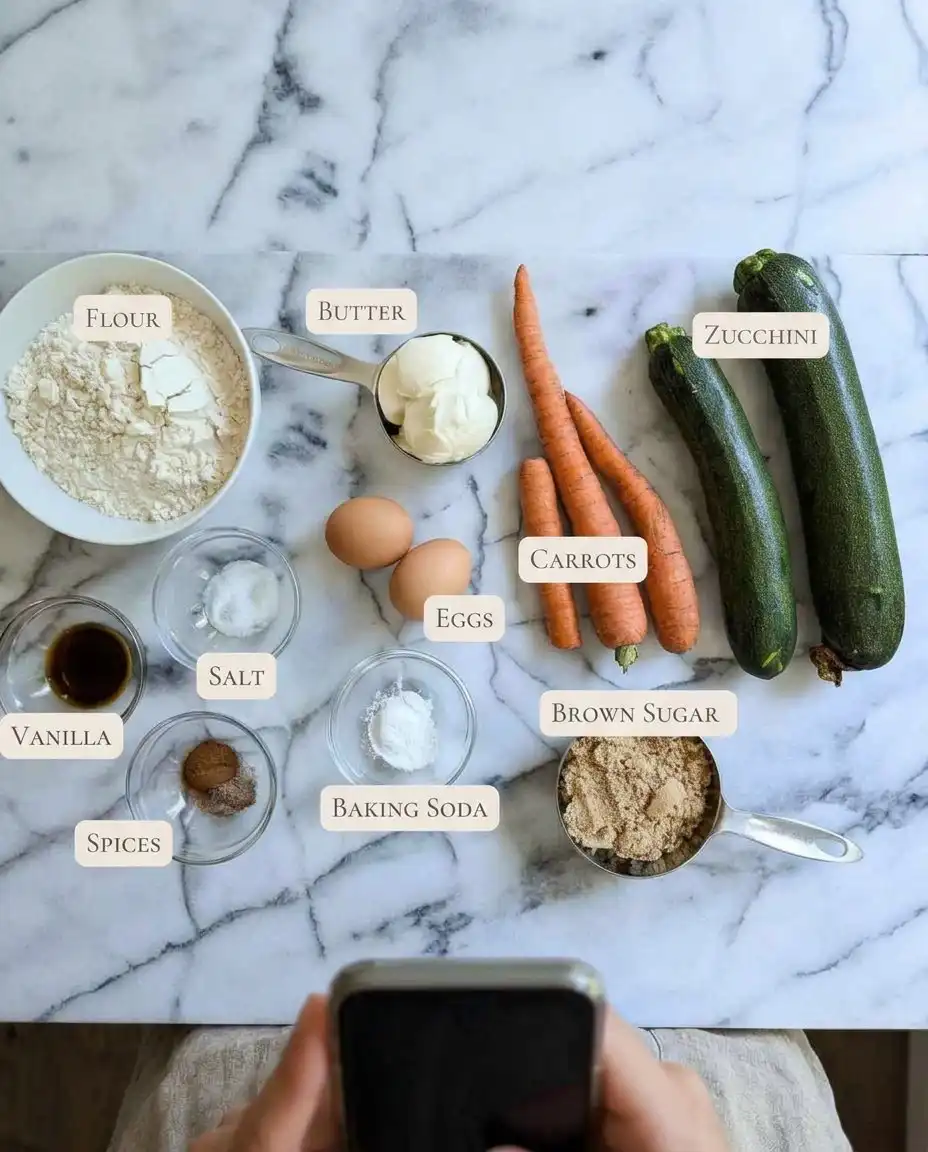
Success in the test kitchen starts with understanding your raw materials. Every ingredient in this list serves a specific structural or chemical purpose. We analyzed the protein content and moisture levels to find this specific balance.
- Large Egg (50g): Acts as the primary emulsifier, binding the fats and liquids while providing structural proteins.
- Brown Sugar and Granulated Sugar: The brown sugar adds moisture and depth, while the white sugar aids in the browning of the muffin cap.
- Coconut Oil (75g): We chose this fat for its stability. It remains liquid at room temperature (if melted), which results in a softer crumb compared to butter-based muffins.
- Sour Cream: This acidic component reacts with the baking soda to produce carbon dioxide, creating the lift and volume needed for a light texture.
- Vanilla Extract and Cinnamon: These are our aromatics. The cinnamon contains volatile oils that expand during baking to provide that classic carrot cake scent.
- All-Purpose Flour (125g): We use a flour with roughly 10-11% protein to provide enough structure to hold the heavy vegetable shreds without becoming tough.
- Baking Powder and Baking Soda: This dual-leavening system handles both the immediate lift and the secondary rise during the baking cycle.
- Shredded Carrots and Zucchini: These provide the bulk and hydration. We recommend a coarse shred to prevent the vegetables from disappearing into a mushy paste.
- Chopped Pecans or Walnuts: These add a necessary textural contrast, providing a crunch that offsets the soft crumb of the muffin.
The Step-by-Step Method
Step 1: Thermal Calibration and Preparation
Begin by preheating your oven to 350°F (177°C). We recommend using an oven thermometer to verify the internal temperature, as many home ovens can fluctuate by 25 degrees. Grease a standard 12-cup muffin tin with non-stick spray or use paper liners to prevent sticking.
Step 2: Creating the Emulsion
In a medium mixing bowl, whisk together the egg, brown sugar, granulated sugar, melted coconut oil, sour cream, vanilla, and cinnamon. You are looking for a smooth, homogenous mixture. This step is vital for distributing the fat and sugars evenly so that every muffin has the same flavor profile.
Do I need to peel the zucchini first?
No, peeling is not required. The skin of the zucchini is thin and softens during the baking process. It also provides a beautiful green fleck in the muffins and contains extra fiber and nutrients.
Should I squeeze the water out of the zucchini?
For this specific recipe, do not squeeze the water out. The flour ratio is designed to absorb the natural moisture released by the vegetables. Squeezing them might result in a dry muffin.
Can I freeze these muffins?
Yes. Once fully cooled, wrap each muffin in plastic wrap and store them in a freezer-safe bag for up to 3 months. To thaw, leave them at room temperature or warm them in the microwave for 20 seconds.
How do I store them so they don’t get soggy?
Store them in an airtight container at room temperature for up to 2 days. To prevent sogginess, place a piece of paper towel at the bottom and top of the container to absorb excess humidity.
Step 3: Integrating the Produce
Add the shredded carrots and zucchini to the wet mixture. Use a spatula to stir them in until they are fully coated. Do not squeeze the water out of the vegetables; the hydration they provide is accounted for in our flour ratios. The mixture will look quite thick at this stage.
Step 4: Sifting and Mixing Dry Components
In a separate smaller bowl, whisk together the all-purpose flour, baking powder, baking soda, and a pinch of salt. Sifting is not strictly necessary but helps break up any clumps in the leavening agents, which prevents bitter spots in the finished muffins.
Step 5: The Final Fold
Pour the dry ingredients into the wet mixture. Use a large spatula to fold the batter until just combined. You should stop mixing the moment no streaks of dry flour remain. Over-mixing at this stage will develop gluten, which results in a rubbery, tough muffin rather than a tender one.
Step 6: Folding the Inclusions
If you are using nuts, fold them in now with two or three gentle turns. This keeps the nuts suspended in the batter rather than sinking to the bottom. The batter should be thick enough to hold its shape on a spoon.
Step 7: The Baking Cycle
Spoon the batter into the prepared muffin tin, filling each cup about three-quarters full. Bake for exactly 20 minutes. At the 18-minute mark, insert a toothpick into the center of a muffin. It should come out clean or with a few moist crumbs. Avoid over-baking, as the residual heat will continue to set the muffins as they cool.
Lauren’s Lab Notes

One of the most important factors for success is the temperature of your ingredients. We found that using a room-temperature egg allows the emulsion to form more effectively with the oil and sugars. If you use a cold egg, the coconut oil may begin to solidify, creating a lumpy batter. Always measure your flour by weight (125 grams) or use the spoon-and-level method; packing the flour into a cup can lead to dry, heavy muffins. If you find your muffins are too dense, you might be over-mixing the batter. For more advanced techniques on achieving the perfect crumb, you should review our carrot cake recipe which details the science of crumb structure in more depth. Additionally, keep an eye on the moisture levels of your zucchini; if it is exceptionally watery, a light pat with a paper towel can help keep the batter from becoming too thin.
Tested Variations
During our testing phases, we examined several modifications to this base formula. If you prefer a heartier texture, you can replace 1/4 cup (30g) of the all-purpose flour with rolled oats. We also tested a version using melted butter instead of coconut oil; while the flavor was slightly more savory, the muffins were best consumed within 24 hours. For those who enjoy a variety of textures, you can try our zucchini carrot oatmeal muffins which use a different ratio of grains. You might also consider adding 1/4 cup of raisins or dried cranberries for a burst of acidity. For a creative spin on this classic combination, take a look at the methods used by Graceful Little Honey Bee to see how they handle different vegetable proportions.
Presentation Notes
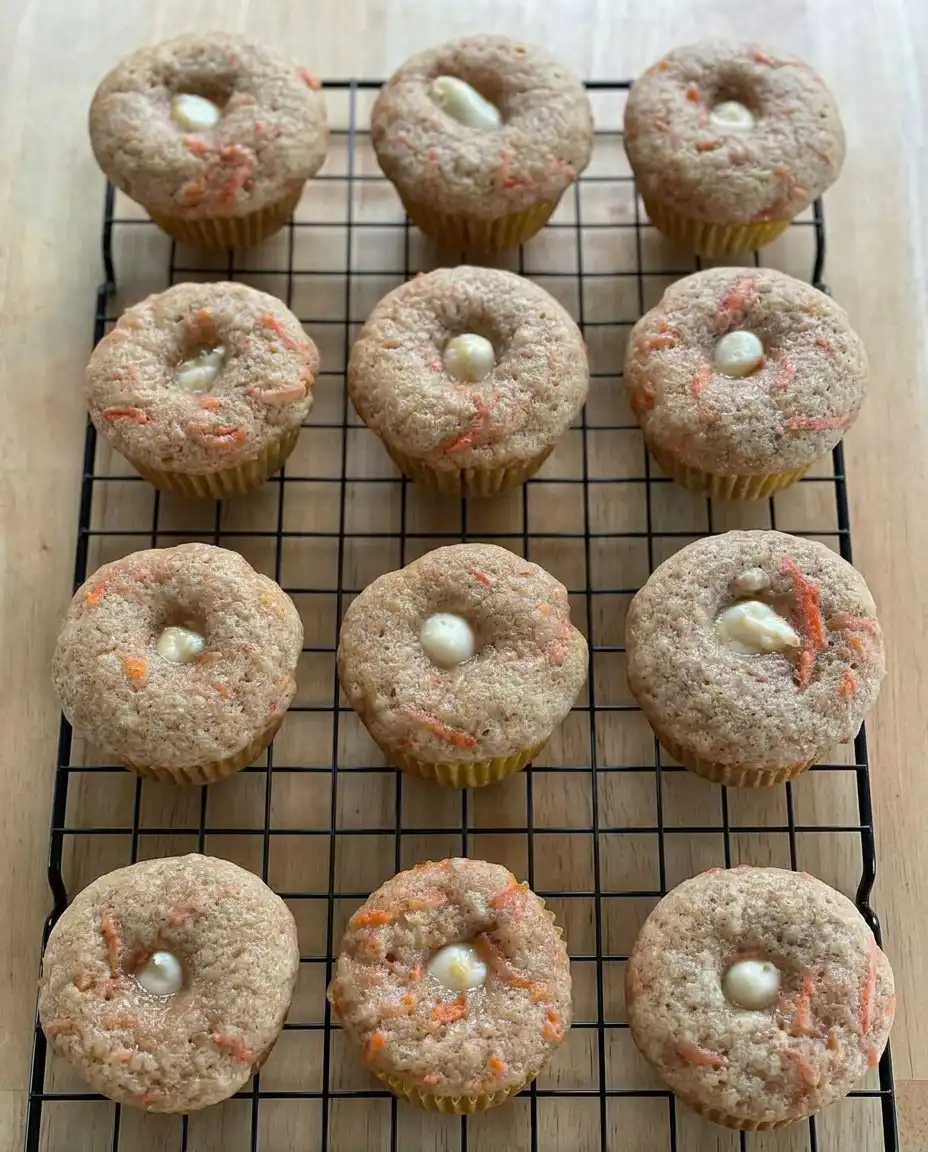
These muffins are best served slightly warm, which allows the aromatics of the cinnamon and vanilla to reach their full potential. If you are serving these for a brunch, a side of salted honey butter provides a great balance to the sweetness. For a more indulgent presentation, a thin layer of cream cheese frosting can be applied once the muffins have cooled completely to 70°F (21°C). If you are looking for other fruit and vegetable pairings, our banana zucchini muffins offer a different sweetness profile that pairs excellently with these carrot-based treats. Always store any frosted muffins in the refrigerator to maintain the stability of the dairy-based topping.
The Final Analysis
Mastering these Carrot Cake Zucchini Muffins is a matter of respecting the variables of moisture and temperature. By following these precise steps, you create a consistent, professional-grade snack that highlights the best of garden produce. We encourage you to continue testing these techniques in your own kitchen to achieve the perfect result every time. For more inspiration on vegetable-based bakes, check out our carrot cake recipe. We would love to see your results, so please share your photos and tag us on Pinterest, Instagram, or Facebook. Happy baking!