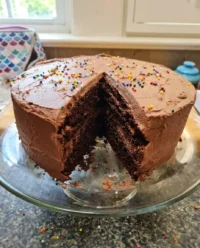
August at the farmers market means baskets of heavy, blushing peaches that smell like the warm sun and promise a season of sweet, slow baking.

This Classic Peach Pound Cake captures that fleeting summer ripeness in a dense, buttery crumb that feels honest and grounded. We use both sliced fruit and a concentrated peach powder to ensure the flavor remains deep and true throughout the bake. It is a slow, steady process that rewards your patience with a crackled top and golden edges that catch the afternoon light.
A Cake Worth the Season
Prep: 45 min · Serves: 12 · Difficulty: Medium
- Golden fruit flavor in every bite
- Dense texture for summer family gatherings
- Simple rustic finish with sweet glaze
- Uses peak season flavors all year
- Honest ingredients found in any pantry
This Classic Peach Pound Cake is the recipe my family requests every single weekend when the orchard fruit begins to ripen.
Get The Full Cake Recipe
Print
Classic Peach Pound Cake
- Total Time: 6 hours
- Yield: 12 servings
Description
This traditional pound cake features a dense, buttery crumb enhanced by real peach slices and ground freeze-dried peaches. It is a slow-baked, rustic treat finished with a delicate peach glaze that captures the essence of summer harvest.
Ingredients
- Unsalted butter, softened
- Freeze-dried peaches
- Heavy whipping cream
- Peach extract
- Sliced peaches in juice
- Cake flour
- Baking powder
- Salt
- Large eggs
- Granulated sugar
- Confectioners’ sugar
- Whole milk
- Vanilla extract
Instructions
- Drain the fruit. Open the canned peaches and drain the juice into a bowl, reserving both the liquid and the fruit slices for later use.
- Pulverize the peaches. Pulse the freeze-dried peaches in a food processor until they reach the consistency of a fine powder.
- Combine dry ingredients. Sift together the cake flour, baking powder, salt, and peach powder into a medium bowl, stirring until uniform.
- Whisk liquid base. Mix the heavy whipping cream, reserved peach juice, vanilla, and peach extract in a separate bowl until fully blended.
- Cream fat and sugar. Beat the softened butter and granulated sugar in a stand mixer on high for six minutes until pale and fluffy.
- Add the eggs. Incorporate the eggs one at a time on medium-low speed, ensuring each is fully integrated before adding the next.
- Alternate batter additions. Add the dry and liquid mixtures in three stages, beginning and ending with the dry ingredients while mixing on low speed.
- Bake the cake. Arrange peach slices in a greased tube pan, pour the batter over them, and bake at 325°F for eighty minutes.
- Cool the cake. Allow the cake to rest in the pan for four to five hours before carefully inverting it onto a wire rack.
- Apply the glaze. Whisk the confectioners’ sugar, milk, peach juice, butter, and extracts, then drizzle the resulting glaze over the cooled cake.
Notes
- Use a kitchen scale to measure the flour and peach powder for a consistent, professional crumb structure.
- Bring your eggs and cream to room temperature at least two hours before baking to ensure a smooth, stable emulsion.
- Place a baking sheet on the rack below your pan to catch any potential drips if the batter rises near the top of the tin.
- Wait for the full cooling time in the pan to prevent the delicate, fruit-laden cake from crumbling during unmolding.
- Prep Time: 45 mins
- Cook Time: 80 mins
- Category: Dessert
- Method: Baking
- Cuisine: American
Honest Ingredients
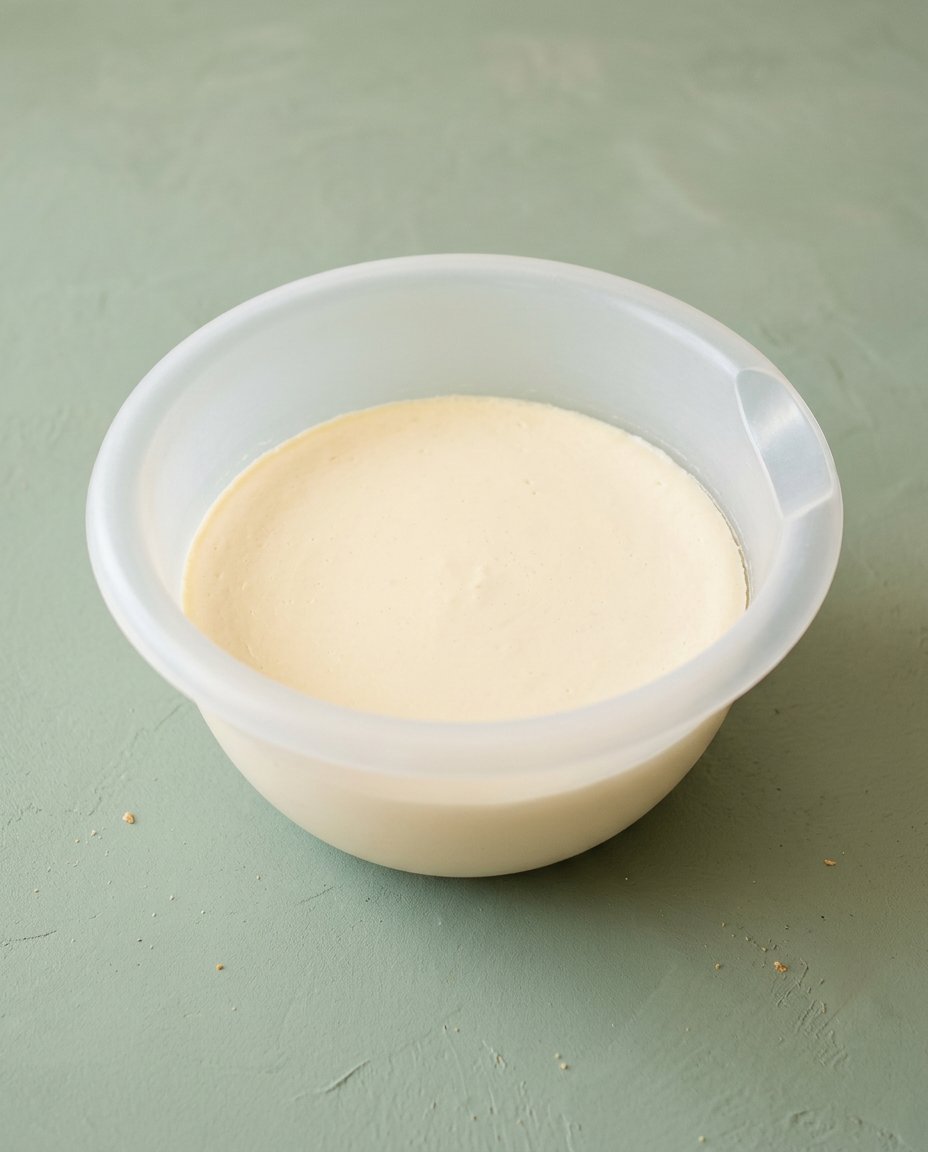
Our farmhouse kitchen relies on ingredients that speak for themselves without needing excessive ornamentation or complex techniques to shine. This Classic Peach Pound Cake uses a combination of room-temperature fats and seasonal fruit concentrates to achieve a crumb that is both sturdy and tender.
- Unsalted Butter: Use butter cultured locally if possible, ensuring it is soft enough to hold a thumbprint.
- Freeze-Dried Peaches: These are ground into a fine powder to provide an intense, concentrated fruit flavor without adding excess moisture.
- Heavy Whipping Cream: This provides the fat content necessary for a velvety mouthfeel that defines a traditional pound cake.
- Peach Extract: A small addition helps the natural fruit notes resonate through the dense, buttery batter.
- Sliced Peaches: We use fruit packed in 100% juice to ensure the syrup is natural and not cloying.
| Ingredient | Why It Matters |
|---|---|
| Cake Flour | Creates a fine, tender crumb structure |
| Peach Powder | Delivers concentrated fruit flavor throughout |
| Large Eggs | Provide structure and a deep golden color |
| Whole Milk | Adds moisture to the final peach glaze |
The Method, Step by Step
Step 1: Prepare the Sliced Fruit
Open the can of sliced peaches and pour them into a mesh strainer set over a small enamel bowl. Let the fruit drain thoroughly while you reserve the juice, as this liquid holds the essence of the fruit needed for both the batter and the glaze. Set the bowl aside on your wooden cutting board to use later.
Step 2: Create the Peach Powder
Measure the freeze-dried peaches by weight and place them into a small food processor. Pulse the fruit for a minute or two until it transforms into a fine, dusty powder that smells like a concentrated summer orchard. This powder is the secret to a deep flavor that does not thin out the batter with extra water.
Step 3: Sift the Dry Goods
Place a fine-mesh sifter over a medium bowl and add the flour, baking powder, salt, and your freshly ground peach powder. Sift these together to remove any lumps and ensure the leavening is evenly distributed throughout the dry mixture. Stir the bowl with a large wooden spoon until the color is uniform.
Step 4: Whisk the Liquid Base
In a separate bowl, combine the heavy whipping cream, reserved peach juice, vanilla, peach extract, and a touch of food coloring if you desire a warmer hue. Use a whisk to blend these until the color is consistent and the cream is fully integrated with the acidic juice. Ensure your cream is at room temperature to prevent the butter from curdling later.
Step 5: Cream the Butter and Sugar
Place the softened butter and granulated sugar into your stand mixer bowl fitted with the paddle attachment. Mix on high speed for exactly six minutes, stopping halfway to scrape the sides with a rubber spatula. The mixture should look pale, light, and almost like whipped frosting before you move to the next stage.
Step 6: Integrate the Farm Fresh Eggs
Add the eggs one at a time while the mixer runs on a medium-low setting, allowing each yolk to disappear before adding the next. This slow addition maintains the emulsion you built during the creaming process. Avoid the temptation to rush this step, as overmixing here can lead to a tough, rubbery cake.
Step 7: Alternate the Additions
Begin adding the flour mixture and the cream mixture to the batter in three separate stages, starting and ending with the dry ingredients. Mix on a low speed for only fifteen to twenty seconds after each addition to keep the crumb tender. Scrape the bottom of the bowl to ensure no pockets of dry flour remain hidden.
Step 8: Bake Your Classic Peach Pound Cake Until Golden
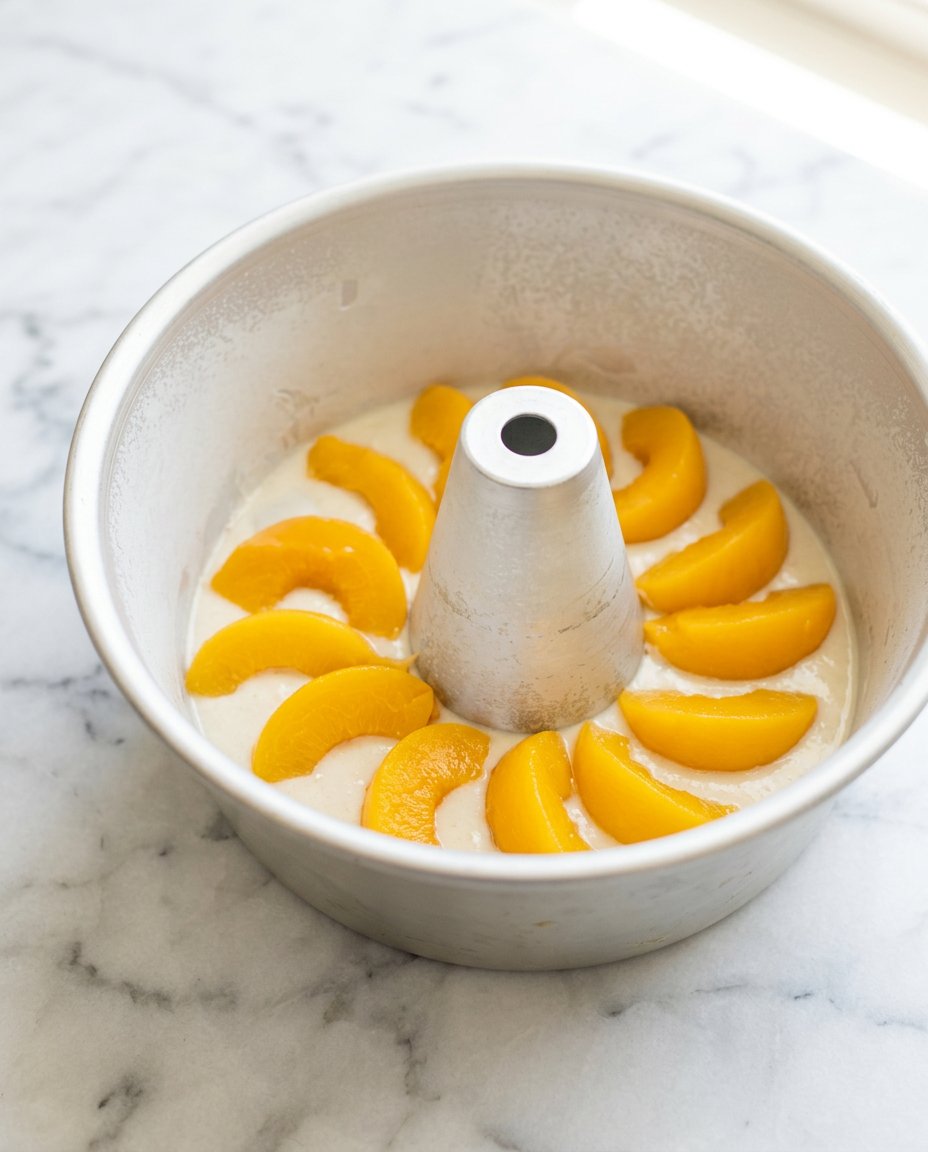
Prepare your tube pan with non-stick spray and arrange the drained peach slices in a ring at the bottom of the pan. Pour the batter over the fruit, smoothing the top with a spoon and shaking the pan gently to remove air bubbles. Place it on the bottom rack of your 325-degree oven for eighty minutes until the top is crackled and a toothpick comes out clean.
Step 9: Cool with Patience
Remove the pan from the oven and let it rest on the counter for four to five hours before attempting to invert it. This long rest allows the structure of the cake to set, preventing it from crumbling as it leaves the pan. Once rested, flip the cake onto a wire rack over a baking sheet to cool completely.
Step 10: Whisk and Drizzle the Glaze
Combine the confectioners’ sugar, warm milk, peach juice, melted butter, and extracts in a small bowl until the mixture is smooth. If the glaze feels too thick to drizzle, a short ten-second burst in the microwave will loosen it. Use a squeeze bottle to apply the glaze in a zig-zag motion over the cooled cake, letting it set for fifteen minutes before slicing.
Notes From the Kitchen
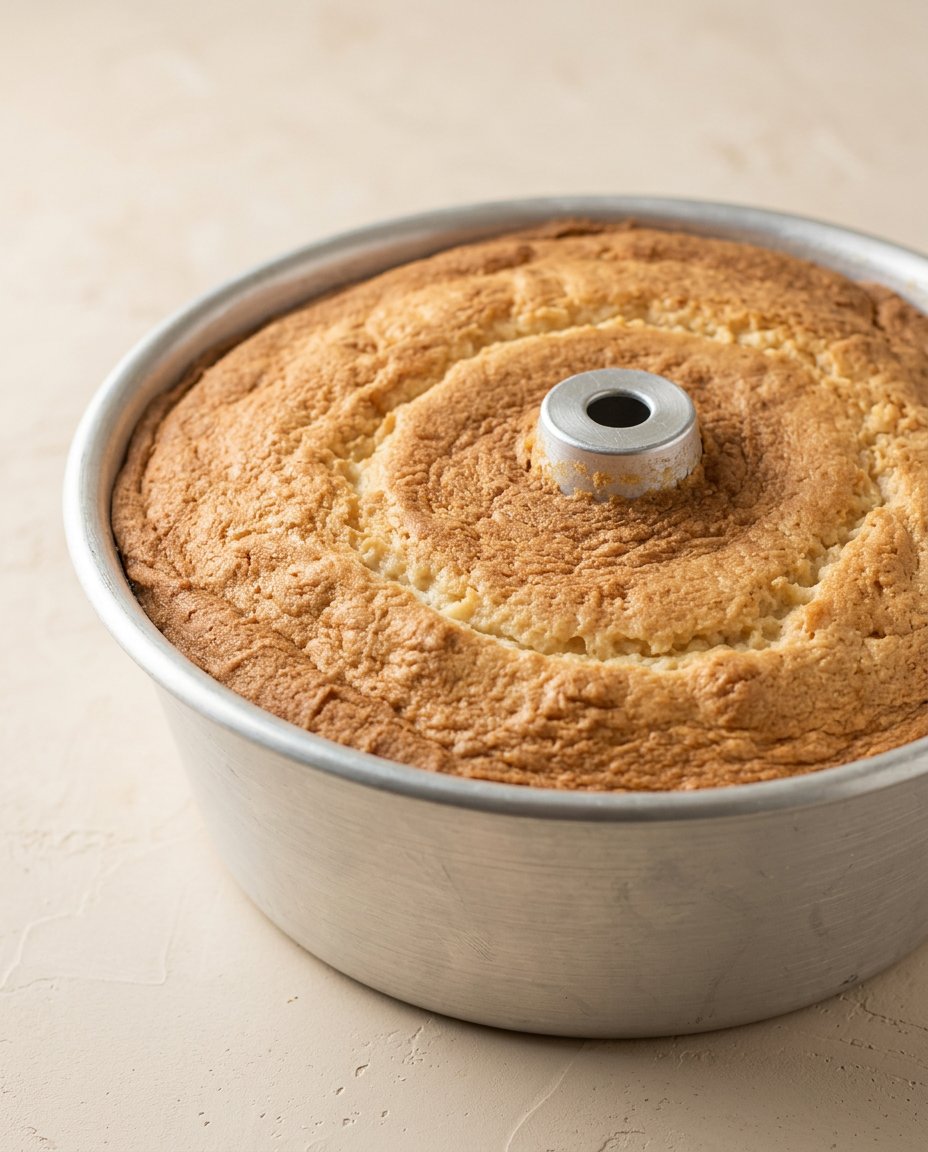
When the fruit is this good, keep it simple and let the ingredients lead the way. Always ensure your eggs and cream are truly at room temperature, as cold liquids will cause the butter to seize and create an uneven, clumpy batter. I often leave my ingredients on the counter for at least two hours before I begin my Saturday morning bake.
If your cake feels dense or heavy, it is often a sign that the butter and sugar were not creamed long enough. The six-minute window is essential for aerating the fat, which provides the lift necessary for a traditional pound cake. Check out my guide on fresh peach cake for more insights on handling seasonal fruit in batters.
Accuracy is the foundation of a successful bake, so I recommend using a kitchen scale for your flour and peach powder. Measuring by volume can lead to packing too much flour into the cup, resulting in a dry, crumbly finish that lacks the signature velvet texture. You can learn more about the chemistry of fruit bakes by reading this guide on how to make peach pound cake.
Properly preparing your pan is just as important as the batter itself. I prefer a heavy-duty tube pan which allows the heat to circulate through the center, ensuring the middle of the cake bakes at the same rate as the edges. This prevents the outside from becoming too dark before the center is set.
If your cake overflows the pan during the bake, here is why and how to fix it. This usually happens if the pan is smaller than a 15-cup capacity or if the baking powder was measured too generously. If you see the batter rising too high, place a baking sheet on the rack below to catch any drips and prevent a mess in your oven.
Let the cake cool in the pan for the full duration specified in the steps. Moving a warm pound cake is the most common cause of breakage, as the sugar and fruit need time to firm up. A linen tea towel draped over the pan can help keep the moisture in while it rests on your windowsill.
Frequently Asked Questions
Can I use all-purpose flour instead of cake flour?
Yes, you can use all-purpose flour, but you must adjust the liquid content as noted in the recipe. All-purpose flour has a higher protein content and absorbs less liquid than cake flour, so you will use slightly less heavy cream to maintain the proper consistency. The resulting crumb will be a bit heartier and less delicate, which some bakers prefer for a rustic finish.
How should I store this peach pound cake?
Keep the cake in an airtight container or under a glass cake dome at room temperature for up to three days. Because of the moisture from the fruit and the glaze, it is important to keep it in a cool, dry place. For longer storage, you can wrap individual slices in parchment paper and freeze them for up to two months.
Why did my peach slices sink to the bottom?
In this specific recipe, we actually place the peach slices at the bottom of the pan intentionally so they are on top when the cake is inverted. If you find they are disappearing into the crumb too much, ensure they are dried thoroughly with a paper towel before placing them in the pan. Excess moisture on the fruit can cause it to slide through the batter during the early stages of baking.
Can I use fresh peaches instead of canned?
You can use fresh peaches if they are at their peak of ripeness and very soft. You will need to peel and slice them, then toss them in a tablespoon of sugar and let them sit to release their natural juices. Use this juice in place of the canned juice mentioned in the steps to maintain the correct hydration levels for the batter.
My glaze is too thin and running off the cake, what happened?
A thin glaze usually happens if the milk was too hot or if the cake was still warm when the icing was applied. Ensure the cake is completely cool to the touch before decorating. You can thicken the glaze by whisking in an additional tablespoon of confectioners’ sugar until it reaches the consistency of heavy honey.
Can I make this recipe in a standard loaf pan?
This recipe produces a large amount of batter designed for a 15-cup tube pan. If you wish to use loaf pans, you will need two standard 9×5 pans and should reduce the baking time to approximately 50 to 60 minutes. Monitor the cakes closely and use the toothpick test to ensure the centers are fully baked through before removing them from the oven.
Ways to Adapt It
While the original recipe is a celebration of the season, you can easily adapt it to what else the market offers. During the transition into autumn, I often swap the peach extract for a grating of fresh nutmeg and a handful of toasted pecans. This adds a warm, woody depth that pairs beautifully with a cup of hot tea as the evenings turn cool.
For those who prefer a richer finish, you might consider a peach cake brown sugar frosting instead of the thin milk glaze. The molasses notes in brown sugar complement the fruit powder and give the cake a more rustic, caramel-like profile. This version is particularly lovely when served at a backyard harvest dinner.
If you find yourself in early spring with the first berries, you can replace the peach slices with fresh raspberries. The tartness of the berries cuts through the sweetness of the pound cake crumb, creating a bright contrast. Use the same alternating method for the dry and wet ingredients to ensure the delicate berries do not crush during the mixing process.
At the Table
Serving this cake simply is the best way to honor the labor that went into the bake. I like to place the fully cooled cake on a plain white pedestal or a worn wooden board that has seen many seasons of use. A simple dusting of sugar or the zig-zag of glaze is all the decoration an honest cake like this requires.
For a more indulgent dessert, serve a thick slice alongside a dollop of unsweetened whipped cream or a scoop of vanilla bean ice cream. The cold cream melting into the dense crumb creates a beautiful texture that is perfect for a late August afternoon. You might also enjoy serving it with a side of cream cheese peach cobbler pound cake for a varied dessert spread.
This cake is also a wonderful companion to a morning cup of coffee on the porch. The flavors tend to deepen the day after baking, making it an excellent choice for a Sunday brunch. Wrap any leftovers in a linen towel to keep the edges from drying out while you enjoy the quiet of the farmhouse morning.

The Quiet Goodbye
There is a specific kind of peace that comes from a cake cooling on the windowsill while the sun sets over the garden. This Classic Peach Pound Cake is a reminder that the best things in life take time and respect for the ingredients we are given. Whether you are sharing a slice with a neighbor or saving the last piece for yourself, I hope this bake brings a sense of seasonal calm to your kitchen.
If you enjoyed this recipe, you might find my peach cobbler pound cake 2 to be another wonderful way to use your farmers market haul. Baking is a journey we take together, one season at a time, and I am grateful to share these moments at the counter with you. Please come back and tell me how your cake turned out once the glaze has set.
Follow us for more rustic baking inspiration on Pinterest, Facebook, TikTok, and Telegram.