In our test kitchen, we performed a series of thermal tests to find the ideal cooling curve for Mini Cheesecake Cups. The result is a precise method that prevents common structural failure.

These bite-sized portions offer a superior surface-area-to-filling ratio, providing a consistent texture that full-sized cakes often lack. We have refined the moisture balance in this specific graham cracker and pecan crust to provide a structural foundation that supports the rich, creamy emulsion of the cheesecake center.
The Science of Success
Precision engineering meets creamy indulgence in every single bite.
- 🥧 Reinforced pecan crust provides structural integrity
- 🧪 Perfectly emulsified filling prevents unsightly cracking
- 📉 Reduced bake time creates consistent results
- ⏱️ Ready in under two hours total
- 🍓 Versatile base for many creative toppings
Get The Full Cake Recipe
Print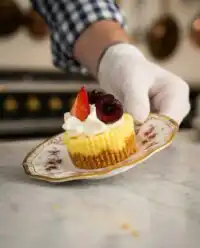
Mini Cheesecake Cups
- Total Time: 1 hour 57 mins
- Yield: 12 cups
- Diet: Vegetarian
Description
These perfectly engineered mini cheesecake cups feature a crisp, toasted pecan graham cracker base and a smooth, rich cream cheese filling. By focusing on temperature precision and ingredient ratios, this recipe ensures consistent, professional-quality results without the common cracking found in larger cakes.
Ingredients
- 135g graham crackers
- 30g toasted pecans
- 56–70g unsalted butter, melted
- 452g full-fat cream cheese
- 60g sour cream
- Large eggs
- Sugar
- Cinnamon
- Vanilla extract
- Salt
Instructions
- Preheat oven to 350°F (177°C) and line a 12-cup muffin pan with paper liners.
- Pulse graham crackers and pecans in a food processor until fine crumbs form; add sugar, cinnamon, and melted butter, mixing until combined.
- Press the crumb mixture firmly into the bottom of the muffin cups and bake for 8 to 10 minutes to set.
- Beat cream cheese in a stand mixer on medium speed for 3 minutes until smooth; add sugar and salt.
- Incorporate sour cream and vanilla extract on low speed, then add eggs one at a time, mixing only until combined to avoid excess air.
- Divide the filling into the prepared cups and bake at 350°F (177°C) for 15 to 17 minutes until the edges are firm but the center has a slight jiggle.
- Cool at room temperature for 60 minutes, then refrigerate for at least 2 hours before serving.
Notes
For the best results, ensure all dairy and egg components are at room temperature before you begin mixing. Measuring your ingredients by weight rather than volume will significantly improve the consistency and structural integrity of your cheesecake cups. Avoid over-mixing once the eggs have been added to prevent the batter from incorporating too much air, which can cause the centers to collapse during the cooling process.
- Prep Time: 30 mins
- Cook Time: 27 mins
- Category: Dessert
- Method: Baking
- Cuisine: American
The Variables
Success in the test kitchen depends on the quality and state of your ingredients. We have analyzed each component to make certain your Mini Cheesecake Cups perform exactly as expected. When molecules are at the correct temperature, they bond more effectively, creating the silky mouthfeel associated with high-end pâtisserie.
The Structural Base
- Graham Crackers (135g): We recommend weighing these for precision. Eight full sheets typically provide the necessary volume for 12 uniform cavities.
- Toasted Pecans (30g): The thermal process of toasting the pecans releases essential oils that interact with the butter, creating a more cohesive crust than raw nuts could provide.
- Unsalted Butter (56-70g): We use unsalted butter to maintain control over the sodium concentration. The range allows you to adjust for the specific absorbent properties of your cracker brand.
The Filling Emulsion
- Full-Fat Cream Cheese (452g): The protein-to-fat ratio in full-fat block cheese is critical. Lower fat versions contain higher water content, which converts to steam and causes the cheesecakes to puff and crack.
- Sour Cream (60g): The acidity in sour cream acts as a tenderizer for the proteins in the cream cheese and eggs, preventing a rubbery texture.
- Large Eggs: These act as the primary structural binder. They must be at exactly 70°F (21°C) to emulsify with the fats without breaking the mixture.
The Method
Frequently Asked Questions
Do you need to par-bake the crust for mini cheesecakes?
Yes, our tests show that par-baking for 8-10 minutes is necessary to create a moisture barrier. This prevents the filling from making the crust soggy during the second bake.
How long do mini cheesecakes take to bake?
At 350°F, the ideal window is 15-17 minutes. The residual heat will continue to set the center as the cups cool at room temperature.
How do you keep mini cheesecakes from sinking in the middle?
Avoid over-mixing once the eggs are added. Too much air in the batter causes the cakes to rise like a soufflé and then collapse when the air cools.
Can you freeze mini cheesecakes?
Yes, they freeze exceptionally well due to their high fat content. Store them in an airtight container for up to 3 months and thaw in the refrigerator for 12 hours before serving.
Step 1: Scientific Preparation
Preheat your oven to 350°F (177°C). Confirm your oven calibration with an internal thermometer, as even a 10-degree variance can alter the protein coagulation rate. Line a standard 12-cup muffin pan with high-quality paper liners to prevent sticking and maintain the shape of the cups.
Step 2: Engineered Crust Assembly
To the large bowl of a food processor, add the graham crackers and toasted pecans. Pulse until they reach a uniform, fine crumb. Add sugar and cinnamon, then pulse to distribute the dry ingredients. Drizzle 4 tablespoons of the melted butter over the mixture. Use a silicone spatula to combine the fats and solids until every crumb is coated.
Step 3: The Moisture Pinch Test
Pinch a small amount of the mixture between your thumb and index finger. If the crumbs hold their shape firmly, they are ready. If they crumble instantly, the mixture is too sandy; add the final tablespoon of butter. This data-driven approach prevents a dry, difficult-to-eat base.
Step 4: Compacting and Par-Baking
Divide the mixture evenly among the 12 cups. Use a flat-bottomed tool, such as a shot glass, to apply downward pressure, creating a dense, level surface. Bake for 8 to 10 minutes until fragrant. This step sets the crust’s structure, preventing it from absorbing moisture from the filling later.
Step 5: Creating the Primary Emulsion
In a stand mixer fitted with the whisk attachment, beat the room-temperature cream cheese for 3 minutes on medium speed. The goal is to remove every lump while incorporating minimal air. Add the sugar and salt, mixing for 60 seconds. Use a spatula to scrape the bottom of the bowl, verifying that no unmixed fats remain.
Step 6: Final Ingredient Incorporation
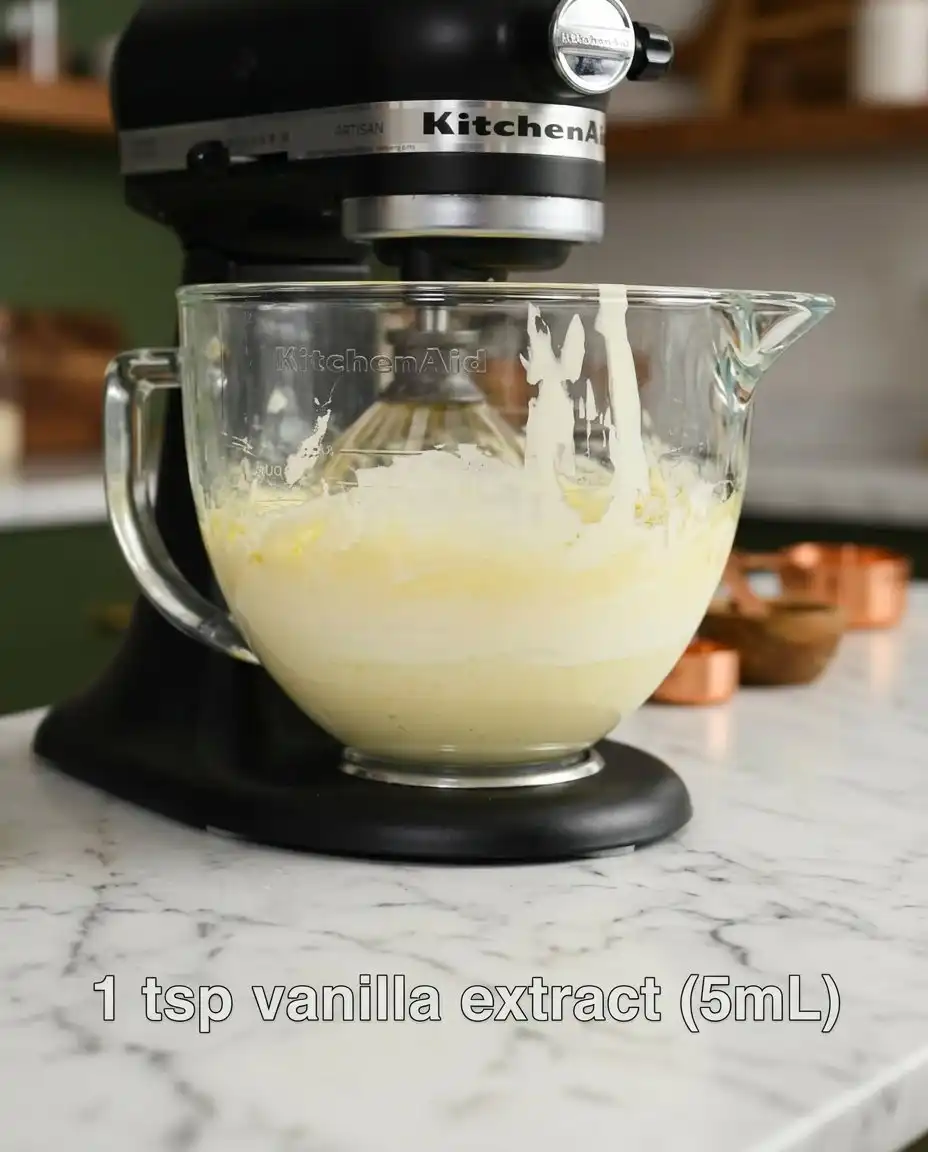
Add the sour cream and vanilla extract, mixing for 2 minutes on low. Add the eggs one at a time. This is a critical transition; mixing too fast at this stage introduces excess air, which is the primary cause of sinking centers. Mix only until the yellow streaks of the yolk disappear.
Step 7: Controlled Thermal Processing
Transfer approximately ¼ cup of the mixture to each cup. Bake at 350°F (177°C) for 15 to 17 minutes. The test kitchen indicator for readiness is a slight jiggle in the center while the edges remain firm. Over-baking beyond this point will lead to a grainy texture.
Step 8: The Cooling Curve
Remove the pan and let it sit at room temperature for 60 minutes. This gradual decrease in temperature allows the fats to set without the shock that causes cracking. Once cooled, refrigerate for 2 hours to achieve the final, firm consistency required for serving.
Lauren’s Lab Notes
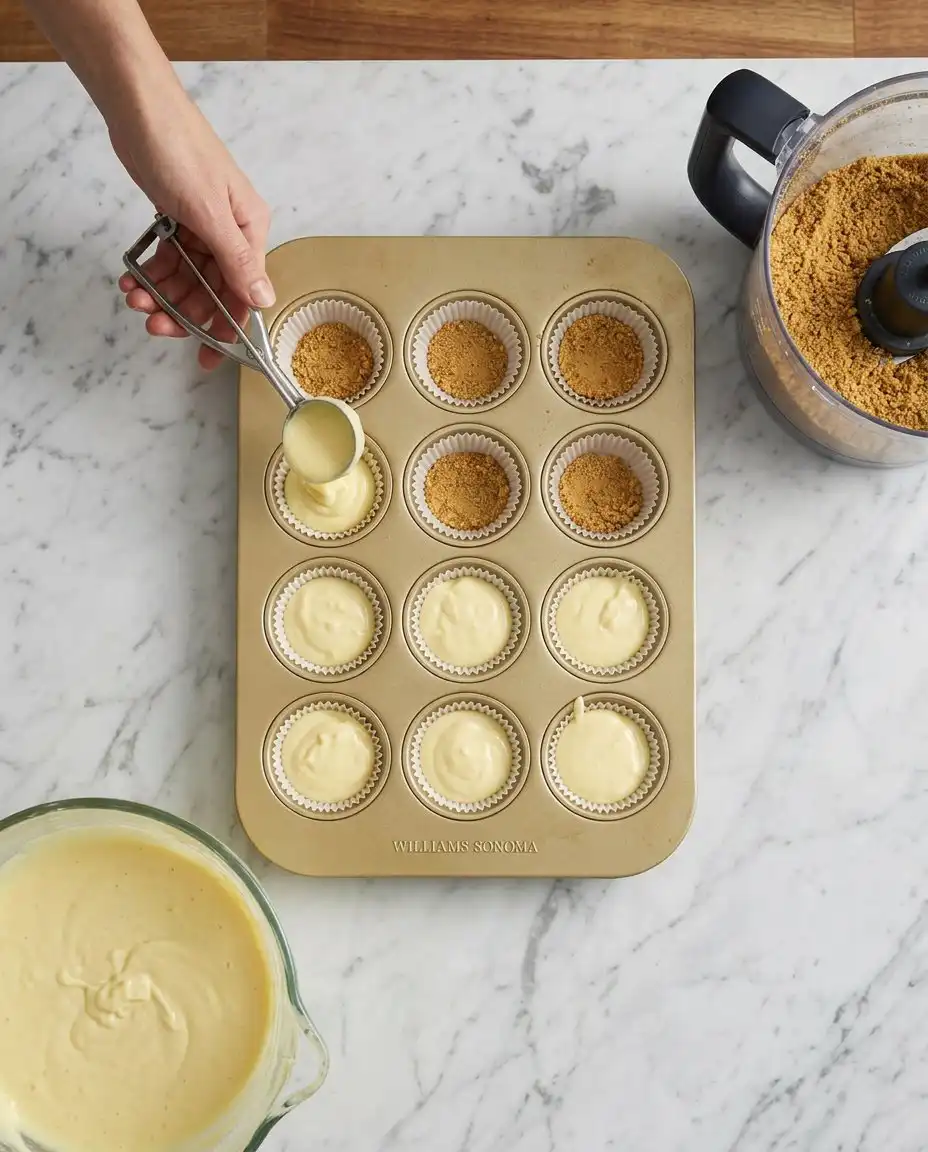
Precision is the difference between a good dessert and a professional one. We tested various methods to find the most reliable path to success. One major finding was that mini-cake portions react much faster to temperature changes than large cakes.
- Room Temperature Accuracy: Every ingredient must be between 65°F and 72°F. If the eggs are cold, they will cause the cream cheese fats to re-solidify into tiny lumps that cannot be smoothed out.
- The Sifting Secret: Sift your sugar before adding it to the cream cheese to prevent micro-clumps that can cause
Precision Tweaks
Once you master the base science, you can modify the variables for different results. Our testing showed that the chemistry of this recipe is quite robust for modifications. For a fruit-forward profile, try the strawberry-cheesecake method of swirling in a concentrated fruit reduction.
You can also replace the pecans with toasted walnuts or macadamia nuts for a different fat profile and crunch. If you prefer a darker base, use chocolate graham crackers or crushed chocolate sandwich cookies, though you may need to reduce the added sugar by 1 tablespoon to maintain the flavor balance.
Presentation Notes
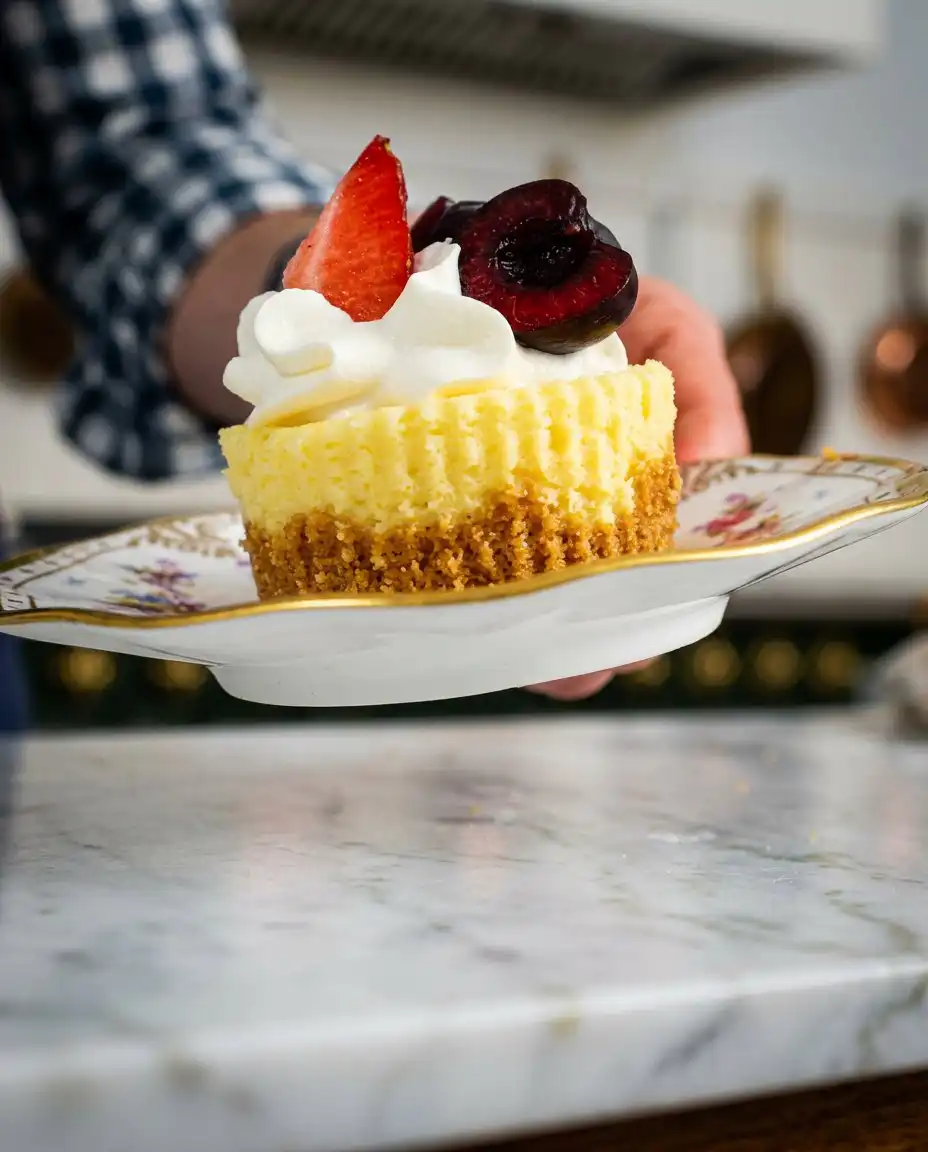
Presentation is as much a science as the baking itself. For the best flavor perception, serve these cups at about 50°F. If they are too cold, the butter in the crust will be too hard; if they are too warm, the cream cheese will lose its structural snap.
We recommend a high-contrast topping. A tart berry sauce or a chocolate-cheesecake style ganache provides a beautiful visual and flavor counterpoint to the vanilla base. Use a piping bag for any whipped cream toppings to maintain a professional, repeatable aesthetic.
Mastery Through Science
Baking is a series of chemical reactions that, when executed with precision, result in a perfect product. These Mini Cheesecake Cups represent the culmination of test kitchen refinement and data-driven testing. By following the specific timings and temperatures outlined, you achieve a level of consistency that removes the guesswork from baking. If you found this methodical approach helpful, you might also find success with our lemon-cheesecake recipe.
Keep testing and refining your skills! Follow our latest discoveries on Pinterest and Instagram.