Many home bakers believe that stripping a cake of its outer frosting layer inevitably results in a dry, stale crumb within hours.

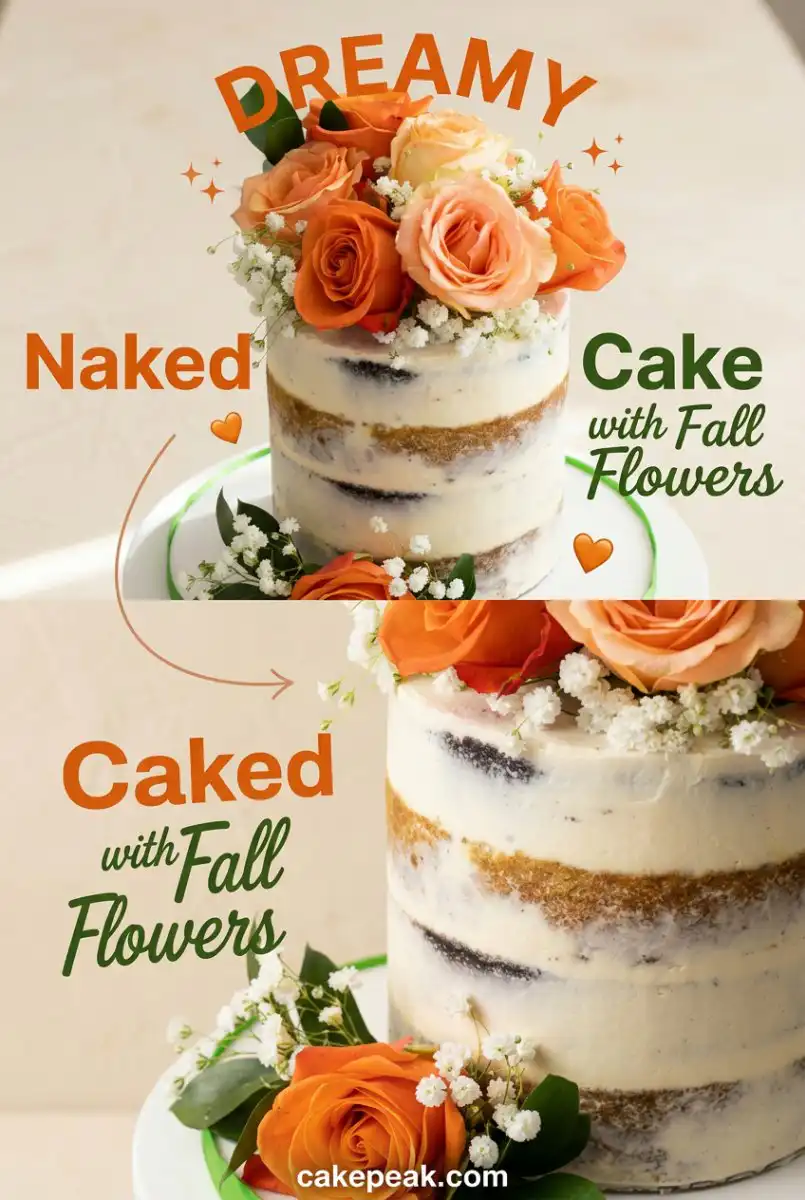
Our test kitchen set out to disprove this myth by analyzing how moisture retention works in exposed cake layers. We discovered that by adjusting the fat ratio and applying a precise base coat, you can keep the crumb tender for days. This method for a Naked Cake with Fall Flowers combines structural science with striking seasonal design. You do not need professional pastry training to achieve this clean, rustic appearance on your dessert table.
The Case for This Method: Naked Cake with Fall Flowers
Prep: 10 min · Serves: 10 · Difficulty: Medium
- Retains moisture without heavy layers of frosting.
- Assembles quickly using stable box mix bases.
- Showcases beautiful, organic botanical design elements.
- Maintains structural integrity for clean, easy slicing.
- Saves hours of demanding side-wall smoothing.
Precision execution yields a cake that remains soft and visually striking. If you want a reliable foundation, read our basic nude cake recipe to master the underlying structure.
Get The Full Cake Recipe
Print
Naked Cake with Fall Flowers
- Total Time: 2 hours
- Yield: 10 servings
- Diet: Vegetarian
Description
Create a stunning, rustic centerpiece with this expert-led naked cake method that prioritizes moisture retention and clean structural aesthetics. By balancing fat ratios and proper stacking techniques, you can achieve a sophisticated, bakery-quality finish perfect for autumn gatherings.
Ingredients
- 2 boxes yellow or white cake mix
- 6 large eggs
- 14 tablespoons salted butter, melted
- 1.5 cups water
- 1 cup vanilla buttercream frosting
- Assorted edible pansies
- Fresh mint leaves
Instructions
- Prepare oven and pans. Preheat your oven to 350°F (177°C) and grease three 9-inch round cake pans, dusting them lightly with flour after greasing.
- Wash botanical elements. Submerge pansies and mint leaves in cold water to remove debris, then blot completely dry on paper towels and store in a cool, dark place.
- Mix cake batter. Combine cake mixes, eggs, melted butter, and water in a stand mixer, beating on high for 4 minutes until the mixture reaches a smooth, thick consistency.
- Bake the layers. Divide batter equally into the three prepared pans using a scale and bake for 22 minutes or until a toothpick inserted in the center comes out clean.
- Cool the cakes. Let layers rest in pans for 10 minutes, then invert onto wire racks to cool completely to room temperature before attempting to frost.
- Level and stack. Trim the rounded tops off the cooled cakes and stack them with thin, even layers of vanilla buttercream between each tier.
- Create naked finish. Use a bench scraper to remove excess frosting from the exterior, leaving a translucent coat that exposes the cake crumb, then refrigerate for 15 minutes.
- Decorate with flowers. Arrange the prepared pansies and mint in a crescent pattern on the top layer, anchoring them securely into the frosting.
Notes
- Always measure ingredients by weight when possible to ensure consistent layer thickness and baking times.
- Ensure cake layers are fully at room temperature before frosting to prevent the butter in the buttercream from melting and sliding.
- Use an offset spatula for the most precise control when spreading frosting between layers.
- Refrigerating the cake for a short period after the crumb coat significantly improves the final stability of the naked finish.
- Verify that all floral elements are strictly organic and free of pesticides before using them as a cake garnish.
- Prep Time: 30 mins
- Cook Time: 22 mins
- Category: Dessert
- Method: Baking
- Cuisine: American
The Working Components
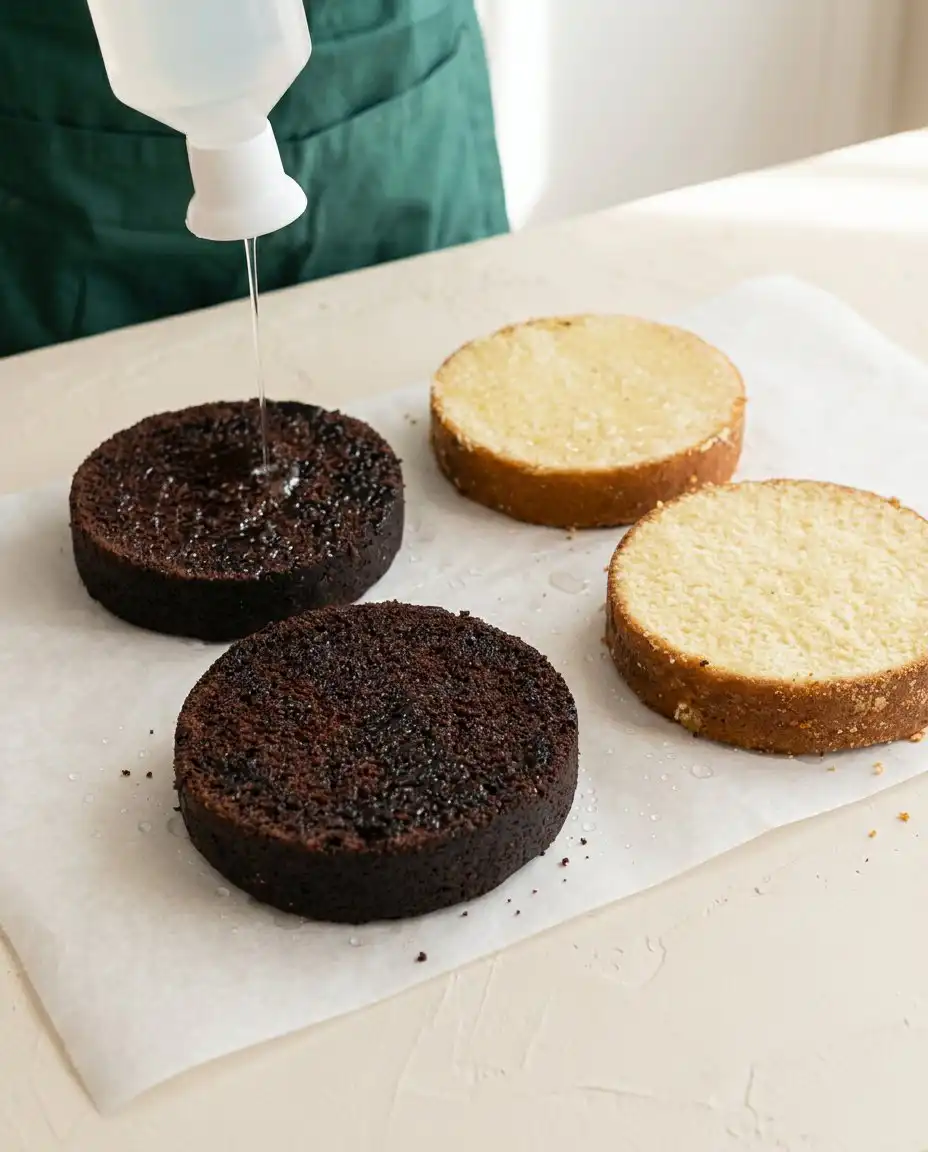
Every ingredient in this formulation plays a precise chemical role in maintaining the structural balance of the cake. When cake layers are left exposed to the air, the ratio of liquid to fat becomes critical to prevent rapid moisture loss. Weighing these components carefully prevents crumbly edges and keeps the layers stable during assembly.
- Boxed Yellow or White Cake Mix: This provides the standardized starch and sugar ratios needed for a predictable crumb structure.
- Large Eggs: They act as the primary emulsifier, binding the fats and liquids to create a strong, stable cake wall.
- Melted Salted Butter: Melted butter adds a rich flavor and tenderizes the gluten structure far better than liquid vegetable oil.
- Water: Water activates the leavening agents in the dry mix and hydrates the wheat starches for proper gelatinization.
- Vanilla Buttercream Frosting: This serves as both the moisture barrier between layers and the structural adhesive holding the stack together.
- Pansies and Mint Leaves: These clean, non-toxic botanical elements provide the seasonal visual styling without introducing chemical risks.
| Ingredient | Why It Matters |
|---|---|
| Cake Mix | Establishes the structural foundation and protein-starch ratio. |
| Eggs | Provide structural emulsification to prevent crumb collapse. |
| Butter | Offers tenderizing lipids that slow down moisture evaporation. |
| Buttercream | Seals the delicate crumb layers and anchors the cake. |
| Flowers | Create the seasonal design aesthetic without adding moisture. |
How to Bake It, Precisely
Step 1: Prepare the Oven and Baking Pans
Position your oven racks in the middle position and heat the oven to 350°F (177°C). Grease three 9-inch round aluminum cake pans using a high-quality baking spray or brush them with melted shortening before dusting with flour. This mechanical barrier prevents the delicate edges from tearing when you turn the baked cakes out. Confirm the pans are placed flat on your work surface so the batter settles evenly across each pan’s bottom.
Step 2: Wash and Dry the Botanical Elements
Submerge your pansies and mint leaves in cold water for 2 minutes to loosen any soil particles. Lay the washed items in a single layer on clean paper towels and blot them dry with light pressure. Leaving any moisture on the leaves or petals will cause the buttercream to break down or slip. Keep them in a cool, dark, draft-free spot until the cake is fully cooled and ready to style.
Step 3: Mix the Batter Components
In a large mixing bowl, combine two boxes of cake mix with six large eggs, 14 tablespoons of melted salted butter, and 1.5 cups of water. Beat the mixture using a stand mixer fitted with the paddle attachment for 4 minutes on high speed to aerate the batter. You will see the batter transition from a grainy, yellow liquid to a smooth, pale, and thick ribbon-like consistency. This mixing duration is crucial to develop the minimal gluten structure needed to support the tall, heavy stacked layers.
Step 4: Divide and Bake the Batter
Divide the batter equally among the three prepared 9-inch pans, using a digital scale to confirm each pan holds exactly the same weight. Bake at 350°F (177°C) for 22 minutes, checking the center of each layer with a metal toothpick. The toothpick must emerge clean, with no wet batter or sticky crumbs clinging to the metal. You should also see the edges of the cake begin to pull away slightly from the sides of the pans.
Step 5: Cool the Cake Layers
Remove the pans from the oven and set them on wire cooling racks for exactly 10 minutes to allow the cake structures to firm. Run a thin plastic spatula around the inner edges of each pan to release any stuck sections before inverting the pans onto the wire racks. Let the cakes cool completely to room temperature, which typically takes 60 to 90 minutes. Attempting to frost a warm cake will cause the fat in the buttercream to melt, causing the entire structure to slide apart.
Step 6: Level and Stack the Cake
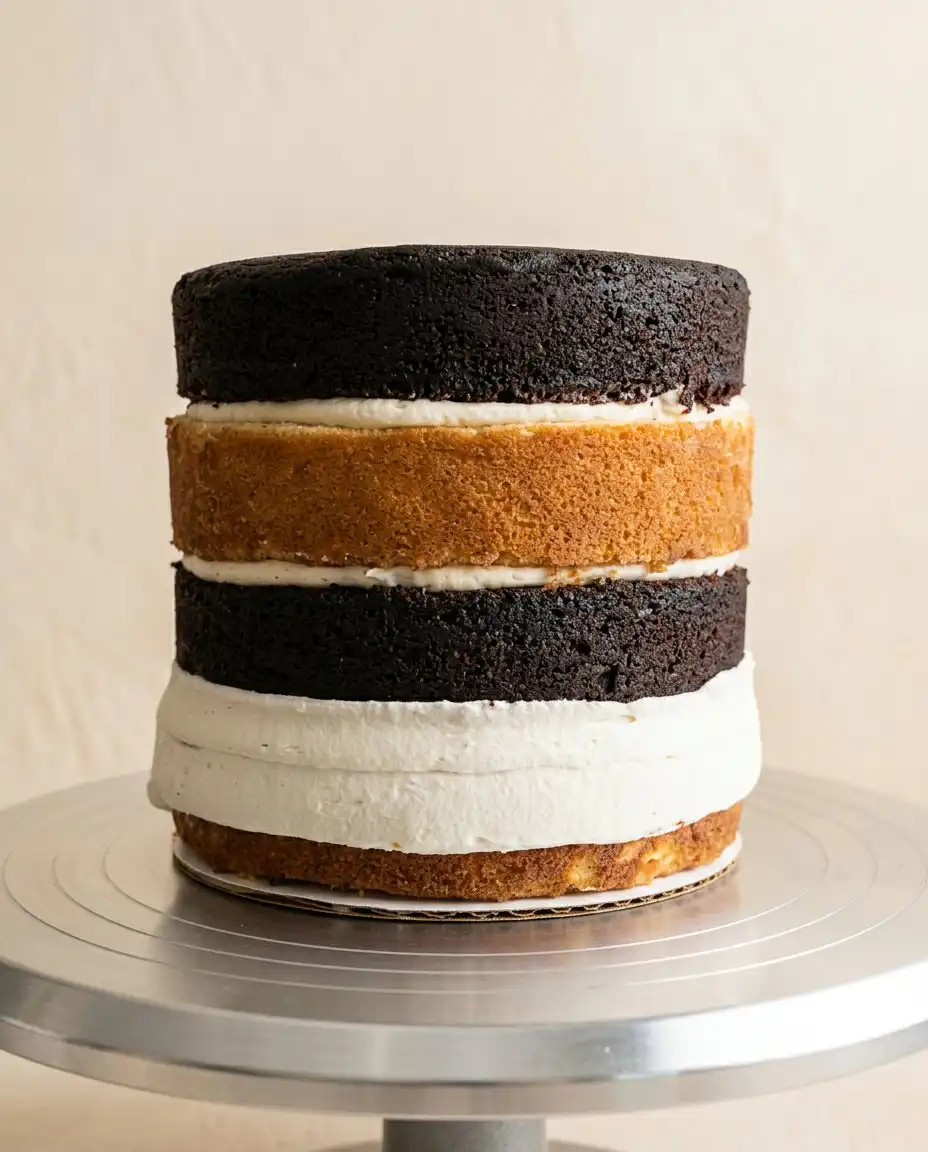
Trim the rounded domes off each cooled cake layer using a long serrated bread knife to create flat, even surfaces. Place your first cake layer on a heavy cardboard round or a spinning cake turntable. Spread 1 cup of vanilla buttercream frosting over the top surface, spreading it evenly to the very edge with an offset spatula. Place the second layer directly on top, centering it carefully, and repeat the frosting process before adding the final cake layer.
Step 7: Apply the Naked Cake with Fall Flowers Finish
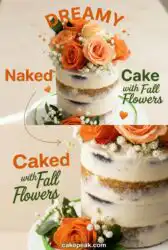
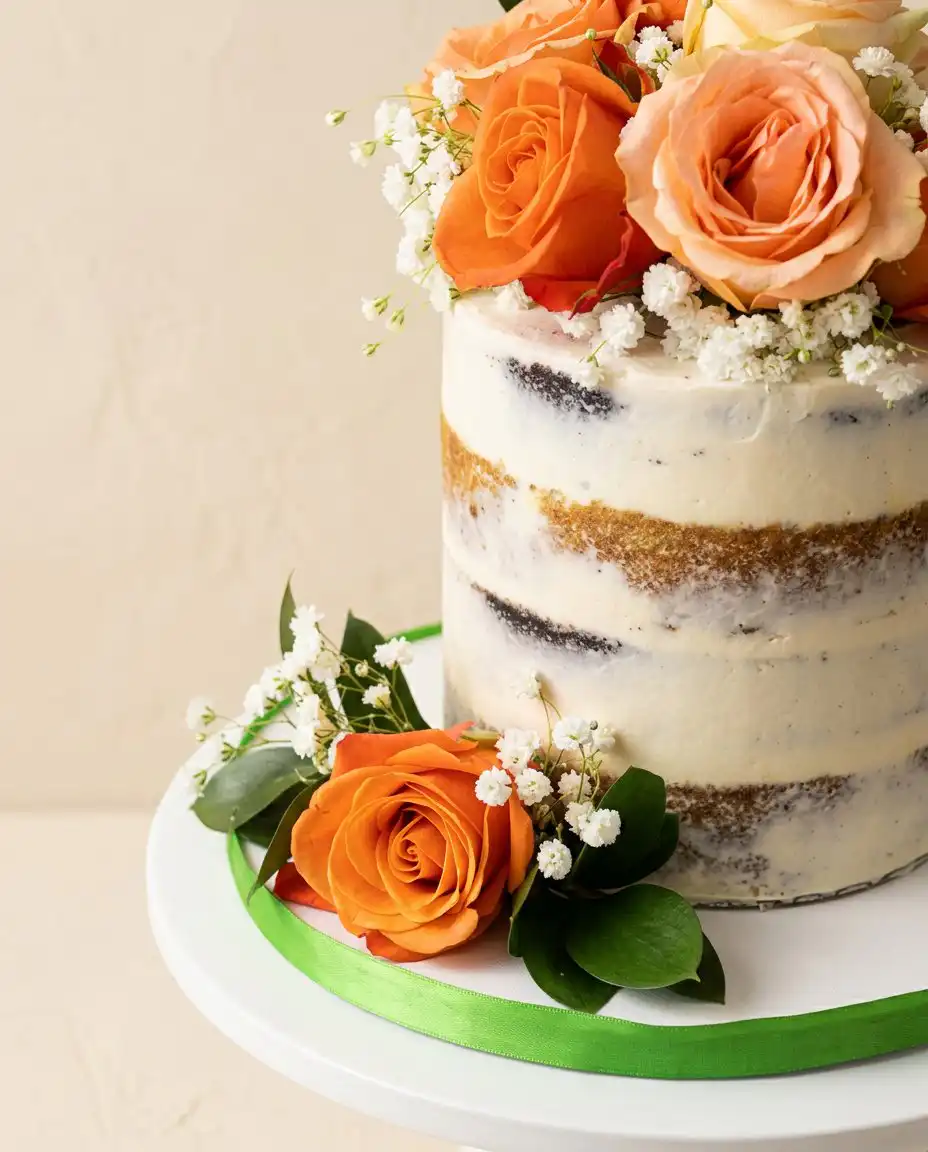
Use a straight bench scraper to scrape the excess buttercream from the outer sides of your stacked layers. This motion leaves a thin, translucent layer of frosting that seals in the moisture while exposing the beautiful crumb patterns of the cake. Smooth the remaining frosting over the top layer to create a flat, clean surface for your floral arrangement. Refrigerate the assembled cake for 15 minutes to firm up the buttercream adhesive before you begin decorating.
Step 8: Secure and Decorate with Flowers
Insert the prepared pansies and mint leaves gently into the top layer of buttercream, grouping them in a crescent pattern to mirror a natural garden. Push the stems slightly into the cake to anchor them, using a tiny dab of frosting if they need extra support. Stand back and examine the cake from eye level to verify that the floral layout looks balanced and stable. Serve the cake within 2 hours of decorating to keep the delicate petals looking fresh and plump.
What the Data Showed
Using a digital kitchen scale to measure your batter guarantees that each of your three cake pans receives an identical volume. When layers are uneven, they bake at different rates, leading to some being dry while others are underbaked. Consistent layer thickness is the first step toward achieving a level stack that will not lean or slide under its own weight.
If your cake layers begin to dome excessively during baking, here is why and how to fix it. The oven temperature is likely too high, causing the outer edges of the cake to set before the center has finished rising. To resolve this, wrap your cake pans with damp cake strips before placing them in the oven, or lower your oven temperature by 25°F (15°C) to allow a slower, more even rise.
To prevent your floral additions from wilting prematurely, cut the stems at a 45-degree angle and store them in damp paper towels until the moment you arrange them. You can read more about safe practices for cake decorating to prevent food safety issues when using fresh garden elements. Keep the decorated dessert away from direct sunlight, drafty windows, and heat sources to extend the life of the petals.
If you want to read more about professional design styles, examining styling seasonal cakes with fresh greenery offers excellent visual inspiration for matching colors. Using high-quality real butter instead of vegetable oil in your box mix dramatically alters the crumb density, making it much easier to carve and shape. Oil makes cakes very soft, which can sometimes lead to excessive crumbling during the scraping phase.
Always crumb coat your cake layers before applying the final outer scrape. A thin initial layer of icing locks in loose crumbs, preventing them from mixing into the clean exterior white frosting. Chill the cake for 20 minutes after the crumb coat to lock the structure in place before finalizing your rustic outer finish.
When working with real garden elements, always ensure they are grown organically without pesticides. Wrap the stems of delicate blooms in floral tape or insert them into small plastic straws before pushing them into the cake. This extra layer of protection keeps the sap from entering the cake crumb and maintains the clean taste of your dessert.
Frequently Asked Questions
How do you put fresh flowers on a naked cake safely?
To put fresh flowers on a cake safely, first wash and dry them completely. Wrap the stems in floral tape or insert them into plastic cake straws before inserting them into the cake layers. This barrier prevents any sap or soil residue from touching the edible portions of the cake.
Are there toxic flowers I should avoid?
Yes, you must avoid toxic flowers such as lilies, poinsettias, hydrangeas, and autumn crocuses, which can cause severe illness if ingested. Always cross-reference your selections with a certified botanical database before placing them on food. Stick to known safe, non-toxic options like pansies, marigolds, and roses.
What is the difference between a “naked” cake and a “semi-naked” cake?
A naked cake has absolutely no frosting on the outer sides, leaving the cake layers entirely exposed to the air. A semi-naked cake features a thin scraped layer of buttercream that allows the crumb to show through while sealing in moisture. This recipe uses the semi-naked technique to prevent the cake from drying out during storage.
What are the best fall flavor combinations for naked cakes?
Excellent autumn flavor combinations include spice cake paired with caramel buttercream, and pumpkin cake with cream cheese frosting. You can also pair a rich apple-cinnamon cake with maple frosting for a cozy seasonal profile. These warm flavors match the rustic botanical aesthetic beautifully.
How do you keep a stacked naked cake from collapsing?
To keep a stacked cake stable, insert plastic or wooden dowels vertically through the cake layers to distribute the weight. Make sure each cake layer is leveled completely flat with a serrated knife before assembly to prevent leaning. Let the cake chill thoroughly in the refrigerator for at least 1 hour after frosting to set the structure.
How far in advance can you decorate a naked cake with flowers?
You should decorate the cake with fresh flowers no more than 2 hours before serving to prevent the petals from wilting. Store the decorated cake in a cool, draft-free room or a refrigerator until presentation. If you must decorate earlier, use hardier greenery like rosemary or eucalyptus that resists drying out.
Variations That Hold Up
For a deeper autumn profile, swap the standard white or yellow mix for a rich pumpkin spice or gingerbread cake mix. Pair this cake base with a cinnamon-infused cream cheese frosting to complement the warm nutmeg and clove notes. When choosing botanicals for this darker crumb, opt for deep orange marigolds and rich rosemary sprigs. Read our guide on selecting appropriate cake flowers to make sure your choices are both safe and visually appealing for this rustic style.
You can create a brighter, floral-forward version by using a lemon cake mix and adding dried culinary lavender directly to the dry ingredients. Frost this variation with a light lavender-honey buttercream to create a subtle floral taste profile. Pair this cake with light purple pansies and fresh mint leaves to create a cool-toned seasonal display. This lighter flavor combination is ideal for early autumn gatherings or crisp afternoon teas.
For a richer dessert, use a dark chocolate cake mix paired with a vanilla bean buttercream to create a stark color contrast against the dark cake layers. Garnish the top with fresh rosemary sprigs and deep red pansies to mimic an autumn forest scene. The piney, herbal aroma of rosemary balances the rich cocoa notes perfectly, offering a sophisticated flavor experience.
Finishing & Plating
Present this beautiful seasonal creation on a clean wooden slab or a ceramic pedestal to emphasize its rustic, organic styling. The contrasting textures of the exposed cake layers and the delicate flower petals show best under soft, natural lighting. Keeping the surrounding table decor simple allows the natural beauty of the cake to remain the focal point. For a clean presentation, follow the principles of a minimalist cake by avoiding overcrowded accents or heavy plastic cake toppers.
When slicing this dessert, use a long, thin, sharp chef’s knife dipped in hot water and wiped clean between each cut. This clean blade slices through the delicate crumb and buttercream layers without dragging or smudging the exposed sides of the cake. Pair each slice with a warm cup of spiced cider or a robust dark roast coffee to complement the buttery vanilla notes of the cake. Serving the cake at room temperature ensures the butter in the crumb is soft and melts pleasingly on the tongue.
The Bottom Line
Baking is an exact science where tiny alterations in technique lead to vastly different physical outcomes. By understanding the role of fat and proper stacking mechanics, you can confidently create an impressive seasonal centerpiece. This rustic dessert proves that cake decorating does not require complex piping skills to look stunning.
If you enjoyed this precise approach, try your hand at creating a stunning floral cake for your next autumn celebration. We love seeing your test kitchen results, so please share your baking triumphs on social media. Connect with our community of precision bakers on Pinterest, Facebook, TikTok, and Telegram to share photos of your seasonal creations.