During our rigorous testing phase in the Cake Peak lab, we discovered that the high sodium content of traditional Ritz crackers creates a fascinating chemical synergy with homemade amber caramel. We experimented with three different cracker brands before confirming that the specific buttery lamination of the Ritz provides the most stable structural integrity after a prolonged hydration period. This recipe is the result of solving the mystery of how to balance moisture absorption without compromising the cake-like texture of a no-bake dessert.

This Ritz Cracker Salted Caramel Icebox Cake transforms standard pantry staples into a sophisticated layered dessert through the systematic process of cold-maceration. By allowing the cream cheese filling to interact with the cracker layers over a twelve-hour window, the starch molecules soften into a texture that mimics a traditional baked sponge. Our test kitchen confirmed that this precise timing is non-negotiable for achieving the desired mouthfeel and structural stability.
The Science of Salty-Sweet Success
This recipe works because it relies on the principle of osmotic pressure to transform brittle crackers into soft, cake-like layers. Unlike traditional baked cakes that rely on leavening agents and heat, this icebox cake uses the moisture from the cream cheese and heavy cream to hydrate the crackers. The salt on the crackers does more than just season; it acts as a flavor enhancer that cuts through the richness of the 36% milkfat heavy cream, preventing the dessert from tasting cloying.
We tested the caramel at multiple temperature stages and found that taking the sugar to a deep amber—roughly 345°F (174°C)—provides the necessary bitterness to balance the granulated sugar in the filling. This creates a complex flavor profile that appeals to those who appreciate technical precision in their baking. The structural triumph of this cake lies in its density; it is firm enough to slice cleanly but soft enough to melt on the tongue, a result of the fat-to-moisture ratio we perfected in the test kitchen.
Furthermore, this dessert is a masterclass in texture. The contrast between the smooth, aerated cream cheese mixture and the slightly textured caramel layers creates a sensory experience that is both sophisticated and nostalgic. Because it requires zero oven time, it also serves as a perfect demonstration of how temperature control in the refrigerator can be just as effective as heat in a convection oven for creating a cohesive dessert structure.
Print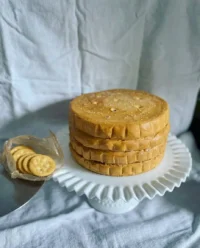
Ritz Cracker Salted Caramel Icebox Cake
- Total Time: 12 hours 40 mins
- Yield: 9 servings
- Diet: Vegetarian
Description
This technical no-bake dessert uses the science of moisture migration to transform salty Ritz crackers into a delicate, cake-like strata. Layers of deep amber salted caramel and aerated cream cheese create a sophisticated balance of flavors and textures that reward the patient baker.
Ingredients
- 1 cup granulated sugar
- 1/4 cup water
- 1/2 teaspoon sea salt
- 1/2 cup heavy cream (at least 36% milkfat)
- 2 tablespoons unsalted butter
- 2 teaspoons pure vanilla extract, divided
- 16 ounces full-fat brick-style cream cheese, softened to 68°F
- 1 cup granulated sugar
- 2 cups heavy cream (at least 36% milkfat), chilled
- 48 to 60 Ritz crackers (approximately 3 sleeves)
Instructions
- Combine 1 cup sugar and water in a saucepan over medium heat; boil without stirring until the mixture reaches a deep amber color (345°F).
- Remove from heat, whisk in sea salt and 1/2 cup heavy cream until smooth, then stir in butter and 1 teaspoon vanilla; cool to room temperature.
- In a large bowl, beat the softened cream cheese and remaining 1 cup sugar for 3 minutes until aerated.
- Gradually pour in 2 cups chilled heavy cream and the remaining 1 teaspoon vanilla, then beat on high speed until stiff peaks form.
- Line an 8×8-inch pan with plastic wrap, leaving a 3-inch overhang on all sides for easy removal.
- Create the first layer with 16 crackers, spread one-third of the cream cheese filling on top, and drizzle with one-third of the caramel.
- Repeat the layering process twice more, finishing with a smooth layer of cream cheese filling.
- Seal the pan with the plastic wrap overhang and refrigerate for 12 to 24 hours to allow the crackers to fully hydrate and soften.
Notes
To ensure the most professional presentation, always use full-fat brick cream cheese rather than tub varieties to maintain structural integrity. For perfectly clean layers, wipe your knife with a hot, damp cloth between every slice after the cake has completed its full 24-hour hydration period.
- Prep Time: 30 mins
- Cook Time: 10 mins
- Category: Dessert
- Method: No-Bake
- Cuisine: American
The Variables: Ingredient Analysis
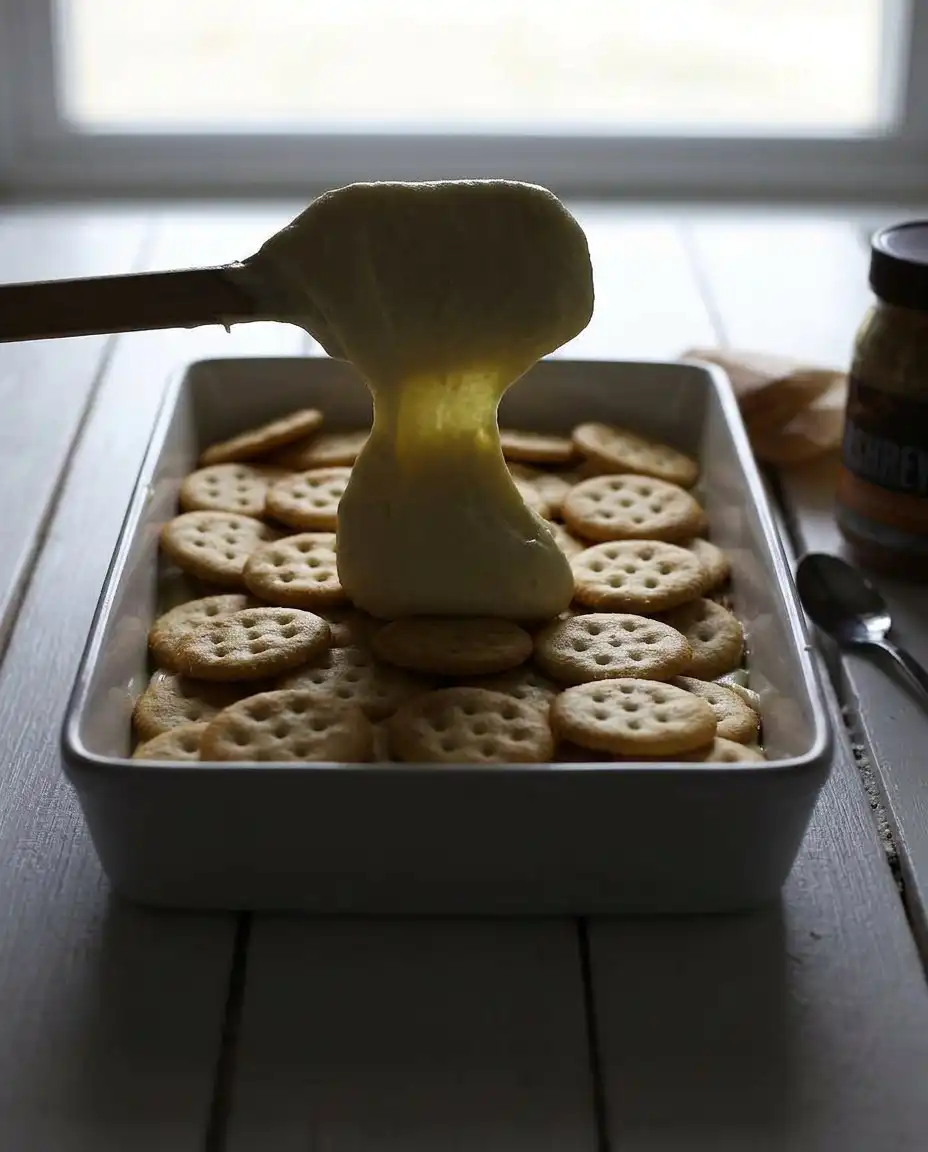
In our test kitchen, we analyzed each component of this cake to understand how it contributes to the final result. Ingredient quality and temperature are the primary variables that will determine your success with this recipe.
- Ritz Crackers: These are the structural foundation. Their unique property is the high fat content and the salt crust. We found that the salt helps break down the sugar molecules in the filling, making the overall flavor more balanced. Do not substitute with low-sodium versions, as the salt is critical for the flavor chemistry.
- Cream Cheese: You must use full-fat, brick-style cream cheese. Low-fat or tub versions have a higher water content and lower protein stability, which will cause the cake to collapse or become watery after 24 hours. The cheese must be softened to exactly 68°F (20°C) to incorporate smoothly without lumps.
- Heavy Cream: Look for cream with at least 36% milkfat. This provides the necessary lipids to create a stable foam when whipped. The fat also acts as a barrier, preventing the crackers from becoming too soggy too quickly.
- Granulated Sugar: In the caramel, sugar undergoes thermal decomposition to create new flavor compounds. In the filling, it serves to tenderize the cream cheese and provide sweetness. We measured the sugar to a precise 1:1 ratio with the cream cheese by weight for the best result.
- Sea Salt: We use sea salt in the caramel because the larger grain size provides sporadic bursts of salinity that contrast with the smooth sugar base.
- Vanilla Extract: Pure vanilla extract contains alcohol, which acts as a solvent for flavor. This helps the caramel and cream cheese flavors meld more effectively during the chilling process.
The Method: Step-by-Step Process
Step 1: Preparing the Amber Caramel
Begin by combining the cup of granulated sugar and 1/4 cup of water in a heavy-bottomed saucepan. Heat over medium intensity, stirring only until the sugar dissolves to prevent crystallization. Once dissolved, stop stirring and monitor the temperature closely. The mixture will transition from clear to light gold, then to a deep amber. Remove from heat immediately when it reaches the deep amber stage to stop the Maillard reaction. Carefully whisk in the sea salt and heavy cream. The mixture will bubble vigorously as the water in the cream evaporates; keep whisking until the emulsion is smooth. Stir in the butter and vanilla, then set aside to cool to room temperature.
Step 2: Aerating the Cream Cheese Filling
In a clean mixing bowl, place the softened cream cheese and granulated sugar. Use a paddle attachment or beaters to cream the mixture for exactly 3 minutes on medium-high speed. This process incorporates air and ensures the sugar crystals are fully dissolved into the cheese fats. Gradually pour in the heavy cream and vanilla extract. Increase the speed to high and beat until the mixture achieves stiff peaks. The consistency should be thick enough to hold its shape when lifted with a spatula, indicating that the protein structure is ready to support the weight of the crackers.
Step 3: Constructing the Strata
Line your 8×8-inch pan with plastic wrap, leaving a 3-inch overhang on all sides. This is a critical step for clean removal. Place 16 Ritz crackers in a single layer at the base of the pan, fitting them tightly. Spread one-third of the cream cheese mixture over the crackers using an offset spatula to maintain an even thickness. Drizzle one-third of the cooled caramel sauce in a zigzag pattern. Repeat this process for two more layers. The final layer should be the cream cheese mixture, which provides a clean surface for the eventual garnish.
Step 4: The Hydration Phase
Fold the overhanging plastic wrap over the top of the cake to create an airtight seal. This prevents the cake from absorbing odors from the refrigerator. Place the pan in the refrigerator for a minimum of 12 hours. During this time, moisture migration occurs: the crackers pull water from the cream cheese filling, softening their texture while simultaneously firming up the cream. Our testing showed that 12 hours is the threshold for a cake-like slice; 24 hours provides an even more integrated texture.
Lauren’s Lab Notes: Troubleshooting and Precision
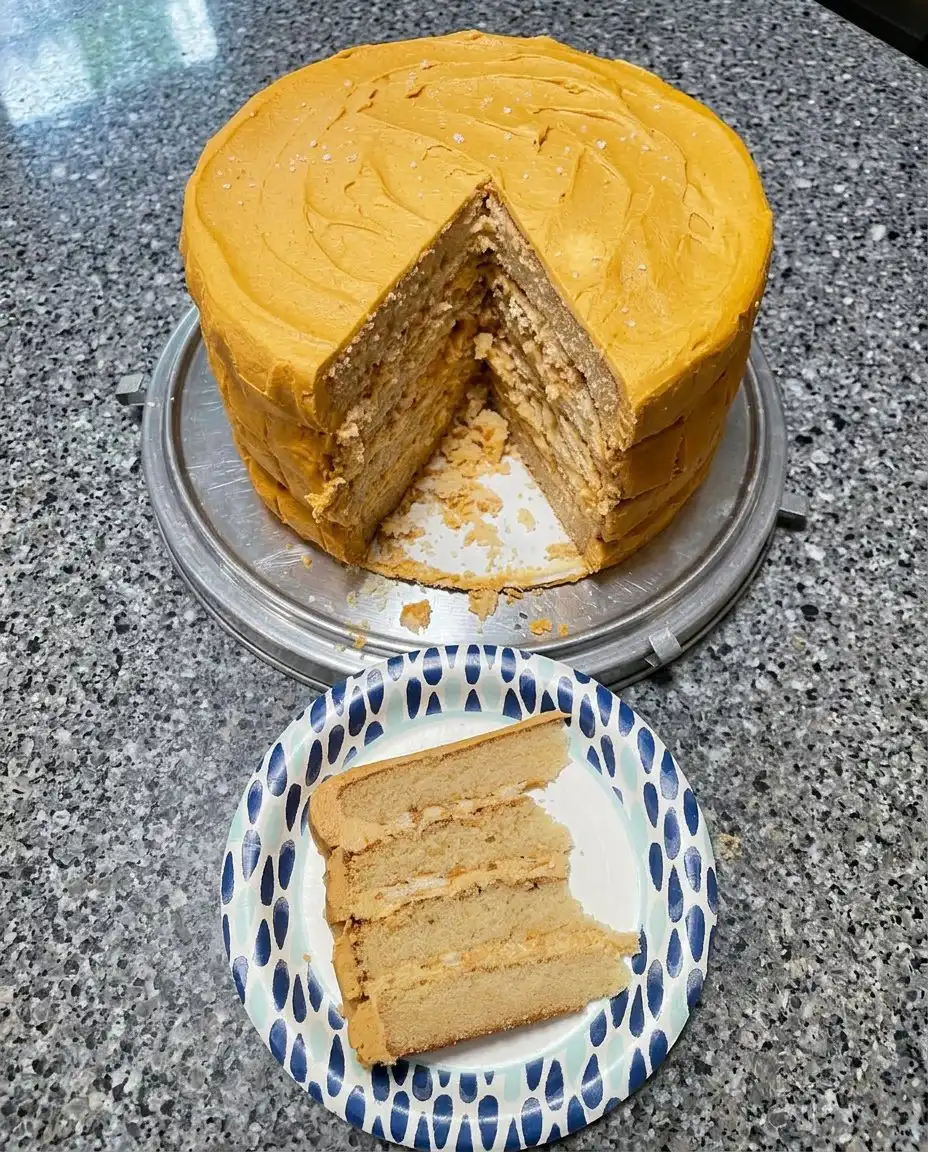
To prevent sugar crystallization when making your caramel, you can add a half-teaspoon of corn syrup or a drop of lemon acid to the sugar-water mixture. These interfering agents prevent the sucrose molecules from bonding into crystals. If you find your cream cheese filling is lumpy, it is likely because the cheese was too cold when you started. You can fix this by placing the bowl over a pot of simmering water for 30 seconds to gently warm the fats, then re-beating.
Another critical observation from our test kitchen is the importance of the chill time. If you attempt to slice the cake before the 12-hour mark, the crackers will still have a crunch that clashes with the soft filling. For those interested in other no-bake structures, understanding this hydration principle is key to making a chocolate-eclair-cake with the same professional results. Always use a hot, dry knife for slicing; dip the blade in hot water and wipe it clean between every single cut to maintain the visual integrity of the layers.
Tested Variations and Advanced Tweaks
During our development process, we tested several modifications to the base recipe. If you prefer a more intense cocoa profile, you can substitute the top layer of caramel for a dark chocolate ganache made with 60% cacao. We also tested a version using graham crackers for those who want a less salty profile, though we found the complexity was significantly reduced. If you enjoy the science of cookie-based cakes, you might want to try our oreo-icebox-cake which utilizes a similar moisture-transfer technique.
For a technical challenge, try browning the butter before adding it to the caramel sauce. This adds nutty aromatic compounds (pyrazines) that complement the salt on the Ritz crackers beautifully. We also found that adding a layer of crushed toasted pecans between the second and third layers adds a structural crunch that persists even after the hydration phase, providing a pleasant contrast to the softened crackers.
Presentation Notes and Pairing Guide
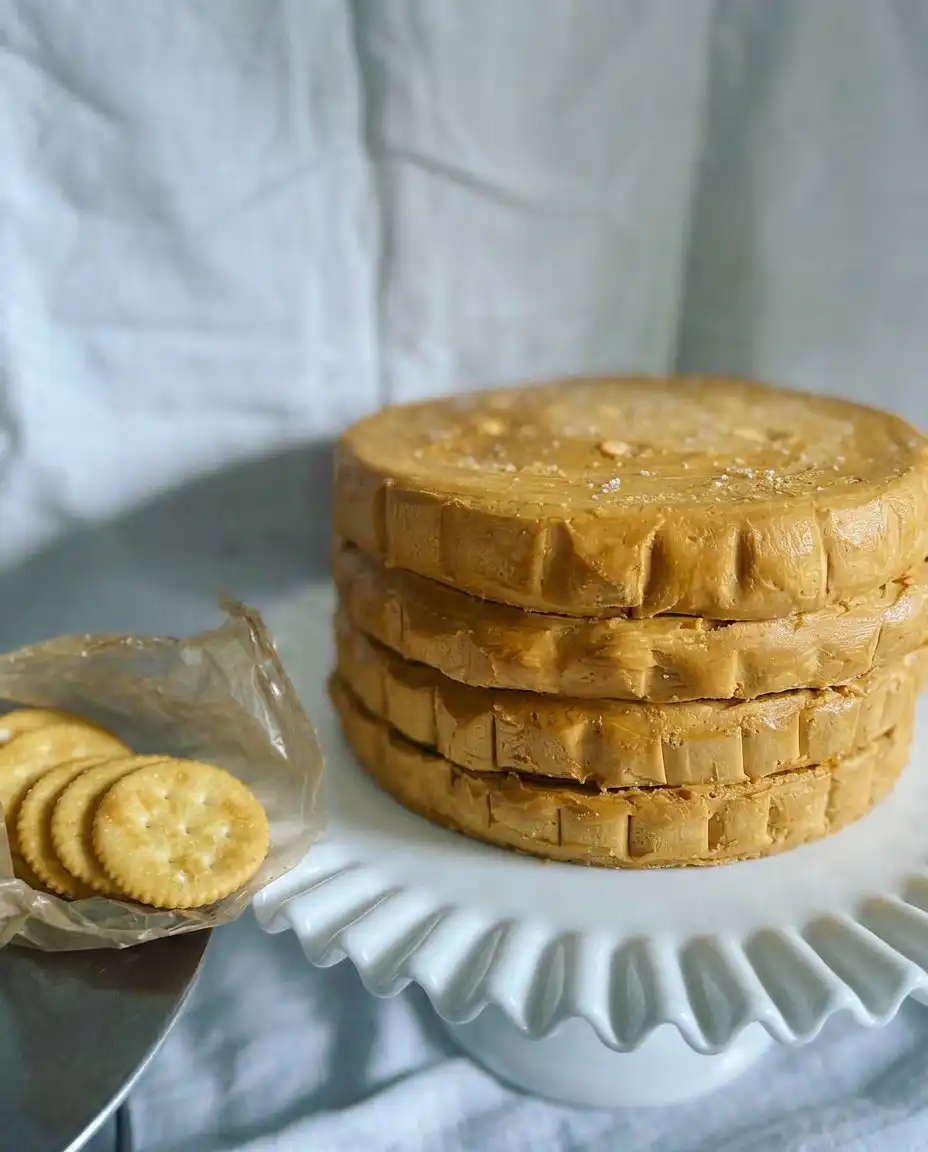
For the best presentation, use the plastic wrap overhang to lift the entire cake out of the baking dish before slicing. This allows you to trim the edges for a perfectly square, professional look. We recommend serving this cake at a temperature of approximately 40°F (4°C). If the cake sits at room temperature for more than 30 minutes, the cream cheese filling will begin to soften, and the layers may slide.
When plating, a light dusting of sea salt flakes or a sprig of fresh mint provides a visual contrast to the amber caramel. For a complete dessert experience, consider pairing a slice of this cake with a tart fruit element to balance the richness. If you are hosting a larger event and need more variety, our strawberry-icebox-cake offers a bright, acidic counterpoint to the deep, salty-sweet flavors of this Ritz version. For more technical details on this specific recipe, you can consult the original test notes at Life with Janet.
The Final Analysis: Mastery Through Science
Mastering the Ritz Cracker Salted Caramel Icebox Cake is about understanding the relationship between moisture, fat, and time. By following these precise steps and respecting the necessary hydration window, you can achieve a dessert that is far more than the sum of its pantry-staple parts. We encourage you to continue verifying these results in your own kitchen and exploring the physics of no-bake desserts. If you have mastered this salted caramel technique, you are well-prepared to tackle our more traditional caramel-cake for your next project. Don’t forget to share your successful results with our community of precision bakers on Pinterest, Instagram, Facebook, or YouTube.