Success in vegan baking relies on understanding how moisture-heavy vegetables like zucchini function within a gluten structure to provide necessary hydration without the structural support of eggs.

This Vegan Chocolate Zucchini Cake utilizes finely grated squash to achieve a specific crumb density that mimics traditional high-fat sponge cakes. We tested the hydration levels of different vegetable weights to ensure the cake maintains structural integrity while remaining exceptionally tender. By following these precise thermal and mechanical instructions, you will produce a repeatable result that defies the common pitfalls of vegan desserts.
The Case for This Vegan Chocolate Zucchini Cake
Prep: 30 min · Serves: 12 · Difficulty: Medium
- Zucchini fiber creates superior moisture retention
- High cocoa ratio ensures intense chocolate profile
- Plant-based buttermilk provides necessary crumb lift
- One-bowl method reduces mechanical aeration errors
- Strategic fat ratios replace egg-based structures
Precision creates consistency and a reliably moist texture in every slice of vegan cake.
Get The Full Cake Recipe
Print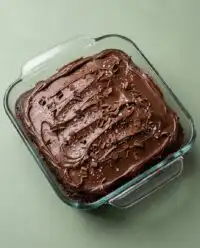
Vegan Chocolate Zucchini Cake
- Total Time: 1 hour 15 mins
- Yield: 12 servings
- Diet: Vegan
Description
This rich and decadent vegan chocolate cake uses finely grated zucchini to achieve a perfectly moist, dense crumb that mimics traditional sponge cakes. It is a scientifically-engineered treat that relies on simple pantry staples and precise techniques for consistent, bakery-quality results.
Ingredients
- 240g raw zucchini (resulting in 170g after pressing)
- 1/2 cup melted vegan butter
- 1 cup granulated sugar
- 1/2 cup brown sugar
- 1/2 cup dairy-free yogurt
- 1 1/2 cups all-purpose flour
- 1/2 cup cocoa powder
- 1 teaspoon baking powder
- 1/2 teaspoon baking soda
- 1/2 cup vegan buttermilk
- 1/2 cup hot coffee (190°F-200°F)
- 1/2 cup vegan butter (for frosting)
- 1/4 cup vegan sour cream
- 1/4 cup melted chocolate
- 2 cups powdered sugar
- 1/4 cup cocoa powder (for frosting)
Instructions
- Preheat the oven. Heat oven to 350°F and line a 9×13-inch pan with parchment paper, leaving an overhang on the sides.
- Prepare the zucchini. Grate zucchini finely, then pat dry with a towel until it weighs exactly 170g to control moisture content.
- Mix wet ingredients. Whisk melted vegan butter, sugars, and dairy-free yogurt in a large bowl, then stir in the prepared zucchini for 60 seconds.
- Combine dry ingredients. Sift flour, cocoa powder, baking powder, and baking soda over the wet mixture to remove any clumps.
- Complete the batter. Incorporate vegan buttermilk and hot coffee into the mixture, whisking from the center outward until just combined.
- Bake the cake. Spread batter into the pan and bake for 40 to 45 minutes until the internal temperature reaches 205°F.
- Cool and frost. Rest in the pan for 10 minutes, transfer to a wire rack to cool completely, then frost with the whipped cream and chocolate mixture.
Notes
- Weighing zucchini with a kitchen scale after patting it dry is essential to ensure the cake does not turn out gummy.
- Always sift cocoa powder before adding it to the dry mix to prevent bitter, dry clumps from remaining in the batter.
- The hot coffee must be between 190°F and 200°F to properly bloom the cocoa solids without negatively affecting the other ingredients.
- Avoid over-mixing the batter after adding flour to keep the cake tender and prevent a tough, bread-like texture.
- Prep Time: 30 mins
- Cook Time: 45 mins
- Category: Dessert
- Method: Baking
- Cuisine: American
The Working Components
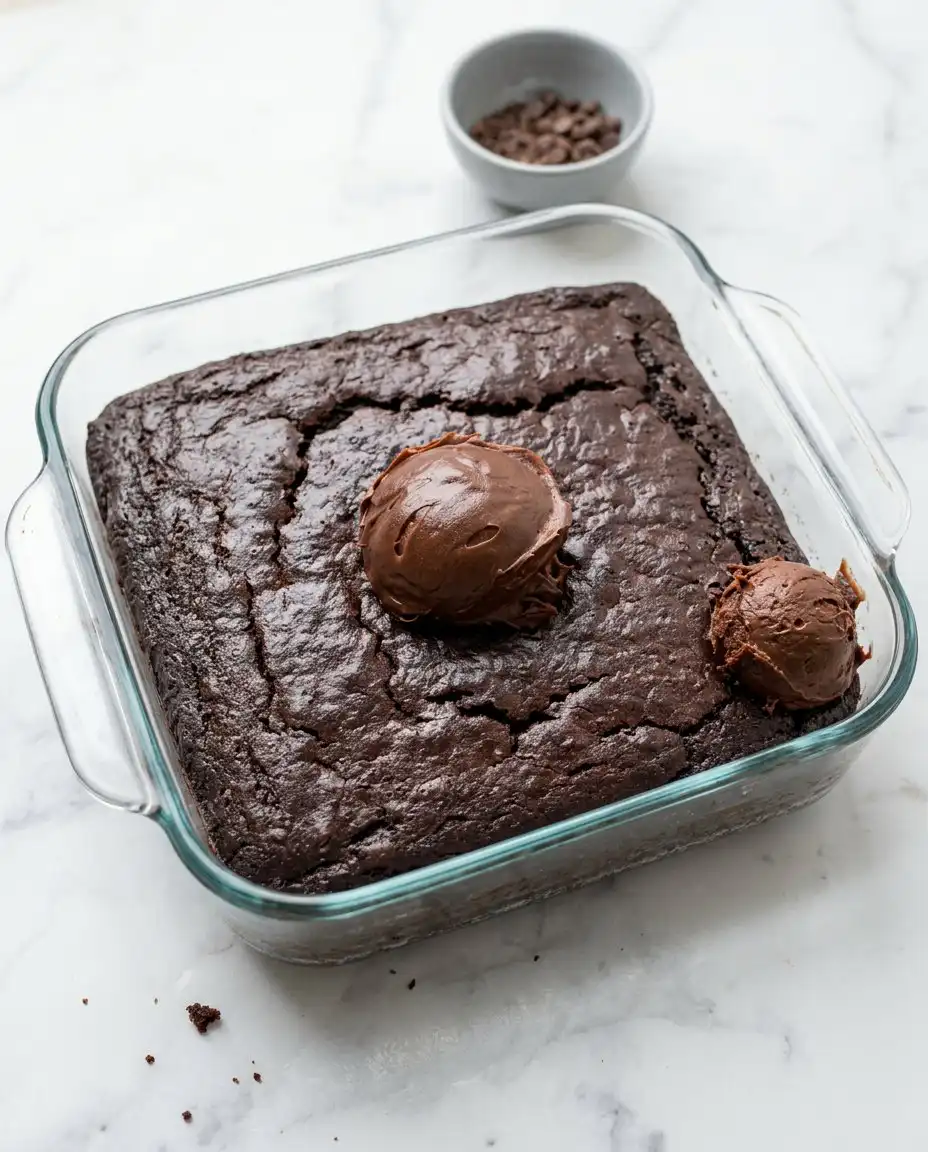
Selecting specific fats and acids determines whether a plant-based cake survives the oven or collapses during cooling. This recipe relies on the chemical interaction between hot coffee, cocoa solids, and the acidity of vegan buttermilk to create a robust structure. Each component plays a specific role in the starch gelatinization and gas expansion needed for a proper rise.
- Grated Zucchini: Provides internal hydration and fiber for a tender, moist crumb.
- Vegan Buttermilk: The acid reacts with leavening agents to produce carbon dioxide.
- Hot Coffee: Blooms the cocoa powder to release concentrated aromatic oils.
- Dairy-Free Yogurt: Adds necessary fats and proteins to mimic egg proteins.
- Cocoa Powder: Provides the structural backbone and deep chocolate flavor profile.
- Brown Sugar: Introduces molasses for moisture and a softer texture.
| Ingredient | Why It Matters |
|---|---|
| Zucchini | Retains moisture through the baking process |
| Hot Coffee | Dissolves cocoa solids and hydrates the flour |
| Vegan Yogurt | Replaces the emulsifying properties of egg yolks |
| Buttermilk | Triggers the leavening reaction with baking soda |
| Cocoa Powder | Contributes to the starch structure of the cake |
How to Bake It, Precisely
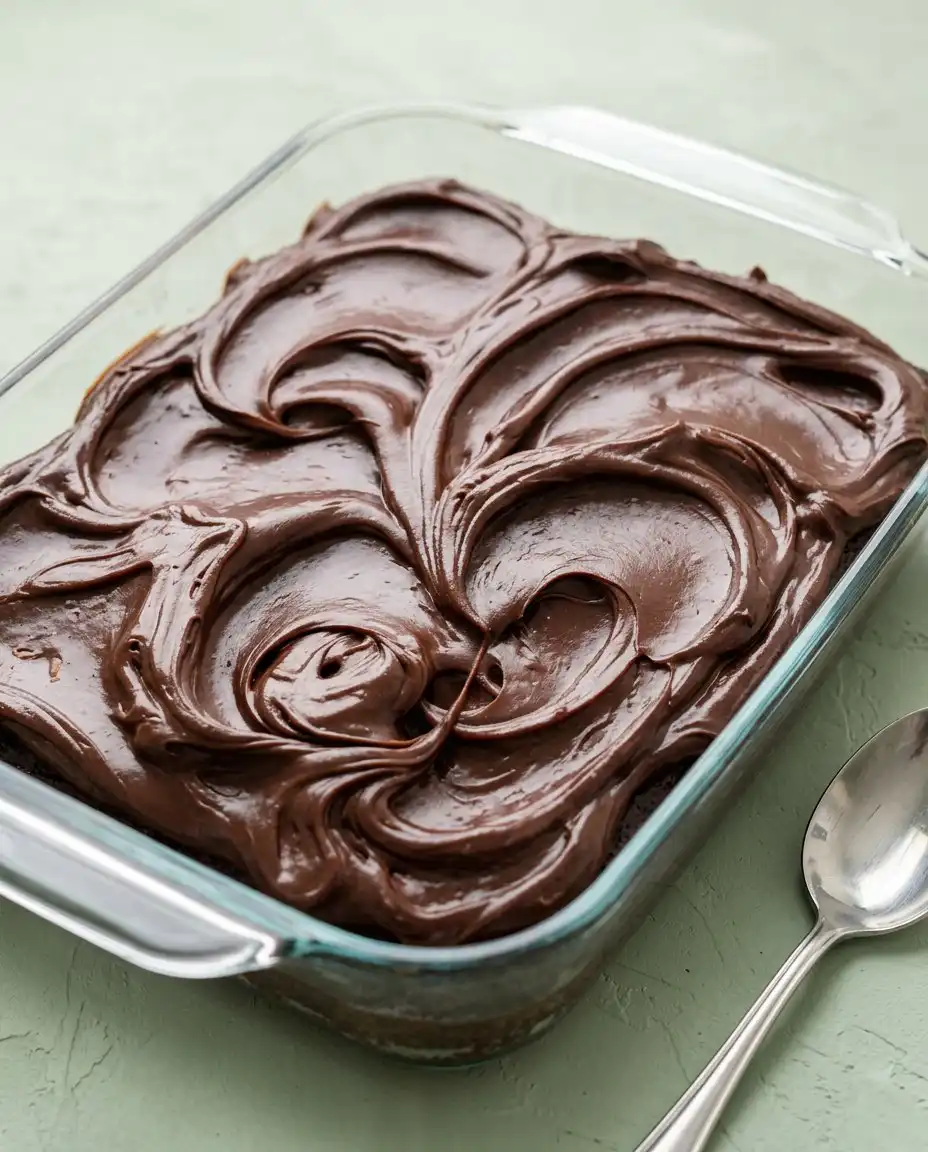
Step 1: Prepare the Pan and Oven
Preheat your oven to 350°F and ensure the rack is positioned in the center to provide even heat distribution. Line a 9×13-inch pan with parchment paper, leaving an overhang on the sides for easy removal after the cooling phase. This physical barrier prevents sticking and allows the edges to set without over-baking from direct metal contact.
Step 2: Extract Excess Moisture from Zucchini
Grate the zucchini using the fine side of a box grater to ensure the vegetable particles are small enough to melt into the batter. Use a clean kitchen towel to pat down the 240g of raw squash until it weighs exactly 170g. Controlling this water content is the most critical variable in preventing a gummy or under-baked cake center.
Step 3: Emulsify the Wet Ingredients
Whisk the melted vegan butter, granulated sugar, brown sugar, and dairy-free yogurt in a large glass bowl until the mixture is uniform. Add the prepared zucchini and whisk for 60 seconds to distribute the fibers evenly throughout the fat and sugar base. This step creates the foundation for the batter and ensures the sugars begin to dissolve before the flour is added.
Step 4: Finalizing the Vegan Chocolate Zucchini Cake Batter
Sift the all-purpose flour, cocoa powder, baking powder, and baking soda directly over the wet mixture to remove any clumps of leavening. Add the room-temperature vegan buttermilk and start whisking from the center outward to slowly incorporate the dry particles. Pour in the hot coffee while the batter is still slightly streaky to help bloom the cocoa and finish the hydration process.
Step 5: Execute the Baking Process
Transfer the batter into your prepared pan and smooth the surface with a silicone spatula to ensure an even height. Bake the cake for 40 to 45 minutes, or until the internal temperature reaches 205°F when measured with an instant-read thermometer. The surface should feel firm to a light touch and a toothpick inserted into the center must come out clean of wet batter.
Step 6: Cool and Stabilize Structure
Allow the cake to rest in the pan for exactly 10 minutes to let the starch structure set as the temperature begins to drop. Move the cake to a wire cooling rack and let it sit for at least 60 minutes until it reaches room temperature. Frosting a warm cake will cause the fat in the frosting to melt, resulting in a thin and oily coating rather than a fluffy finish.
Step 7: Formulate the Sour Cream Frosting
Cream the room-temperature vegan butter for 3 minutes at medium speed until it appears pale and aerated. Add the vegan sour cream and cooled melted chocolate, mixing until the emulsion is stable and glossy. Gradually incorporate the powdered sugar and cocoa powder in small batches to maintain a light, spreadable consistency that holds its shape.
Test Kitchen Notes
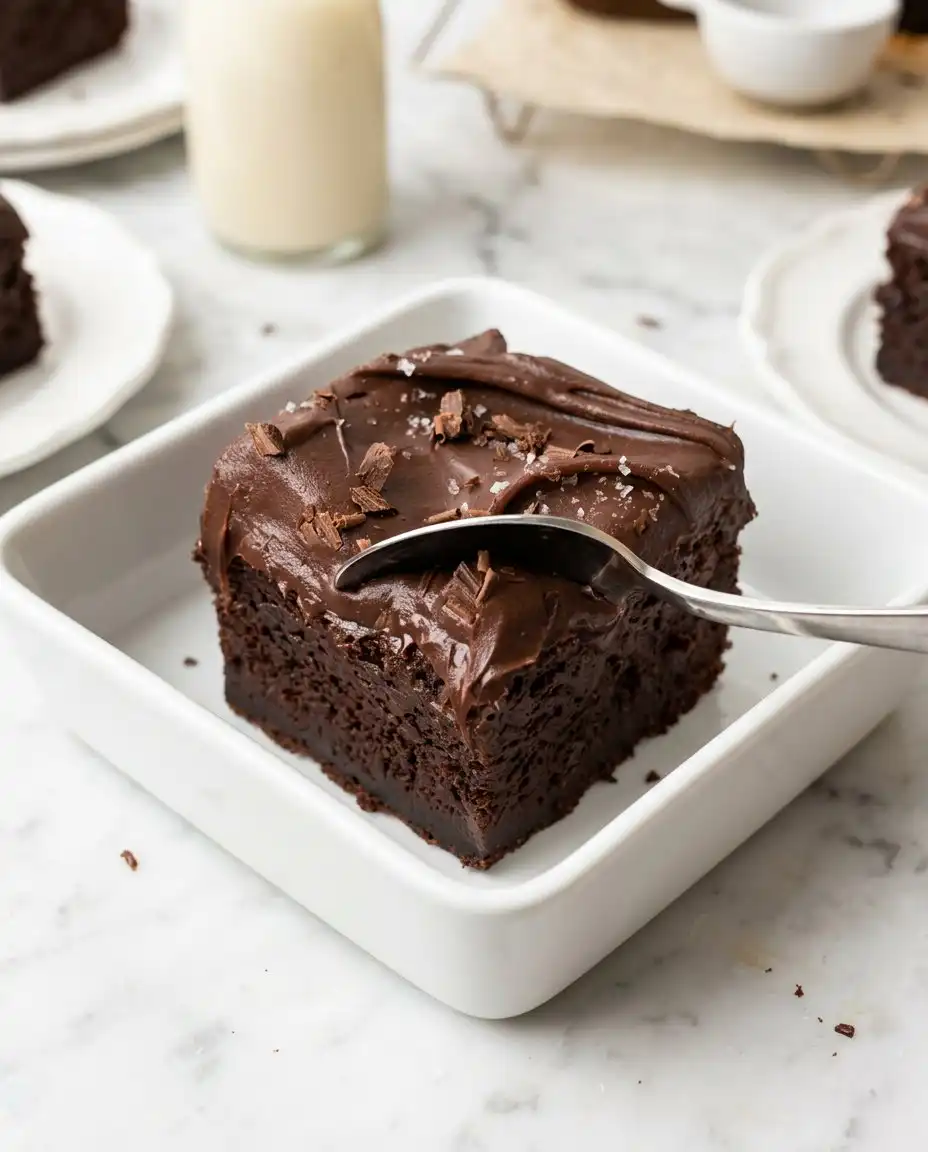
Accuracy in measurement is the primary differentiator between success and failure when working with a moist zucchini cake recipe. We recommend using a digital scale to weigh your flour and zucchini to the gram, as volume measurements can vary by as much as 20 percent. This precision ensures the ratio of liquid to solid remains within the tested parameters for a consistent crumb.
If your cake sinks in the middle, it is likely due to excessive moisture in the zucchini or under-baking. Ensure the squash is patted down to the exact weight specified in the recipe to prevent the steam from collapsing the gluten structure. Always verify your oven temperature with a secondary thermometer to ensure it is actually hitting the 350°F target required for proper rise.
Sifting your cocoa powder is not an optional step because cocoa is naturally hygroscopic and prone to forming hard lumps. These lumps will not dissolve during the short mixing time and can leave bitter pockets of dry powder in the finished cake. Use a fine-mesh sieve for both the cocoa and the powdered sugar in the frosting to achieve a professional, smooth texture.
The temperature of the hot coffee should be between 190°F and 200°F to properly bloom the cocoa solids without scrambling the other ingredients. This heat helps to partially cook the flour starches, which increases the viscosity of the batter and leads to a better rise in the oven. If the coffee is too cold, the chocolate flavor will be less intense and the crumb may be denser than intended.
Avoid over-mixing the batter once the flour is introduced to prevent excessive gluten development, which leads to a tough and bread-like texture. Mix only until the last streaks of flour disappear and then stop immediately to maintain the tender qualities of the cake. A silicone spatula is often better than a whisk for the final stage of incorporation to keep the aeration intact.
Frequently Asked Questions
Can I use yellow squash instead of green zucchini?
Yes, yellow squash is a botanically similar substitute that possesses a comparable water content and fiber structure. The flavor profile will remain unchanged, though you may notice fewer green flecks in the final crumb. Ensure you follow the same pat-down procedure to reach the 170g weight requirement.
How should I store this cake to keep it fresh?
Store the cake in an airtight container in the refrigerator for up to five days to maintain the moisture levels. Because this recipe contains fresh vegetable matter and vegan fats, it is more susceptible to spoilage at room temperature over long periods. Bring individual slices to room temperature before serving for the best texture.
Is it possible to freeze the baked cake layers?
The unfrosted cake layers freeze exceptionally well for up to three months when wrapped tightly in plastic wrap and aluminum foil. Thaw the layers overnight in the refrigerator before applying the frosting to prevent condensation from thinning the cream. This allows for advanced preparation without sacrificing the quality of the final dessert.
What can I use as a substitute for the hot coffee?
If you prefer to avoid caffeine, you can use boiling water or a decaffeinated herbal coffee substitute in the same 240mL measurement. The primary purpose of the liquid is the thermal blooming of the cocoa, though the coffee does enhance the depth of the chocolate flavor. Ensure the liquid is at least 190°F to achieve the same chemical results.
Why did my frosting turn out too soft or runny?
Soft frosting is usually the result of using vegan butter that was too warm or adding the melted chocolate before it had cooled to room temperature. If the frosting is runny, place the bowl in the refrigerator for 15 minutes to firm up the fats, then whip it again. You may also add more sifted powdered sugar in 1/2 cup increments to reach your desired consistency.
Can I make this cake without a digital scale?
While volume measurements are provided, they are significantly less reliable for a precision-based recipe like this one. If you must use cups, use the ‘spoon and level’ method for the flour and pack the zucchini lightly before patting it dry. A digital scale remains the best way to ensure repeatable success every time you bake.
Tested Variations
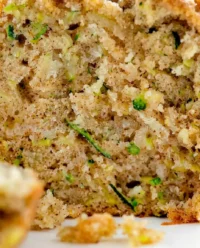
For those who prefer a more portable format, this batter performs exceptionally well when baked as a chocolate zucchini bread in a standard loaf pan. Adjust the baking time to 55-65 minutes and ensure the center is fully set before removal. The denser loaf format highlights the moisture-retaining properties of the zucchini and makes for a sturdy, sliceable snack that resists drying out.
To accommodate gluten-free requirements, a high-quality 1:1 baking flour can be swapped for the all-purpose flour. We recommend using a blend that contains xanthan gum to provide the necessary elasticity that is otherwise missing in vegan and gluten-free baking. This adjustment was tested with modern vegan baking techniques to ensure the cake does not become crumbly or fragile when sliced.
Adding toasted walnuts or dark chocolate chips to the batter can introduce a secondary texture to the soft crumb of the cake. If adding these inclusions, toss them in a tablespoon of flour before folding them into the batter at the very end of the process. This light coating of flour prevents the heavy pieces from sinking to the bottom of the pan during the initial phase of baking.
Finishing & Plating
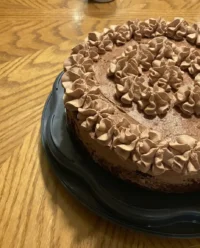
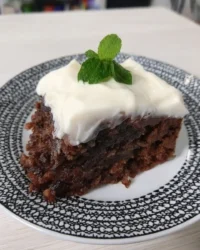
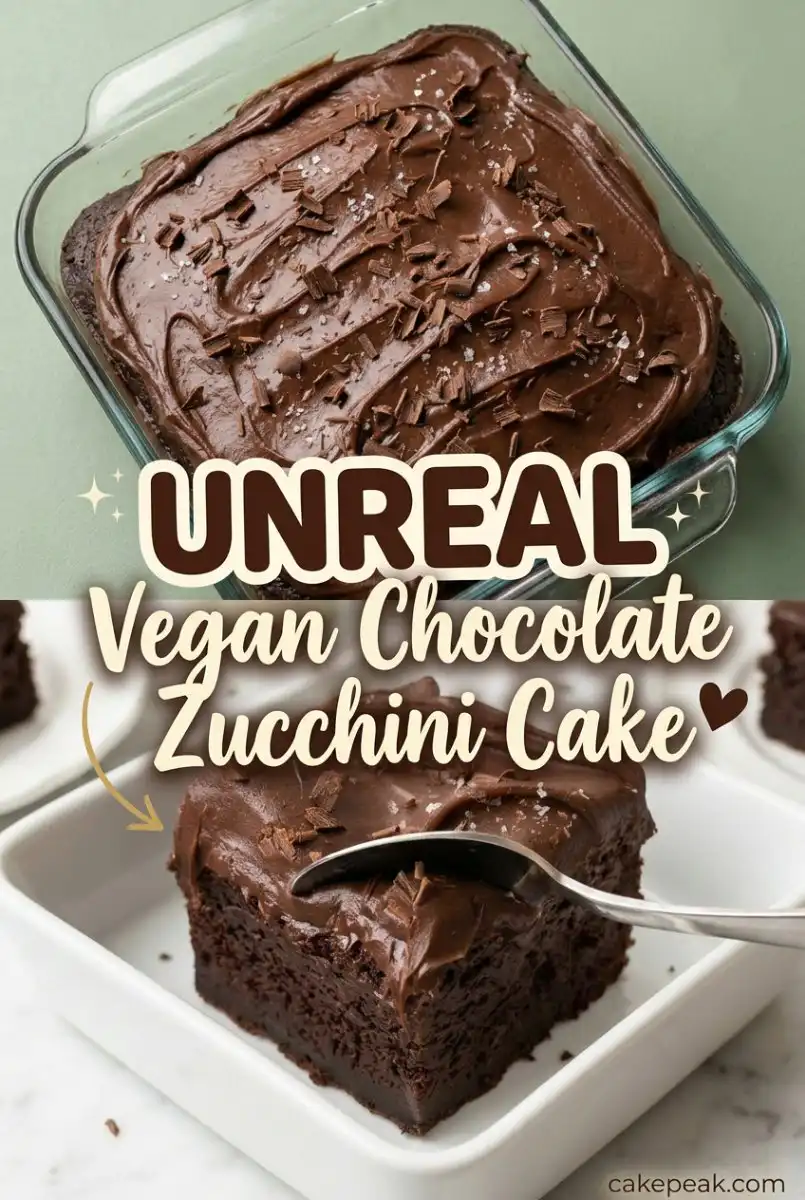
For a formal presentation, serve this cake as a double-layer round cake with generous layers of frosting between the sponges. The dark, rich color of the cake provides a striking contrast when served on white ceramic plates. A light dusting of cocoa powder or a few curls of shaved vegan chocolate on top can provide a professional finish without adding excessive sweetness. You might also consider pairing it with a chocolate lovers zucchini cake for a diverse dessert spread.
This cake is best served at a cool room temperature, approximately 68°F, which allows the fats in the frosting to soften slightly while maintaining the structural integrity of the crumb. If the cake has been refrigerated, let it sit on the counter for 30 minutes before slicing to ensure the flavors are fully expressed. The moisture content makes it a heavy cake, so use a sharp serrated knife to achieve clean, professional slices without crushing the interior.
Accompanying the cake with a side of unsweetened vegan whipped cream or a tart berry coulis can balance the intense richness of the chocolate. The acidity of raspberries or blackberries cuts through the density of the cocoa and highlights the subtle earthy notes of the zucchini. This recipe is sturdy enough for outdoor gatherings, but keep it in the shade to prevent the frosting from losing its shape in the heat.
Final Notes
The success of this Vegan Chocolate Zucchini Cake demonstrates how precise ratios can transform humble vegetables into a sophisticated dessert. By meticulously managing the moisture of the squash and the temperature of the wet ingredients, you create a crumb that is indistinguishable from non-vegan alternatives. This recipe provides a reliable framework for any baker looking to master the science of plant-based textures. If you enjoyed this project, you may want to try our standard chocolate cake recipe for your next event.
Baking is an ongoing experiment, and we invite you to share your results with our community of precision-focused home bakers. Please leave a comment with your observations or any slight adjustments you made to suit your specific kitchen environment. Sharing your data helps everyone improve their techniques and achieve more consistent results in their own test kitchens.
For more technical baking guides and updated recipes, follow us on our social channels. You can find us on Pinterest, Facebook, and Telegram. We regularly post new testing notes and structural troubleshooting tips to help you master the art of the perfect bake every time you preheat your oven.