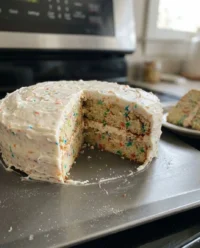
Late August brings a quiet shift in the kitchen, where the heavy afternoon breeze carries the scent of ripening garden zucchini waiting for the warm wood of the cutting board.

In these late summer days, the garden offers more green squash than the crisper drawer can hold. Turning this abundance into a tender, rustic bake is a quiet ritual I look forward to every year. This Zucchini cake with Greek yogurt relies on simple, honest ingredients to create a deeply satisfying texture that feels warm and grounding. By skipping complex decorations and embracing a plain, unhurried finish, we let the natural crumb and seasonal moisture speak entirely for themselves.
Zucchini Cake with Greek Yogurt: A Cake Worth the Season
Prep: 15 min · Serves: 20 · Difficulty: Easy
Baking during the late summer transition is all about respecting the moisture of the harvest. When the afternoon heat begins to soften, the kitchen becomes a sanctuary for transforming heavy garden yields into something light and nourishing. The addition of thick, cultured dairy works in tandem with the grated squash to produce an incredibly soft texture that stays fresh for days on end on the counter. If you appreciate a dessert that does not try too hard to impress with sugary frosting, this honest loaf is exactly what you need.
- Rich crumb that stays moist for days
- Simple rustic preparation using basic bowls
- Peak season garden zucchini shines brightly
- Cultured dairy adds a tender texture
- Ideal for quiet late August afternoons
We often search for ways to preserve the freshness of our garden produce before the first autumn frost arrives. This moist zucchini cake recipe offers a beautiful path forward, requiring nothing more than a box grater and a couple of reliable loaf pans. It feels honest, tastes of the soil and the sun, and honors the natural rhythm of our kitchen gardens.
This rustic loaf is the only cake my kitchen needs when summer begins to fade into autumn.
Get The Full Cake Recipe
Print
Zucchini Cake with Greek Yogurt
- Total Time: 1 hour 15 mins
- Yield: 20 slices
- Diet: Vegetarian
Description
This rustic, tender zucchini cake combines fresh grated squash with tangy Greek yogurt and warming cinnamon for a deeply satisfying, moist loaf. It is a simple, honest bake that perfectly celebrates the bounty of a late summer garden.
Ingredients
- 2 cups grated zucchini
- 1/2 cup extra light olive oil
- 1 cup Greek yogurt
- 2 large farm-fresh eggs
- 1 1/2 cups granulated sugar
- 1 teaspoon vanilla extract
- 2 cups all-purpose flour
- 1 teaspoon baking powder
- 1/2 teaspoon baking soda
- 1/2 teaspoon sea salt
- 1 teaspoon ground cinnamon
- 1/2 cup chopped walnuts (optional)
Instructions
- Prepare loaf pans. Preheat oven to 350°F, grease two metal loaf pans with cold butter, and line with parchment paper leaving an overhang for easy removal.
- Whisk dry ingredients. In a large ceramic bowl, combine the flour, baking powder, baking soda, salt, and cinnamon until uniform in color.
- Blend wet base. In a separate bowl, whisk together the eggs, olive oil, sugar, and vanilla extract until the mixture is smooth, glossy, and pale yellow.
- Combine mixtures. Slowly fold the dry flour mixture into the wet egg base using a wooden spoon or spatula, stirring only until no dry streaks remain.
- Fold in extras. Gently fold in the grated zucchini and chopped walnuts until the batter reaches a pourable consistency.
- Bake and cool. Divide the batter between pans and bake for 50 to 60 minutes until golden and split on top; cool in pans for 10 minutes before transferring to a wire rack.
Notes
- Use small to medium-sized zucchini for the best texture as they contain fewer seeds and less excess water.
- Always ensure your eggs and yogurt reach room temperature before mixing to prevent the olive oil from clumping.
- Avoid over-mixing the batter once the flour is added to ensure the cake remains light rather than tough or dense.
- Metal loaf pans provide superior heat conduction compared to glass or stoneware, ensuring an even rise and golden crust.
- Let the cakes cool completely on a wire rack for at least two hours to allow the crumb structure to set properly.
- Prep Time: 15 mins
- Cook Time: 60 mins
- Category: Dessert
- Method: Baking
- Cuisine: American
Honest Ingredients
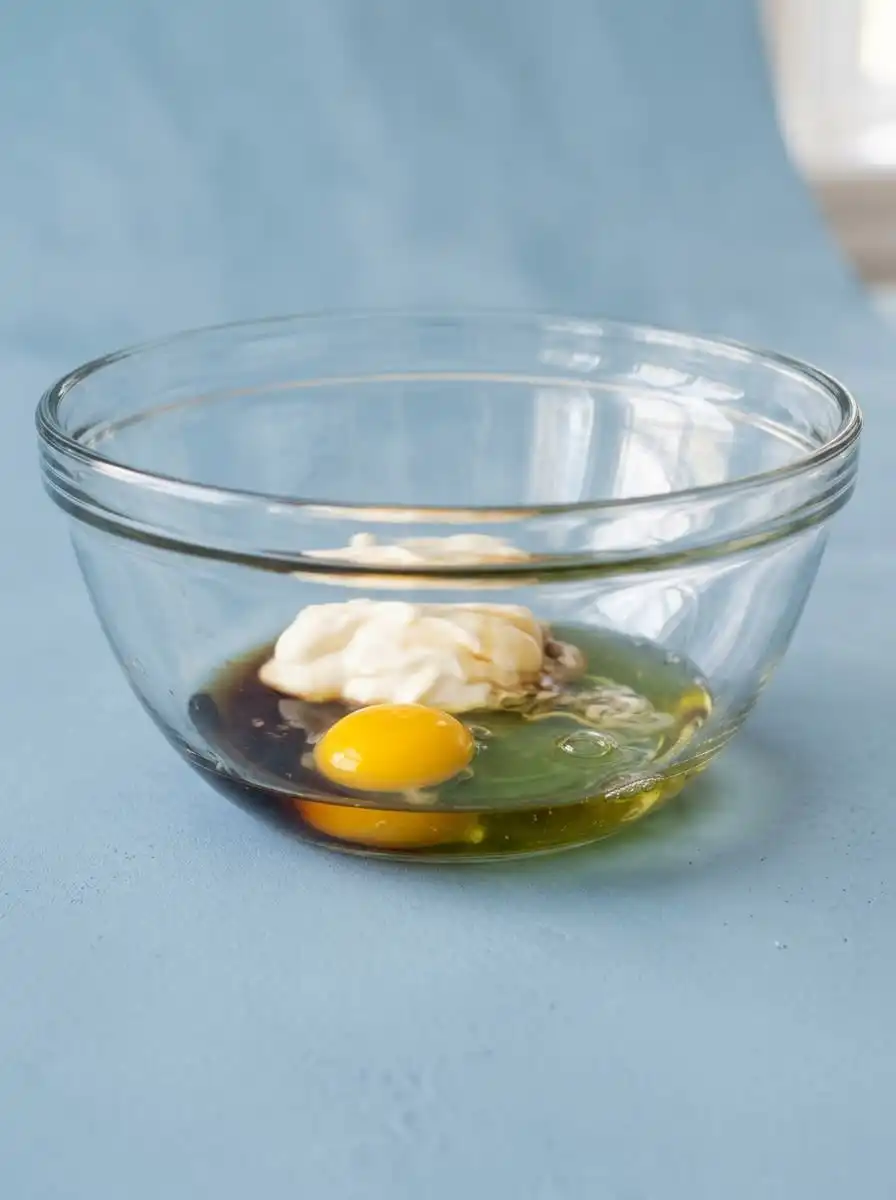
When the harvest is abundant, we must let the natural qualities of our produce guide the mixing bowl. Selecting ingredients at their seasonal peak means we do not need artificial flavorings or elaborate techniques to achieve a deep, comforting taste.
Each element in this recipe plays a specific role in balancing moisture, structure, and spice.
- Grated Zucchini: This garden staple provides essential moisture and gorgeous green specks throughout the crumb. Choose medium squash with thin skins, as they contain the ideal balance of water and tender flesh.
- Extra Light Olive Oil: A neutral oil coats the flour proteins, keeping the crumb exceptionally tender without adding heavy, competing flavors.
- Greek Yogurt: Thick, strained yogurt brings a gentle acidity that tenderizes the gluten and adds a subtle, pleasant tang.
- Farm-Fresh Eggs: Deep orange yolks from pasture-raised hens give the batter its rich structure and warm, golden hue.
- Granulated Sugar: Beyond sweetening, sugar locks in moisture to keep the baked loaves soft for several days.
- Ground Cinnamon: This classic kitchen spice adds a comforting aroma that pairs beautifully with the earthy tones of the squash.
- All-Purpose Flour: A sturdy base that holds the heavy grated squash in suspension as the cake rises in the oven.
- Chopped Walnuts: These optional additions bring a rich, woody crunch that contrasts the soft, pillowy crumb of each slice.
| Ingredient | Why It Matters |
|---|---|
| Grated Zucchini | Provides natural moisture and structural body |
| Greek Yogurt | Tenderizes the gluten and adds subtle tang |
| Olive Oil | Keeps the loaf soft for several days |
| Ground Cinnamon | Offers comforting spice and rustic aroma |
| Farm-Fresh Eggs | Gives structural support and richness |
Finding the right balance of dry and wet ingredients is the key to rustic baking success. Using a simple wooden spoon to stir these honest elements together creates a batter that feels alive and full of potential. The green flecks of squash look beautiful against the golden, cinnamon-speckled background as you prepare the pans.
A Slow, Steady Bake
Step 1: Prepare Your Loaf Pans
Preheat your kitchen oven to 350°F so it reaches the proper temperature before the batter is ready. Take a block of cold butter and rub it generously over the interior surfaces of two metal loaf pans. Cut a sheet of brown parchment paper to fit the bottom and sides, leaving a slight overhang to act as a sling for lifting the baked loaves later.
Step 2: Whisk the Dry Ingredients
Set a wide ceramic mixing bowl on your wooden cutting board to hold the dry base. Measure the flour, baking powder, baking soda, sea salt, and ground cinnamon into the bowl with care. Use a wire whisk to combine them, watching for the cinnamon to distribute evenly until the mixture takes on a uniform, sandy-beige color.
Step 3: Blend the Wet Base
In a separate, larger bowl, crack the room-temperature farm eggs and pour in the extra light olive oil. Whisk these together with the granulated sugar and vanilla extract until the mixture is completely smooth and slightly thickened. The liquid should look glossy and pale yellow, showing that the sugar has begun to dissolve into the eggs.
Step 4: Combine Wet and Dry Mixtures
Slowly tip the dry flour mixture into the bowl containing your sweet, golden egg base. Use a sturdy wooden spoon or rubber spatula to stir the two together, using gentle circular motions from the bottom upward. The batter will become quite thick and heavy, but stir only until the dry streaks of flour disappear.
Step 5: Fold the Zucchini Cake with Greek Yogurt Batter
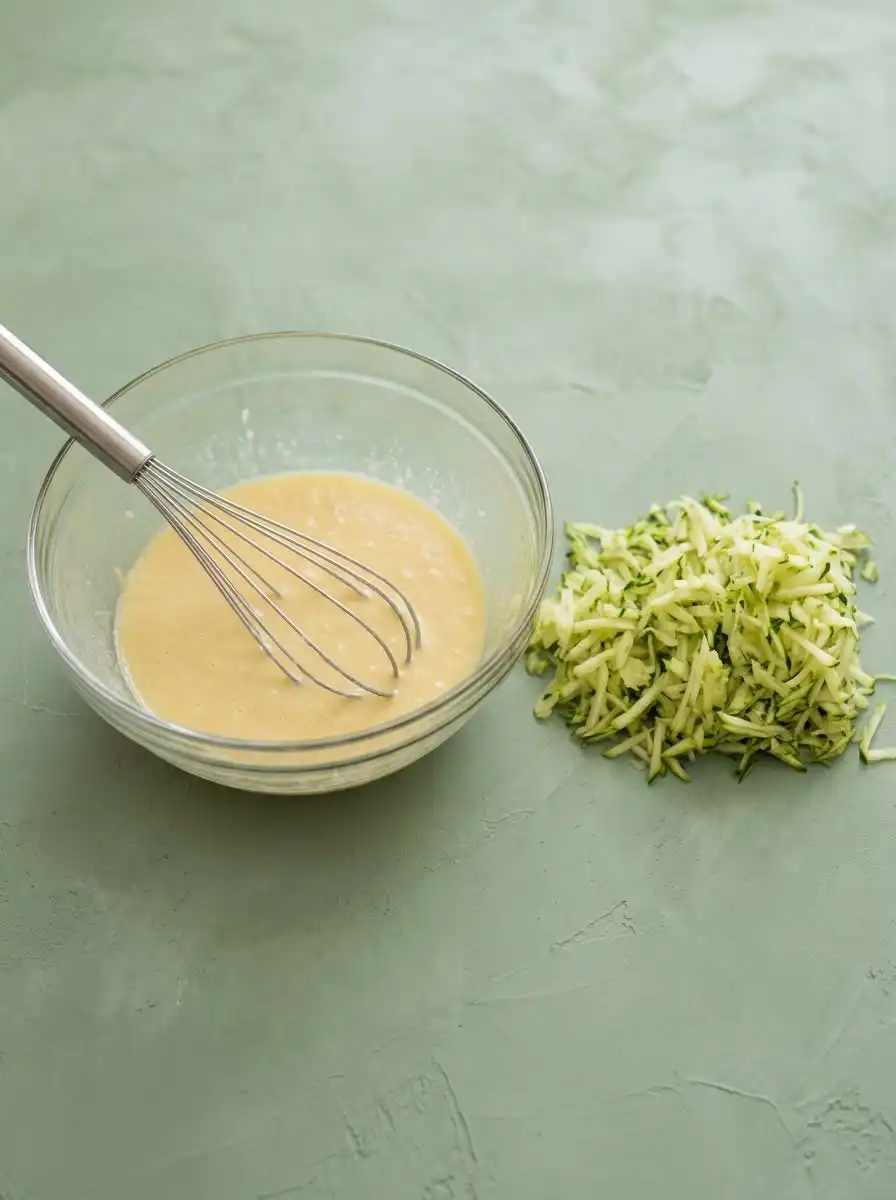
Grate your fresh green squash directly onto a clean linen towel using the large holes of a box grater. Scatter the grated shreds along with the chopped walnuts over the top of your thick batter. Fold them in gently with a spatula, watching the moisture from the squash naturally loosen the batter into a consistency that can be easily poured.
Step 6: Bake and Cool
Divide the finished batter evenly between your two prepared metal loaf pans, smoothing the tops with the back of a spoon. Slide them onto the middle rack of your preheated oven and bake for fifty to sixty minutes until the tops are deeply golden and split. Let the loaves rest in their pans on the counter for ten minutes before using the parchment sling to transfer them to a wire rack to cool completely.
What I’ve Learned at the Counter
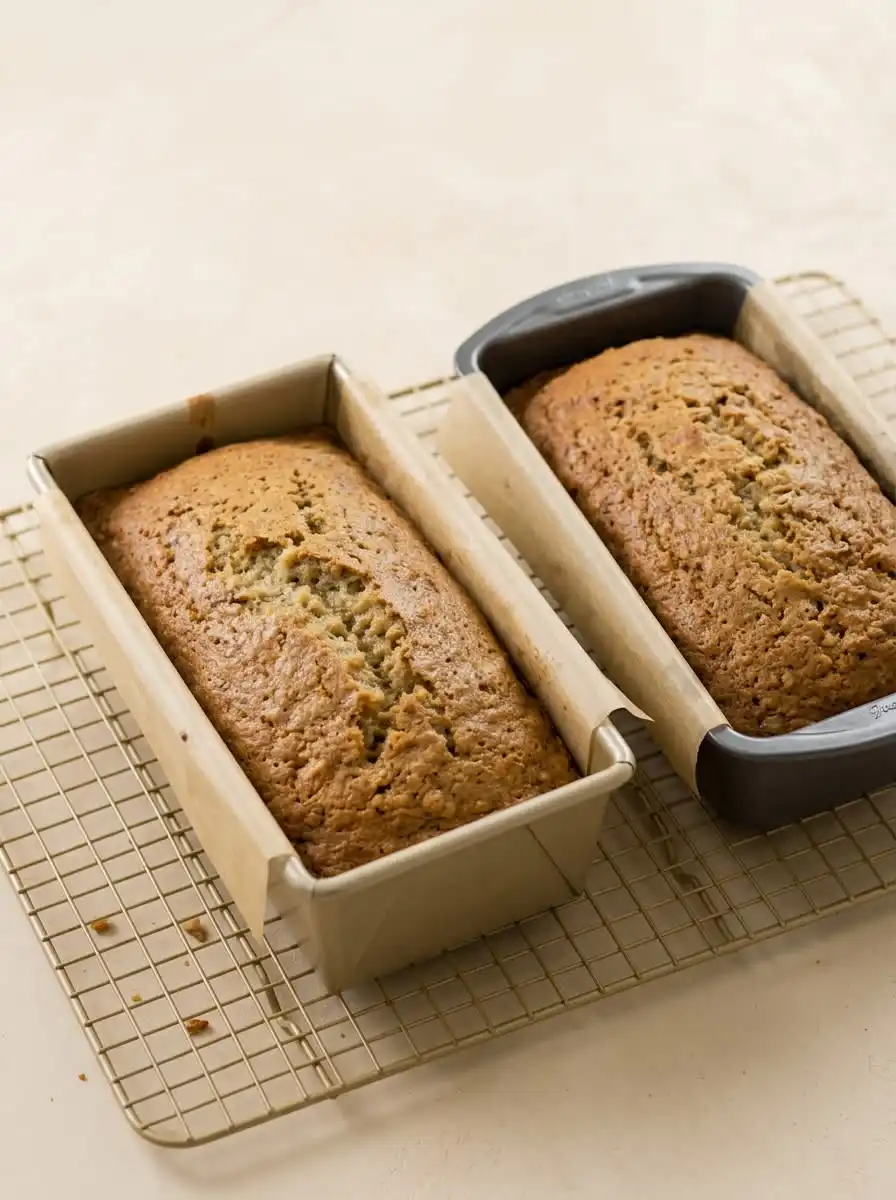
Baking with garden squash requires an understanding of how moisture moves during the oven rise. If your zucchini cake with Greek yogurt turns out dense or gummy, the culprit is often too much liquid or under-baking. To fix this, always make sure your oven temperature is accurate with a small thermometer, and never pack the grated squash into your measuring cups. For classic inspiration, you can read about traditional rustic zucchini baking techniques to understand how different climates affect the moisture levels of freshly harvested garden vegetables.
Choosing the right size of squash makes a substantial difference in the final texture of your loaf. Small to medium zucchini contain far less water and fewer woody seeds than the giant specimens that hide under the leaves in late August. If you must use a large squash, slice it lengthwise and scrape out the spongy center and seeds before grating the firm outer flesh.
Room temperature ingredients are essential for creating a smooth emulsion when mixing your wet base. Cold eggs or cold dairy will cause the olive oil to clump, leading to an uneven distribution of fat and a coarser crumb. Set your eggs and yogurt on the counter for at least thirty minutes before you begin measuring your flour.
Always bake your loaves in metal pans rather than glass or stoneware for the best heat conduction. Metal heats up quickly and evenly, helping the heavy batter rise fully and forming that beautiful, split top that defines a rustic bake. If you prefer a richer flavor profile with a velvety finish, consider pairing this loaf with a classic zucchini cake cream cheese frosting after it has cooled entirely on the windowsill.
Letting the cake cool completely is the hardest but most important step of the entire process. Cutting into a warm loaf releases the trapped steam too early, which can make the interior crumb feel damp and sticky. Give the loaves at least two hours on a wire rack to set their structure and allow the spices to deepen.
Frequently Asked Questions
Do you have to squeeze the water out of zucchini for cake?
No, you should not squeeze the moisture out of the grated squash for this specific recipe. The dry ingredients are carefully balanced to absorb the natural liquid released by the zucchini as it bakes in the oven. Squeezing the squash will result in a dry, crumbly cake that lacks the characteristic tenderness of a rustic loaf.
Should you peel zucchini for cake?
There is no need to peel the zucchini before grating it for your batter. The skin is incredibly thin and tender, melting into the cake during the baking process while leaving beautiful green flecks behind. Peeling only robs the loaf of its rustic character and the natural fiber found in the skin.
Why is my zucchini cake dense or gummy?
A dense or gummy texture usually happens when the flour is over-mixed or the cake is pulled from the oven too early. Over-mixing develops the gluten too much, creating a tough structure rather than a soft crumb. Always test the center of your loaves with a wooden toothpick to make sure it comes out clean before cooling.
What can I substitute for Greek yogurt in a cake?
If you do not have thick yogurt on hand, full-fat sour cream makes an excellent substitute with a similar moisture level and acidity. Sour cream will provide the same tenderizing benefits and rich flavor to the crumb. You can also use traditional buttermilk, though you may need to reduce the quantity slightly to keep the batter thick.
Does Greek yogurt make cake better?
Using cultured dairy like yogurt significantly improves the texture and shelf life of your rustic baked goods. The acidity helps break down tough gluten strands, resulting in a remarkably soft and delicate crumb. It also adds a subtle layer of tang that balances the sweetness of the sugar.
Can you taste the zucchini in the cake?
The zucchini itself has an incredibly mild flavor that completely disappears into the background of the baked loaf. It serves primarily as a source of moisture and texture rather than strong flavor. What you will actually taste is the warm cinnamon, sweet vanilla, and rich olive oil base.
How should I store this rustic cake to keep it fresh?
Keep your cooled loaves wrapped tightly in parchment paper or clean linen towels on the kitchen counter for up to three days. For longer storage, you can slice the cake and freeze the individual portions on a baking sheet before transferring them to a container. This method allows you to warm a single slice in the oven whenever you want a quiet farmhouse treat.
What Else the Season Offers
When the summer garden transitions into early autumn, our baking can adapt to reflect the changing orchard harvest. You can easily swap half of the grated squash for grated tart apples or firm pears to bring a rustic sweetness to the loaf. This modification pairs beautifully with a pinch of ground nutmeg or ginger, matching the cooling evening temperatures of September.
For those afternoons when you crave a deeper flavor, turning this into a chocolate treat is a wonderful path. Mixing in a half cup of dark chocolate chips or Dutch-process cocoa powder creates a rich contrast with the green squash. If this idea appeals to your kitchen, you can try making a double chocolate zucchini cake to satisfy those rich chocolate cravings while keeping the same tender moisture.
Another lovely option is to introduce citrus notes to brighten the earthy undertones of the batter. Stirring a tablespoon of fresh lemon zest into the sugar before whisking the eggs adds a clean, sunny aroma that cuts through the richness of the olive oil. This simple addition makes the loaf feel light and refreshing, perfect for serving alongside a glass of cold well water.
Bringing It to the Table
Serving a rustic loaf should be as unhurried as the baking process itself. Place the cooled cake on a plain wooden cutting board in the center of your table, allowing guests to cut their own thick slices. The edges crack — that’s rustic charm, and there is no need to hide those beautiful, uneven lines under a heavy layer of frosting.
A slice of this cake pairs wonderfully with a warm beverage during a quiet afternoon break. Pour a cup of black tea or light roast coffee, allowing the warmth of the drink to highlight the cinnamon notes in the crumb. If you enjoy a bright citrus contrast, consider serving this alongside a slice of lemon yogurt cake to offer your guests a choice of seasonal flavors.
For a slightly richer treat, serve each slice with a simple dollop of unsweetened whipped cream or a smear of salted farmhouse butter. The slight saltiness of the butter cuts through the sweetness of the loaf, creating a balanced bite that feels like a true farmhouse lunch. Keep the presentation simple, using plain white plates and linen napkins to let the natural beauty of the food lead the way.

From the Farmhouse
Baking through the seasons reminds us of the value of patience and simple, honest ingredients. This zucchini cake with Greek yogurt is a celebration of that philosophy, turning a common garden vegetable into a source of quiet comfort. Let the season write the recipe, and do not worry about making each slice look uniform or immaculate on the plate.
As the cooler autumn evenings begin to draw in, taking the time to measure flour and grate squash connects us to the land and to those who baked before us. If you enjoyed this slow approach to baking, you might also like to try our comforting zucchini spice cake for your next kitchen project. It carries those same warm spices and rustic textures that make farmhouse baking so deeply rewarding.
I invite you to dust off your loaf pans, visit your local farmers market, and share a warm slice with someone you love. You can connect with our community of home bakers and share photos of your rustic bakes on our Pinterest page, or join the conversation with us on Facebook. We would love to hear how this recipe brings a little bit of farmhouse comfort to your own kitchen table.