This French masterpiece relies on the thermal properties of chocolate and the structural stability of almond sponge to maintain its distinctive layers through multiple chilling cycles.

The Opera Cake is a precision-engineered dessert that balances high-fat buttercream against a porous, coffee-soaked Joconde sponge. My testing focuses on the exact temperature of the chocolate glaze to ensure a mirror-like finish without melting the delicate layers beneath. This recipe provides a repeatable method for achieving the classic six-layer profile found in Parisian patisseries. Every step in this process serves a specific structural purpose to ensure the final slice remains upright and aesthetically sharp.
Why This Opera Cake Recipe Works
Prep: 150 min · Serves: 10 · Difficulty: Advanced
- Structured layers remain distinct and stable.
- Precision ratios ensure a balanced flavor profile.
- Clear technical cues prevent assembly failures.
- The coffee syrup provides deep moisture saturation.
- Professional results come from methodical temperature control.
Precision creates consistency for this complex French classic that mimics a professional tiramisu cake in its depth of flavor.
Get The Full Cake Recipe
Print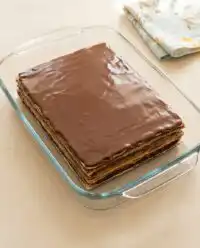
Opera Cake
- Total Time: 165 mins
- Yield: 10 servings
Description
Experience the sophistication of a classic French Opera Cake, featuring delicate layers of coffee-soaked Joconde sponge, silky coffee buttercream, and intense dark chocolate ganache. This precision-focused recipe ensures structural integrity and a mirror-like glaze for a professional patisserie result.
Ingredients
- Whole eggs
- Powdered sugar
- Almond flour
- All-purpose flour
- Melted butter
- Granulated sugar
- Water
- Ground coffee
- Cognac
- Milk
- Egg yolks
- Dark chocolate (58% couverture)
- Heavy cream
- Vegetable oil
Instructions
- Prepare the sponge. Whisk whole eggs and powdered sugar for 8 minutes until ribbon stage, then gently fold in almond flour, all-purpose flour, and melted butter.
- Bake the layers. Spread batter onto two lined sheet pans to 5mm depth and bake at 410ºF for 6 to 7 minutes until springy.
- Infuse coffee syrup. Simmer water and granulated sugar, stir in ground coffee to steep for 15 minutes, strain, and whisk in cognac after cooling to 105ºF.
- Create coffee buttercream. Temper egg yolks with hot coffee-infused milk, cook until thickened to coat a spoon, cool to 70ºF, and whip into soft butter.
- Master the ganache. Melt chocolate to 115ºF and incorporate warm 110ºF heavy cream in four stages to create a smooth, glossy emulsion.
- Assemble the cake. Brush sponge with coffee syrup, spread half of the ganache, top with second sponge, and repeat with buttercream and final sponge layers.
- Glaze the cake. Combine melted chocolate and oil, then pour over the chilled cake, spreading swiftly in one motion with an offset spatula.
- Perform precision cuts. Chill for 60 minutes, then use a hot, dry knife to trim edges and slice into even rectangles for a clean profile.
Notes
- Ensure all ingredients are at the recommended temperatures to prevent buttercream from breaking during emulsion.
- Fold flour mixtures into egg foam strictly until no dry streaks remain to preserve the sponge’s essential air pockets.
- Use a dedicated offset spatula to apply the mirror glaze in one smooth, continuous motion to avoid uneven layering.
- Always use a hot, clean knife wiped dry between every single cut to prevent smearing the distinct internal layers.
- Prep Time: 150 mins
- Cook Time: 15 mins
- Category: Dessert
- Method: Baking
- Cuisine: French
The Working Components
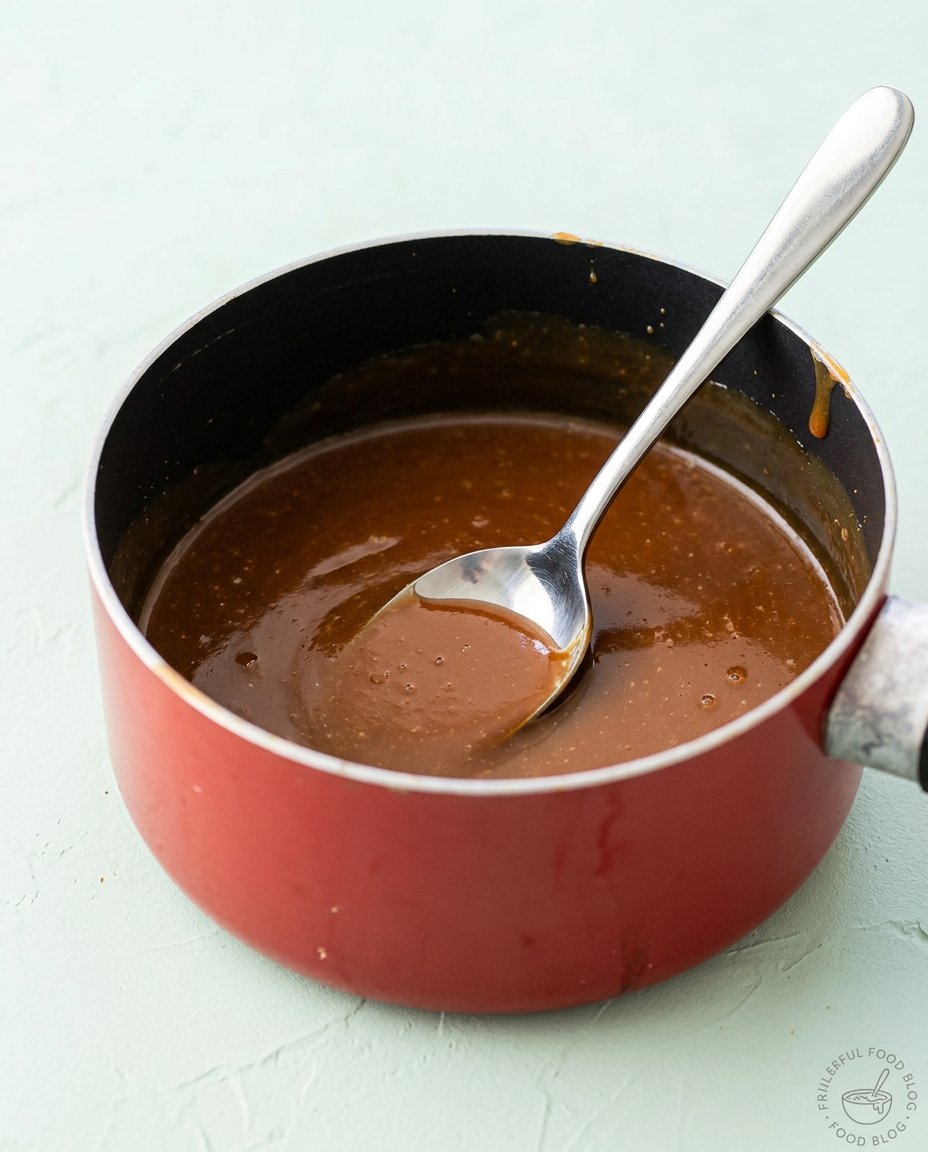
Successful baking starts with high-quality lipids and stabilizers to manage the cake’s structural integrity. We weigh every component to ensure the ratio of fat to moisture supports the weight of the ganache without causing the Joconde to compress or leak syrup. Each element must be at the specific temperature indicated to achieve the correct emulsion and crumb structure.
- Almond flour: Provides the essential protein and fat for a flexible sponge.
- Dark chocolate: We use 58% couverture for ideal melt and snap.
- Espresso powder: Concentrated coffee flavor is critical for the buttercream profile.
- Unsalted butter: High-fat European butter ensures a silky, stable buttercream emulsion.
- Large eggs: These provide the leavening and structural bind for the layers.
- Cognac: This alcohol acts as a flavor carrier in the coffee syrup.
| Ingredient | Why It Matters |
|---|---|
| Almond Flour | Structural flexibility and distinct nutty flavor profile |
| 58% Dark Chocolate | Balanced acidity and stable crystallization for the glaze |
| High-Fat Butter | Ensures the buttercream holds its shape at room temperature |
| Granulated Sugar | Tenderizes the crumb and stabilizes the egg white foam |
How to Bake It, Precisely
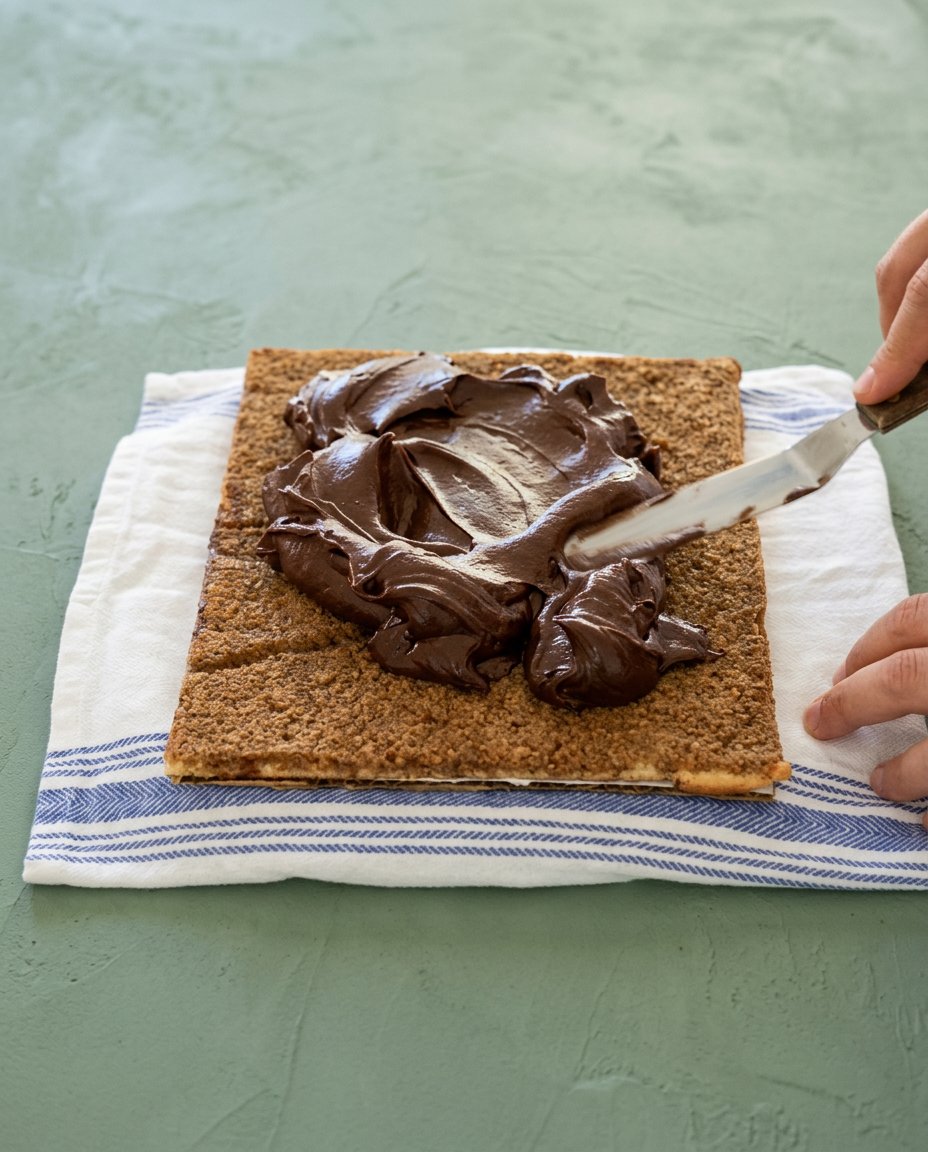
Step 1: Prepare the Joconde Sponge
Whisk the whole eggs and powdered sugar for 8 minutes at medium-high speed until the mixture reaches the ribbon stage. Sift the almond flour and all-purpose flour over the egg mixture, then fold them in gently using a silicone spatula to maintain the air pockets. The batter should feel light and look voluminous before you fold in the melted butter to ensure the sponge stays flexible after baking.
Step 2: Bake Your Opera Cake for Optimal Texture
Spread the batter onto two lined sheet pans in a thin, even layer that measures approximately 5 millimeters in depth. Bake at 410ºF (210ºC) for 6 to 7 minutes until the surface feels springy and the edges show a light golden hue. Overbaking will lead to a brittle sponge that cannot absorb the coffee syrup, so monitor the oven closely during the final two minutes.
Step 3: Infuse the Coffee Syrup
Combine the water and granulated sugar in a small saucepan and bring the mixture to a simmer at 212ºF (100ºC) to dissolve all crystals. Remove the pan from the heat and stir in the ground coffee, allowing it to steep under a lid for 15 minutes to extract the full flavor profile. Strain the liquid through a fine-mesh sieve and whisk in the cognac once the syrup has cooled to 105ºF to prevent the alcohol from evaporating.
Step 4: Emulsify the Coffee Buttercream
Heat the milk and ground coffee until simmering, then steep for 15 minutes and strain to create a concentrated coffee base. Whisk the egg yolks and sugar until pale, then slowly temper in the hot coffee milk to create a custard base. Return the mixture to low heat and stir constantly until it thickens enough to coat the back of a spoon, then cool it to 70ºF before whipping it into the soft butter.
Step 5: Master the Chocolate Ganache
Melt the dark chocolate over a double boiler until it reaches 115ºF, ensuring no water contact occurs with the chocolate. Warm the heavy cream separately to 110ºF and incorporate it into the chocolate in four stages, stirring from the center outward to create a glossy emulsion. If the ganache looks grainy, the temperature has dropped too low; warm it slightly to restore the smooth, pourable consistency required for layering.
Step 6: Assemble the Internal Layers
Brush the first layer of sponge with 25% of the coffee syrup until it is saturated but not dripping. Spread half of the chocolate ganache in a 3-millimeter layer and top with the second sponge, pressing firmly to remove any air gaps. Repeat this process with the coffee buttercream and the remaining sponge layers, ensuring each surface is level before moving to the next component.
Step 7: Apply the Final Glaze
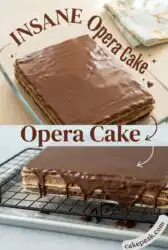
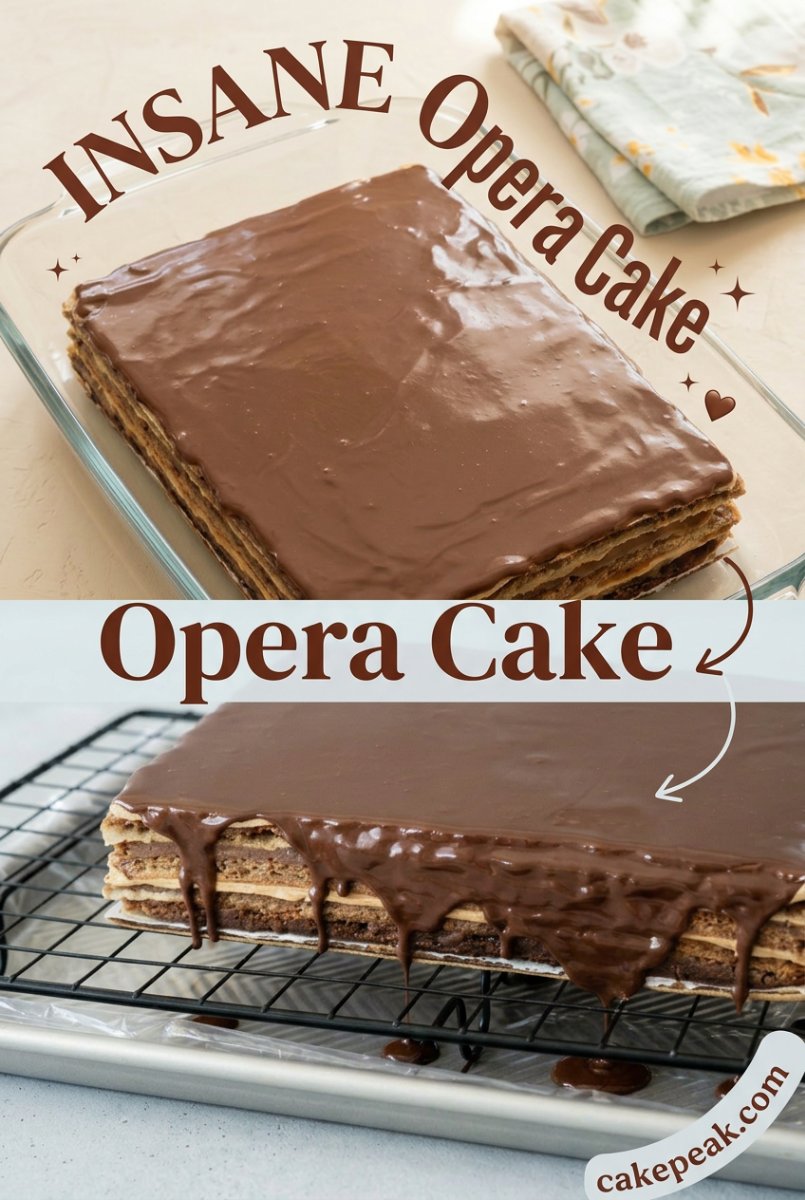
Combine the melted chocolate and oil to create a thin, pourable glaze that will snap cleanly when sliced. Pour the glaze over the chilled cake and use an offset spatula to spread it in a single, swift motion from one end to the other. You must work quickly as the cold buttercream beneath will cause the chocolate to set within 30 seconds, preventing further smoothing.
Step 8: Execute the Precision Cut
Chill the assembled cake for at least 60 minutes to ensure the fats have fully crystallized and the layers are stable. Heat a long, thin knife in hot water and wipe it completely dry before making each cut to achieve the signature sharp edges. Trim the outer 5 millimeters from all four sides of the cake to reveal the clean, distinct lines of the six internal layers.
What the Data Showed
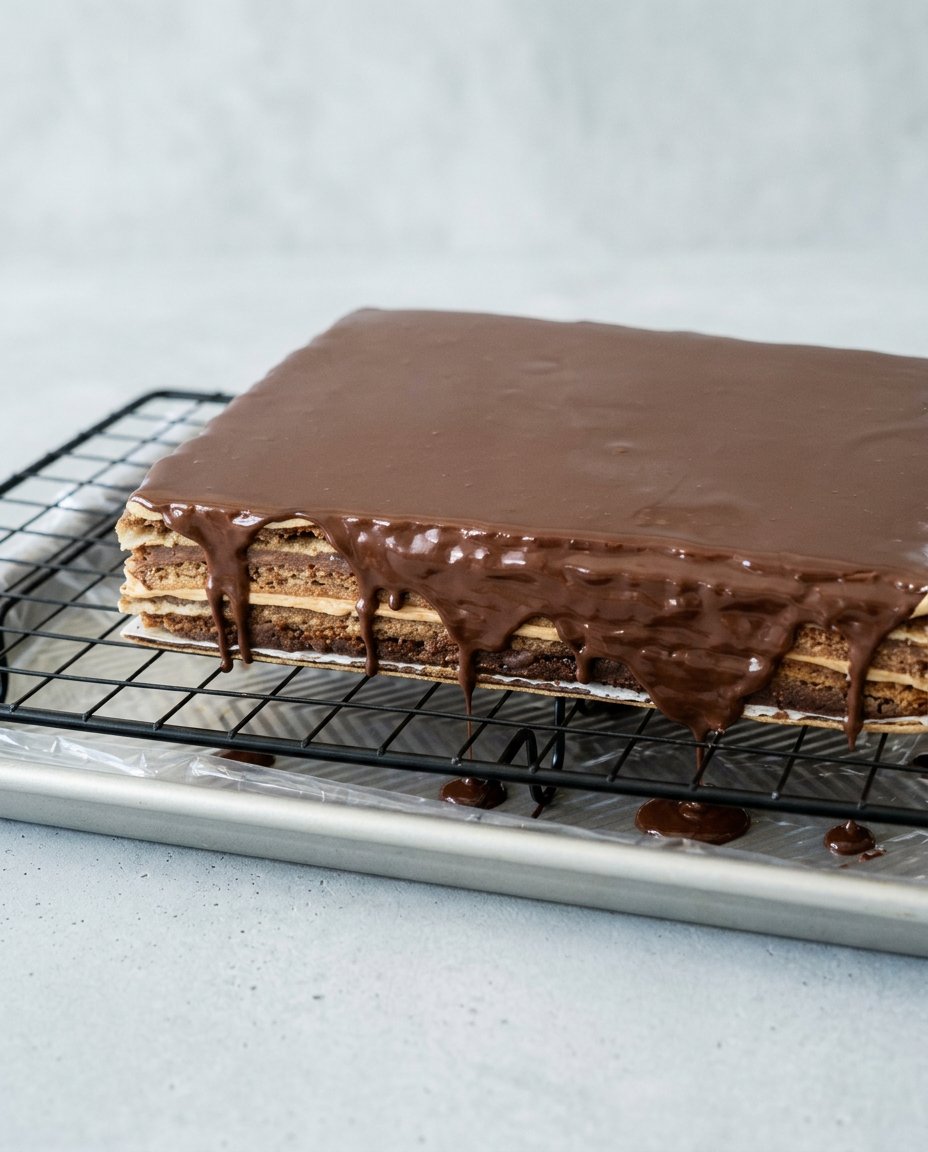
Temperature control is the primary factor in determining the success of the Opera Cake assembly. If your buttercream breaks or looks curdled, the butter was likely too cold; you can fix this by gently warming the bowl over simmering water for 10 seconds and re-whipping. Maintaining a consistent 70°F for the butter and the custard base ensures a stable emulsion that will not collapse under the weight of the sponge.
We tested different flour types and found that a finely milled almond flour is essential for the sponge cake 2 base to avoid a gritty texture. If your sponge appears dense, you likely over-folded the flour, which deflated the air pockets created by the whipped eggs. Ensure you stop folding as soon as no dry streaks of flour remain to preserve the delicate lift needed for a light crumb.
To prevent the coffee syrup from pooling on top of the sponge, use a knife to make shallow, vertical incisions across the surface before brushing. This technique allows the liquid to penetrate the dense protein structure of the Joconde quickly and evenly. If the syrup sits on the surface, the next layer of buttercream will slide off during the assembly process, ruining the structural alignment.
Consistent slicing requires a blade that is hotter than the chocolate glaze but cooler than the buttercream’s melting point. We recommend heating the knife to approximately 105°F for the cleanest results through all six layers. Wipe the blade between every single cut to remove fat residue, which otherwise creates smearing between the dark ganache and the light buttercream.
If the chocolate ganache becomes too firm to spread, do not microwave it on high power as this will scorch the solids. Instead, use a warm water bath to slowly bring the temperature back to 85°F, which is the ideal working range for spreading. Precision in temperature ensures the ganache bonds with the sponge without soaking in and making the cake soggy.
For a professional finish, avoid over-mixing the chocolate glaze once the oil is added to prevent air bubbles from forming. Air bubbles trapped in the glaze will create an uneven surface that detracts from the classic mirror appearance of the dessert. Pour the glaze through a fine-mesh strainer directly onto the cake if you notice any stubborn bubbles or unmelted chocolate bits.
Frequently Asked Questions
Why do they call it an opera cake?
The name is widely attributed to the wife of a pastry chef at Dalloyau in Paris, who thought the layers resembled the stage of the Palais Garnier. The flat, dark surface and the gold leaf decoration often used on top were meant to evoke the grandeur of the opera house. It became a staple of French patisserie because it was one of the first cakes to display its internal layers so prominently.
What is the difference between Tiramisu and opera cake?
While both desserts feature coffee and sponge, the Opera Cake uses a dense, almond-based Joconde sponge and butter-based fillings, whereas Tiramisu uses ladyfingers and mascarpone cheese. The French version is designed to be sliced into firm, rectangular pieces with sharp edges, while the Italian dessert is often scooped or served as a softer trifle. The inclusion of chocolate ganache is also a defining characteristic of the French classic.
What is opera cake made of?
This dessert consists of six distinct layers: three layers of almond Joconde sponge, two layers of coffee-infused buttercream, and one layer of chocolate ganache. The entire assembly is topped with a thin chocolate glaze and often features a chocolate-bottomed base layer to facilitate easier serving. Every component is saturated with a potent coffee and cognac syrup to ensure maximum flavor delivery in every bite.
How should I store the finished cake?
Store the cake in an airtight container in the refrigerator for up to five days, though it is best consumed within 48 hours for optimal texture. Because of the high butter content in the buttercream, the cake must be kept cold to maintain its structural integrity. If you need to store it longer, it can be frozen for up to one month, provided it is wrapped tightly in plastic and foil to prevent freezer burn.
Can I substitute the almond flour?
You can use hazelnut flour or walnut flour as a direct replacement, but do not use all-purpose flour as a substitute for the nut meal. The nut flour provides the specific fat-to-protein ratio that makes the Joconde sponge flexible enough to handle without breaking. Using only grain-based flour will result in a dry, stiff cake that will not properly absorb the coffee syrup.
Why did my chocolate glaze lose its shine?
Loss of shine, or bloom, occurs when the chocolate is subjected to rapid temperature changes or if the oil was not properly emulsified. To prevent this, ensure the cake is cold but not frozen when you pour the glaze, and allow the glaze to set at room temperature for 10 minutes before refrigerating. Moisture in the fridge can also cause sugar bloom, so keep the cake in a container that prevents condensation from forming on the surface.
What can I use instead of cognac?
If you prefer to avoid cognac, dark rum or a coffee liqueur like Kahlua are excellent alternatives that complement the espresso notes. For a sober version, simply increase the concentration of the coffee in the syrup or add a teaspoon of almond extract. The primary goal of the liquid is to hydrate the sponge, so any substitution should maintain the same total volume of liquid.
Variations That Hold Up
While the traditional recipe focuses on coffee, a mocha-hazelnut variation provides a richer, nut-forward profile that remains stable. Replace the almond flour with hazelnut flour in an equal 1:1 ratio and add 10 grams of cocoa powder to the sponge batter. This adjustment increases the fat content slightly, so ensure the chocolate truffle cake layers are chilled for an extra 30 minutes before slicing.
A fruit-infused version can be achieved by replacing the coffee syrup with a raspberry reduction and using a white chocolate ganache. Use a ratio of 3 parts white chocolate to 1 part heavy cream to ensure the lighter fats provide enough structural support for the layers. For more technical details on traditional ratios, you can study how classic opera cake is made to understand the structural requirements for flavor swaps.
For those seeking a non-alcoholic version, replace the cognac in the syrup with a high-quality vanilla bean paste or a touch of maple syrup. The sugar content remains consistent, ensuring the moisture retention of the sponge is not compromised by the lack of ethanol. This variation is particularly effective when served to guests who prefer a cleaner coffee profile without the bite of spirits.
Finishing & Plating
When serving this dessert, timing is the most critical factor for flavor release and mouthfeel. I recommend removing the sliced pieces from the refrigerator approximately 15 minutes before serving to allow the buttercream to soften slightly. This brief tempering period ensures that the chocolate and coffee fats melt immediately on the tongue, which is a hallmark of a high-quality chocolate mousse cake or layered pastry.
Plating should reflect the geometric precision of the cake itself, using clean, white ceramic to highlight the dark chocolate and tan buttercream layers. You may choose to garnish each slice with a single coffee bean or a small flake of edible gold leaf to signify the traditional Parisian style. Avoid using heavy fruit sauces or whipped cream, as these can distract from the balanced bitterness of the coffee and the richness of the ganache.
For a complete experience, serve each rectangular slice alongside a small cup of dark espresso or a dry dessert wine that can cut through the lipid-heavy profile of the buttercream. The acidity of a high-quality coffee bean provides a necessary counterpoint to the sweetness of the Joconde sponge. Ensure your plates are at room temperature; chilled plates can cause the bottom chocolate layer to stick, making it difficult for guests to lift the cake with a fork.
Final Notes
Achieving the perfect Opera Cake is a matter of discipline and technical accuracy. By focusing on the exact temperatures of your emulsions and the saturation levels of your sponge, you can recreate this patisserie icon in your own kitchen. This recipe is designed to be a repeatable experiment where precision yields a result that is both visually striking and scientifically balanced. Once you master the assembly of the chocolate ganache cake layers, you will find that many other complex French desserts become much more accessible.
I encourage you to document your progress and note how the resting time overnight improves the moisture distribution within the Joconde sponge. Baking is a skill that rewards the methodical and the patient, and this cake is the ultimate test of those qualities. Share your technical successes with our community and let us know how your precision baking journey is progressing. We look forward to seeing your clean slices and mirror-finished glazes as you join the ranks of expert home bakers.