In late August, a cracked watermelon rind reveals a sweetness that no amount of refined sugar or heavy frosting could ever hope to replicate in the kitchen.

This Fresh Watermelon Layer Cake celebrates the fruit exactly as it comes from the vine. There is a quiet beauty in the way the juices bead on the surface and the berries rest naturally against the red flesh. It is an honest dessert that honors the season without needing the heavy ornamentation of a traditional bake. For those seeking a refreshing centerpiece for a midsummer gathering, this cake offers a cooling reprieve from the afternoon heat.
Why This Fresh Watermelon Layer Cake is a Cake Worth the Season
Prep: 45 min · Serves: 10 · Difficulty: Easy
- Cooling dessert for the warmest afternoons
- Naturally sweet without processed white sugars
- Honors the bounty of summer markets
- Stunning presentation using only whole fruit
- Simple assembly with no oven required
When the fruit is this good, keep it simple. If you are looking for a more traditional texture for a different occasion, you might consider a classic vanilla bean layer cake instead. This is the centerpiece that makes every guest feel like the garden was brought directly to the table.
Get The Full Cake Recipe
Print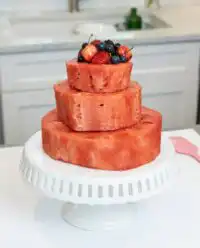
Fresh Watermelon Layer Cake
- Total Time: 45 mins
- Yield: 10 servings
- Diet: Vegan, Gluten-Free
Description
This refreshing fruit centerpiece features stacked layers of crisp watermelon decorated with fresh seasonal berries and aromatic mint. It is a stunning, oven-free dessert perfect for cooling down at any summer gathering.
Ingredients
- Large Watermelon
- Small Watermelon
- Wood Skewers
- Fresh Berries (Strawberries, Blueberries, Raspberries)
- Grapes
- Fresh Mint
Instructions
- Select the fruit. Choose two firm, heavy watermelons with a creamy yellow field spot for optimal sweetness.
- Prepare the workspace. Clear a large cutting board and keep a clean linen towel nearby to manage the natural juice release.
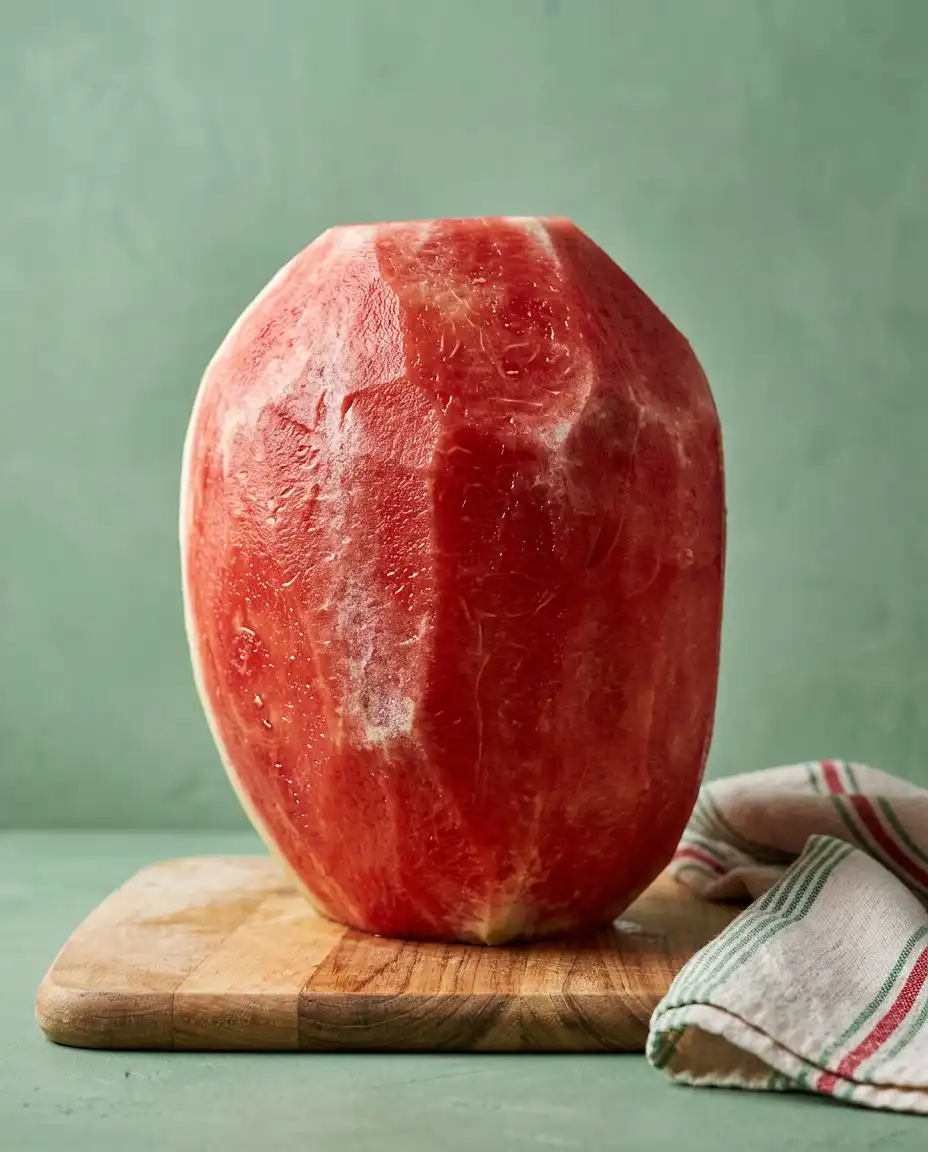
- Shape the cylinders. Cut the ends off the melons and carefully trim the rind to create smooth, stable cylinders for stacking.
- Secure the tiers. Place the largest base on a stand, top with the medium tier, and drive four wood skewers through both to anchor them.
- Add final tier. Press the smallest watermelon cylinder onto the top of the skewers, ensuring the structure is centered and balanced.
- Decorate with fruit. Use toothpicks to attach clusters of grapes and assorted berries to the exterior for a natural, rustic appearance.
- Garnish with mint. Tuck fresh mint sprigs between the berries to add a pop of color and a cooling aromatic finish.
Notes
- Pat the exterior of the melon dry with a paper towel before decorating to ensure the fruit garnishes stay firmly in place.
- Keep the watermelon refrigerated until the last possible moment to ensure the flesh stays crisp and retains its structural shape.
- If the layers appear to be tilting, remove the skewers and re-insert them at a slight inward angle to create a stronger tripod-like support.
- Use a very sharp chef’s knife for carving to ensure smooth cuts and minimize the risk of slipping on the wet surfaces.
- Prep Time: 45 mins
- Cook Time: 0 mins
- Category: Dessert
- Method: No-Bake
- Cuisine: American
Honest Ingredients
We look for melons that feel heavy for their size and have a pale yellow spot where they rested in the dirt. These simple components rely on the ripeness of the fruit to carry the flavor forward. Using local produce from the Saturday morning market ensures that every bite tastes like the peak of summer.
- Large Watermelon: Choose a firm fruit that sounds hollow when tapped to form the primary structure.
- Small Watermelon: This smaller melon provides the upper tiers and should be equally crisp in texture.
- Wood Skewers: Sturdy wooden dowels provide the internal skeleton that keeps the heavy fruit tiers from shifting.
- Fresh Berries: Strawberries, blueberries, and raspberries act as the jewels that decorate the red melon flesh.
- Grapes: Heavy clusters of grapes create a cascading effect that looks beautiful on a plain white plate.
- Fresh Mint: The green leaves offer an aromatic finish and a sharp contrast to the deep red of the cake.
| Ingredient | Why It Matters |
|---|---|
| Large Watermelon | Provides a stable base for the heavy upper layers |
| Fresh Berries | Adds pops of tartness and different fruit textures |
| Mint Leaves | Offers a cool and aromatic finish to each slice |
| Wood Skewers | Maintains structural integrity for the stacked cylinders |
The Method, Step by Step
Step 1: Selecting the Fruit at the Market
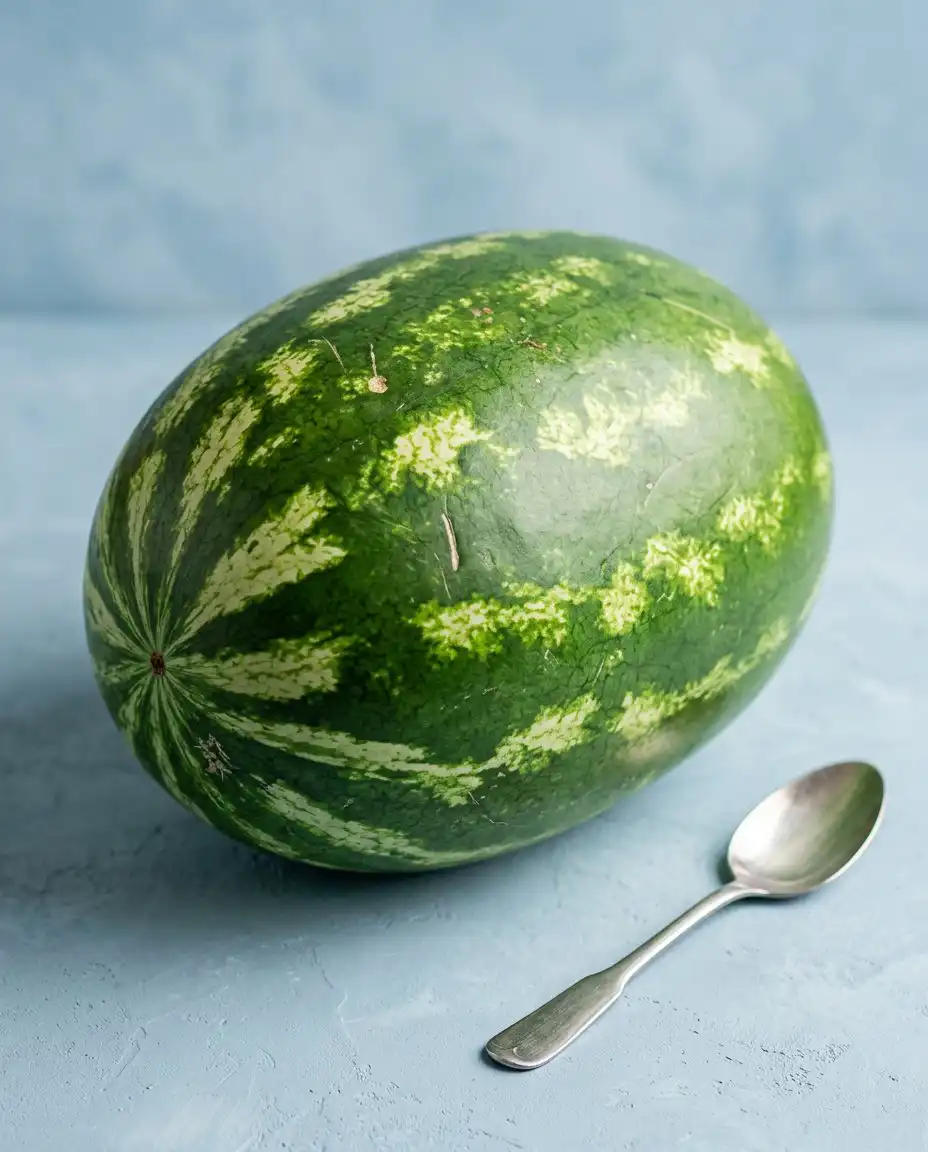
Begin by choosing two watermelons that are heavy and firm. Look for the field spot on the bottom which should be a creamy yellow rather than white. A deep green rind with clear stripes often indicates a melon that has reached its full potential under the sun.
Step 2: Preparing the Wooden Cutting Board
Clear a large space on your counter and place a clean wooden cutting board down. You will need plenty of room to maneuver the large fruit. Have a linen tea towel nearby to wipe up the excess juice that will naturally pool as you begin to carve.
Step 3: Shaping the Large Base Cylinder
Cut the ends off the large watermelon so it can stand upright on the board. Carefully run a long knife between the rind and the red flesh to remove the outer skin. Use small, steady strokes to trim the edges until you have a smooth, even cylinder that sits flat on the cake stand.
Step 4: Secure Your Fresh Watermelon Layer Cake Tiers
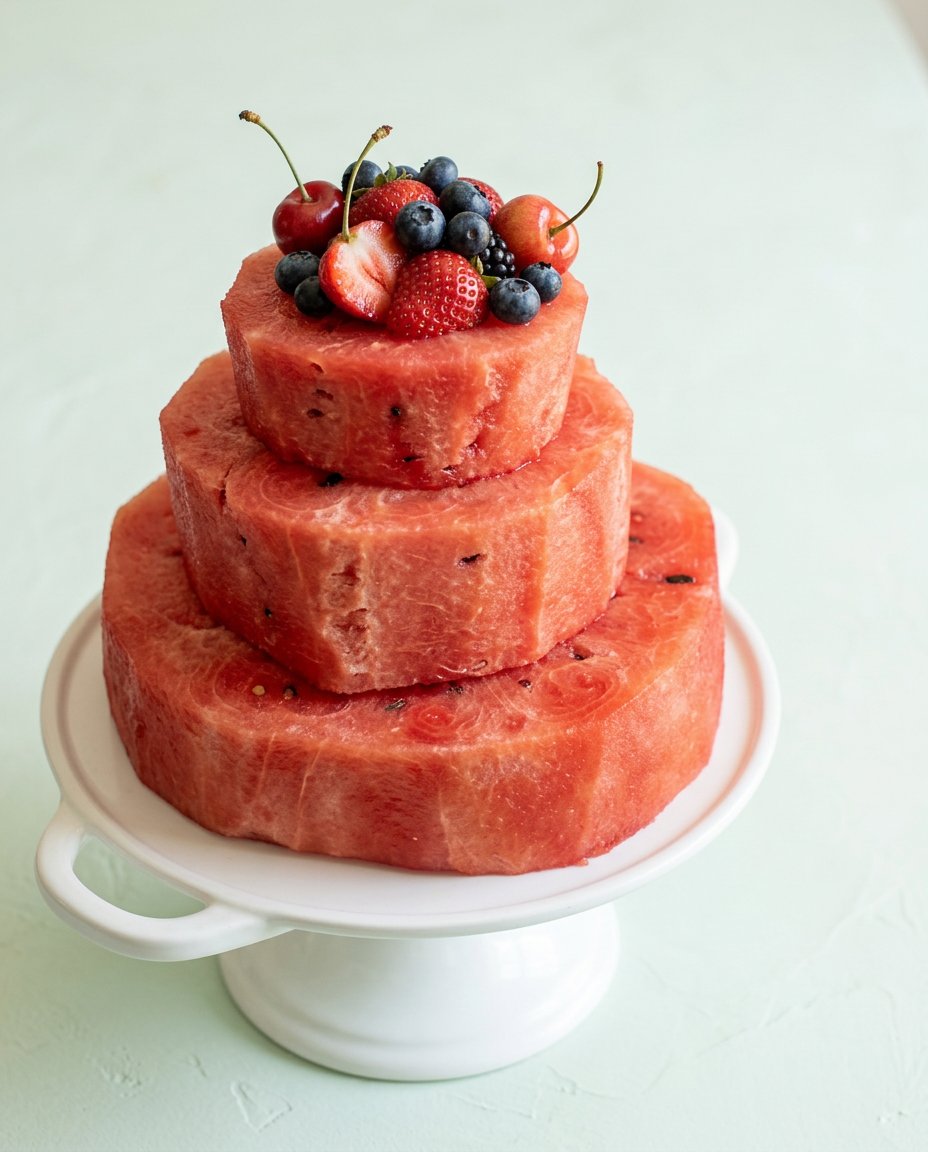
Place the largest cylinder on your serving stand and center the medium cylinder on top of it. Take four large wood skewers and press them down through the center of both tiers. This creates a hidden framework that keeps the Fresh Watermelon Layer Cake from sliding during transport or service.
Step 5: Adding the Smallest Top Tier
Take the smallest melon cylinder and press it firmly onto the protruding skewers at the top. The skewers should be hidden within the fruit so they are not visible to your guests. Gently press down to confirm the structure feels balanced and stable before you begin the decoration.
Step 6: Decorating with Grapes and Berries
Start by pinning grape clusters to the top and allowing them to drape down the sides. Use wood toothpicks to secure individual blackberries, raspberries, and halved strawberries into the sides of the melon. Group the fruit in clusters rather than a uniform pattern to maintain a rustic, natural appearance.
Step 7: Finishing with Fresh Mint
Tuck sprigs of fresh mint into the gaps between the berries and the melon flesh. The green leaves should look as though they are growing naturally from the fruit. Once the decoration is complete, wipe the base of the cake stand with a clean cloth to remove any stray juices.
Notes From the Kitchen
When working with such a juicy fruit, moisture management is the most important factor for success. I find that patting the exterior of the melon cylinders with a paper towel before adding the fruit helps the toothpicks stay in place. If you are also working with stone fruit during the season, you might enjoy learning about a fresh peach cake for your next gathering.
If the tiers begin to lean or slide, it is usually because the skewers were placed too far from the center. Pull them out and re-insert them at a slight inward angle to create a more stable tripod effect within the fruit. This provides the necessary tension to hold the heavy weight of the upper sections.
Temperature is your best friend when preparing a dessert like this for an outdoor party. Keep the melon in the refrigerator until the very moment you are ready to carve it. A cold melon is easier to cut and will hold its shape much longer than one that has been sitting at room temperature.
For those who want to see different ways of preparing the fruit, you can see how to carve fruit for display to get more inspiration for your shapes. Using a very sharp knife is safer than using a dull one as it requires less pressure and reduces the risk of the knife slipping on the wet surface.
Choose berries that are still slightly firm so they do not bleed juice onto the watermelon. Raspberries are particularly delicate and should be handled with care to prevent them from staining the red melon flesh. If a berry looks soft, it is better to set it aside for a morning bowl of yogurt rather than using it for the cake decoration.
Wrap the entire structure in clear film if you need to transport it over long distances or bumpy roads. I have found that placing a damp towel at the base of the cake stand inside the car helps keep everything in place. The moisture from the towel prevents the stand from sliding on the floor or seat during the drive.
Frequently Asked Questions
How long can this cake sit out at room temperature?
The cake should not sit out for more than two hours, especially in the summer heat. The watermelon will begin to lose its crispness and pool juice at the base as it warms. It is best to keep it refrigerated until shortly before your guests are ready to eat.
Can I make this the night before the party?
It is best to assemble this on the day you plan to serve it to ensure the fruit remains firm. You can carve the melon cylinders the evening before and store them in airtight containers. However, the final stacking and berry decoration should happen within a few hours of the event.
What is the best way to transport a tiered fruit cake?
Use a heavy cake stand and secure the tiers with extra skewers if you know the road will be bumpy. Place the cake on a flat surface in your vehicle, such as the floor of the passenger side. Wrapping it tightly in cling wrap will help keep the smaller berries from falling off during the journey.
Can I use frozen berries for the decoration?
Frozen berries are not recommended for this specific recipe as they will become mushy as they thaw. They will also leak dark juices that will stain the surface of the watermelon and ruin the clean appearance. Stick to fresh, firm berries from the market for the best results.
How do I serve the cake without it falling apart?
Start by removing the fruit and toothpicks from the top tier first. Slice the top cylinder into wedges and serve those before moving down to the medium tier. This top-down approach ensures the structure remains stable until the very last piece is plated.
Is it possible to make a vegan version of this cake?
This cake is naturally vegan as it consists entirely of fresh fruit and herbs. There are no dairy or animal products required to make the tiers or the decorations. It is a wonderful choice for guests with dietary restrictions who still want to enjoy a beautiful dessert.
Seasonal Variations
You can easily adapt this idea to whatever is ripening in your local orchards. Instead of just watermelon, try using a large cantaloupe for the middle tier to add a beautiful orange contrast. The different colors of the melons create a stunning visual that honors the diversity of the summer harvest.
If you are planning a celebration for a very small guest of honor, you might consider a two layer smash cake as a more traditional alternative. However, many parents prefer the fruit cake for its natural ingredients and ease of cleanup after the party is over.
Consider drizzling a bit of local honey over the finished fruit just before serving to add a glossy sheen. You can also sprinkle a few torn basil leaves along with the mint if you prefer a more savory herbal note. The beauty of this bake is that it changes every time you make it based on what the market offers.
At the Table
When you bring this to the table, let it sit for just a moment so the colors can catch the natural light. I prefer to serve it on a plain white ceramic stand to let the reds and greens of the fruit be the focus. The edges crack naturally as you slice into it, and that’s rustic charm at its finest.
Provide small bowls for guests to place their toothpicks and skewers as they eat. If you want to offer something a bit richer alongside the fruit, a bowl of lightly sweetened cream would be a lovely addition. For those who prefer a more traditional baked good on the side, a slice of peaches and cream layer cake makes a wonderful companion for a large dessert table.
A Last Note
There is a certain honesty in a dessert that does not try to be anything other than what it is. This cake is a celebration of the earth and the hands that grew the fruit we enjoy. I hope you find as much peace in the carving as your guests find in the eating. If you find yourself with an abundance of summer fruit, you should also try making a peach cobbler layer cake before the season ends.
Baking, even when it involves no oven, is about sharing a piece of the season with the people you love. Please share your own rustic creations with us and let us know how your summer gatherings are going. Honest ingredients make for an honest cake, and that is always worth the effort.