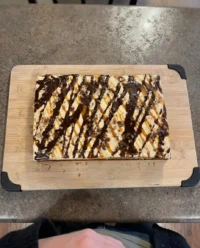
We designed this repeatable Mango Butter Cake recipe in our test kitchen to deliver an ultra-tender crumb and reliable, consistent rising with every single bake.

Achieving a flawless balance between rich dairy fat and wet tropical fruit requires careful structural planning. This scientific Mango Butter Cake method controls moisture migration from the fruit slices so your loaf remains structured rather than soggy. By managing the creaming stage and flour hydration, we guarantee a uniform crumb that supports the fruit beautifully. This technique secures consistent results every single time you bake.
The Case for This Method: Perfecting Mango Butter Cake
Prep: 15 min · Serves: 12 · Difficulty: Medium
Our testing focused on eliminating the heavy, wet pockets of batter that typically form around baked fruit. By applying lessons learned from our classic vanilla butter cake, we developed a system that suspends the mango slices uniformly. This technique prevents the common structural collapse that ruins home-baked fruit loaves.
- Yields a reliable crumb texture every single time.
- Prevents heavy fruit slices from sinking to bottom.
- Balances sweet tropical sugars with salted dairy richness.
- Uses scientific steps to eliminate dense batter lines.
- Maintains structural integrity for clean, thin slicing.
This protocol delivers a dependable, high-rising loaf with a soft, uniform structure.
Get The Full Cake Recipe
Print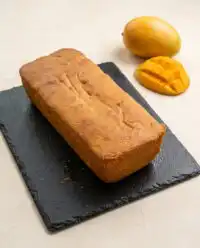
Mango Butter Cake
- Total Time: 1 hour 10 mins
- Yield: 12 servings
Description
This reliable Mango Butter Cake features an ultra-tender crumb and structural integrity, ensuring that fresh tropical fruit slices remain perfectly suspended throughout the bake. By carefully balancing dairy fats with precise flour hydration, this recipe delivers a consistent, high-rising loaf that is perfect for any occasion.
Ingredients
- 200 grams all-purpose flour
- 1 teaspoon baking powder
- 1/4 teaspoon salt
- 200 grams softened unsalted butter
- 130 grams granulated sugar
- 4 room-temperature eggs
- 100 milliliters room-temperature whole milk
- 2 fresh mangoes, peeled and sliced into 1/4-inch pieces
Instructions
- Prep the oven and pan. Line a 9×5-inch loaf pan with parchment paper and preheat your oven to 350°F (335°F if using top and bottom heating elements).
- Slice the mango. Peel the mangoes and slice the flesh into uniform 1/4-inch thick pieces, setting aside any irregular bits.
- Whisk dry ingredients. Combine the flour, baking powder, and salt in a bowl and whisk thoroughly for 30 seconds to ensure even distribution.
- Cream butter and sugar. Beat the softened butter and sugar in a stand mixer on high speed for 5 minutes until the mixture is pale, light, and fluffy, scraping the sides as needed.
- Incorporate liquids and flour. Whisk the eggs and add them to the butter mixture in four additions, then stir in the milk before folding in the flour mixture in three batches.
- Layer the batter. Alternate layers of batter and mango slices in the prepared pan, ending with a final layer of mangoes arranged in an overlapping pattern.
- Bake the cake. Bake on the center rack for 50 to 55 minutes, or until a metal cake tester inserted into the center comes out clean.
- Cool and set. Allow the cake to cool in the pan for 10 minutes, then transfer to a wire rack to reach room temperature before wrapping for an overnight rest.
Notes
- Ensure all dairy ingredients are at room temperature to prevent the batter from curdling during the mixing process.
- Tossing your mango slices in a light dusting of flour before adding them to the batter helps prevent them from sinking.
- For the best possible texture, allow the cake to rest for 24 hours to let the moisture from the fruit redistribute into the crumb.
- Always verify the freshness of your baking powder by checking that it bubbles immediately when dropped in warm water.
- Prep Time: 15 mins
- Cook Time: 55 mins
- Category: Dessert
- Method: Baking
- Cuisine: Modern American
The Working Components
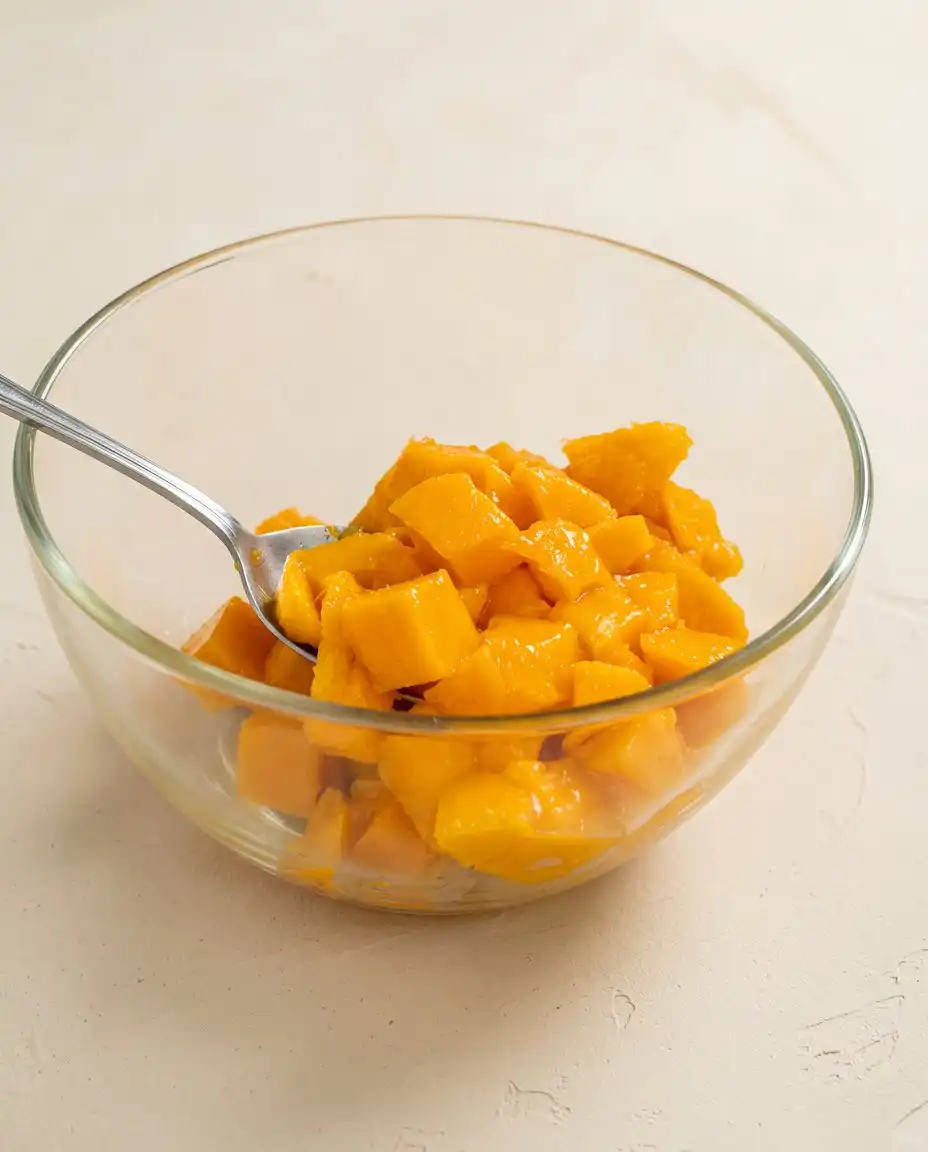
Understanding how each component behaves under heat is essential for a stable bake. We selected these items specifically to manage the extra moisture contributed by fresh tropical fruit.
- Unsalted Butter: Provides the solid fat structure necessary to trap air during the creaming process, which creates the cake’s primary lift.
- Granulated Sugar: Cuts through the solid butter to build stable air pockets while delaying gluten development for a softer texture.
- Large Eggs: Emulsify the fats and liquids while providing structural proteins that coagulate during baking to set the crumb.
- Whole Milk: Hydrates the flour proteins to develop a delicate gluten network while adding natural lactose for beautiful browning.
- All-Purpose Flour: Forms the primary starch matrix of the cake, offering enough strength to support fruit without becoming heavy.
- Fresh Mango: Introduces pocketed bursts of bright acidity and tropical flavor, contrasting nicely with the rich dairy base.
- Baking Powder: Acts as the chemical leavener, releasing carbon dioxide gas to expand the creamed air pockets during baking.
- Salt: Strengthens the gluten network slightly while magnifying the subtle flavors of the butter and fresh fruit.
| Ingredient | Why It Matters |
|---|---|
| Unsalted Butter | Forms the air-retaining fat network during creaming |
| Large Eggs | Binds the fat and liquid into a stable emulsion |
| All-Purpose Flour | Establishes the structural starch walls of the cake |
| Fresh Mango | Offers acidic contrast and distinct tropical pockets |
| Baking Powder | Provides the secondary chemical rise in the oven |
How to Bake It, Precisely
Step 1: Prep the Oven and Pan
Line your nine-by-five-inch loaf pan with a single sheet of parchment paper across the bottom. Preheat your conventional oven to 350°F (180°C) with the rack placed in the center position. If your oven uses top and bottom heating elements, lower the temperature to 335°F (168°C) to prevent the top of the loaf from scorching before the interior cooks through completely.
Step 2: Slice the Fresh Mango
Peel the fresh mango using a sharp vegetable peeler, exposing the bright orange flesh beneath. Cut clean slices approximately one-quarter inch thick near the center stone on all sides, keeping them as uniform as possible. Select the cleanest, most uniform slices for layering, and set aside the irregular pieces for alternative kitchen uses.
Step 3: Whisk the Dry Components
Weigh exactly 200 grams of all-purpose flour, one teaspoon of baking powder, and one-quarter teaspoon of salt into a dry mixing bowl. Whisk these dry components vigorously for 30 seconds to distribute the leavening agent evenly throughout the starch matrix. This step prevents uneven rising and prevents large, empty air pockets from forming in your baked loaf.
Step 4: Cream the Butter and Sugar
Place 200 grams of softened unsalted butter and 130 grams of granulated sugar into your stand mixer bowl. Using the whisk attachment, beat the mixture on high speed (speed 8) for 5 minutes. Stop the mixer at the 2-minute mark to scrape down the sides with a spatula, then resume mixing until the batter looks pale, light, and fluffy.
Step 5: Assembling and Layering Your Mango Butter Cake Batter
Crack four room-temperature eggs into a bowl and whisk them briefly to break up the yolks. Lower the stand mixer to medium speed (speed 6) and gradually add the beaten eggs in four separate additions, allowing 1 minute of mixing between each addition. Pour in 100 milliliters of room-temperature whole milk slowly, then reduce the speed to low (speed 2) and add the flour mixture in three batches until combined.
Step 6: Assemble the Loaf Layers
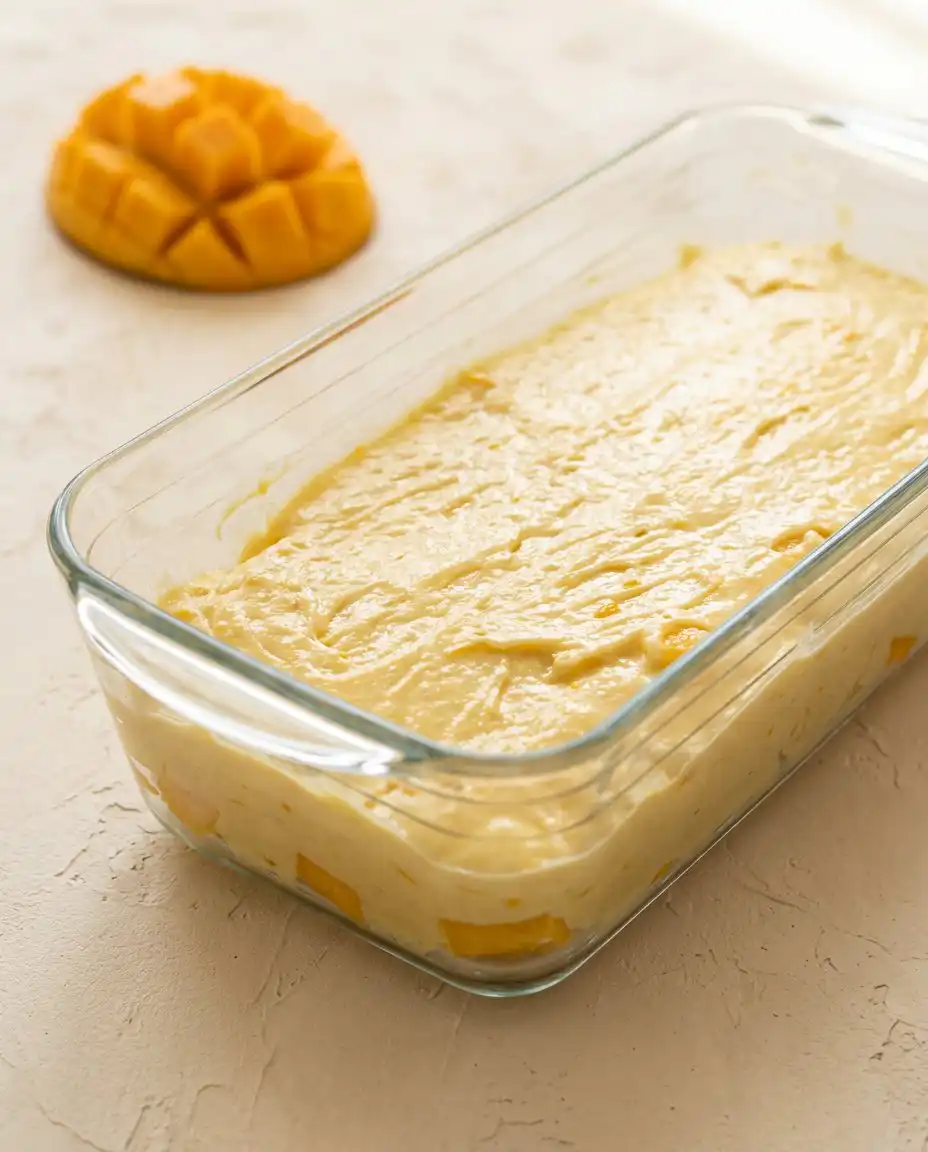
Transfer one-third of your thick batter into the prepared parchment-lined loaf pan, smoothing the surface with a rubber spatula. Arrange several sliced mango pieces evenly across this base layer without letting them touch the sides of the pan. Repeat this process with another third of the batter and mango slices, then spread the remaining batter over the top and arrange the final mango slices in an elegant, overlapping pattern.
Step 7: Bake to Golden Perfection
Place the pan on the center rack of your preheated oven and bake for 50 to 55 minutes without opening the door. At the 50-minute mark, insert a metal cake tester directly into the center of the loaf to verify doneness. The tester must come out completely clean, with no wet batter clinging to the metal surface.
Step 8: Cool and Wrap the Loaf
Remove the pan from the oven and allow it to sit on a wire rack for exactly 10 minutes to let the structure set. Run a thin offset spatula along the unlined edges to loosen the cake, then carefully lift it out and transfer it directly to the cooling rack. Once the loaf reaches room temperature, wrap it tightly in two layers of plastic wrap and let it rest for 24 hours to let the butter redistribute.
Precision Tips
Moisture management is the most critical factor when combining wet fruit with a high-fat butter crumb. To keep your fruit slices from sinking to the bottom, toss them in a tablespoon of all-purpose flour before placing them on the batter. This light flour coating acts as an adhesive, gripping the surrounding batter during the early stages of baking before the starch gelatinizes.
Dry your fruit slices thoroughly using a clean paper towel before assembly to prevent excess liquid from weeping into the surrounding cake. This water release can create localized soggy pockets that compromise the delicate texture of your baked goods. Refer to our guide on fresh fruit baking to master these water-control techniques.
Cold dairy ingredients will shock your creamed butter and break the emulsion, resulting in a dense, heavy texture. If this happens, your baked loaf will have a rubbery layer at the bottom instead of a uniform rise. If your batter curdles during the egg addition, place the mixing bowl over a pot of warm water for 30 seconds to restore the temperature before continuing.
We recommend studying whole egg mixing ratios to understand how fat-to-liquid balances affect the oven spring. Butter cakes rely heavily on the physical expansion of water vapor trapped within creamed fat globules. Maintaining a stable emulsion is the only way to lock in that gas and achieve a light, melt-in-your-mouth crumb.
Never skip the overnight resting phase, as a freshly baked butter cake will feel crumbly and dry if cut immediately. During the 24-hour rest, moisture moves from the wet fruit slices into the surrounding crumb while the butter fats solidify. This process yields a highly cohesive, tender texture that slices cleanly without tearing.
Verify your baking powder is fresh by testing a half-teaspoon in warm water before you begin mixing. If the water does not bubble vigorously within five seconds, discard the leavening agent and purchase a fresh jar. Using stale leaveners will result in a flat, dense loaf that fails to support the heavy fruit layers.
Frequently Asked Questions
Why did my mango slices sink to the bottom of the cake?
Mango slices sink when the cake batter is too thin or if the fruit contains excessive surface moisture. To prevent this, slice the fruit thin, dry each piece thoroughly with paper towels, and coat them in a light dusting of flour. This flour coating helps the fruit grip the batter as it rises in the oven.
Can I use frozen mango instead of fresh mango for this recipe?
We do not recommend using frozen mango because it releases too much water as it thaws, which breaks down the surrounding batter structure. If you must use frozen fruit, thaw it completely, drain it in a colander, and pat it dry repeatedly. This moisture reduction is essential to protect the crumb of your loaf.
Why did my cake batter curdle when I added the milk?
The batter curdles when there is a significant temperature difference between the butter mixture and the milk. Cold milk solidifies the creamed butter fats, disrupting the emulsion and creating a separated appearance. Always use room-temperature milk and add it slowly to maintain a stable batter.
How should I store this cake to keep it moist?
Wrap the cooled loaf tightly in two layers of plastic wrap and store it at room temperature for up to three days. Do not refrigerate the cake, as the cold environment accelerates starch retrogradation, making the crumb taste dry. For longer storage, wrap the loaf in plastic and foil, then freeze it for up to three months.
Can I substitute the whole milk with a dairy-free alternative?
Yes, you can substitute the whole milk with unsweetened soy milk or almond milk at a one-to-one ratio. Choose an option with a similar fat content to whole milk to maintain the richness of the crumb. Avoid watery rice milks, which lack the proteins and fats required to support the cake’s structural network.
What is the best type of mango to use for this cake?
Select a firm, ripe mango such as a Kent or Tommy Atkins variety. Avoid overripe, stringy, or excessively juicy mangoes, which introduce too much liquid into the loaf batter during the baking process. A firm mango holds its shape beautifully and provides clean, distinct slices in the finished cake.
Variations That Hold Up
For an aromatic twist, add one-half teaspoon of ground cardamom and the fresh zest of one lime directly into your granulated sugar. Rubbing the citrus zest into the sugar before creaming releases essential oils that disperse evenly through the butter fat. This spicy, citrus addition cuts through the dairy richness, creating a complex flavor profile.
You can transform this loaf into an elegant mango drip cake for special occasions by adjusting the presentation. Slice the baked and cooled loaf horizontally into three thin layers, then stack them with fresh mango puree and light vanilla buttercream. Pour a concentrated mango glaze over the top edge to create beautiful, controlled decorative drips down the sides.
If you prefer a simpler fruit profile, substitute the fresh mango slices with ripe peaches or nectarines in identical weights. These stone fruits possess a similar sugar-to-acid ratio and moisture level, allowing them to bake beautifully without altering the structural balance. This substitution provides a reliable alternative during the winter months when fresh mangoes are out of season.
Finishing & Plating
This dense, buttery loaf benefits from clean slicing and thoughtful temperature management. We recommend letting the cake rest for 24 hours before slicing it with a long, sharp serrated knife. Slicing too early, while the fats are still warm, will cause the crumb to compress and tear around the fruit.
Serve each slice at room temperature or slightly warmed in a toaster oven for exactly three minutes to soften the dairy fats. Pair the rich cake with a cup of black tea or a lightly sweetened espresso to balance the buttery crumb. If you enjoy layered desserts, consider comparing this structural loaf to our delicate classic mango sponge cake recipe to experience different fruit-baking textures.
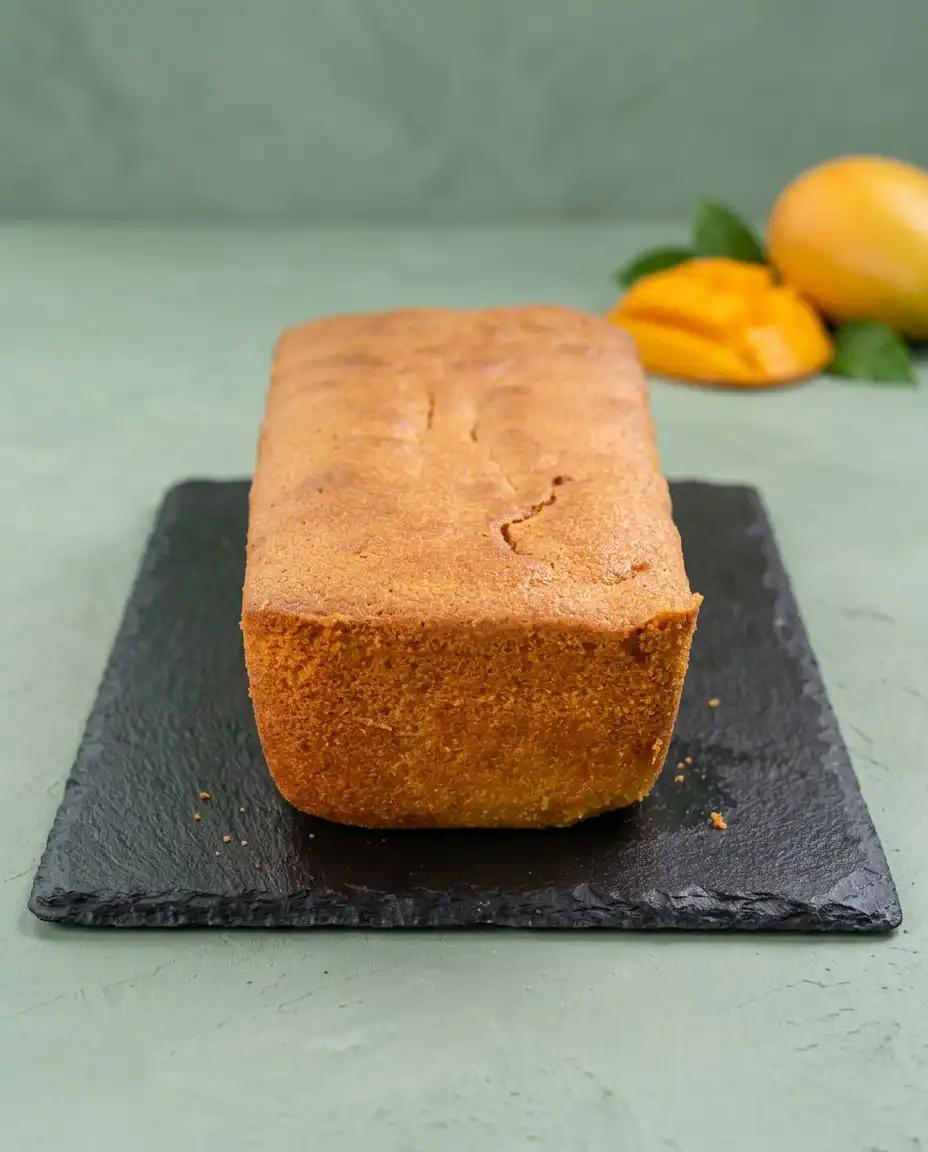
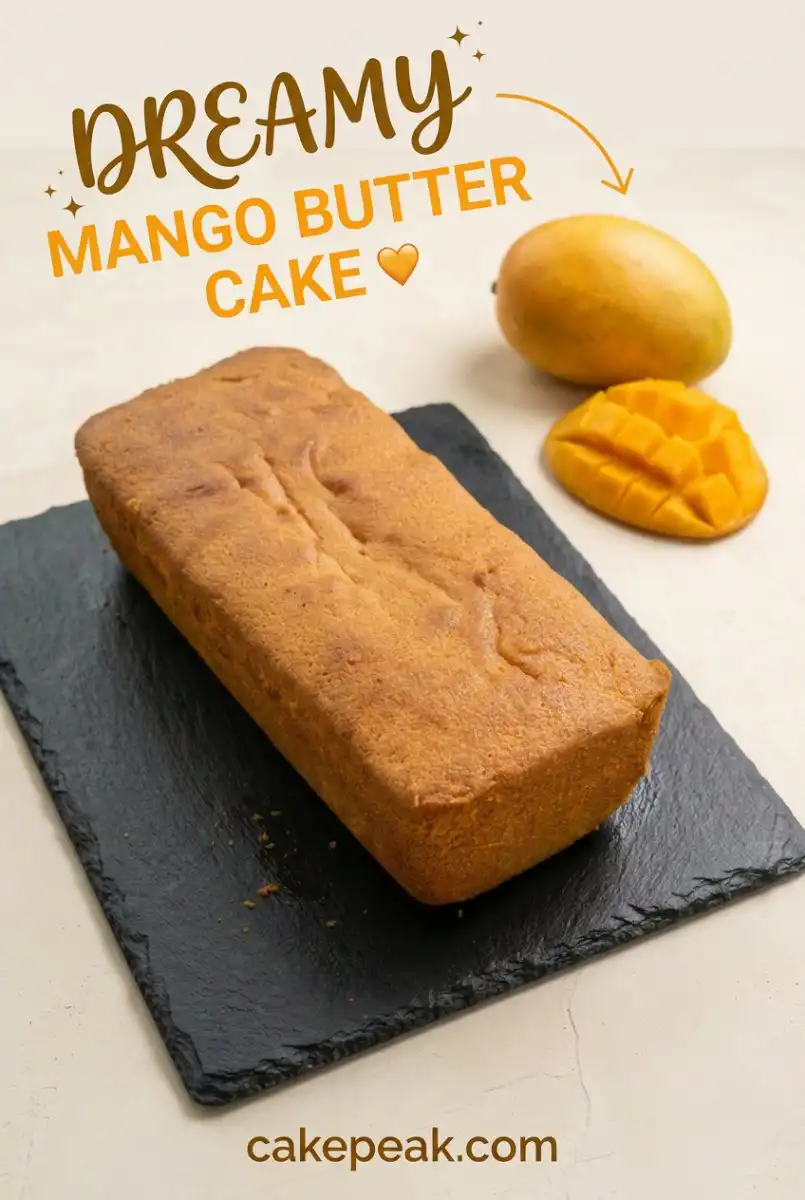
To present this dessert at a gathering, dust the top of the loaf lightly with powdered sugar through a fine-mesh sieve. Arrange a few fresh mint leaves next to the mango slices for a professional visual finish. This understated presentation lets the golden crust and bright orange fruit layers remain the primary focus.
The Bottom Line
Developing a reliable fruit-loaded loaf requires respecting the physical science of baking. By balancing flour hydration, egg emulsification, and fruit moisture, you can produce a repeatable crumb that holds up beautifully. This methodical approach turns baking from an unpredictable guessing game into a satisfying, science-backed success.
For those who appreciate the comforting texture of rich bakes, try our decadent ooey gooey butter cake for your next project. It offers another excellent study of dairy-rich structures and sweet, caramelizing surfaces. Each recipe in our library is built on rigorous testing to make sure your kitchen results remain consistent.
We invite you to share your baking results and notes with our community of precision bakers. Connect with us on our social platforms to share photos of your golden loaves. Join our discussions on Pinterest, Facebook, TikTok, and Telegram to stay updated on our latest test kitchen bakes.