August brings the sweet scent of ripe pineapples to the local farmers market, where heavy gold fruits sit stacked next to cartons of dark summer cherries at their absolute peak.

Baking a classic Pineapple Upside-Down Cake is an exercise in letting nature do the heavy lifting in your kitchen. The bottom of the baking dish becomes a canvas of caramelized sugar, rich butter, and rings of sweet fruit that soften into a jam-like glaze as the oven does its slow work. When you invert the warm pan onto a plate, the caramelized juices soak back into the tender vanilla crumb underneath. This honest cake celebrates simple pantry staples while turning them into something genuinely beautiful.
The Beauty of This Pineapple Upside-Down Cake
Prep: 25 min · Serves: 8 · Difficulty: Easy
A farmhouse favorite featuring sweet caramelized fruit topping over a delicate, golden vanilla crumb.
- Golden caramelized fruit topping made easily.
- Tender crumb that stays wonderfully moist.
- Uses simple everyday farmhouse pantry staples.
- Stunning presentation without any tedious frosting.
- Warm spices and butter meld beautifully.
This rustic dessert honors the old-fashioned way of baking where the pan itself creates the decoration. Many home bakers discover that a classic pineapple upside down cake brings a wonderful touch of nostalgia to the Sunday table. When the rich juices from the fruit seep into the delicate crumb, every slice carries a beautiful balance of sweetness. This is the honest bake that your family will request all season long.
Get The Full Cake Recipe
Print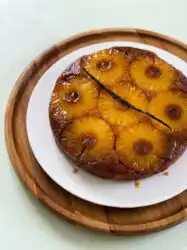
Pineapple Upside-Down Cake
- Total Time: 1 hour 10 mins
- Yield: 8 servings
Description
This classic farmhouse Pineapple Upside-Down Cake features a stunning, caramelized fruit topping atop a tender, golden vanilla sponge. It is a simple yet elegant dessert that celebrates fresh ingredients and rustic, old-fashioned baking techniques.
Ingredients
- 1/2 cup unsalted butter, melted
- 1 cup light brown sugar, packed
- 1 can pineapple slices, drained and dried
- 8 maraschino cherries
- 1 1/2 cups all-purpose flour
- 1 1/2 teaspoons baking powder
- 1/4 teaspoon salt
- 1/2 cup unsalted butter, softened
- 3/4 cup granulated sugar
- 2 large eggs
- 1 teaspoon vanilla extract
- 1/2 cup whole milk
Instructions
- Prepare the pan. Pour melted butter into a baking dish, coating the bottom and sides thoroughly.
- Add brown sugar. Scatter the packed brown sugar evenly over the melted butter to form a base.
- Arrange the fruit. Place pineapple slices in a single layer over the sugar and center a maraschino cherry in each ring.
- Cream butter and sugar. Beat the softened butter and granulated sugar in a bowl until light and fluffy.
- Incorporate the eggs. Mix in the eggs one at a time, followed by the vanilla extract, ensuring a smooth emulsion.
- Combine dry and wet. Alternating with the milk, fold in the flour, baking powder, and salt until just combined.
- Bake the cake. Spread the batter over the fruit and bake at 350°F for 30 minutes, then cover with foil and bake for an additional 15 minutes.
- Invert and serve. Let the cake rest for 10 minutes before carefully inverting it onto a serving platter.
Notes
- Ensure all pineapple slices are thoroughly patted dry to prevent a soggy, diluted caramel topping.
- Bring all cold ingredients, such as milk and eggs, to room temperature before mixing to ensure a smooth batter.
- If the cake resists unmolding, gently warm the base of the pan to help the caramelized sugar release cleanly.
- Avoid overmixing the batter once the flour is added to maintain a delicate, light crumb structure.
- Prep Time: 25 mins
- Cook Time: 45 mins
- Category: Dessert
- Method: Baking
- Cuisine: American
Honest Ingredients
When we bake with respect for what the land gives us, we find that simplicity is our greatest tool. Honest ingredients, honest cake. Taking care to select fresh, high-quality dairy and fully ripe fruit makes all the difference in the final flavor.
- Unsalted Butter: Using high-quality butter provides the rich, tender base for both the cake batter and the sweet caramel topping.
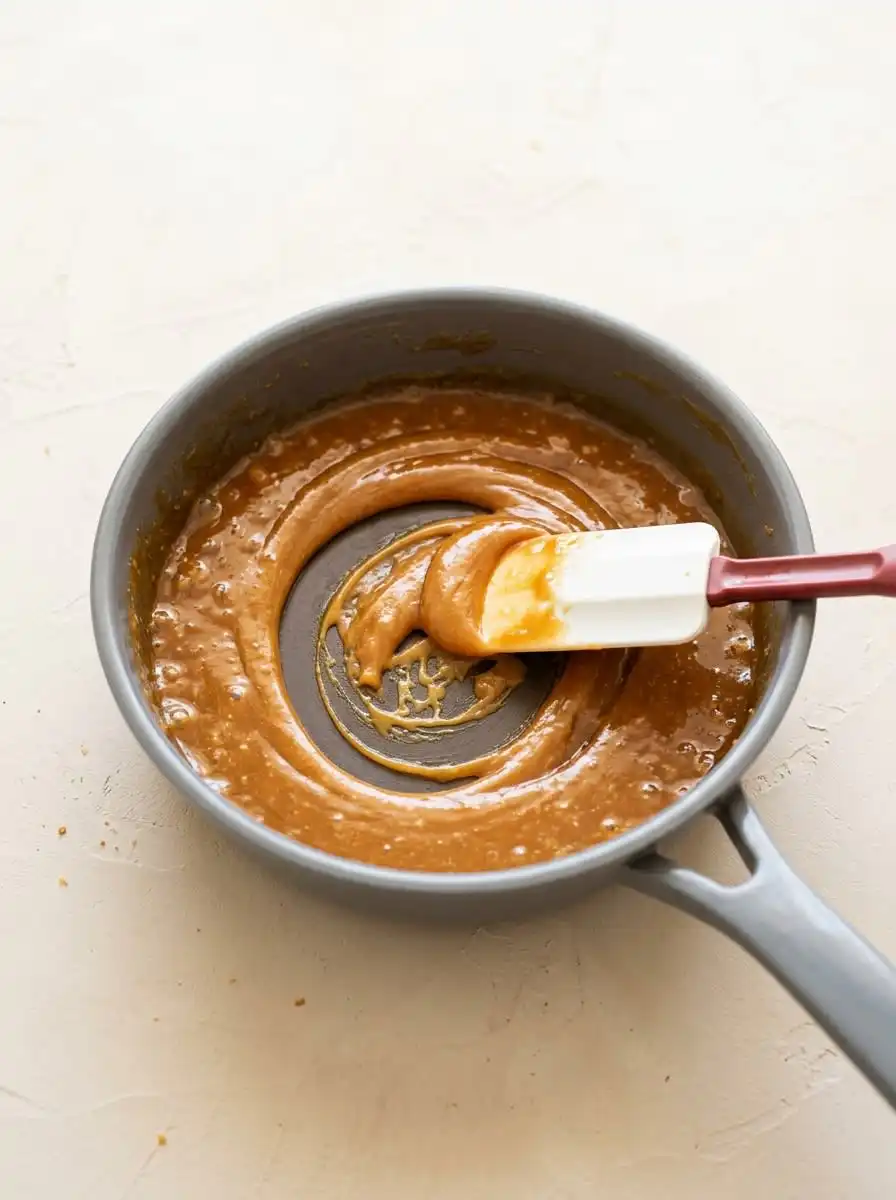
- Brown Sugar: Light brown sugar is tightly packed to help it dissolve into the butter, creating a glossy, rich caramel glaze.
- Pineapple Slices: Canned slices in juice, thoroughly dried, form the iconic fruit rings that caramelize beautifully against the pan.
- Maraschino Cherries: Placed in the center of each ring, these sweet gems add a traditional pop of color and a burst of juicy sweetness.
- Farm-Fresh Eggs: Deep yellow yolks help bind the cake batter together while providing structure, richness, and a lovely golden color.
- Whole Milk: Bringing this to room temperature guarantees a smooth, even batter that bakes up with a soft, uniform crumb.
- Baking Powder: This leavening agent gives the heavy cake enough lift to stay airy and light beneath the dense fruit.
| Ingredient | Why It Matters |
|---|---|
| Unsalted Butter | Creates a rich, velvety crumb and forms the caramelized base. |
| Brown Sugar | Melts into a deep, butterscotch-like glaze on the bottom. |
| Pineapple Slices | Slices soften and release natural sugars that caramelize. |
| Maraschino Cherries | Add a bright contrast of color and sweet, nostalgic flavor. |
| Room-Temperature Milk | Keeps the batter smooth and promotes a tender, even rise. |
A Slow, Steady Bake
Step 1: Prepare the Baking Dish and Melted Butter
Pour the melted salted butter directly into your deep baking pan or glass pie dish. Use a pastry brush or spatula to coat the bottom completely, drawing the rich butter up the sides to form a protective layer. You should see a thick, even pool of golden butter coating the entire surface of the pan.
Step 2: Lay the Caramel Foundation
Scatter the packed brown sugar evenly across the pool of melted butter in the pan. Avoid stirring the mixture, letting the sugar naturally absorb the fat to form a sweet, sandy layer. This simple combination will cook in the oven to create the rich glaze that defines the upside-down style.
Step 3: Arrange the Golden Fruit Layer
Carefully arrange the dried pineapple slices in a single layer on top of the brown sugar bed. Place whole rings across the bottom, then slice the remaining rings in half to line the sides of the pan if desired. The fruit should sit snugly together, pressing gently into the sugar so it stays anchored during baking.
Step 4: Add the Nostalgic Cherry Accents
Place a bright maraschino cherry in the center of every pineapple ring and tuck extra cherries into any open spaces. The deep red cherries nestled within the golden rings create a beautiful visual pattern that will look spectacular once inverted. Make sure each cherry is nestled firmly so they do not float when the batter is poured.
Step 5: Cream the Softened Butter and Sugar
Beat the softened unsalted butter and granulated sugar together in a medium mixing bowl until the mixture is pale and light. This process takes about three minutes of steady mixing to incorporate enough air for a tender crumb. The butter should look fluffy and resemble a soft, spreadable cream when fully aerated.
Step 6: Incorporate the Room-Temperature Eggs
Crack the eggs into the bowl one at a time, beating thoroughly after each addition to build a strong emulsion. Incorporating them slowly prevents the batter from curdling or breaking, keeping it smooth and cohesive. Stir in the vanilla extract, letting its sweet, warm aroma fill your kitchen as it blends into the cream.
Step 7: Alternate the Dry Ingredients and Whole Milk
Whisk together the flour, baking powder, and salt in a separate bowl before gently adding them to the butter mixture. Alternate adding the dry ingredients and the room-temperature whole milk in small batches, starting and ending with the flour. Use a flexible spatula to fold the batter by hand until the dry spots disappear, keeping the texture light.
Step 8: Bake Your Pineapple Upside-Down Cake to Golden Perfection
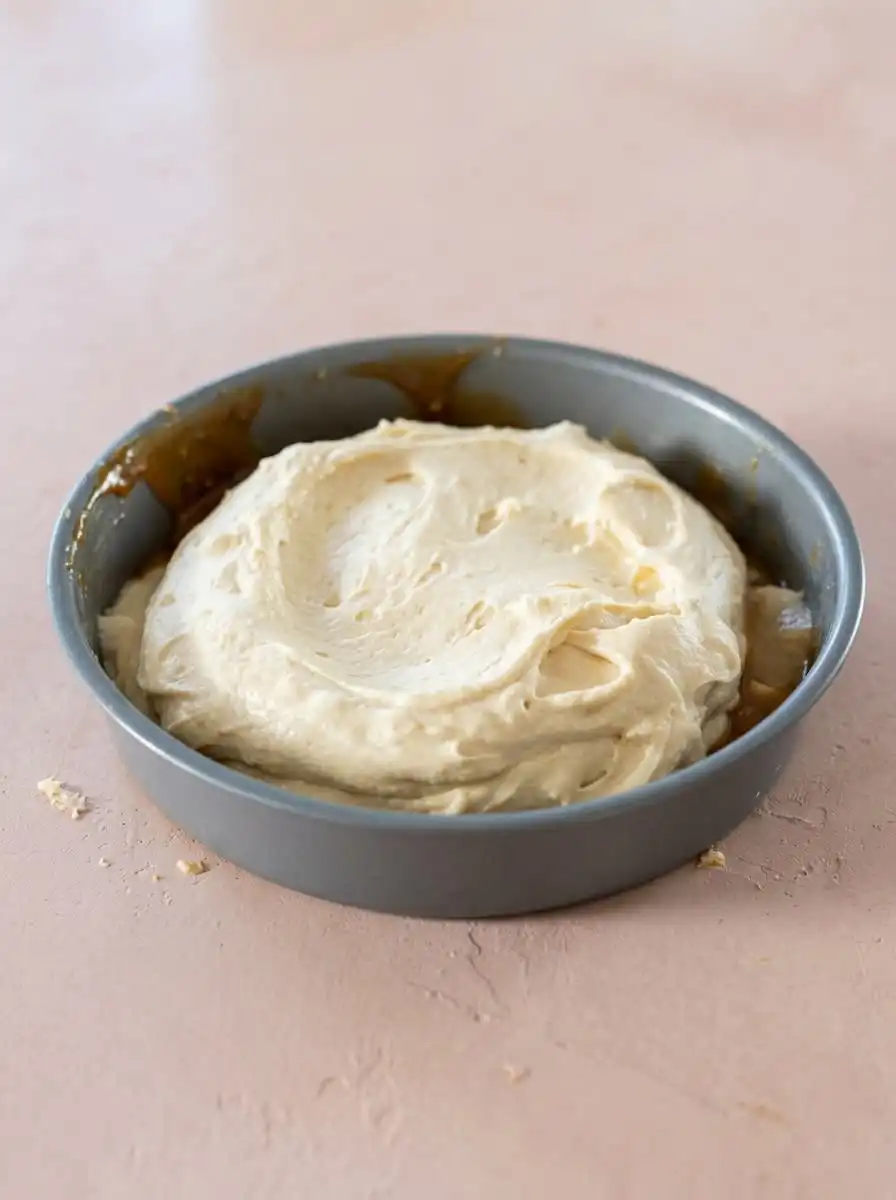
Spoon the thick vanilla batter gently over the arranged fruit, spreading it evenly with your spatula to cover all the corners. Bake at 350 degrees Fahrenheit for 30 minutes, then cover loosely with foil to prevent over-browning before baking for 15 more minutes. A toothpick inserted deep into the center should emerge clean with just a few soft crumbs clinging to it.
Step 9: Cool and Perform the Critical Flip
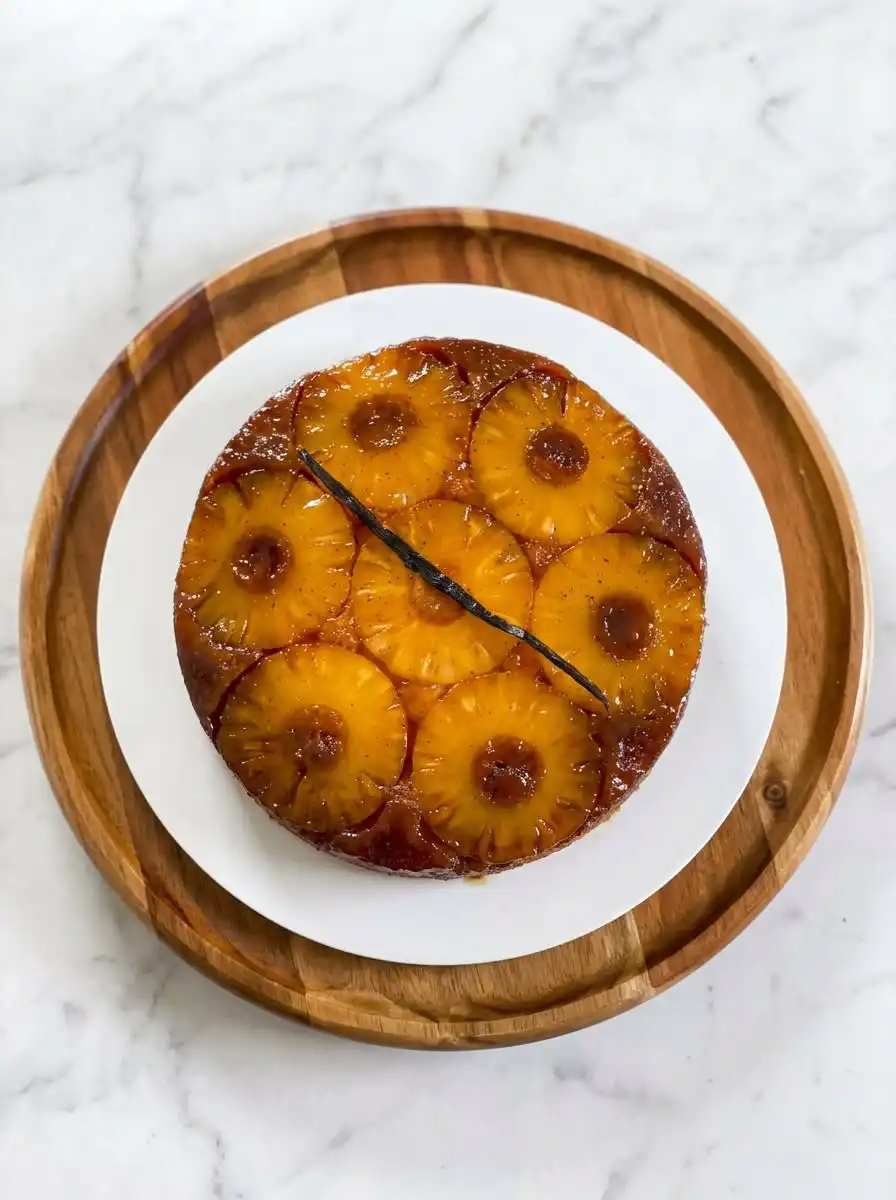
Let the baked cake rest on a wooden cutting board for about ten to fifteen minutes to let the caramel set slightly. Place a large flat platter over the top of the pan, grip both sides firmly using thick oven mitts, and invert the dish in one smooth, confident motion. Lift the pan slowly, allowing the hot caramel and glistening fruit to slide gracefully onto the serving plate.
What I’ve Learned at the Counter
Always press your pineapple slices between thick layers of paper towels to remove excess moisture before placing them in the pan. If the fruit remains too wet, the extra juice will release during baking and dilute your caramel, making the top soggy instead of sticky.
If your cake sticks to the pan when you try to invert it, the sugar has cooled too much and hardened. To fix this, place the pan over a warm stovetop burner for a minute to melt the caramel, or wrap a hot towel around the base of the dish to release the fruit cleanly.
Choosing the right baking vessel changes how the heat penetrates the batter. While a glass pie plate offers a beautiful view of the sides, baking in a cast-iron skillet creates a deeper caramel crust, much like a traditional skillet pineapple upside down cake that many farmhouse cooks prefer.
Make sure all your dairy and eggs are at room temperature before you begin mixing. Cold ingredients will cause the creamed butter to seize up, leading to an uneven batter that rises poorly in the oven.
When measuring your flour, use a spoon to gently loft it into your measuring cup before leveling it off with a flat edge. For more details on maintaining a perfect balance between moisture and structure, you can read these helpful recipe development notes.
Do not let the cake sit in the pan for longer than fifteen minutes after it comes out of the oven. If the cake cools completely inside the dish, the brown sugar glaze will solidify like glue, making it impossible to flip without tearing the beautiful fruit pattern.
Frequently Asked Questions
What is a pineapple upside-down cake?
This classic Pineapple Upside-Down Cake is a single-layer dessert where the toppings are placed at the bottom of the pan before the batter is poured over them. Once baked, the entire cake is inverted onto a plate so the caramelized fruit sits beautifully on top. It is loved for its moist crumb and rich, butterscotch-like glaze.
Why do they call it upside-down cake?
The name of this Pineapple Upside-Down Cake comes from the unique baking method where the traditional order of assembly is completely reversed. By cooking the fruit and sugar beneath the batter, the juices are trapped, creating a natural sauce. Inverting the finished bake reveals the fruit layer, turning the bottom of the pan into the top of the cake.
What is the secret to flipping a pineapple upside-down cake?
Timing is the greatest secret when it comes to flipping a Pineapple Upside-Down Cake successfully. You must invert the cake while it is still warm, ideally ten to fifteen minutes after removing it from the oven. If you wait too long, the caramelized sugar will cool and stick to the pan, ruining the presentation.
Can I use fresh pineapple instead of canned?
Yes, fresh pineapple works beautifully as long as it is fully ripe and sliced to an even thickness. Make sure to peel and core the fruit carefully before cutting it into rings. Keep in mind that fresh fruit may be slightly less sweet than canned varieties, so you might need to adjust your sugar accordingly.
Can I use boxed cake mix?
While you can use a boxed yellow cake mix to save time, a homemade scratch batter provides a far superior texture and flavor. Homemade batter is sturdy enough to hold the heavy fruit without becoming soggy. It also allows you to control the level of sweetness and butteriness in every bite.
How do I stop the pineapple from making the cake soggy?
To stop your Pineapple Upside-Down Cake from turning soggy, thoroughly pat the pineapple slices dry with paper towels before placing them in the pan. This step removes excess juice that would otherwise release during baking and water down the caramel. Additionally, avoid adding extra juice directly to the batter unless the recipe explicitly calls for it.
How do I keep the cake from sticking to the pan?
Make sure that you grease the sides of your baking dish thoroughly with melted butter before adding the sugar and fruit. Using a high-quality, heavy-duty pan also helps distribute heat evenly and prevents localized burning. If a piece of fruit does stick, easily lift it out of the pan and place it back onto the cake.
Should I serve this cake warm or cold?
This cake is delicious when served warm, only a short while after it has been inverted. The warm caramel glaze is still soft and gooey, and the cake crumb is incredibly tender. However, it can also be enjoyed at room temperature with a dollop of fresh cream.
Ways to Adapt It
Add a tablespoon of dark spiced rum to the melted butter and brown sugar mixture before laying down the fruit. This brings a warm, deep molasses flavor that pairs beautifully with the sweet, tropical pineapple.
Swap the pineapple slices entirely for other seasonal produce depending on what you find at the market. If you want to try different tropical profiles, a mango upside down cake offers a wonderful alternative that bakes up with a gorgeous orange hue and an exotic fragrance.
Scatter half a cup of finely chopped pecans or walnuts into the brown sugar layer before arranging the fruit. The nuts will toast in the hot butter and sugar as the cake bakes, adding a delightful, earthy crunch that contrasts beautifully with the soft cake.
Bringing It to the Table
This rustic dessert shines brightest when served slightly warm, allowing the buttery caramel to pool slightly on the plate. A simple dollop of unsweetened whipped cream or a scoop of vanilla bean ice cream balances the rich sweetness of the caramelized fruit beautifully. The cold cream melts into the warm cake, creating a wonderful contrast of temperatures and textures.
For an elegant afternoon gathering, pair a thick slice of this cake with a pot of hot black tea or a light roast coffee. The bitter notes of the beverage cut through the sweet, caramelized glaze, making each bite feel balanced and clean. If you enjoy experimenting with seasonal stone fruits, serving this Pineapple Upside-Down Cake alongside a slice of brown sugar peach upside down cake can highlight the wonderful differences in late-summer flavors.
Keep the presentation simple by placing the cake on a plain wooden board or a vintage white ceramic platter. There is no need for extra decorations or fancy garnishes, as the golden pineapple rings and bright cherries are beautiful on their own. Let your guests marvel at the natural patterns created by the fruit and the warm, glistening caramel.
From the Farmhouse
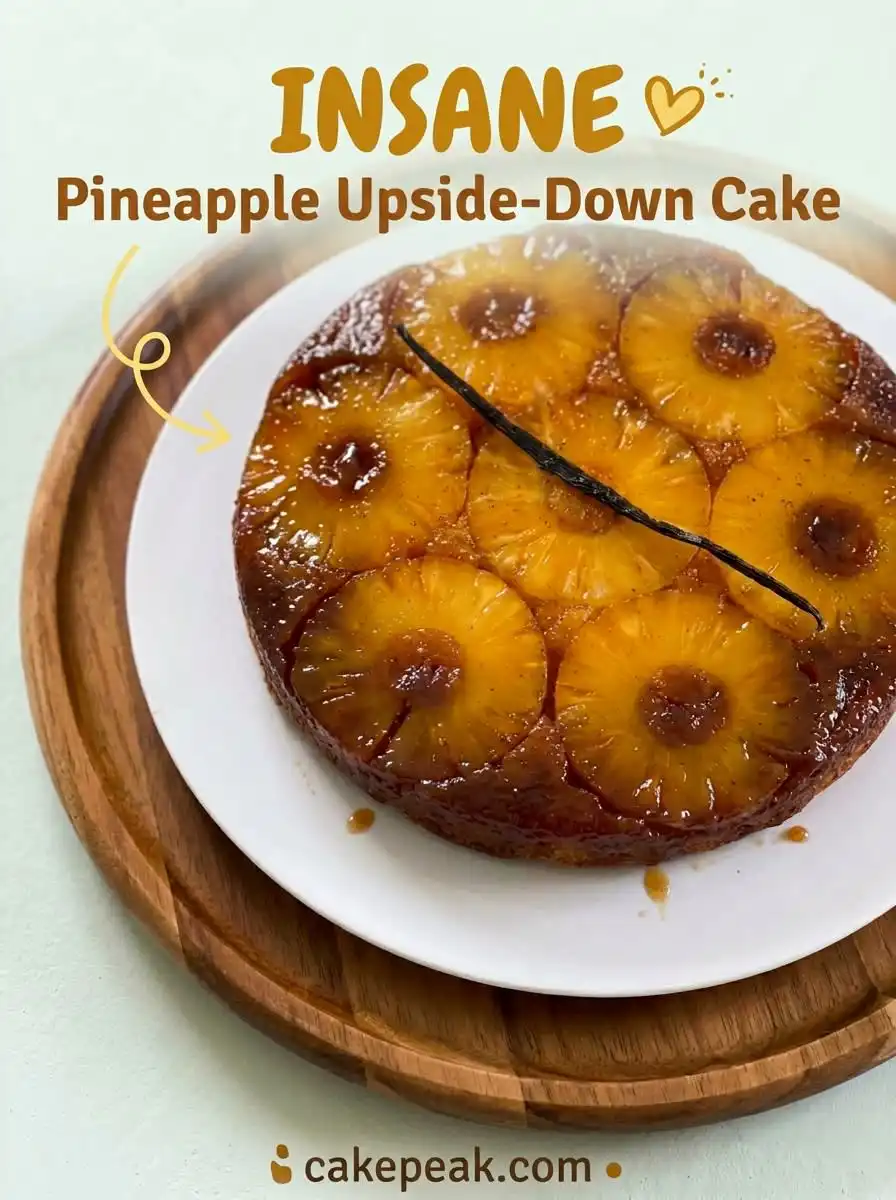
There is something deeply satisfying about flipping a cake and seeing a glorious, glistening pattern of caramelized fruit waiting underneath. It reminds us that some of the best things in baking come from patience, simple ingredients, and a little bit of trust in the process. This recipe brings the warmth of old-fashioned kitchens right to your modern table, reminding us of the joy of honest, rustic baking.
As the seasons change, you can continue this baking tradition with whatever fruit is fresh in your garden or at the local market. Try your hand at a classic blackberry upside down cake when the wild brambles are heavy with ripe berries in late summer. Letting the natural sweetness of the fruit guide your hands is the true farmhouse way of cooking.
I would love to hear how your cake turned out and see the beautiful, rustic cracks and glazes on your table. Share your baking moments with our community of home bakers by posting your creations online. Connect with us on Pinterest, follow our latest kitchen stories on Facebook, watch our short baking videos on TikTok, or join our chats on Telegram to stay inspired all season long.