My grandmother always said that a cake baked in a heavy cast-iron skillet carries a special kind of warmth that no modern pan can ever replicate.

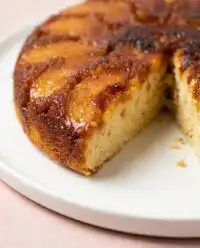
That timeless kitchen wisdom comes alive the moment you pull a golden, bubbling Classic Pineapple Upside Down Cake out of your oven. This beloved vintage dessert combines sweet, caramelized fruit with a rich, buttery crumb that holds its shape gracefully on your serving platter. Bringing this nostalgic masterpiece to your family dinner table offers a taste of true Southern comfort that feels both deeply familiar and wonderfully refined. It represents the perfect harmony of simple pantry staples turning into something extraordinary through a bit of patience and careful technique. Let us walk through the simple steps to master this classic bake together.
The Heart of Our Classic Pineapple Upside Down Cake
Prep: 20 min · Serves: 8 · Difficulty: Medium
There is a quiet joy in watching butter and brown sugar transform into a rich caramel glaze right inside your baking pan. When you pair that sweetness with the sharp brightness of tropical fruit, you create a beautiful balance that has sustained generations of dessert lovers. This particular recipe draws inspiration from our traditional pineapple cake while focusing on the signature upside-down technique that guarantees a beautiful, moist slice every single time.
- Golden caramelized pineapple topping tastes spectacular.
- Rich buttermilk batter yields a tender crumb.
- Classic pantry ingredients make baking incredibly easy.
- Elegant presentation brightens up any dessert table.
- Warm vanilla aromatics fill the entire kitchen.
This vintage beauty is the one cake your family will ask for every single Sunday.
Get The Full Cake Recipe
Print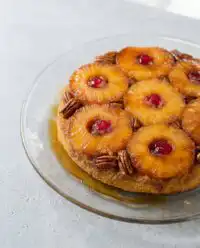
Classic Pineapple Upside Down Cake
- Total Time: 1 hour 5 mins
- Yield: 8 servings
Description
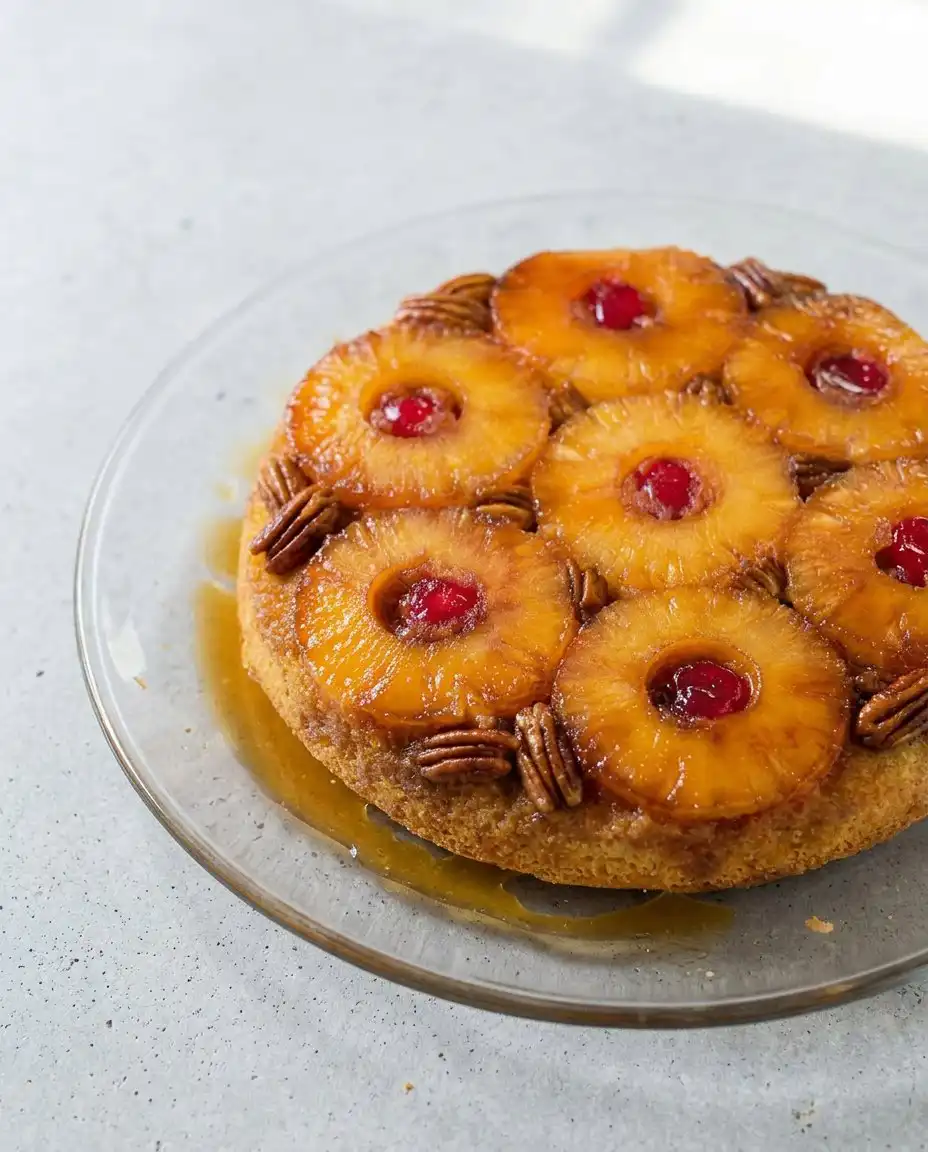
This timeless dessert features a rich, buttery sponge baked over a layer of caramelized pineapple rings and maraschino cherries. It is a quintessential vintage treat that delivers Southern comfort and a beautiful, show-stopping presentation every time.
Ingredients
- 1/2 cup unsalted butter, melted
- 1 cup light brown sugar, packed
- 1 can (20 oz) pineapple rings, drained
- 1/2 cup maraschino cherries
- 1 1/2 cups all-purpose flour
- 1 1/2 teaspoons baking powder
- 1/2 teaspoon salt
- 1/2 cup unsalted butter, softened
- 1 cup granulated sugar
- 2 large eggs
- 1 teaspoon vanilla extract
- 1/4 cup pineapple juice
- 1/2 cup whole milk
Instructions
- Prepare your oven. Preheat the oven to 350°F and pour the melted butter into a 9-inch cake pan or cast-iron skillet, coating the bottom evenly.
- Build the base. Sprinkle brown sugar over the butter, then arrange the pineapple rings and maraschino cherries in an even, decorative pattern on the bottom of the pan.
- Whisk dry ingredients. Sift the flour into a bowl and whisk together with the baking powder and salt until thoroughly combined.
- Cream butter and sugar. Beat the softened butter and granulated sugar in a stand mixer on medium speed for 3 to 4 minutes until the mixture is pale and fluffy.
- Emulsify the wet ingredients. Add the eggs one at a time, followed by the vanilla extract and pineapple juice, mixing well to create a stable emulsion.
- Combine the batter. Alternately add the dry mixture and the milk to the butter mixture, beginning and ending with the flour, mixing on low until just smooth.
- Bake the cake. Spread the batter over the fruit and bake for 45 minutes until the cake is golden and a toothpick inserted into the center comes out clean.
- Cool and invert. Let the cake rest for 10 minutes before placing a serving plate over the pan and carefully inverting it to reveal the caramelized fruit top.
Notes
- Ensure pineapple rings are thoroughly patted dry with paper towels to prevent a soggy base.
- Always use room-temperature butter to ensure maximum air incorporation during the creaming stage.
- If the cake resists unmolding, gently heat the base of the pan on the stove to soften the caramel.
- Spoon flour into your measuring cup rather than scooping directly from the bag to avoid a dense, dry cake.
- Prep Time: 20 mins
- Cook Time: 45 mins
- Category: Dessert
- Method: Baking
- Cuisine: Southern
Gather These From the Pantry
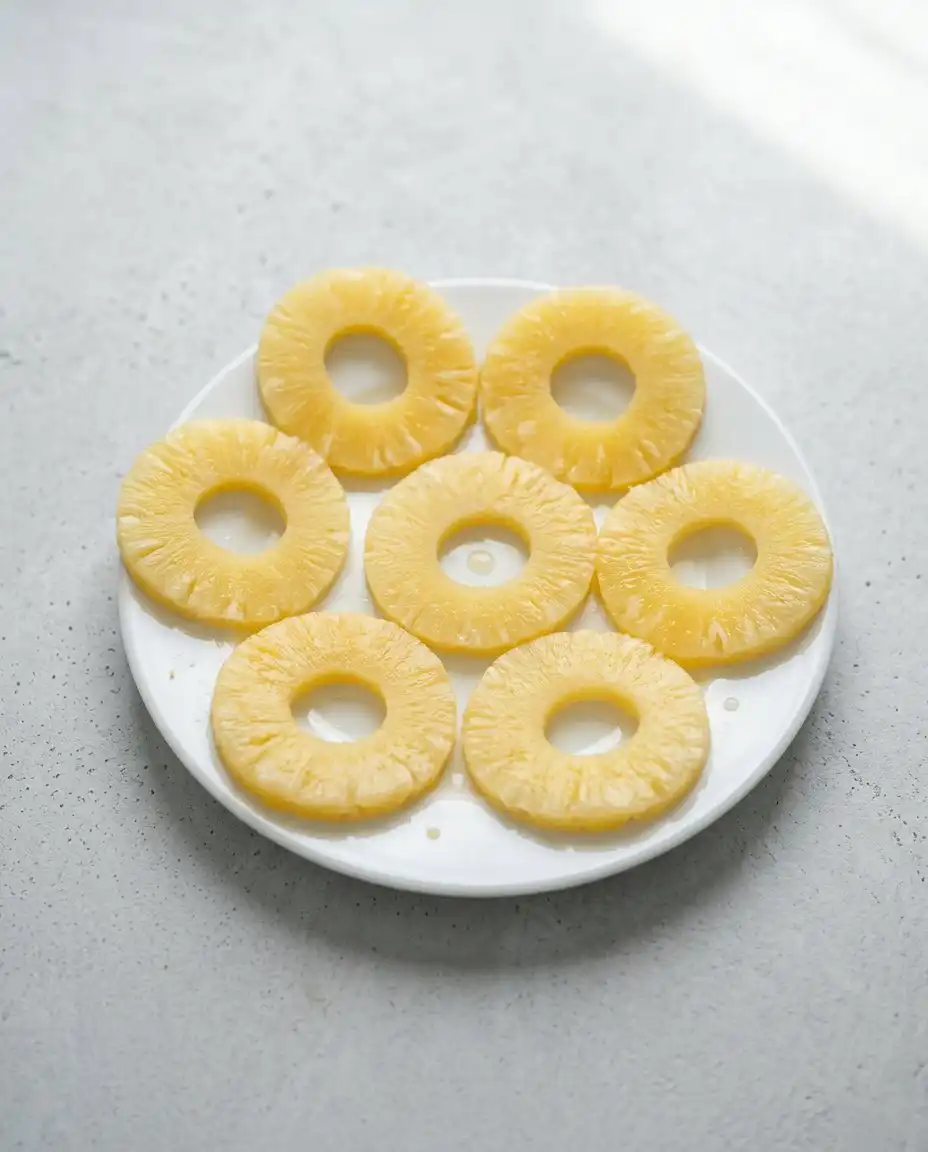
Before we begin mixing, let us gather the foundational elements that build this comforting dessert. Using room-temperature ingredients makes sure your batter comes together smoothly without curdling or separating during the mixing process. Each of these components plays a specific role in creating the iconic flavor and delicate structure of this vintage favorite.
- Light Brown Sugar: This creates the rich, molasses-scented caramel base that bathes the fruit as the cake bakes.
- Pineapple Rings: Canned pineapple slices in 100% juice provide the classic look and a bright, juicy counterpoint to the sweet sponge.
- Unsalted Butter: High-quality butter gives the sponge its tender crumb and forms the foundation of the caramel topping.
- Pineapple Juice: Adding a splash of juice directly to the batter carries the tropical flavor throughout the entire cake.
- Maraschino Cherries: These bright red gems fill the center of each ring, adding vintage charm and a sweet pop of color.
- All-Purpose Flour: Sifted flour provides the necessary structure to support the heavy, caramelized fruit topping once inverted.
| Ingredient | Why It Matters |
|---|---|
| Light Brown Sugar | Melts with butter to create the signature caramelized glaze. |
| Pineapple Rings | Adds juicy, tropical sweetness and visual appeal to the top. |
| Unsalted Butter | Generates a rich, moist crumb and stabilizes the batter structure. |
| Pineapple Juice | Infuses the sponge with authentic fruit flavor and natural acidity. |
| Sifted Flour | Holds the tender crumb together so the cake cuts cleanly. |
From Bowl to Cake Stand
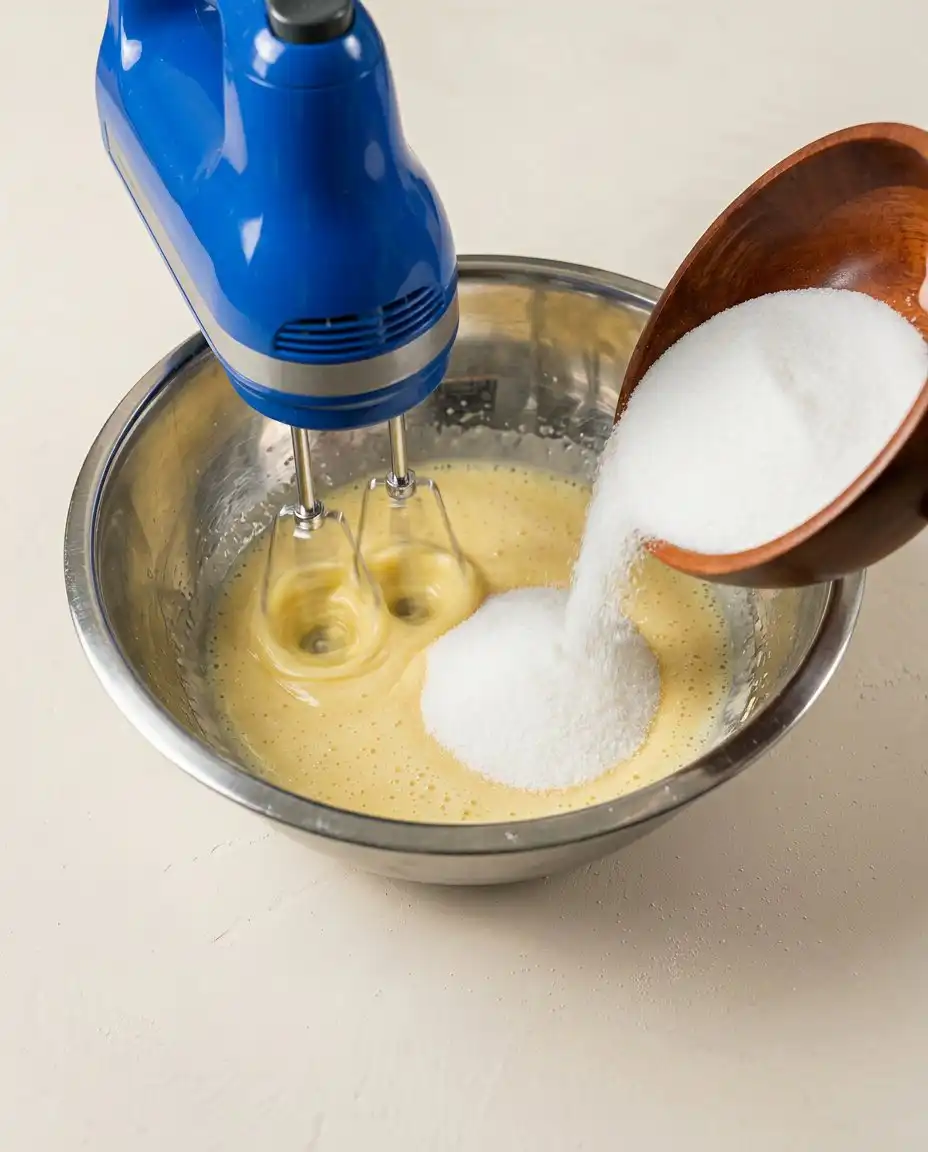
Here is how we assemble this Classic Pineapple Upside Down Cake with precision and care. Following these steps closely will guarantee a beautiful release and a crumb that melts beautifully on the fork.
Step 1: Prep Your Oven and Pan
Preheat your oven to 350°F to make sure it reaches the proper baking temperature before the batter is ready. Pour the melted unsalted butter directly into your nine-inch cake pan or heavy cast-iron skillet, coating the bottom evenly. This liquid gold acts as the non-stick barrier and the base of your caramelized fruit layer. Ensure the butter is distributed all the way to the edges to prevent sticking later.
Step 2: Build the Caramel Fruit Base
Sprinkle the light brown sugar evenly over the melted butter, making sure it covers the entire bottom surface of the pan. Place your drained pineapple rings carefully on top of the sugar layer in a neat pattern. Nestle a bright maraschino cherry into the center of each ring and tuck additional cherries into any open spaces to fill the gaps beautifully. This forms the vibrant, mosaic-like crown of your cake.
Step 3: Whisk the Dry Ingredients
Sift your all-purpose flour into a medium mixing bowl to aerate the grain and remove any dense lumps. Whisk in the baking powder and kosher salt until the mixture is thoroughly uniform. Set this dry mixture aside while we prepare to cream the fats and sugars for the sponge. Proper whisking ensures the leavening agent is distributed evenly so the cake rises beautifully without any unsightly holes.
Step 4: Cream Butter and Sugar
Place your softened butter and granulated sugar into the bowl of a stand mixer fitted with the paddle attachment. Beat on medium speed for about three to four minutes until the mixture looks pale, fluffy, and noticeably light. Scraping down the sides of the bowl twice during this process makes sure you get an even cream and proper air incorporation. This step is the key to building the tiny air pockets that create a light, tender crumb.
Step 5: Emulsify the Wet Ingredients
Add the large eggs one at a time, beating well after each addition to build a stable emulsion. Pour in the vanilla extract and the reserved quarter-cup of pineapple juice, mixing until fully incorporated. Do not worry if the batter looks slightly separated or curdled at this stage, as the flour will quickly bring it back together into a smooth, cohesive structure.
Step 6: Bake Your Classic Pineapple Upside Down Cake Batter to Perfection
Turn your mixer to low speed and add one-half of your sifted dry flour mixture, stirring just until the white streaks disappear. Pour in the whole milk, followed by the remaining flour, mixing gently to avoid overworking the gluten. The resulting batter should look thick, smooth, and ribbons off your spatula when lifted. Mixing slowly at this stage keeps the crumb exceptionally tender and soft.
Step 7: Spread the Batter and Bake
Spoon the thick batter gently over your arranged pineapple rings, using an offset spatula to spread it evenly without disturbing the fruit layout beneath. Slide the pan into the center of your preheated oven and bake for forty-five minutes. You will know it is done when the edges pull away from the pan and a wooden toothpick inserted into the center comes out clean. The top of the cake should be deep golden brown and spring back slightly when lightly touched.
Step 8: Cool and Invert
Let the hot cake rest on a wire rack for exactly ten minutes to let the caramel set slightly without hardening. Place your serving plate upside down over the top of the pan, then confidently flip both over in one smooth motion. Lift the pan slowly to reveal the glistening, caramelized fruit topping in all its golden glory. If any pineapple rings shift slightly during the transfer, simply slide them back into place with a butter knife while warm.
Southern Baker’s Secrets
To achieve the cleanest release, make sure your baking pan has straight two-inch sides. While a cast-iron skillet is highly traditional, a modern cake pan simplifies the inversion process dramatically. This straightforward trick prevents the delicate sponge from catching on the sides and breaking when you flip it.
If your cake sticks to the pan during inversion, the caramel has likely cooled too much and hardened. To fix this, place the bottom of the pan over a warm stovetop burner for thirty seconds to melt the sugars before trying to release it again. This quick heat melts the sugar enough to let the cake slide out easily without tearing the fruit.
Dry your canned pineapple rings thoroughly with paper towels before placing them on the brown sugar. Excess moisture from the fruit can sink into the batter, leading to a soggy top layer instead of a clean, caramelized crust. This simple drying step is the secret to a beautiful, defined presentation that looks professional.
When measuring your flour, always spoon it into the measuring cup and level it off with a knife instead of scooping directly from the bag. Scooping packs the flour tightly, which results in a dense and dry cake rather than the light crumb we want. You can apply these same measuring techniques to our comforting classic peach upside down cake for a flawless bake every time.
If you want to experience the classic skillet look, you can research the traditional skillet inversion technique to master the weight of heavy cast iron. Be sure to use heavy oven mitts and commit to a single, swift motion when turning the hot skillet onto your serving platter. Doing this with confidence prevents the hot caramel from leaking out of the sides.
Letting your butter reach true room temperature is vital for the creaming step. Cold butter will not trap the air pockets needed to lift the batter, resulting in a flat sponge. Leave your butter on the counter for at least an hour before you plan to begin baking to guarantee the perfect texture.
Frequently Asked Questions
Why does my Classic Pineapple Upside Down Cake stick?
If your cake sticks to the bottom of the pan, the caramel may have cooled and hardened too much before you attempted the flip. Always invert the cake exactly ten minutes after removing it from the oven while the sugars are still warm and fluid. If you wait too long, the cooling sugars act like glue, holding the fruit firmly to the metal. To prevent this, setting a kitchen timer the moment your cake leaves the oven is an excellent practice.
Can I use fresh pineapple instead of canned?
Yes, you can certainly use fresh pineapple slices for a brighter and slightly more tart flavor profile. Make sure to slice the fruit to an even thickness so it lays flat in the pan. Since fresh fruit does not yield juice like canned varieties, you will need to purchase a small bottle of pineapple juice for the batter. Blotting the fresh slices thoroughly is especially important because they can release more natural liquid as they bake.
Should I use maraschino cherries?
Maraschino cherries are the traditional choice for this vintage dessert, providing both a classic look and a sweet burst of nostalgic flavor. However, if you prefer to avoid them, you can substitute fresh sweet cherries or pecan halves for a delightful texture. Pecan halves toasted in the caramel topping add a wonderful Southern twist that pairs beautifully with the brown sugar glaze. This easy change makes the cake feel even more rustic and homemade.
How do I stop the bottom of the cake from being soggy?
To prevent a soggy top layer, always blot your pineapple slices thoroughly with paper towels before placing them in the pan. Excess moisture from the fruit can dilute the caramel and seep into the batter as it bakes, creating a mushy layer. Additionally, ensure your cake is fully baked in the center before removing it from the oven. Testing the crumb with a clean toothpick is the best way to verify it is completely done.
How do you store Classic Pineapple Upside Down Cake?
Store any leftover cake in an airtight container in the refrigerator for up to three to four days. Because of the fresh fruit topping, leaving it at room temperature for more than a day can cause the topping to spoil. Briefly warm individual slices in the microwave for ten seconds before serving to restore that fresh-baked warmth. It tastes just as wonderful on the second day when warmed slightly.
Can I bake this cake in a springform pan?
It is highly recommended to avoid springform pans because the butter and brown sugar mixture will leak through the bottom seal as it melts. This leakage ruins your oven and deprives the cake of its luscious caramel topping. Stick to a solid cake pan or a well-seasoned cast-iron skillet for the best results. If you must use a loose-bottom pan, wrap the entire exterior tightly in multiple layers of heavy-duty aluminum foil to catch any drips.
Can I make this Classic Pineapple Upside Down Cake ahead of time?
You can easily bake this cake a day in advance and store it in the refrigerator overnight. When you are ready to serve, cover the cake with foil and warm it in a low-temperature oven at 300°F for about ten to fifteen minutes. This gentle reheating restores the soft texture of the sponge and makes the caramelized topping beautifully glossy again.
Reunion-Worthy Variations
While the traditional recipe is hard to beat, you can easily adapt these flavors to suit your family’s personal preferences. Swap the canned pineapple rings for fresh pineapple slices if you prefer a more intense, tart fruit flavor. When using fresh fruit, remember to purchase a small carton of pure pineapple juice separately to flavor your batter.
For a deep, autumnal twist, replace the light brown sugar in the pan with dark muscovado sugar and add a pinch of ground cinnamon to the batter. This alteration mirrors the rich profile of our brown sugar peach upside down cake, creating a deeper caramelization that pairs beautifully with the tropical fruit. The molasses notes in the dark sugar bring out a robust, rustic flavor that feels incredibly cozy.
You can also turn this into a tropical coconut variation by swapping the whole milk for unsweetened canned coconut milk. Fold a half-cup of sweetened shredded coconut into the finished batter right before pouring it over the pineapple rings. The toasted coconut elements bake beautifully into the bottom of the cake, adding a wonderful texture and aroma.
Serve It Southern-Style
There is nothing quite like presenting a warm, glistening Classic Pineapple Upside Down Cake to a room full of hungry family members. To honor the vintage appeal of this dessert, serve each golden slice warm with a generous scoop of homemade vanilla bean ice cream. The cold ice cream melts slowly into the warm caramelized sponge, creating a rich sauce that makes every single bite feel like a special occasion.
If you are hosting a casual afternoon gathering under the shade trees, pair this cake with a tall glass of unsweetened iced tea. The clean bitterness of the tea cuts through the deep sweetness of the caramelized sugar beautifully. If you love the effortless appeal of fruit-forward desserts, you might also enjoy exploring our no bake caramel peach upside down cake for your next summer gathering.
For an elegant touch at a Sunday dinner, garnish the serving platter with fresh mint sprigs around the base of the cake. This simple addition of greenery highlights the vivid yellow of the pineapples and the deep red of the cherries. Always use a sharp, serrated knife to cut clean slices through the fruit layers without tearing the tender crumb.

From My Kitchen to Yours
Baking a classic dessert like this is about more than just satisfying a sweet tooth; it is about keeping cherished kitchen traditions alive. Every time you flip a cake pan to reveal that beautiful arrangement of golden pineapples, you are sharing a piece of culinary history. This simple act of kitchen hospitality is what connects us to the grandmothers and aunts who perfected these recipes before us.
If you find yourself captured by the magic of upside-down baking, do not stop with pineapples. You can easily adapt these same skills to try our beloved peach upside down cake recipe when fresh peaches are in season. Sharing these bakes with the people you love is how we create lasting memories around the family dinner table.
We would love to see how your beautiful creation turns out, so please share your baking journey with us online. You can connect with our community of passionate home bakers by joining our official Pinterest, Facebook, TikTok, and Telegram channels. Let us keep the warmth of traditional Southern baking alive in kitchens everywhere, one glorious slice at a time.