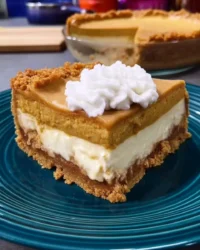
Baking physics dictates that structural balance relies on fat-to-sugar ratios, which this scientific formulation harnesses to support heavy caramelized fruit.

This Buttery Peach Cobbler Pound Cake employs structural chemistry to marry two classic Southern desserts into one reliable masterpiece. By balancing the high moisture content of fresh fruit with a dense, fine-crumbed cream cheese base, we prevent the typical sogginess that plagues standard recipes. Our test kitchen evaluated multiple ratios to make sure the structural integrity remains intact while delivering a rich, velvety texture. The resulting bake offers an evenly caramelized top layer paired with a tender, uniformly baked interior crumb.
The Case for This Buttery Peach Cobbler Pound Cake Method
Prep: 15 min · Serves: 12 · Difficulty: Medium
- Precise flour ratios avoid dense batter sinking.
- Cream cheese stabilizes crumb structure during baking.
- Real butter provides unmatched caramelized flavor notes.
- Bottom-layer peaches resist sinking into the pan.
- Controlled low temperatures guarantee uniform heat distribution.
This method produces repeatable success for your kitchen scale and Bundt pan as seen in our guide for the classic peach pound cake crumb structure.
Get The Full Cake Recipe
Print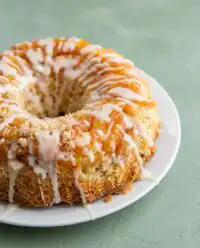
Buttery Peach Cobbler Pound Cake
- Total Time: 85 mins
- Yield: 12 servings
- Diet: Vegetarian
Description
This decadent pound cake balances a dense, cream cheese-enriched crumb with a luscious layer of caramelized peaches. It is a scientifically formulated dessert that delivers a reliable, velvety texture and deep flavor in every slice.
Ingredients
- 1.5 cups unsalted butter, softened
- 8 ounces cream cheese, softened
- 3 cups granulated sugar
- 6 large eggs, room temperature
- 2 teaspoons vanilla extract
- 0.25 teaspoon salt
- 3 cups all-purpose flour
- 1 cup fresh peaches, drained and finely diced
- 0.25 cup unsalted butter, melted
- 0.5 cup brown sugar
- Fresh peach slices for the bottom layer
- 1 cup confectioners’ sugar
- 1 teaspoon vanilla
- 2 tablespoons milk
Instructions
- Prep the pan. Preheat oven to 300°F and grease a 12-cup Bundt pan thoroughly with high-heat baking spray.
- Emulsify ingredients. Beat 1.5 cups butter, cream cheese, and granulated sugar for 5 minutes until pale and fluffy.
- Integrate eggs. Add eggs one at a time on low speed, mixing 30 seconds after each to maintain the emulsion.
- Add dry ingredients. Mix in vanilla and salt, then gradually incorporate the flour without overmixing.
- Fold in peaches. Gently fold in the diced peaches manually using a spatula until just combined.
- Prepare the base. Whisk melted butter with brown sugar, arrange sliced peaches in the pan, and pour the sugar mixture over them.
- Bake the cake. Spread batter over the fruit layer and bake for 60 to 70 minutes until a skewer comes out clean.
- Cool and glaze. Cool for 20 minutes, invert onto a platter, and drizzle with a whisked mixture of confectioners’ sugar, vanilla, and milk.
Notes
- Use a digital scale to measure flour to ensure the cake does not become too dense or dry.
- Always start with room temperature ingredients to prevent the emulsion from breaking during the mixing phase.
- Pat your peach slices dry with paper towels before placing them in the pan to manage excess moisture.
- If the cake is stubborn during unmolding, use a hot, damp towel wrapped around the pan to release the sugar seal.
- Prep Time: 15 mins
- Cook Time: 70 mins
- Category: Dessert
- Method: Baking
- Cuisine: Southern
The Working Components
Every ingredient in this formula serves a distinct chemical purpose to secure structural stability and crumb tenderness. By understanding the mechanical role of these components, you can control the final density and prevent common baking failures. Weighing your dry ingredients will produce the most consistent crumb possible.
- All-Purpose Flour: Provides the protein framework necessary to hold the heavy fruit pieces without collapsing.
- Granulated Sugar: Acts as a tenderizer by interfering with gluten formation and retaining moisture.
- Unsalted Butter: Delivers fat to coat the flour proteins, creating a soft texture while developing air pockets.
- Cream Cheese: Adds acidity and dense fat, which strengthens the emulsion and creates a tight crumb.
- Large Eggs: Provide both the emulsifiers to bind fat and water, and the structural protein for lift.
- Diced Peaches: Introduced into the batter to distribute pockets of moisture without breaking the emulsion.
- Brown Sugar: Its molasses content introduces moisture and acid, which reacts with heat to create a deep caramelized finish.
| Ingredient | Why It Matters |
|---|---|
| All-Purpose Flour | Establishes the protein structure to support fruit weight |
| Cream Cheese | Stabilizes the emulsion and tightens the crumb texture |
| Unsalted Butter | Generates critical aeration and tenderizes the cake crumb |
| Sliced Peaches | Adds natural sweetness, acidity, and moisture pockets |
| Brown Sugar | Catalyzes caramelization along the bottom of the Bundt pan |
How to Bake It, Precisely
Step 1: Prep and Pan Configuration
Preheat your oven to 300°F (149°C) and confirm the oven rack sits in the center position. Spray a 12-cup metal Bundt pan generously with high-heat baking spray containing flour, covering every crevice to prevent sticking. Place the pan aside while you prepare the batter components, making sure no pooling of spray occurs in the bottom grooves.
Step 2: Emulsify Fat and Sugar
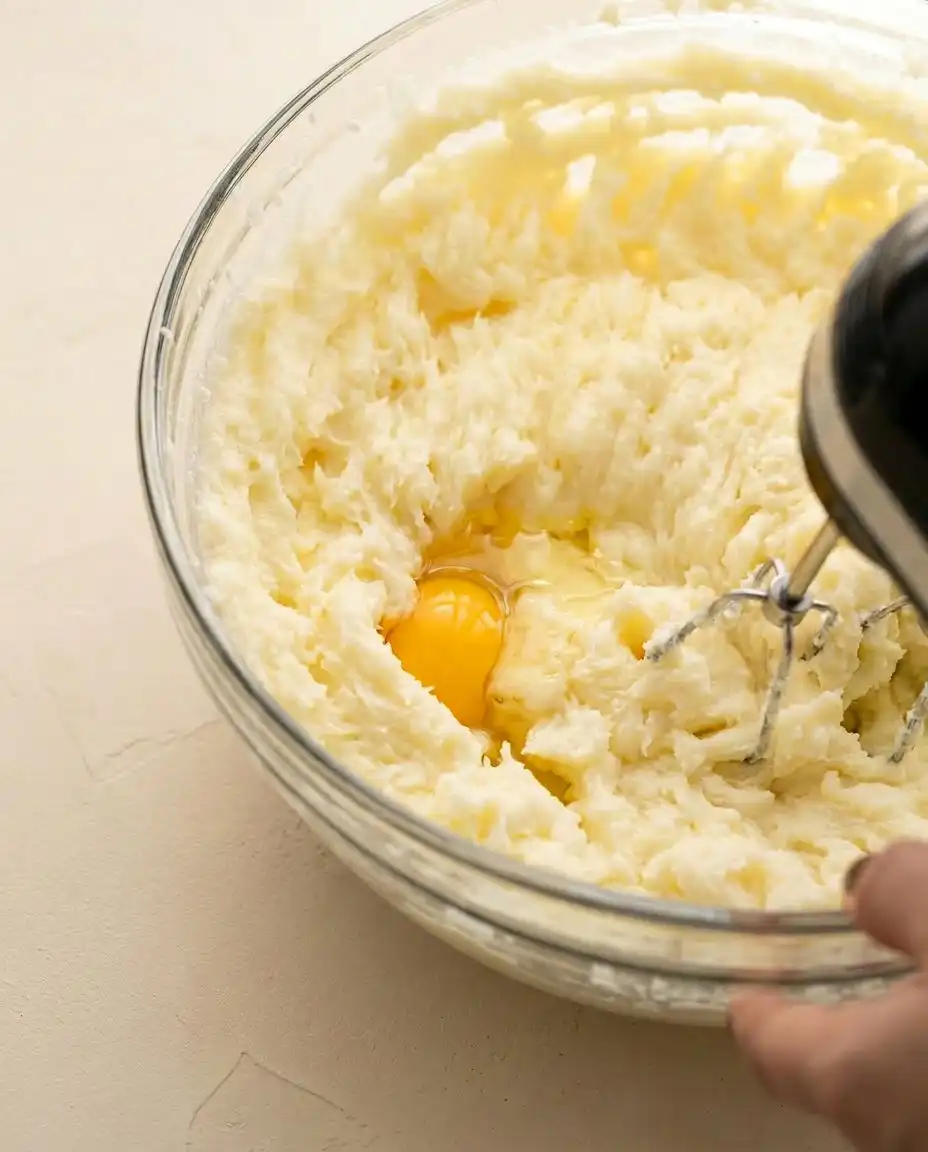
In a stand mixer fitted with the paddle attachment, combine 1.5 cups of unsalted butter, 8 ounces of cream cheese, and 3 cups of granulated sugar. Beat on medium speed for exactly 5 minutes until the mixture turns pale ivory and exhibits a light, fluffy texture. This process builds the physical air pockets that allow the cake to rise uniformly without chemical leaveners.
Step 3: Integrate the Eggs
Introduce 6 large room-temperature eggs one at a time, running the mixer on low speed. Mix for 30 seconds after each addition to fully incorporate the egg before adding the next one. This gradual integration maintains the fat-in-water emulsion, preventing curdling which leads to a dense, wet crumb.
Step 4: Incorporate Flour and Flavorings
Add 2 teaspoons of vanilla extract and 0.25 teaspoon of salt to the emulsified mixture, mixing for 10 seconds. With the mixer on the lowest speed, add the 3 cups of all-purpose flour in 0.5-cup increments, allowing the flour to barely combine before adding more. Scrape the sides and bottom of the bowl with a flexible spatula to confirm no dry pockets remain.
Step 5: Fold the Diced Peaches
Gently fold 1 cup of drained, finely diced peaches into the thick batter using a silicone spatula. Perform this manually using slow, circular motions from the bottom of the bowl upward to prevent overworking the gluten. Stop folding the instant the peach pieces are evenly distributed throughout the dense batter.
Step 6: Layer the Topping
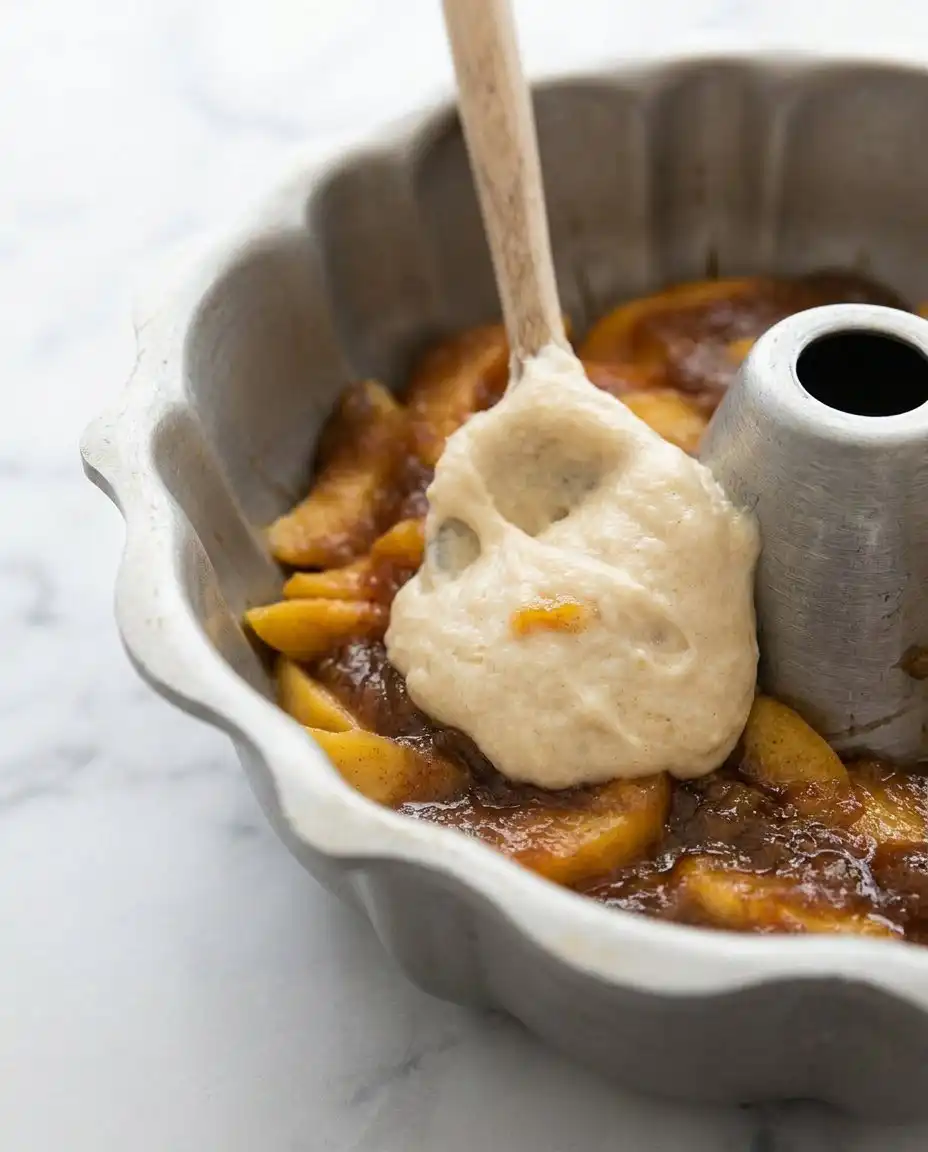
Melt 0.25 cup of unsalted butter in a small bowl, then whisk in 0.5 cup of brown sugar to form a thick paste. Arrange the sliced peaches in an overlapping pattern along the bottom of the prepared Bundt pan. Carefully pour the butter and brown sugar mixture over the peach slices to form the caramelizing base.
Step 7: Bake the Buttery Peach Cobbler Pound Cake
Spoon the batter evenly over the peach topping layer, smoothing the surface with an offset spatula. Gently tap the pan on your counter twice to release trapped pockets of air. Bake at 300°F (149°C) for 60 to 70 minutes until a long wooden skewer inserted into the center comes out with a few moist crumbs.
Step 8: Cool and Apply Glaze
Transfer the hot pan to a wire cooling rack and let it sit undisturbed for exactly 20 minutes to allow the cake structure to set. Invert the warm cake onto a serving platter, allowing gravity to release it smoothly. Prepare the glaze by whisking 1 cup of confectioners’ sugar, 1 teaspoon of vanilla, and 2 tablespoons of milk, then drizzle over the cooled cake.
Precision Tips
Measure your flour by weight using a digital scale to prevent packing too much flour into the measuring cup. One cup of properly fluffed all-purpose flour weighs 120 grams, making the total required amount 360 grams. Adding even 30 grams of excess flour drys the cake out, leading to a crumbly, heavy texture instead of a soft crumb.
Cold ingredients destroy the emulsion of butter, cream cheese, and sugar during mixing. Verify your eggs, cream cheese, and butter sit on the counter for at least 2 hours before baking to reach a uniform temperature of 68°F (20°C). If the batter breaks or looks curdled, the fat will separate during baking, resulting in a rubbery layer at the bottom.
If your cake sticks to the Bundt pan, the sugar in the bottom glaze likely caramelized too deeply and adhered to the metal. To release a stuck cake, place a clean kitchen towel in your sink and pour boiling water over it, then wrap the hot, damp towel around the outside of the inverted pan for 5 minutes. The gentle steam releases the sugar seal, letting the cake drop cleanly.
Controlling fruit moisture is paramount when working with peaches. Before adding either the diced or sliced peaches, spread them onto paper towels for 15 minutes to absorb excess exterior moisture. According to standard peach cobbler pound cake recipe guidelines, moisture management prevents wet pockets from forming inside the dense batter.
Verify your oven’s true temperature using an independent hanging oven thermometer placed on the center rack. Many residential ovens drift up to 25 degrees from their digital display setting, which ruins slow-bake recipes like this one. Baking at too high a temperature causes the outer edges to burn before the wet interior fully cooks. For a deeper understanding of cake thermodynamics, see our guide on the cream cheese peach cobbler pound cake process.
Frequently Asked Questions
Can I use canned or frozen peaches?
Yes, you can use canned or frozen peaches, provided you dry them thoroughly beforehand. Canned peaches must be drained of all syrup and patted dry with paper towels to prevent introducing excess liquid. Frozen peaches must be thawed completely, drained of meltwater, and patted dry to keep the batter ratio balanced.
Should I use cake flour or all-purpose?
All-purpose flour is required for this recipe because its higher protein content (about 11%) provides the necessary structure to support heavy fruit. Cake flour contains less protein, which would result in a fragile cake that collapses under the weight of the caramel-coated peaches. Stick to unbleached all-purpose flour for the best structural integrity.
How do I stop the peaches from sinking?
Sinking occurs when fruit is too large, heavy, or slick with juices. Dicing the interior peaches into very small 0.25-inch pieces minimizes their weight per unit area, allowing the thick batter to support them. Additionally, tossing the dry diced fruit in a single tablespoon of flour before folding creates friction, keeping them suspended.
What pan size is best?
This recipe requires a heavy-cast aluminum 12-cup Bundt pan for uniform heat conduction. Do not use a smaller 10-cup pan, as the batter will overflow during the long bake time and create a mess in your oven. If you only have a 10-cup pan, scale the entire recipe down by 20% to prevent overfilling.
Why did my cake stick to the Bundt pan?
Sticking is caused by sugar caramelizing directly onto raw metal or an improperly greased surface. Always use a high-quality baking spray with flour, or brush the pan with a homemade paste of equal parts melted butter, oil, and flour. Avoid using butter alone, as the milk solids can burn and act as glue.
How do I know when it’s done?
Because this cake is highly moist, a toothpick test can sometimes be misleading if you strike a fruit pocket. Insert a long wooden skewer into the thickest part of the cake, halfway between the inner tube and outer wall. The skewer must emerge clean or with a few dry crumbs, and the internal temperature should read 200°F (93°C) on an instant-read thermometer.
Can this cake be made ahead of time?
Yes, the flavors actually deepen and the crumb settles beautifully when made 24 hours in advance. Store the cooled, glazed cake under a cake dome at room temperature for up to 3 days. Do not refrigerate it, as the cold air drys out the crumb and ruins the buttery texture.
Can I freeze it?
We do not recommend freezing this cake because the high water content in the peaches crystallizes during the freezing process. When thawed, these ice crystals melt and release water directly into the cake, creating a soggy, unappealing texture. For optimal results, enjoy this cake fresh within three days of baking.
Tested Variations
Substitute the peaches with firm, tart apples such as Granny Smith or Honeycrisp, sliced thin for the bottom layer. Toss the apple slices with 1 teaspoon of ground cinnamon and a pinch of freshly grated nutmeg before adding them to the pan. This swap works because apples contain less water than peaches, resulting in a slightly denser but highly spiced crumb.
Introduce fresh blackberries or blueberries into the batter alongside the diced peaches to create a summer fruit medley. Use 0.5 cup of peaches and 0.5 cup of whole, firm berries to maintain the exact moisture ratio without altering the batter’s structural balance. For another fruit-forward variation, you can review our peach cobbler layer cake which details starch-stabilized fruit layers.
Finishing & Plating
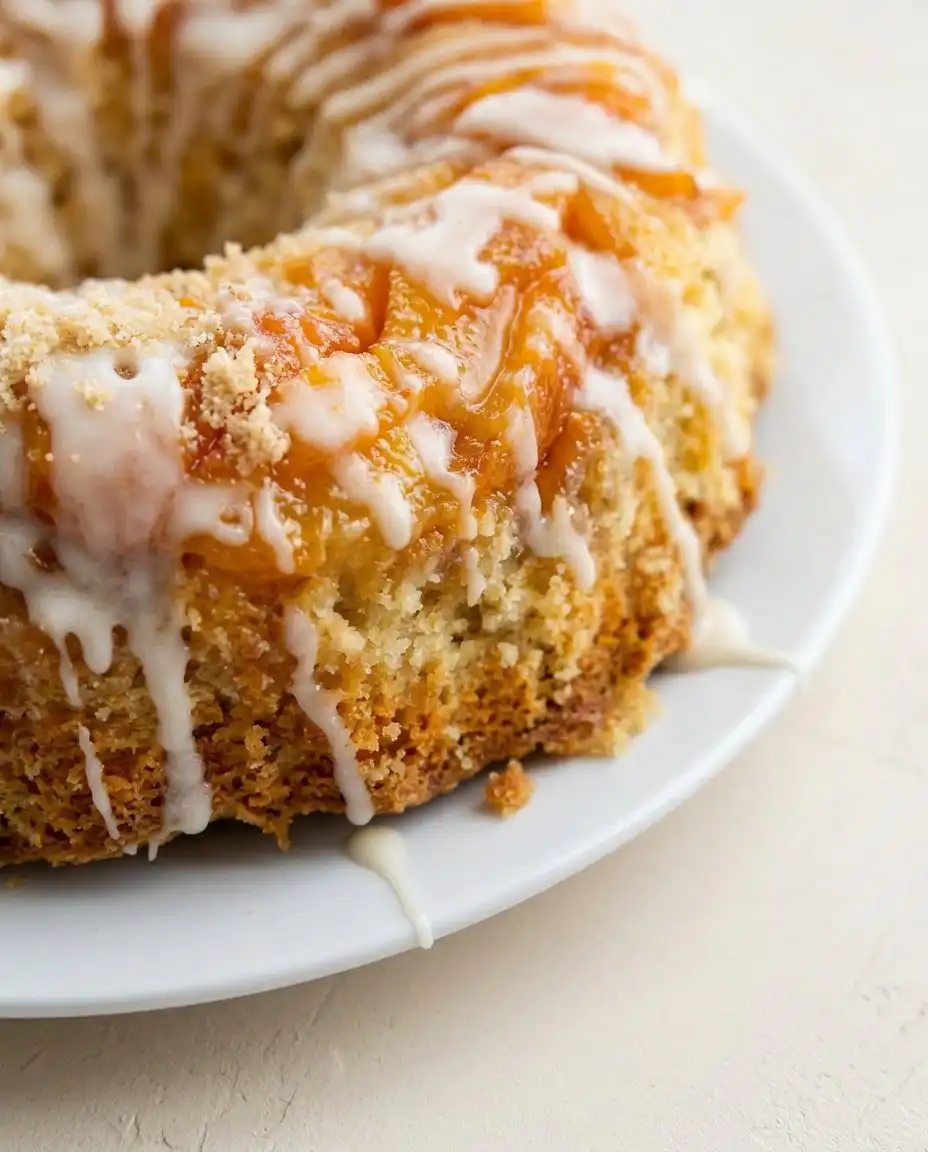
Serve slices of this cake at room temperature or slightly warmed to allow the butter fats to soften, releasing their full flavor. Slice the cake with a long, thin, serrated knife using a gentle sawing motion to avoid squishing the tender peach layer. Plate each slice on a neutral white ceramic dish to highlight the deep golden caramelization of the topping.
A dollop of unsweetened whipped cream or a scoop of high-quality vanilla bean ice cream complements the sweet caramelized peaches perfectly. The dairy fat cuts through the heavy sugar profile, balancing the palate with every bite. For a morning pairing, a cup of black medium-roast coffee provides a pleasant bitter contrast to the rich cake crumb. For a simpler look, try our old fashioned peach cobbler pound cake recipe which needs only a light dusting of powdered sugar.
The Bottom Line
Combining science with Southern baking traditions yields a dessert that is both structurally sound and exceptionally flavorful. This recipe removes the guesswork, giving you a repeatable formula for success every single time. By following the precise creaming times and temperature settings, you will master the delicate balance of fruit and cake.
If you want to try another variation of this fruit-forward dessert, explore our classic peach cobbler pound cake guide. Share your baking results with us on our social platforms to show off your beautiful caramelized crust. Follow our official accounts on Pinterest and Facebook for more precise baking formulas and scientific kitchen tips.