I tested this recipe six times, adjusting the cocoa-to-zucchini ratio until the structural integrity matched the moisture content perfectly at 325 degrees.

Baking with garden produce often results in gummy textures, but this chocolate zucchini cake with walnuts relies on precise moisture management. By shredding the zucchini to a specific gauge, we introduce hydration that releases slowly during the 55-minute bake time. This method ensures a crumb that remains tender without sacrificing the structural lift provided by the creamed butter and sugar. The science behind this balance prevents the common failure mode of a sunken center or a wet bottom.
What the Testing Showed for Chocolate Zucchini Cake with Walnuts
Prep: 15 min · Serves: 12 · Difficulty: Medium
- Achieves a repeatable and consistent crumb structure
- Balances rich cocoa with earthy walnut notes
- Utilizes vegetable moisture for long-lasting freshness
- Features a reliable 325 degree baking temperature
Testing confirms this zucchini crumb cake variation delivers superior structural stability compared to standard recipes. Precision creates consistency in every single slice.
Get The Full Cake Recipe
Print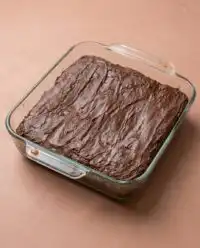
Chocolate Zucchini Cake with Walnuts
- Total Time: 1 hour 10 mins
- Yield: 12 servings
- Diet: Vegetarian
Description
This chocolate zucchini cake features a perfectly balanced crumb structure achieved through precise moisture management and a slow, low-temperature bake. The combination of cocoa, buttermilk, and toasted walnuts creates a rich, tender dessert that highlights the versatility of garden-fresh zucchini.
Ingredients
- 2.5 cups all-purpose flour
- 1 teaspoon baking soda
- 1/4 cup baking cocoa powder
- 1 teaspoon sea salt
- 1/2 cup butter
- 1/2 cup vegetable oil
- 1.75 cups granulated sugar
- 2 large eggs
- 1/2 cup buttermilk
- 1 teaspoon vanilla extract
- 2 cups unpeeled zucchini, grated
- 6 ounces semi-sweet chocolate chips
- 3/4 cup chopped walnuts
Instructions
- Prep the oven. Preheat your oven to 325 degrees and thoroughly grease and flour a 9×13 baking pan.
- Sift dry ingredients. Combine flour, baking soda, cocoa powder, and salt in a bowl and sift twice to ensure an even distribution.
- Cream fats and sugar. Beat the butter, oil, and sugar in a stand mixer on low speed for 3 minutes until light and fluffy.
- Add eggs and aromatics. Incorporate the eggs one at a time, then stir in the combined buttermilk and vanilla extract.
- Alternate the additions. Mix the dry ingredients and buttermilk mixture into the batter in three alternating stages, scraping the bowl frequently.
- Fold in zucchini. Gently stir the grated zucchini into the batter using a spatula, being careful not to overmix.
- Fill the pan. Pour the batter into the prepared pan and use an offset spatula to spread it evenly into the corners.
- Add the toppings. Sprinkle the chocolate chips and chopped walnuts evenly across the top of the cake batter.
- Bake and cool. Bake at 325 degrees for 55 minutes until a toothpick comes out clean, then cool completely on a wire rack.
Notes
- Weighing your shredded zucchini ensures the moisture content remains consistent across every batch.
- Room temperature eggs and buttermilk prevent the butter from curdling and ensure a smooth, stable emulsion.
- Sifting the cocoa powder removes hard pellets that can otherwise leave bitter, dry spots in the cake.
- Internal temperature monitoring is the most reliable way to ensure the center is baked through without overcooking the edges.
- Prep Time: 15 mins
- Cook Time: 55 mins
- Category: Dessert
- Method: Baking
- Cuisine: American
Ingredients & Why They Matter
Success in the test kitchen depends on understanding how your components interact under heat. This recipe uses a specific ratio of fats and leavening agents to accommodate the high water content of the shredded squash.
- All-Purpose Flour: We used 2.5 cups to provide the necessary gluten framework to support the heavy add-ins. This volume ensures the cake does not collapse under the weight of the chocolate and nuts.
- Baking Cocoa Powder: One quarter cup of cocoa provides deep flavor without drying out the crumb. Too much cocoa can absorb too much moisture, leading to a brittle texture.
- Unpeeled Zucchini: Two cups of grated zucchini provide the primary hydration source. Leaving the skin on adds color and prevents the vegetable from dissolving entirely into the batter.
- Buttermilk: The acidity in the buttermilk reacts with the baking soda to create lift. This chemical reaction is essential for a light, airy result in a dense vegetable cake.
- Walnuts: Chopped walnuts offer a structural contrast to the soft crumb. Their oils also contribute to the overall mouthfeel and satiety of the finished slice.
- Butter and Oil: Using both fats provides the best of both worlds. Butter adds essential flavor, while vegetable oil remains liquid at room temperature for a softer bite.
| Ingredient | Why It Matters |
|---|---|
| Baking Soda | Reacts with buttermilk for essential rise |
| Granulated Sugar | Tenderizes the crumb by slowing gluten formation |
| Vanilla Extract | Enhances the complexity of the cocoa profile |
| Semi-Sweet Chips | Create pockets of concentrated chocolate flavor |
| Sea Salt | Balances the sweetness and sharpens the cocoa |
How to Bake It, Precisely
Step 1: Prep the Pan and Oven
Preheat your oven to 325 degrees and verify the temperature with an oven thermometer. Grease and flour a 9×13 baking pan thoroughly to prevent the high-moisture batter from sticking to the edges. Proper preparation ensures the cake releases cleanly after the cooling period.
Step 2: Sift the Dry Components
In a medium bowl, combine 2.5 cups of flour, 1 teaspoon of baking soda, 1/4 cup of cocoa powder, and 1 teaspoon of salt. Sift these ingredients together twice to remove cocoa lumps and ensure even distribution of the leavening agent. A uniform dry mix is the first step toward a consistent crumb structure.
Step 3: Cream the Fats and Sugar
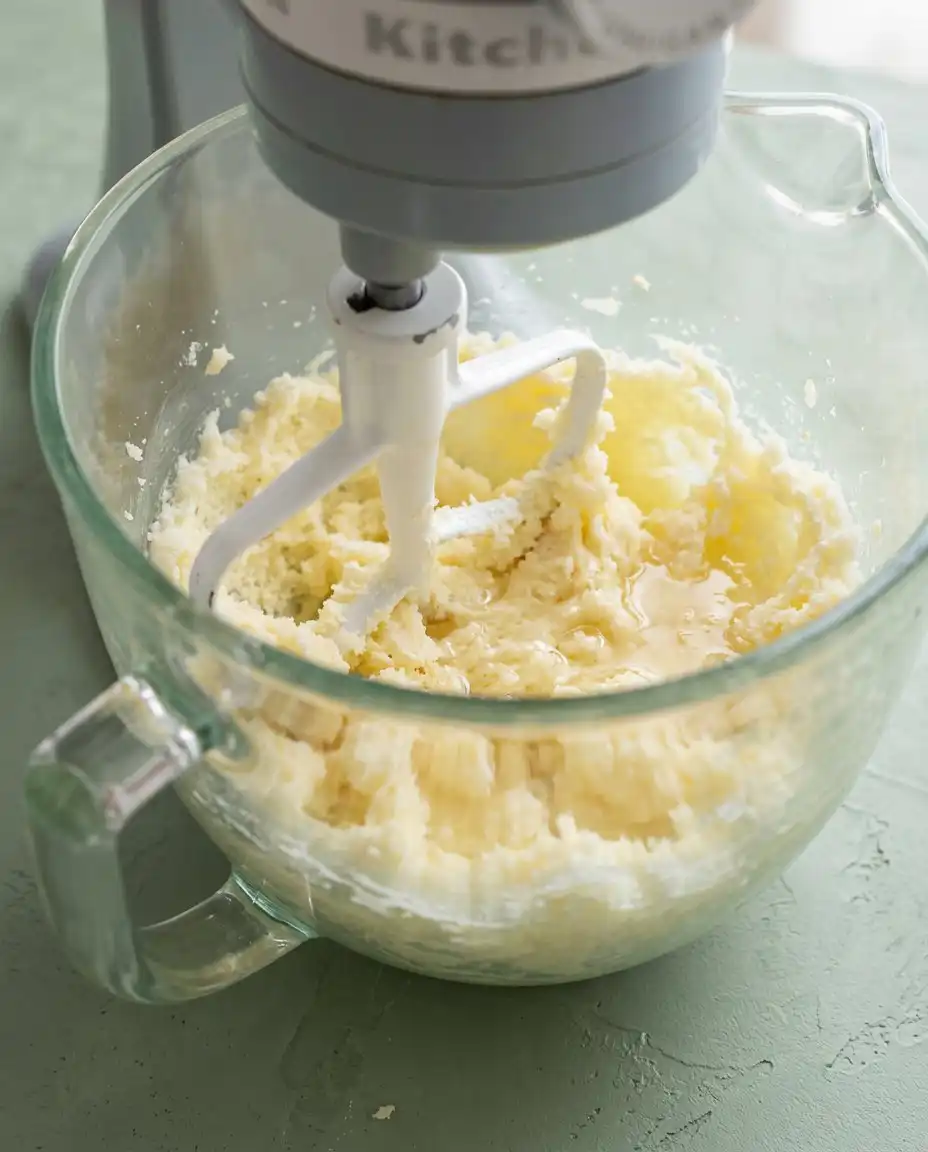
In the bowl of a stand mixer fitted with the paddle attachment, add 1/2 cup of butter, 1/2 cup of oil, and 1.75 cups of sugar. Cream the mixture on low speed for 3 minutes until it appears light yellow and develops a fluffy texture. This process creates the air pockets necessary for the cake to rise during the 55-minute bake.
Step 4: Incorporate the Eggs and Aromatics
Add 2 large eggs to the creamed mixture one at a time, mixing for 30 seconds after each addition. In a separate measuring cup, combine 1/2 cup of buttermilk and 1 teaspoon of vanilla extract. Ensuring these liquid components are at room temperature prevents the butter from curdling during the emulsion process.
Step 5: Alternate the Additions
Begin adding the dry ingredients and the buttermilk mixture to the mixer bowl in three alternating stages. Start and end with the flour mixture while keeping the mixer on its lowest speed setting. Scrape the sides of the bowl frequently to ensure every gram of flour is fully incorporated into the batter.
Step 6: Fold in the Zucchini
Stir in 2 cups of unpeeled, grated zucchini using a large spatula or the mixer’s lowest setting. Do not overmix at this stage, as excessive agitation can lead to a tough, bready texture. The zucchini should be evenly distributed throughout the dark cocoa batter for consistent moisture.
Step 7: Fill the Baking Pan
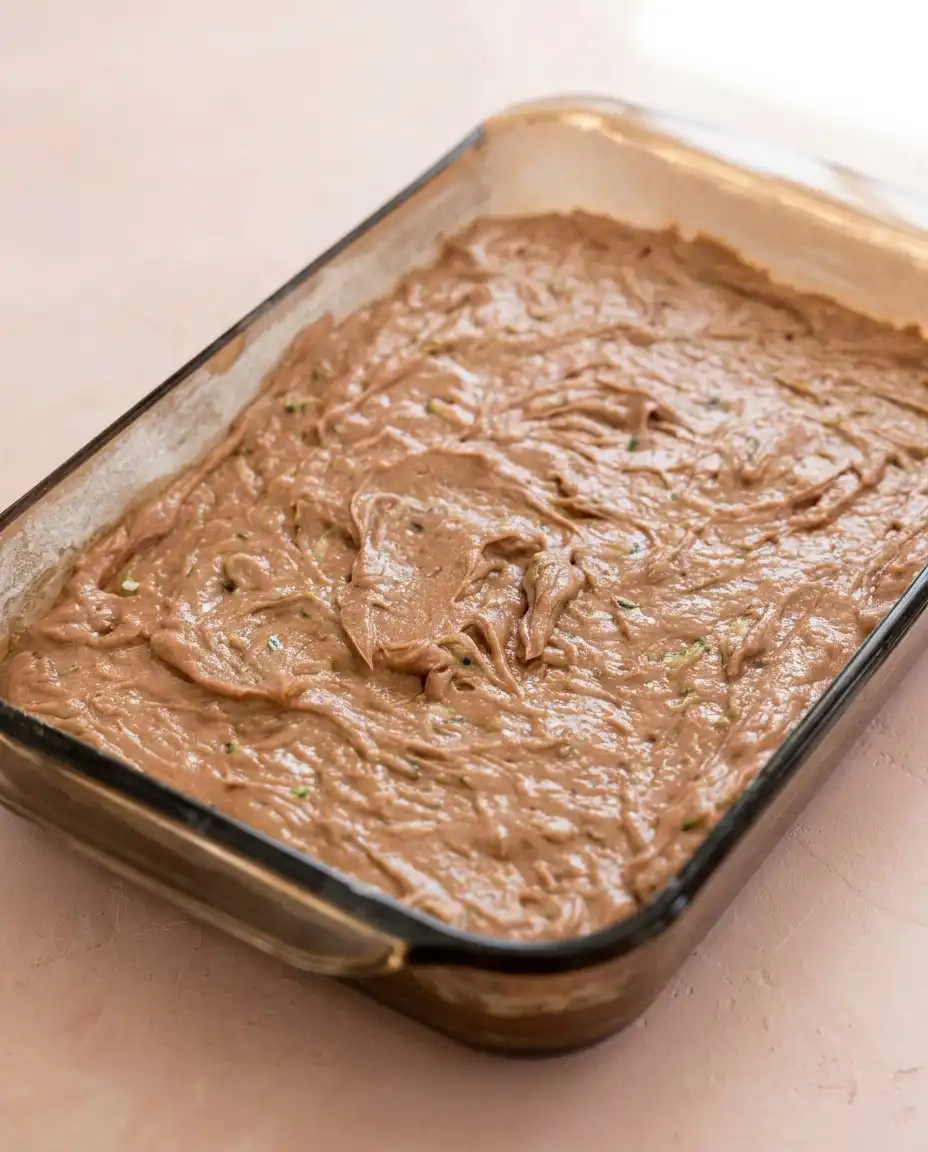
Pour the finished batter into your prepared 9×13 pan and use an offset spatula to spread it into the corners. Ensure the top is level to allow for an even bake across the entire surface. This structural uniformity prevents the center from remaining raw while the edges overcook.
Step 8: Top the Batter with Walnuts and Chips
Sprinkle 6 ounces of chocolate chips and 3/4 cup of chopped walnuts evenly over the surface of the batter. These toppings will sink slightly but should remain visible to create a textured, crunchy crust. This chocolate zucchini cake with walnuts relies on this top layer for its signature visual and sensory contrast.
Step 9: Bake and Test for Doneness
Place the pan on the center rack and bake at 325 degrees for 55 minutes. Insert a toothpick into the center; it should come out clean or with a few moist crumbs, but no wet batter. Remove the pan from the oven and place it on a wire rack to cool completely before slicing.
Precision Tips
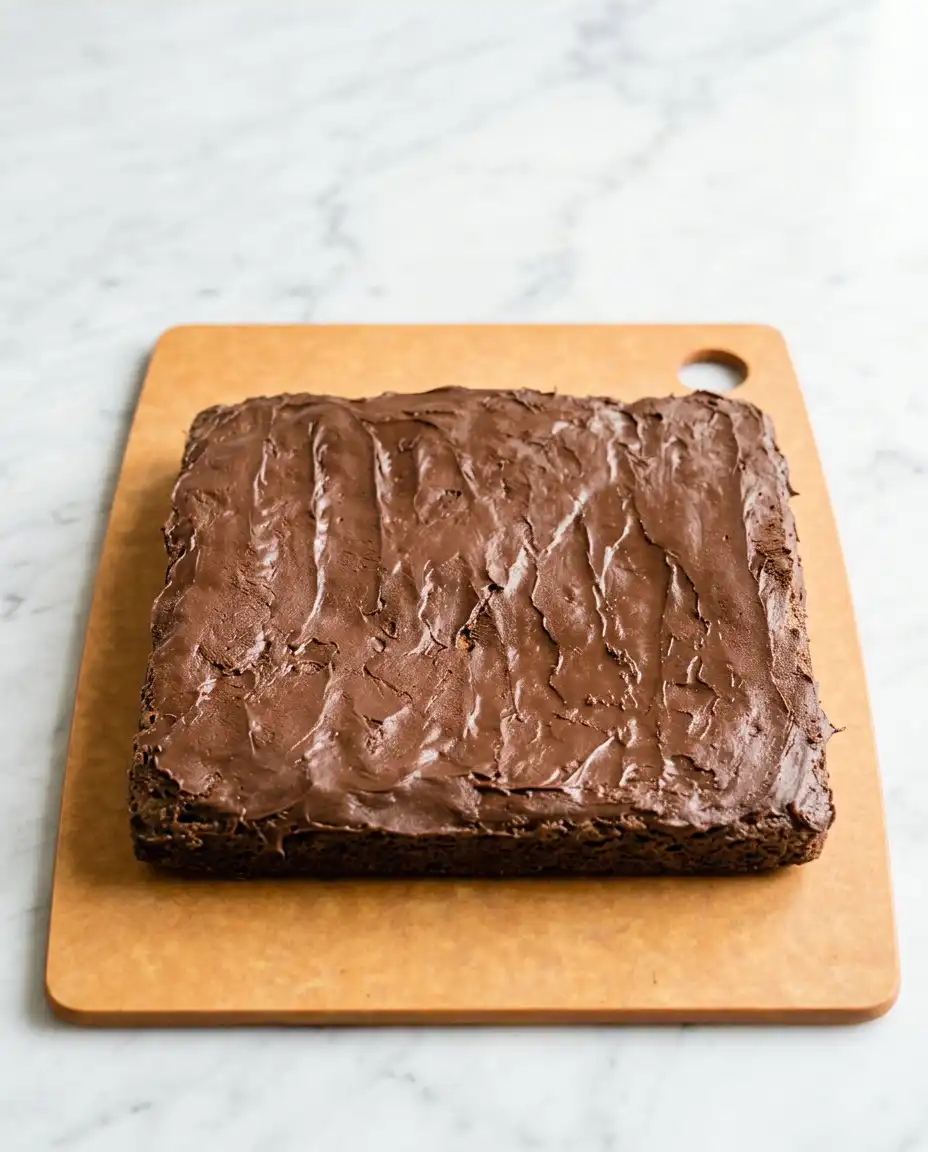
Always weigh your flour and zucchini using a digital scale to ensure the ratio of hydration to structure remains exact. Volumetric measurements of shredded vegetables can vary by up to 20 percent depending on how tightly they are packed into the cup. Precision creates consistency in every batch you bake.
Use an instant-read thermometer to check the internal temperature of the cake if the toothpick test feels inconclusive. The cake is perfectly baked when the center reaches 200 to 205 degrees. This scientific approach removes the guesswork from baking high-moisture vegetable cakes like our carrot cake recipe or this zucchini version.
If your cake sinks in the middle, here is why and how to fix it: this usually indicates the oven temperature was too low or the cake was pulled out 5 minutes too early. Verify your oven’s calibration and always bake until the center is firm to the touch. Excess leavening can also cause a rapid rise followed by a structural collapse.
Avoid peeling the zucchini because the skin contains fiber that helps the shreds hold their shape during the Maillard reaction. Peeling the vegetable leads to a more homogenous, almost gummy texture that lacks the intended crumb definition. The green flecks are a hallmark of a properly prepared vegetable snack cake.
Sift your cocoa powder through a fine-mesh strainer to eliminate the small, hard pellets of cocoa that often form in the container. These lumps do not always dissolve during the mixing process and can leave bitter, dry spots in your finished cake. Taking 60 seconds to sift ensures a professional-grade result every time.
For the best results, allow your eggs and buttermilk to sit at room temperature for 30 minutes before mixing. Cold ingredients can cause the creamed butter to seize, resulting in an uneven emulsion and a coarse crumb. Temperature control is just as important in the mixing bowl as it is in the oven.
Frequently Asked Questions
Should I squeeze the water out of the shredded zucchini?
No, do not squeeze the moisture from the zucchini for this specific recipe. The flour and cocoa ratios are calibrated to absorb that natural hydration during the bake. Removing the liquid will result in a dry, crumbly cake that lacks the intended velvety texture.
How should I store this cake to keep it fresh?
Store the cake in an airtight container at room temperature for up to three days. For longer storage, you can refrigerate it for up to one week, though the cold may slightly firm up the butter content. Always bring slices to room temperature before serving for the best mouthfeel.
Can I use Dutch-processed cocoa instead of natural cocoa?
You can use Dutch-processed cocoa, but you must ensure your leavening agent is active. Since Dutch cocoa is neutralized, it does not react with baking soda as vigorously as natural cocoa. The buttermilk in this recipe provides enough acidity to compensate, but natural cocoa is the tested standard for this crumb.
What is the best way to grate zucchini for baking?
Use the medium holes on a standard box grater to achieve the perfect gauge. If the shreds are too large, they won’t soften sufficiently; if they are too small, they will release moisture too quickly and potentially make the batter gummy. Aim for shreds that look like small matchsticks.
Can this zucchini cake be frozen for later use?
Yes, this cake freezes exceptionally well because of its high moisture content. Wrap individual slices or the entire cake tightly in plastic wrap and then foil to prevent freezer burn. Thaw at room temperature for several hours before serving to restore the original crumb texture.
Why does this recipe bake at 325 degrees instead of 350?
The lower temperature of 325 degrees allows the center of the dense, moist batter to cook through without burning the edges. High-moisture cakes need more time at a lower heat to ensure even heat distribution. This prevents the outside from becoming too dark before the middle is set.
Tested Variations
For a richer, more traditional profile, you can swap the semi-sweet chips for dark chocolate chunks and add a teaspoon of espresso powder to the dry ingredients. This adjustment intensifies the cocoa notes without altering the fundamental chemistry of the batter. This version pairs exceptionally well with the german chocolate cake flavor profile often found in heritage baking.
If you prefer a different texture, replace the walnuts with toasted pecans or slivered almonds using the same weight measurement. Pecans offer a softer crunch and a sweeter finish, which complements the zucchini beautifully. We tested this swap and found it maintained the same structural integrity as the original walnut version.
Finishing & Plating
Serve this cake slightly warm to ensure the chocolate chips remain in their gooey, melted state. A simple dusting of powdered sugar adds a clean visual finish without distracting from the complex texture of the walnuts. This cake is sturdy enough for a lunchbox but refined enough for a casual dinner gathering.
For a more formal presentation, pair a thick slice with a dollop of unsweetened whipped cream or a side of vanilla bean gelato. The cold cream provides a temperature contrast that highlights the warmth of the cocoa. This presentation style is similar to how one might serve a traditional irish apple cake during a tea service.
You can also drizzle a simple ganache over the top if you desire an even more decadent finish. Simply melt equal parts chocolate and heavy cream and pour it over the cooled cake. This addition creates a glossy appearance that is perfect for celebrations or holiday dessert tables.
The Bottom Line
This chocolate zucchini cake with walnuts is the result of rigorous test kitchen trials designed to master the balance of moisture and structure. By following the precise measurements and the 325 degree baking protocol, you can produce a consistent result that challenges the notion of vegetable-based desserts. The science behind the perfect crumb is accessible to any baker willing to prioritize precision over guesswork.
We encourage you to document your results and share your baking progress with our community of precision bakers. If you enjoyed this methodical approach to baking, you might also find success with our quick italian cream cake which uses similar creaming techniques. Repeatable results are within your reach every time you step into the kitchen.