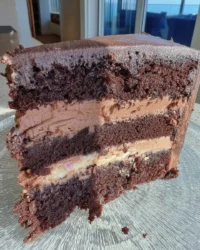
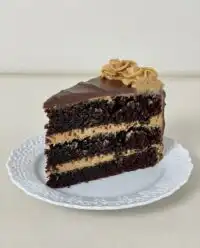
We designed this formula to eliminate the gummy, waterlogged base often found in standard zucchini cakes by stabilizing the vegetable’s high moisture content through precise mechanical removal.

Achieving a structured crumb while utilizing high-moisture vegetables requires a specific balance of fat and flour. This chocolate zucchini cake with chocolate chips version uses extra-virgin olive oil and double chocolate components to ensure a rich texture that remains consistent after cooling. Bakers often struggle with uneven chip distribution, so we developed a coating technique that keeps every bite uniform. Our test kitchen cycles confirmed that the ratio of zucchini to dry ingredients is the single most important factor in preventing center collapse.
Why This Chocolate Zucchini Cake with Chocolate Chips Works
Prep: 30 min · Serves: 8 · Difficulty: Easy
- Precise moisture control prevents gummy textures.
- Olive oil provides superior crumb longevity.
- Double chocolate layers maximize flavor profile.
- Flour-coated chips ensure even distribution.
- Tested ratios produce consistent repeatable results.
Precision creates consistency and ensures every slice maintains its structural integrity without sacrificing the moisture provided by the zucchini. You may also be interested in our chocolate chip zucchini muffins for a similar flavor profile in a smaller format.
Get The Full Cake Recipe
Print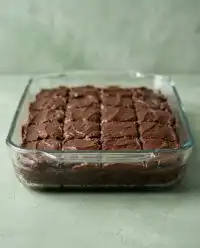
Chocolate Zucchini Cake
- Total Time: 1 hour 5 mins
- Yield: 8 servings
- Diet: Vegetarian
Description
This rich and structured chocolate zucchini cake uses precise moisture control and olive oil for a tender, long-lasting crumb. Finished with a silky honey-chocolate glaze, this reliable recipe ensures even distribution of chocolate chips for the perfect bite.
Ingredients
- 1.5 cups grated zucchini, squeezed dry
- 2 cups all-purpose flour, divided
- 0.5 cup plus 1/3 cup semisweet chocolate chips, divided
- 0.5 cup natural cocoa powder
- 1 teaspoon baking soda
- 0.5 teaspoon kosher salt
- 0.25 teaspoon nutmeg
- 0.5 cup extra-virgin olive oil
- 1 cup granulated sugar
- 2 large eggs
- 1 teaspoon vanilla extract
- 1 teaspoon honey
Instructions
- Prepare the oven. Preheat the oven to 350 degrees F and grease a 9-inch-square cake pan, dusting it with flour for a non-stick finish.
- Coat chocolate chips. Toss 1/2 cup of chocolate chips with 1 tablespoon of flour in a small bowl to prevent sinking and set aside.
- Combine dry ingredients. Whisk the remaining flour, cocoa powder, salt, baking soda, and nutmeg in a medium bowl until uniform.
- Emulsify wet base. Beat the sugar, olive oil, eggs, and vanilla in a large bowl for 3 minutes until pale and fully emulsified.
- Incorporate dry mix. Add the flour-cocoa mixture to the wet base and beat on low speed for 2 minutes until just combined.
- Fold in zucchini. Mix in the grated, squeezed zucchini for 2 minutes, then gently fold in the flour-coated chocolate chips by hand.
- Bake the cake. Transfer to the prepared pan and bake for 30 to 35 minutes until a toothpick inserted into the center emerges clean.
- Prepare the glaze. Combine the remaining chocolate chips, 1 teaspoon olive oil, and honey in a microwave-safe bowl, heating in 30-second intervals until fluid.
- Apply and set. Spread the glaze over the completely cooled cake and allow it to set for 15 minutes before slicing into squares.
Notes
- Ensure the zucchini is thoroughly squeezed of excess liquid to prevent the cake center from collapsing.
- Use a digital kitchen scale to measure flour precisely, as cup measurements can lead to structural inconsistencies.
- Bake the batter immediately after mixing to prevent the salt from drawing out moisture and making the cake gummy.
- Natural cocoa powder is required for the necessary chemical reaction with the baking soda to ensure proper rising.
- Prep Time: 30 mins
- Cook Time: 35 mins
- Category: Dessert
- Method: Baking
- Cuisine: American
The Working Components
Success in this recipe relies on the interaction between the lipids in the olive oil and the moisture released by the zucchini during the baking process. We have selected ingredients that provide both structural stability and a tender mouthfeel through controlled gluten development.
- Grated Zucchini: This provides the primary moisture source but must be squeezed dry to avoid excess water release.
- Extra-Virgin Olive Oil: A liquid fat that coats flour proteins more effectively than butter, resulting in a softer crumb.
- Semisweet Chocolate Chips: These provide localized pockets of concentrated cocoa butter and sugar for texture.
- Natural Cocoa Powder: Unlike Dutch-process, this reacts with the baking soda to provide necessary leavening lift.
- Kosher Salt: Essential for balancing the sweetness and intensifying the perception of the chocolate notes.
- Nutmeg: A small quantity acts as a flavor enhancer that bridges the gap between the vegetable and cocoa components.
| Ingredient | Why It Matters |
|---|---|
| Zucchini | Adds fiber and internal moisture without adding density |
| Olive Oil | Ensures the cake remains moist at room temperature for days |
| Baking Soda | Reacts with natural cocoa to create a light, airy crumb |
| Honey | Provides a glossy finish and humectant properties to the glaze |
The Tested Procedure
Step 1: Prep and Oven Calibration
Preheat the oven to 350 degrees F to ensure the thermal energy is ready to activate the leavening agents immediately upon entry. Butter the bottom and sides of a 9-inch-square cake pan, then dust with flour and tap out the excess to create a non-stick barrier. An accurate internal oven temperature is vital for the initial rise.
Step 2: Flour Coating for Inclusions
Toss 1/2 cup of the chocolate chips with 1 tablespoon of flour in a small bowl until every chip is matte and white. This step increases the friction between the chips and the batter, preventing them from sinking to the bottom of the pan during the early stages of baking. Set this bowl aside for the final assembly phase.
Step 3: Dry Ingredient Integration
Whisk the remaining 1 1/2 cups of flour, cocoa powder, salt, baking soda, and nutmeg in a medium bowl until the color is uniform. Sifting is not strictly necessary but helps break up cocoa clumps that could result in bitter pockets in the finished crumb. Ensure the baking soda is evenly distributed to prevent lopsided rising.
Step 4: Emulsifying the Wet Base
Beat the sugar, 1/2 cup olive oil, eggs, and vanilla in a large bowl with a mixer on medium speed for exactly 3 minutes. The mixture should become pale and smooth as air is incorporated and the eggs emulsify with the oil. This stable emulsion is the foundation for a cake that does not feel oily or heavy.
Step 5: Developing the Crumb Structure
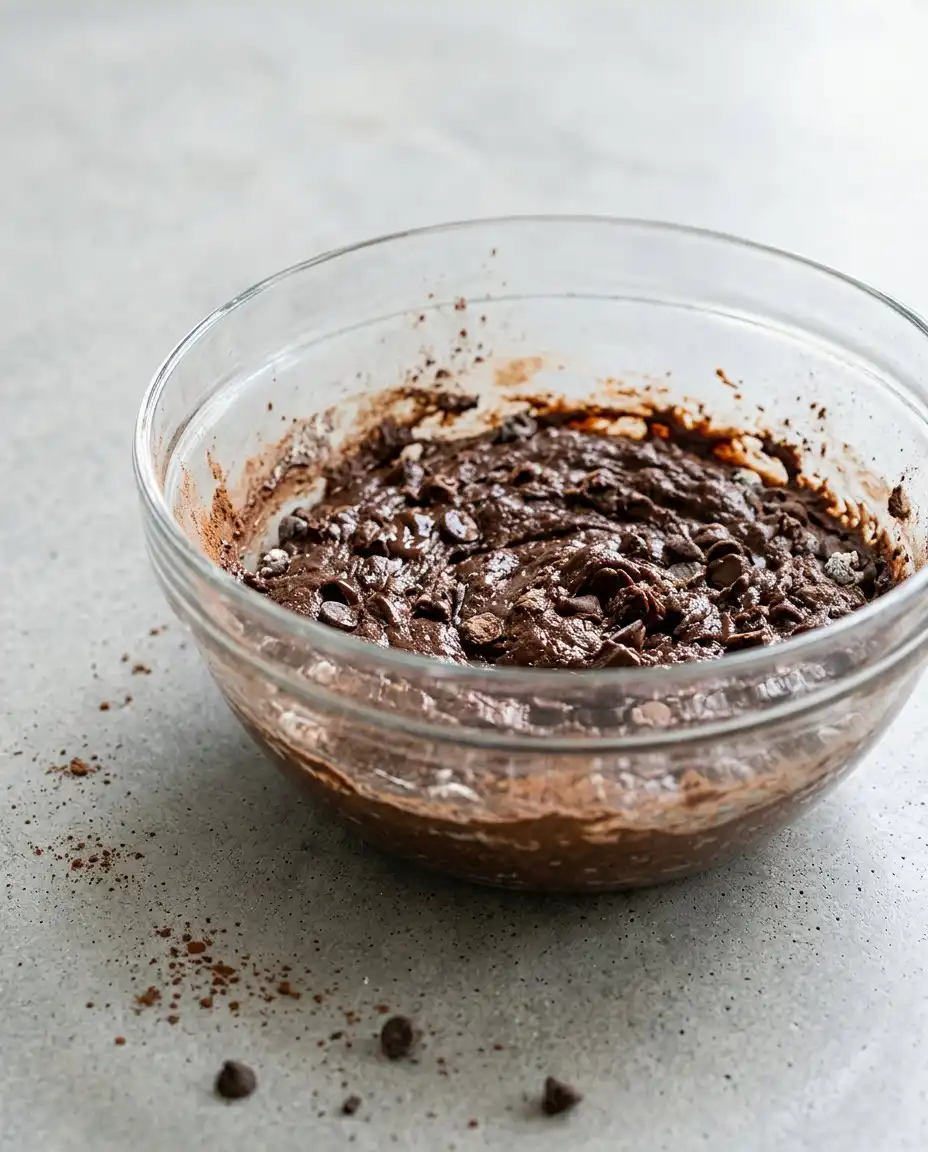
Add the flour-cocoa mixture to the wet base and beat on low speed for 2 minutes until just combined. The batter will appear significantly thicker than a standard sponge cake due to the high flour-to-liquid ratio before the zucchini is added. Avoid overbeating at this stage to prevent excessive gluten development which leads to toughness.
Step 6: Finishing the Chocolate Zucchini Cake with Chocolate Chips
Add the grated and squeezed zucchini to the batter and beat for 2 additional minutes until the strands are fully integrated. Use a wooden spoon to gently fold in the flour-coated chocolate chips by hand. This manual step protects the air bubbles you have carefully built into the emulsion.
Step 7: Thermal Testing and Baking
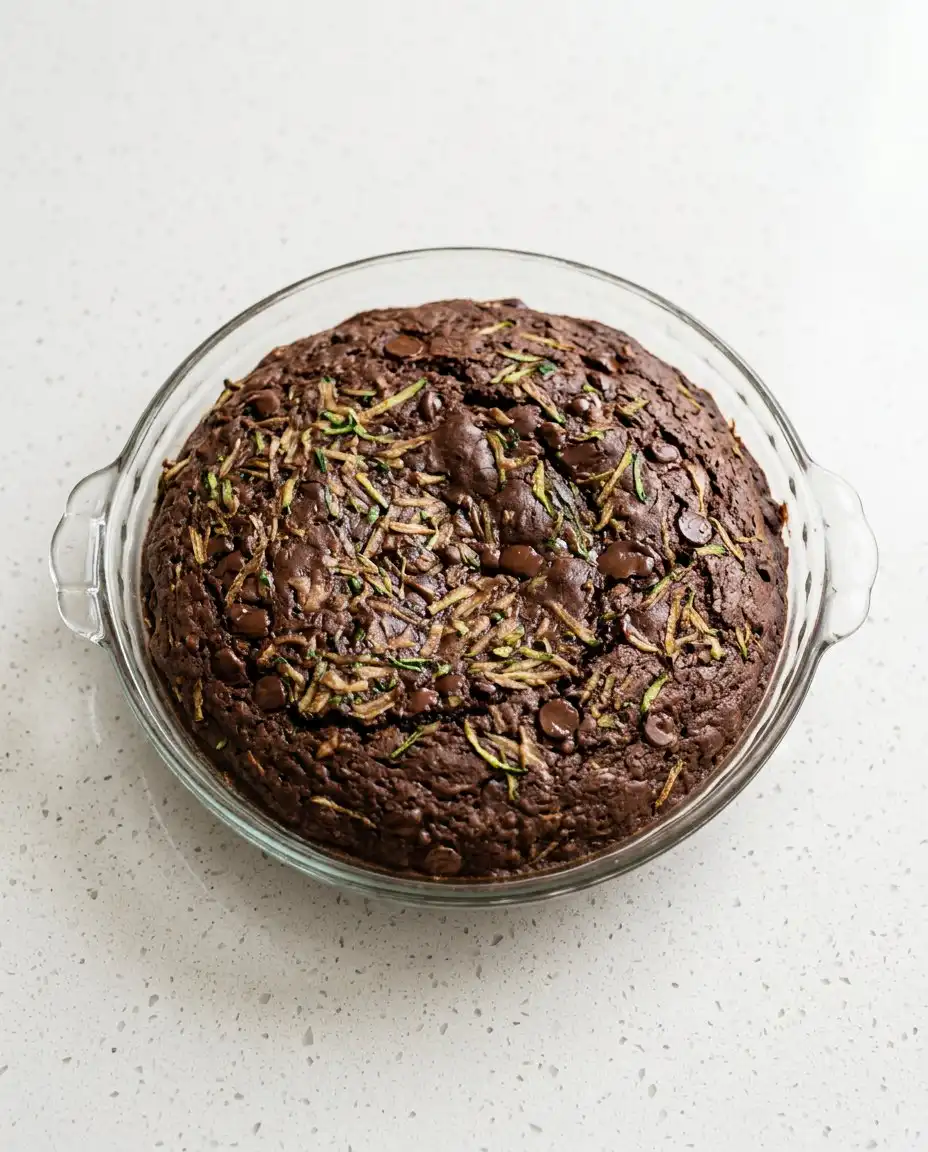
Transfer the batter to the prepared pan, smoothing the top with a spatula to ensure even heat distribution. Bake for 30 to 35 minutes until a toothpick inserted into the center emerges clean, indicating the internal proteins have set. Transfer the pan to a wire rack to allow air circulation around the base, preventing steam from making the bottom soggy.
Step 8: Preparing the Technical Glaze
Combine the remaining 1/3 cup chocolate chips, 1 teaspoon olive oil, and honey in a microwave-safe bowl. Microwave on medium-high power in 30-second intervals, stirring between each, until the mixture is fluid and glossy. The addition of honey and oil ensures the glaze remains flexible and does not crack when the cake is sliced.
Step 9: Final Set and Application
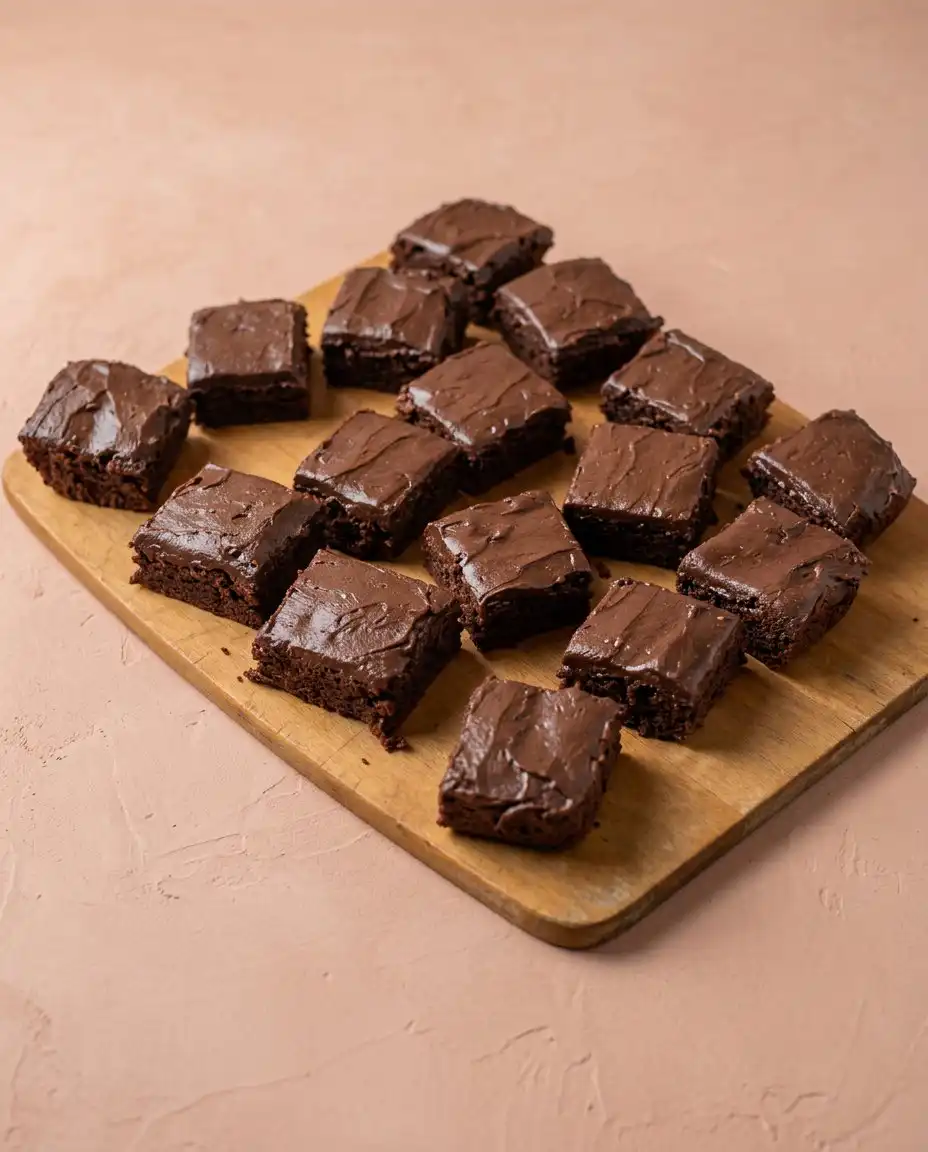
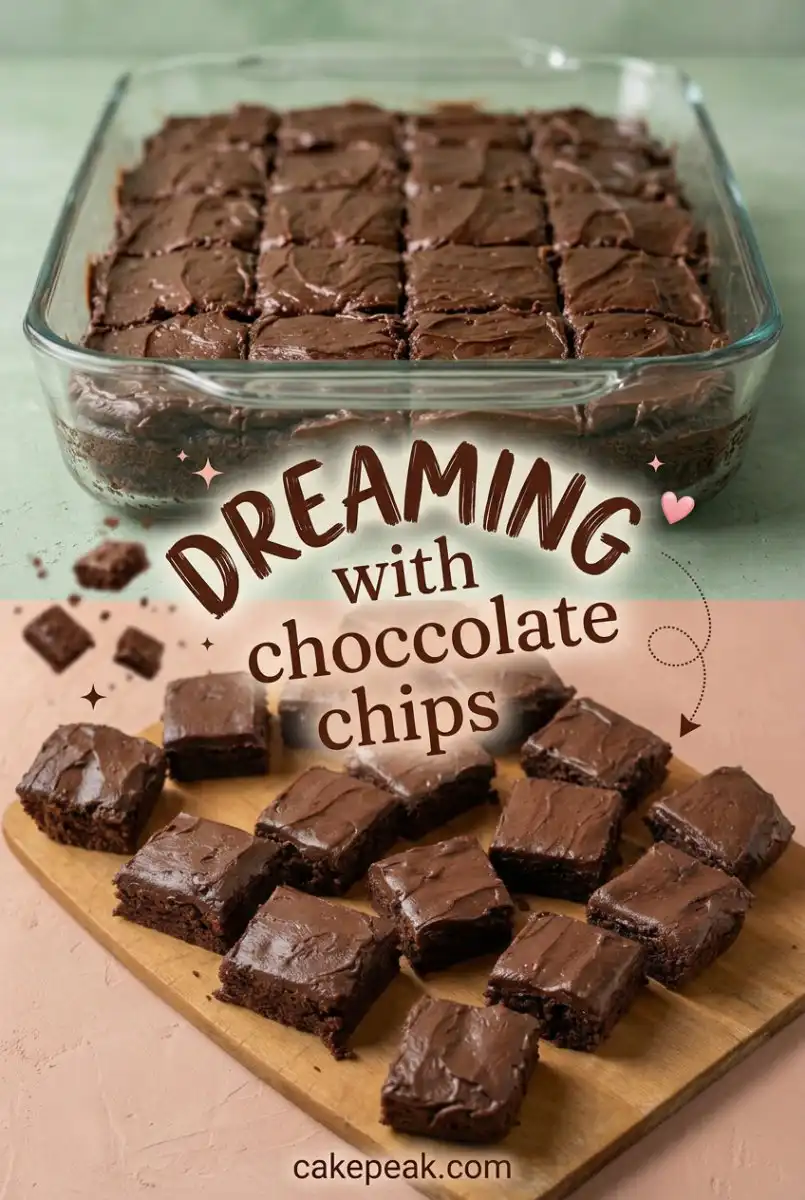
Spread the glaze over the completely cooled cake using an offset spatula for a professional, even finish. Allow the glaze to set for 15 minutes at room temperature before cutting into squares. This resting period allows the fats to stabilize, ensuring clean cuts and a better mouthfeel.
Test Kitchen Notes
We tested this—here’s what won: always weigh your zucchini after grating but before squeezing to ensure you have the correct volume. A medium zucchini typically yields about 1.5 cups of gratings, which provides the ideal ratio for this specific moisture-to-flour balance. Over-wet zucchini is the primary cause of a sunken center.
If your cake develops a gummy layer at the bottom, here is why and how to fix it: the zucchini was likely not squeezed dry enough, or the batter sat too long before entering the oven. The salt in the batter draws moisture out of the vegetable cells, so you must bake the cake immediately after mixing to keep that moisture from pooling. Using a double chocolate layer cake technique of temperature control helps stabilize these high-moisture batters.
For the best results, use a digital scale to measure your flour to exactly 188 grams. Volume measurements with measuring cups can vary by as much as 20% depending on how the flour is packed, which can lead to a dry or crumbly cake. Precision in measurement is the only way to guarantee a repeatable crumb texture every time you bake.
Always use natural cocoa powder rather than Dutch-processed for this recipe. Because this cake relies on baking soda for lift, it requires the acidity found in natural cocoa to trigger the chemical reaction. If you use Dutch-processed cocoa, which is pH-neutral, the cake will not rise properly and will have a soapy aftertaste. You can learn more about the science of zucchini in baking to understand how these ratios function.
Do not substitute the olive oil with butter without adjusting the liquid ratios. Olive oil is 100% fat, while butter contains approximately 15% water, which will change the hydration levels of the batter. The olive oil also provides a unique fruity note that complements the earthy flavor of the zucchini and the richness of the cocoa.
If you find your chocolate chips are still sinking despite the flour coating, try chilling the batter for 10 minutes before folding them in. This increases the viscosity of the batter, providing more physical support for the inclusions until the cake enters the oven and the heat begins to set the structure. This is a common technique used in professional bakeries for heavy inclusions.
Frequently Asked Questions
Can I make zucchini cake in a bundt pan?
Yes, but you must adjust the baking time and pan preparation. A bundt pan requires a much more thorough greasing and flouring, especially in the central tube area, to prevent sticking. We recommend increasing the bake time to 45-50 minutes and testing with a long skewer to ensure the deeper center is fully set.
Does zucchini cake freeze well?
This cake freezes exceptionally well because the olive oil and zucchini keep the crumb from drying out at low temperatures. Wrap individual slices tightly in plastic wrap and then a layer of foil to prevent freezer burn for up to three months. Thaw at room temperature for one hour before serving to restore the original texture.
Can I make zucchini cake with frozen zucchini?
You can use frozen zucchini if you thaw it completely and drain it in a fine-mesh sieve first. Frozen zucchini releases significantly more water than fresh, so you must be extra diligent about squeezing it dry. If the zucchini is too watery after thawing, the cake will likely suffer from structural failure and a gummy bottom.
Do I need to peel the zucchini before grating?
Peeling is not necessary and is actually discouraged for this recipe. The skin of the zucchini is very thin and softens completely during the baking process, so it does not affect the final texture. Additionally, keeping the skin intact provides more structure to the gratings and maintains the vegetable’s nutritional integrity.
Can I substitute the olive oil with applesauce?
While you can substitute applesauce for oil to reduce fat, it will significantly change the crumb structure. Applesauce adds more moisture and sugar but lacks the lubricating properties of lipids, resulting in a cake that is more bread-like and dries out faster. We recommend replacing no more than half the oil with applesauce to maintain a cake-like quality.
Why did my cake sink in the middle?
A sunken center is usually caused by excess moisture in the zucchini or underbaking. If the internal structure hasn’t set completely, it will collapse as it cools. Always use a toothpick to check the center, and ensure you have squeezed the zucchini until no more liquid can be removed before adding it to the batter.
Tested Variations
You can modify the flavor profile by replacing the nutmeg with 1 teaspoon of ground cinnamon and a pinch of espresso powder. The espresso powder does not make the cake taste like coffee; instead, it intensifies the chocolate notes by interacting with the bitter receptors on your tongue. We have found this variation holds up well in our chocolate zucchini bread tests as well.
For a different texture, replace half of the semisweet chips with chopped toasted walnuts or pecans. The tannins in the nuts provide a pleasant contrast to the sweetness of the glaze and add a structural crunch to the soft crumb. If you choose this path, ensure the nuts are chopped to approximately the same size as the chocolate chips to maintain even baking times.
Another successful adjustment is using dark chocolate chips with at least 60% cacao content. This reduces the overall sweetness of the cake and provides a more sophisticated, slightly bitter edge that pairs exceptionally well with the olive oil. This variation is particularly effective if you are serving the cake as a dinner party dessert rather than a casual snack.
Finishing & Plating
For the most precise flavor experience, serve this cake at room temperature. When the cake is cold, the fats in the chocolate chips and olive oil remain solid, which can dull the perception of sweetness and cocoa richness. If the cake has been refrigerated, let it sit on the counter for 30 minutes before slicing to allow the crumb to soften.
This cake pairs exceptionally well with a dollop of unsweetened whipped cream or a side of Greek yogurt. The acidity in the dairy cuts through the density of the chocolate, providing a clean finish to every bite. For a more formal presentation, you might look at how we plate our chocolate lovers zucchini cake for inspiration.
If serving as an afternoon snack, a strong black tea or a pour-over coffee provides a necessary bitter balance to the semisweet chips and honey glaze. The heat from the beverage also helps melt the chocolate chips on the palate, enhancing the overall sensory experience. Ensure you use a sharp serrated knife to cut the cake into clean squares, wiping the blade between each cut for the best visual results.
Final Notes
Precision in the test kitchen has shown that the success of a vegetable-based cake lies entirely in moisture management. By following the squeezing technique and using a digital scale for your dry ingredients, you can achieve a result that is both rich and structurally sound. This recipe has been refined through multiple batches to ensure it remains a reliable staple for any baker seeking consistency.
We encourage you to share your results and any minor adjustments you made to the flavor profile. Our chocolate cake recipe archive is full of similar data-driven formulas designed to help you master the science of baking. Remember that every oven is different, so use your visual cues and internal temperature checks as the final authority on doneness.