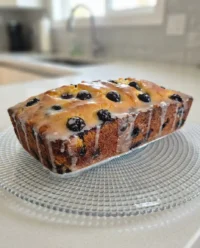
Grandmother always said that a kitchen without the warm scent of vanilla and butter drifting through the screen door isn’t quite a home, and nothing proves her right like a Classic Pound Cake.

This recipe brings that timeless aroma straight into your modern kitchen with a tender crumb that holds its shape beautifully on your fork. There is no need for complicated steps or fancy decorations when you have a golden loaf resting on your counter. By combining room-temperature ingredients with a precise mixing technique, you will achieve a reliable rise and a rich flavor that tastes exactly like Sunday dinner at grandmother’s house. It is the kind of baking that brings folks together around the table.
The Heart of This Classic Pound Cake
Prep: 10 min · Serves: 12 · Difficulty: Easy
- Uses simple pantry ingredients you already have
- Produces a remarkably tender and moist crumb
- Bakes beautifully in a standard loaf pan
- Brings authentic Southern flavor to your table
- Requires only ten minutes of active preparation
A proper butter cake should be easy to make but taste like a labor of love. We start with a base that resembles our beloved classic vanilla butter cake but focus strictly on the dense, rich structure that defines a true heritage loaf.
Every slice of this golden loaf offers a comforting reminder of church potluck tables lined with foil-covered pans. It delivers a rich buttery flavor that pairs perfectly with a hot cup of coffee or a tall glass of sweet tea on the porch.
This is the sweet treat your family will ask for every single weekend.
Get The Full Cake Recipe
Print
Classic Pound Cake
- Total Time: 50 mins
- Yield: 12 servings
Description
This traditional pound cake delivers a rich, buttery flavor and a perfectly tender crumb that holds its shape beautifully. It is an easy-to-bake heritage dessert that pairs wonderfully with coffee or fresh fruit for any occasion.
Ingredients
- All-purpose flour
- Unsalted butter, softened
- Granulated sugar
- Large eggs, room temperature
- Sour cream, room temperature
- Vanilla extract
- Salt
- Baking powder
Instructions
- Prepare oven and pan. Preheat your oven to 350°F and generously butter and flour a nine-by-five-inch loaf pan to prevent sticking.
- Whisk dry ingredients. In a medium bowl, combine the flour, salt, and baking powder until well integrated and free of lumps.
- Cream butter and sugar. Beat the butter on medium speed for two minutes, then gradually add sugar and mix until the texture is fluffy and pale.
- Add eggs individually. Incorporate the eggs one at a time, ensuring each is fully blended before adding the next to maintain a stable emulsion.
- Add wet ingredients. Mix in the room-temperature sour cream and vanilla extract on low speed until just combined.
- Fold in flour. Gradually add the dry ingredients on low speed, finishing with a spatula to fold and clear any dry pockets without overworking the batter.
- Bake the cake. Pour the batter into the pan and bake for approximately forty minutes until golden brown and a tester comes out clean.
- Cool and release. Rest the loaf in the pan for ten minutes before inverting it onto a wire rack to cool completely.
Notes
- Ensure all dairy and eggs are at room temperature to achieve proper emulsification and a better rise.
- Use a spoon to fluff and level your flour rather than scooping directly from the bag to avoid a dense texture.
- Keep the oven door closed for the first 35 minutes to prevent the cake center from sinking.
- Consider placing a thin strip of butter down the center of the batter to help create a signature crack.
- Store the cake in an airtight container once completely cooled to maintain maximum moisture.
- Prep Time: 10 mins
- Cook Time: 40 mins
- Category: Dessert
- Method: Baking
- Cuisine: Southern
Gather These From the Pantry
Baking a traditional loaf relies on simple ingredients that work in perfect harmony to create a delicate structure. Measuring these components carefully guarantees your batter rises evenly and develops a beautiful golden crust. Let us look at what you need to gather before starting.
- All-Purpose Flour: This provides the structural foundation of your cake, keeping the crumb soft yet sturdy enough to hold its shape. Using a high-quality unbleached flour yields the best results. Be sure to weigh it precisely to keep the crumb tender.
- Unsalted Butter: Using room-temperature butter is crucial for trapping air during the creaming process, which creates a light and velvety texture. It also delivers that unmistakable rich flavor that defines this traditional dessert. Always choose high-fat European butter if you want an extra rich loaf.
- Granulated Sugar: Beyond adding sweet flavor, sugar breaks down the gluten in the flour to keep the interior tender. It is responsible for that beautiful, crisp golden crust we all love. Make sure it is finely granulated for easy dissolving.
- Large Eggs: Added one at a time, these build the structural emulsion that holds the fat and liquid together smoothly. They must be completely at room temperature so they do not curdle the butter. Eggs also provide the natural lift and yellow color of the cake.
- Sour Cream: This secret addition introduces rich moisture and a subtle tang that balances the sweetness. The extra acidity breaks down the gluten further for a melt-in-your-mouth bite. Full-fat sour cream works best for this recipe.
- Vanilla Extract: A generous splash of high-quality vanilla infuses the crumb with a warm, comforting aroma. It highlights the natural sweetness of the butter and sugar beautifully. Pure vanilla extract makes all the difference in this bake.
| Ingredient | Why It Matters |
|---|---|
| Unsalted Butter | Creates a tender crumb through air entrapment during creaming |
| Large Eggs | Provide structure and rise without needing excess chemical leavening |
| Sour Cream | Adds moisture and a delicate tang to balance the rich butter |
| All-Purpose Flour | Forms the essential structure that holds the cake together |
| Granulated Sugar | Sweetens and softens the crumb by keeping gluten development in check |
The Method, Step by Step
Step 1: Prep Your Oven and Pan
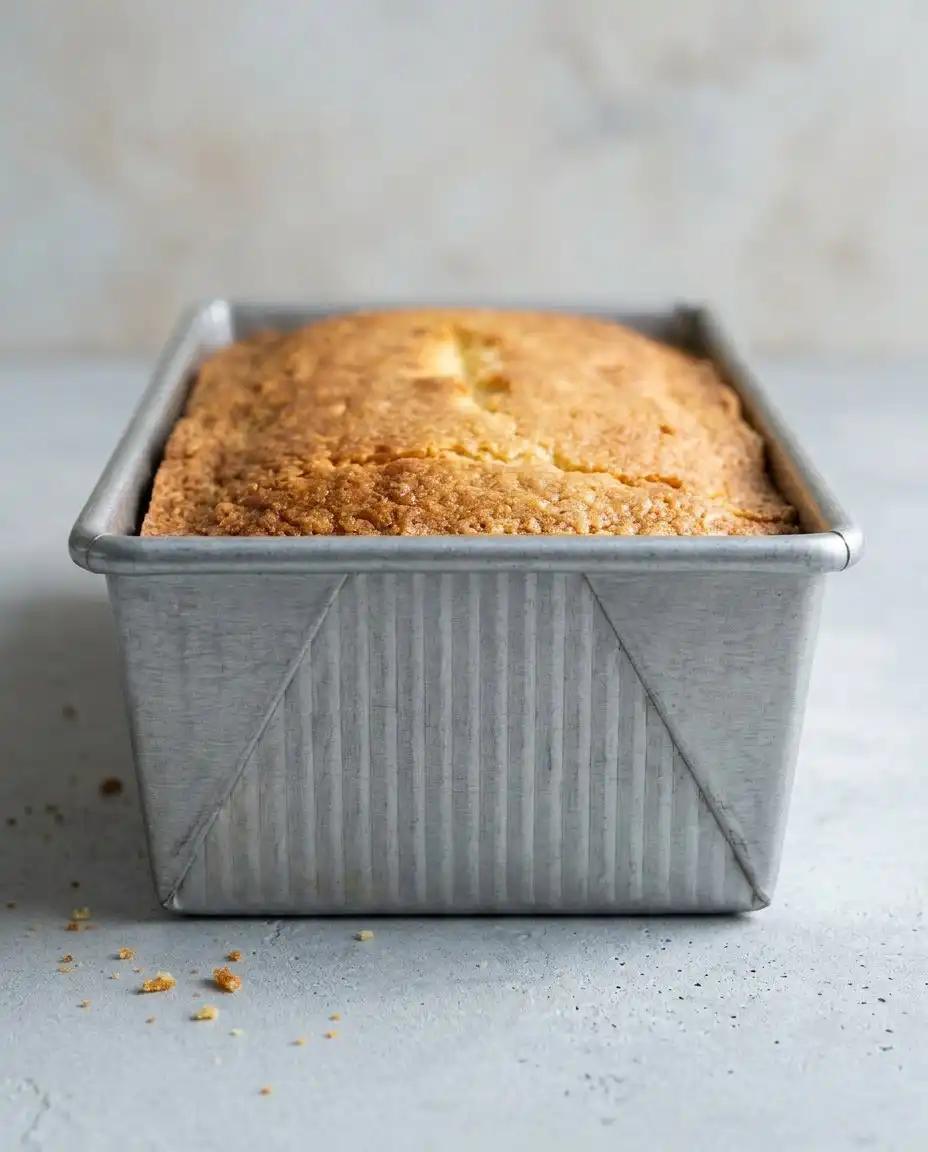
Begin by preheating your oven to 350°F so it reaches the right temperature before your batter goes in. Generously butter and flour your nine-by-five-inch loaf pan, making sure to coat every corner to prevent sticking. You will see a fine, dusty coating of flour across the dark metal when it is ready. This careful preparation guarantees a clean release with perfect crisp edges.
Step 2: Whisk the Dry Ingredients
In a medium mixing bowl, combine your flour, salt, and baking powder. Use a wire whisk to stir them together until they are completely integrated and free of lumps. This step guarantees that the leavening agent is distributed evenly throughout the flour. Combining them beforehand prevents pockets of baking powder from forming in the finished loaf.
Step 3: Cream the Butter and Sugar
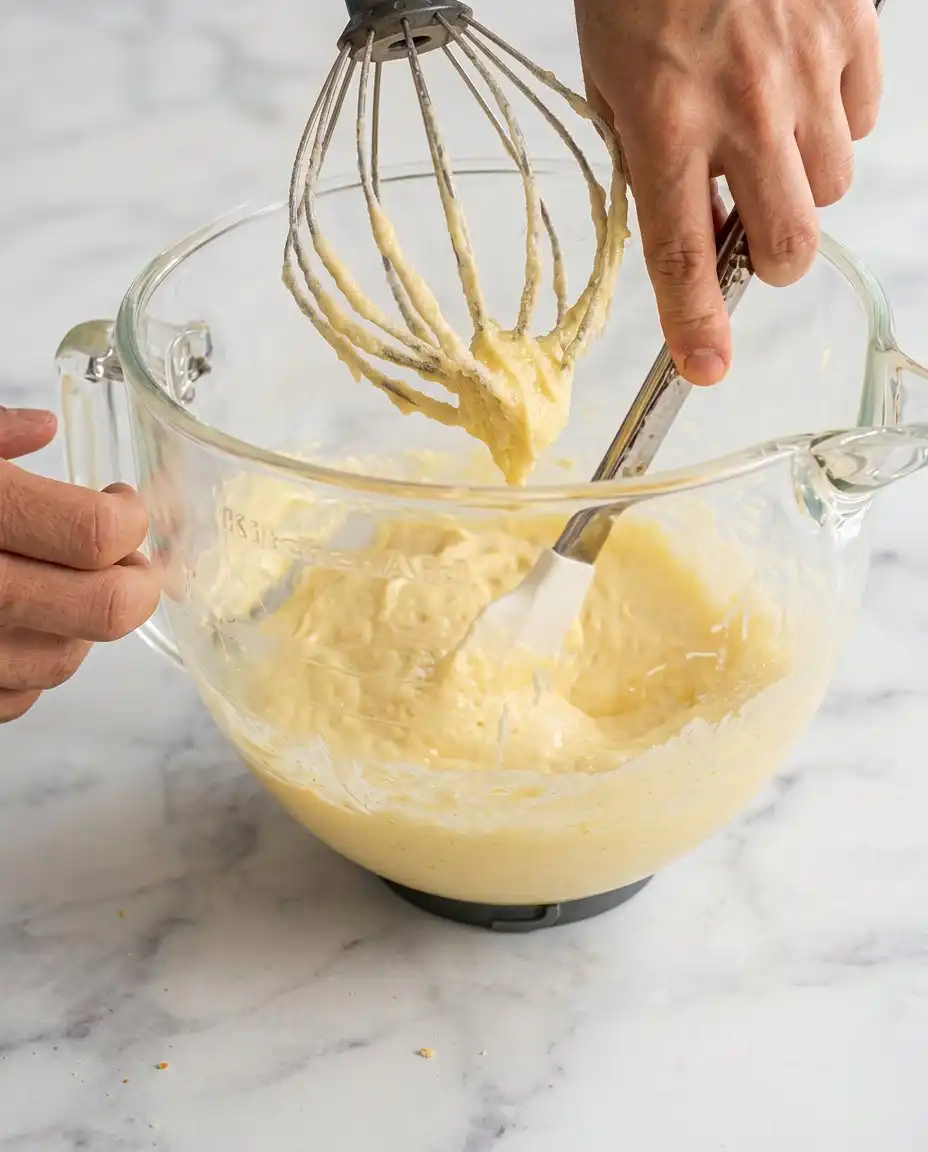
Attach the whisk to your stand mixer and beat the room-temperature butter on medium speed for two minutes until pale and creamy. Slowly pour in the sugar and continue mixing for another two minutes until the mixture looks fluffy like wet sand. Scrape down the sides of the bowl with a flexible spatula to gather every bit of butter. You will watch the color transition from a deep yellow to a pale ivory as air is incorporated.
Step 4: Add the Eggs Individually
With the mixer running on medium-low speed, slide the eggs into the bowl one at a time. Allow each egg to blend completely into the butter mixture before adding the next one to maintain a stable emulsion. The batter will look smooth and slightly thickened once all four eggs are fully incorporated. Adding them too quickly can cause the batter to curdle and affect the final rise.
Step 5: Incorporate the Sour Cream and Vanilla
Gently spoon the room-temperature sour cream and the vanilla extract into your mixing bowl. Run the mixer on low speed just until these wet ingredients disappear into the batter. You will notice a lovely, warm scent of vanilla rising from the bowl as it blends. The sour cream provides the ideal fat level to keep the cake moist for days.
Step 6: Gently Mix in the Flour
Turn your mixer down to its lowest setting and gradually add the dry flour mixture. Mix only until the flour is combined, then stop the machine to avoid overworking the gluten. Use your spatula to fold the batter by hand a few times, clearing any dry pockets at the bottom. Overmixing can develop too much gluten and make the cake tough and dense.
Step 7: Bake Your Classic Pound Cake to Perfection
Spoon the thick, glossy batter into your prepared loaf pan and smooth the top with your spatula. Slide the pan onto the center rack of your oven and bake for about forty minutes, checking to see if the top has turned a beautiful deep golden brown. If it browns too quickly, place a loose tent of aluminum foil over the top to protect it. That signature crack down the center is a classic hallmark of a well-baked loaf.
Step 8: Cool and Release the Loaf
Remove the pan from the oven once a wooden tester inserted into the center comes out completely clean. Let the cake rest in the pan for ten minutes on a wire rack, allowing the structure to firm up slightly. Carefully invert the pan to release the warm loaf, letting the comforting aroma fill your kitchen. Using a wire rack prevents trapped steam from making the bottom of the cake soggy.
Southern Baker’s Secrets
Always make sure your butter, eggs, and sour cream are at true room temperature before you begin mixing. Cold ingredients will not emulsify properly, which can cause your batter to split and result in a dense, heavy loaf rather than a tender crumb. Leave them on the counter for at least an hour before baking.
If your cake has a sticky, wet top after cooling, it is usually because of excess humidity in your kitchen or storing the loaf before it has cooled completely. Let the baked loaf sit on a wire rack for at least two hours before wrapping it in foil. This allows the steam to escape naturally so the crust stays perfect.
To encourage the top of the loaf to dome and crack down the center like a bakery specialty, cut a very thin slice of cold butter lengthwise. Lay this thin strip directly down the center of the batter before sliding the pan into the oven. The melting butter delays the setting of the crust in the center, allowing the rising batter to break through beautifully.
Measuring your flour by scooping directly from the bag with a measuring cup will pack too much flour into the recipe. Instead, fluff your flour with a spoon, scoop it gently into the cup, and level it off with the back of a butter knife. This technique is just as crucial here as it is when baking our classic vanilla cake to guarantee a soft texture.
When your cake sinks in the middle during baking, here is why and how to fix it: this usually happens from opening the oven door too early, which lets cold air alter the rising structure. Keep the oven door closed until at least thirty-five minutes have passed, and rely on the oven light to check the progress.
If you prefer a slightly denser, more traditional style, swap the whisk attachment on your stand mixer for a flat paddle. The paddle incorporates less air into the batter, producing the tight, heavy crumb that characterized heritage recipes of the past. You can learn more about how the mixing process alters the crumb in this guide on how to bake a classic pound cake from professional bakers.
If your cake is dense with a gummy layer at the bottom, this is often caused by undercreaming the butter and sugar or using cold eggs. Creaming is what creates the air pockets needed to hold the batter up as it bakes. Beat the butter and sugar thoroughly until very light and fluffy before adding the eggs.
Frequently Asked Questions
Why is it called a pound cake?
The name comes from the traditional recipe used in the eighteenth century, which required one pound each of flour, butter, sugar, and eggs. This simple, equal-weight formula made the recipe easy to remember for generations of home bakers before measuring cups were common.
What is the original pound cake?
The original version of this dessert was a very dense, heavy loaf made without any modern chemical leaveners like baking powder. It relied entirely on the air whipped into the eggs and butter to help the heavy batter rise in the oven.
What are the 4 ingredients in pound cake?
A traditional recipe requires only flour, butter, sugar, and eggs in equal proportions. Modern recipes often add ingredients like sour cream, baking powder, and salt to create a lighter, more moist crumb that stays soft for days.
How should I store this loaf to keep it fresh?
Wrap the completely cooled loaf tightly in plastic wrap or aluminum foil and store it at room temperature for up to four days. Avoid refrigerating the cake, as the cold air will dry out the crumb and cause it to lose its tender texture quickly.
Can I freeze this dessert for later?
Yes, this loaf freezes beautifully for up to three months when wrapped properly. Wrap individual slices or the entire loaf in plastic wrap, followed by a layer of heavy-duty aluminum foil, and thaw it on the counter before serving.
Can I use Greek yogurt instead of sour cream?
You can substitute full-fat Greek yogurt for the sour cream in an equal one-to-one ratio. This substitution maintains the necessary moisture and acidity in the batter while keeping the crumb incredibly soft and tender.
Why did my cake turn out dry?
A dry texture is usually the result of overbaking or adding too much flour to the batter. Be sure to check the loaf with a wooden tester a few minutes before the timer goes off, and always measure your flour using the spoon-and-level method.
Family Twists & Variations
For a bright and citrusy twist, you can easily turn this into a zesty lemon treat. Simply fold two tablespoons of fresh lemon zest into the dry ingredients and replace the vanilla extract with fresh lemon juice. If you enjoy bright fruit notes in your desserts, you might also love our lemon pound cake for your next gathering.
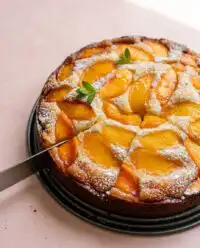
To bring a touch of summer to your dessert table, stir in some fresh, finely chopped peaches. Toss the fruit lightly in a tablespoon of flour before folding it into the batter so the pieces do not sink to the bottom. If you enjoy this combination, our classic peach pound cake is another wonderful recipe to try.
If you want a richer, caramel-like sweetness, substitute light brown sugar for half of the white granulated sugar. This swap adds depth to the flavor profile and creates an even moister crumb that keeps beautifully for several days.
Pairing & Presentation
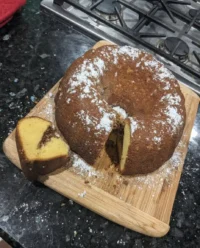
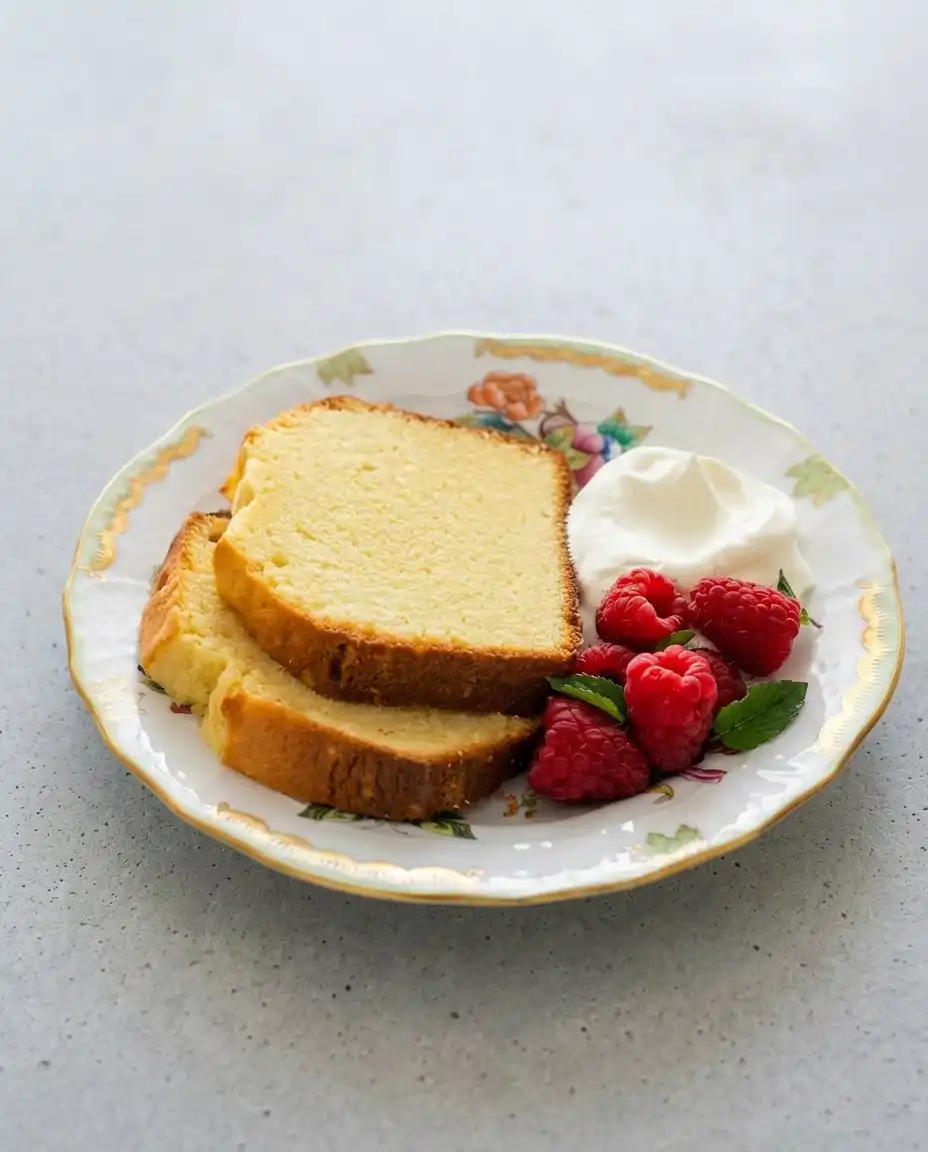
Serving this golden loaf is all about highlighting its rich, buttery flavor and tender crumb. Cut thick, generous slices and arrange them on a heritage platter for an inviting display that welcomes your guests. A simple dusting of powdered sugar adds an elegant touch without overpowering the cake’s natural sweetness.
For a truly memorable presentation, pair each warm slice with a spoonful of macerated berries and a dollop of unsweetened whipped cream. The juicy fruit cuts through the richness of the cake beautifully, offering a classic combination that is perfect for summer afternoons. If you love fruit-forward Southern desserts, consider trying our peach cobbler pound cake for your next gathering.
Leftover slices can be lightly toasted in a skillet with a tiny pat of butter until the edges are golden and crisp. Serve this warm, toasted slice with a scoop of vanilla bean ice cream for a comforting evening treat.
To offer a broader selection at your next gathering, set out a pitcher of fresh lemonade and a selection of hot herbal teas. These beverages balance the richness of the butter and provide a refreshing contrast that makes each bite feel like a special occasion.

A Final Slice
Baking a traditional loaf is more than just following a recipe; it is about carrying on a tradition of hospitality. This simple dessert has the power to bring people together, creating quiet moments of connection over a shared plate. We hope this reliable recipe becomes a comforting staple in your own kitchen for years to come.
If you find joy in crafting simple, traditional desserts, you may also want to try our classic vanilla cake for your next special occasion. Each recipe we share is designed to bring that comforting taste of home directly to your family table.
We would love to hear how your baking turned out and see your beautiful creations. Share your kitchen successes with our community on Facebook or save your favorite baking tips on Pinterest to keep them handy for your next weekend project.