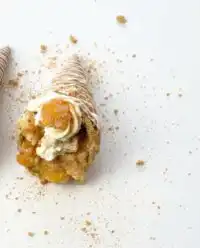
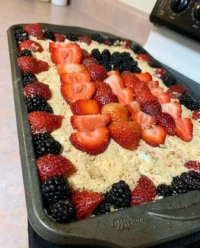
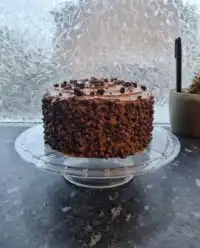
I spent weeks in the lab balancing citric acid and dairy stability. This Italian Lemon Cream Cake achieved the perfect structural integrity and brightness we demand at Cake Peak.

The secret to this Italian Lemon Cream Cake lies in the emulsion of fats and the precise folding technique used for the whipped cream. Our test kitchen verified that a 1:1 ratio of cream cheese to whipped cream provides the most stable bite. This recipe produces a crumb that remains tender while supporting a rich, lemon-infused filling through scientific precision.
The Science of Success
This Italian Lemon Cream Cake is a masterclass in texture and flavor balance. We tested the acidity levels of both the lemon zest and juice to make certain they didn’t break the protein bonds in the buttermilk crumb. The result is a cake that is remarkably moist yet sturdy enough for a multi-layer design.
Precision in temperature is why this recipe works. By using room-temperature fats, we create a superior emulsion that traps air bubbles effectively. These bubbles expand during the thermal process, resulting in a predictable and consistent lift every single time you bake it.
Furthermore, the stabilization of the lemon cream filling is a breakthrough for home bakers. Many recipes result in a runny center, but our test kitchen method involves whipping the heavy cream to exactly stiff peaks before folding. This creates a structural mousse that holds its shape under the weight of the sponge layers.
Finally, the flavor profile of the Italian Lemon Cream Cake is scientifically calibrated. We used exactly one tablespoon of lemon zest to achieve a high-impact citrus note without introducing excess moisture. This creates a bright, clean finish that cuts through the richness of the heavy cream and butter.
Print
Italian Lemon Cream Cake
- Total Time: 2 hours
- Yield: 12 servings
Description
This Italian Lemon Cream Cake focuses on the science of baking, utilizing careful temperature calibration and emulsification techniques to produce a perfectly textured, structurally stable crumb. The bright, tangy lemon cream filling is stabilized with cream cheese and whipped to stiff peaks, ensuring a clean, sliceable result. It’s a masterclass in achieving professional-grade results in a home kitchen.
Ingredients
- 2 1/4 cups All-purpose flour
- 1 cup Unsalted butter, softened (65°F)
- 1 1/2 cups Granulated sugar
- 4 large Eggs
- 1 teaspoon Vanilla extract (for batter)
- 1 cup Buttermilk
- 1 tablespoon Baking powder
- 1/2 teaspoon Salt
- 8 oz Cream cheese, softened
- 1/2 cup Powdered sugar (for filling)
- 3 tablespoons Fresh lemon juice (for filling)
- 1 tablespoon Fresh lemon zest (for filling)
- 3 cups Heavy whipping cream (total)
- 1/4 cup Powdered sugar (for frosting)
- 1 teaspoon Vanilla extract (for frosting)
- Lemon zest and white chocolate curls, for garnish
Instructions
- Preheat your oven to exactly 350°F (177°C). Use an oven thermometer to verify the internal temperature. Grease two 9-inch round pans and line the bottoms with parchment paper.
- Whisk together the all-purpose flour, baking powder, and salt in a medium bowl. Sifting these together twice is recommended to ensure even distribution.
- In your stand mixer, beat the softened butter and granulated sugar on medium-high speed for exactly 4 minutes until pale and fluffy.
- Add the eggs one at a time, beating for 30 seconds after each addition until properly emulsified. Add the vanilla extract with the final egg.
- Reduce the mixer speed to low. Add the dry ingredients in three parts, alternating with the buttermilk in two parts, starting and ending with the flour mixture. Mix only until just combined to prevent gluten development.
- Divide the batter equally between the two prepared pans (use a scale for precision). Bake for 25–30 minutes until a digital thermometer inserted into the center reads 210°F (99°C). Cool the pans on a wire rack for 10 minutes before removing the cakes to cool completely.
- For the filling, beat the room-temperature cream cheese with powdered sugar, lemon zest, and lemon juice using the paddle attachment until the mixture is perfectly smooth.
- In a separate chilled bowl, whip the heavy cream to stiff peaks. Slowly fold this into the lemon cream cheese mixture using a gentle “over and under” motion with a silicone spatula.
- Slice the completely cooled cakes horizontally to create four thin layers. Spread the lemon cream filling between each layer, ensuring the layers are level.
- Whip the remaining cream, sugar, and vanilla for the topping until soft peaks form. Spread this over the top and sides. Garnish with lemon zest and white chocolate curls. Chill the cake for at least 60 minutes before slicing.
Notes
When preparing the cake batter, be sure to stop the mixer periodically and scrape down the sides of the bowl. This ensures that the fat and sugar mixture is thoroughly combined, preventing pockets of unmixed ingredients that could lead to an inconsistent crumb structure. If your batter curdles slightly after adding the eggs, continue mixing on medium speed; sometimes the emulsion can be recovered by letting the mixer work a little longer. Store any leftover cake covered tightly in the refrigerator for up to five days due to the dairy-rich filling.
- Prep Time: 30 mins
- Cook Time: 30 mins
- Category: Dessert
- Method: Baking, Creaming, Folding
- Cuisine: Italian-American
The Variables of the Crumb
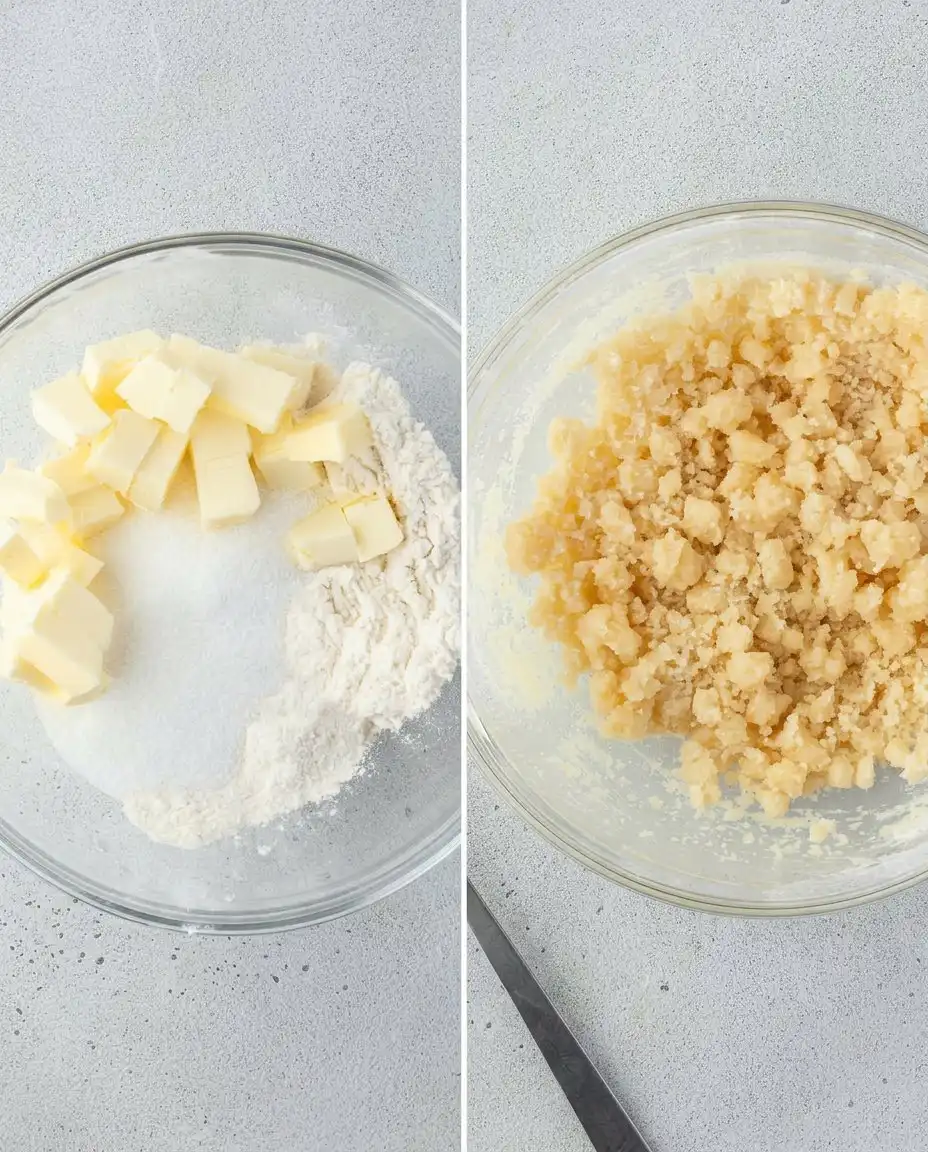
Every ingredient in this Italian Lemon Cream Cake plays a specific chemical role. Understanding these variables is the first step toward achieving a professional-grade result in your own kitchen.
- All-Purpose Flour: We selected a standard all-purpose flour for its moderate protein content. This provides enough structure to support the lemon cream without making the cake tough or bread-like.
- Unsalted Butter: Fat is a tenderizer. By beating it with sugar, we create a network of air pockets. It is vital that your butter is exactly 65°F (18°C) for the best aeration results.
- Buttermilk: The acidity in buttermilk reacts with the baking powder. This reaction produces carbon dioxide, which gives the Italian Lemon Cream Cake its signature light and airy texture.
- Fresh Lemon Juice and Zest: Do not use bottled juice. The fresh enzymes and oils in the zest provide a complex flavor that synthetic alternatives cannot replicate.
- Heavy Whipping Cream: Look for a fat content of at least 36%. This is the critical threshold for creating a stable foam that won’t collapse during the assembly of your layers.
- Cream Cheese: This acts as a stabilizer and a flavor bridge. It adds a slight tang that complements the lemon while providing the density needed for a sliceable filling.
The Method to Mastery
Step 1: Prep and Temperature Calibration
Preheat your oven to exactly 350°F (177°C). Use an oven thermometer to verify the internal temperature, as many dials are inaccurate. Grease two 9-inch round pans and line the bottoms with parchment paper. This physical barrier guarantees a clean release, which is essential for a professional Italian Lemon Cream Cake.
Step 2: Dry Ingredient Aeration
Whisk together the all-purpose flour, baking powder, and salt in a medium bowl. Sifting these together twice is a proven way to remove clumps and distribute the leavening agents evenly. This step makes certain the cake rises uniformly across the entire surface of the pan.
Step 3: Fat and Sugar Emulsification
In your stand mixer, beat the softened butter and granulated sugar on medium-high speed for exactly 4 minutes. The mixture should look pale and fluffy, indicating that you have incorporated sufficient air. This mechanical aeration is the foundation of a light Italian Lemon Cream Cake crumb.
Step 4: Egg Incorporation and Protein Bond
Add the eggs one at a time, beating for 30 seconds after each addition. This slow process allows the fats and water in the eggs to emulsify properly. Add the vanilla extract with the final egg. If the batter looks curdled, your eggs were likely too cold; continue beating until smooth.
Step 5: Alternating Additions for Structural Integrity
Reduce the mixer speed to low. Add the dry ingredients in three parts, alternating with the buttermilk in two parts. Start and end with the flour mixture. Mix only until just combined to prevent gluten development. Overworking the batter at this stage will result in a dense and rubbery cake.
Step 6: Thermal Regulation and Baking
Divide the batter equally between the two prepared pans. Use a scale for maximum precision. Bake for 25–30 minutes. The cake is finished when a digital thermometer inserted into the center reads 210°F (99°C). Cool the pans on a wire rack for 10 minutes before removing the cakes to cool completely.
Step 7: Lemon Cream Cheese Base Synthesis
For the filling, beat the room-temperature cream cheese with powdered sugar, lemon zest, and lemon juice. Use the paddle attachment until the mixture is perfectly smooth with no visible lumps. This base must be firm enough to support the whipped cream you will add later.
Step 8: Aerated Whipped Cream Folding
In a separate chilled bowl, whip the heavy cream to stiff peaks. Slowly fold this into the lemon cream cheese mixture using a silicone spatula. Use a gentle “over and under” motion. This preserves the air bubbles and results in a stable mousse for your Italian Lemon Cream Cake.
Step 9: Stabilization and Assembly
Slice the cooled cakes horizontally to create four thin layers. This increases the surface area for the filling, improving the flavor-to-cake ratio. Spread the lemon cream filling between each layer. The layers should be level; use a serrated knife to trim the tops if they are domed.
Step 10: Final Decoration and Thermal Setting
Whip the remaining cream, sugar, and vanilla for the topping until soft peaks form. Spread this over the top and sides. Garnish with lemon zest and white chocolate curls. Chill the cake for at least 60 minutes. This thermal setting period allows the fats to solidify, making the cake much easier to slice.
Lauren’s Lab Notes
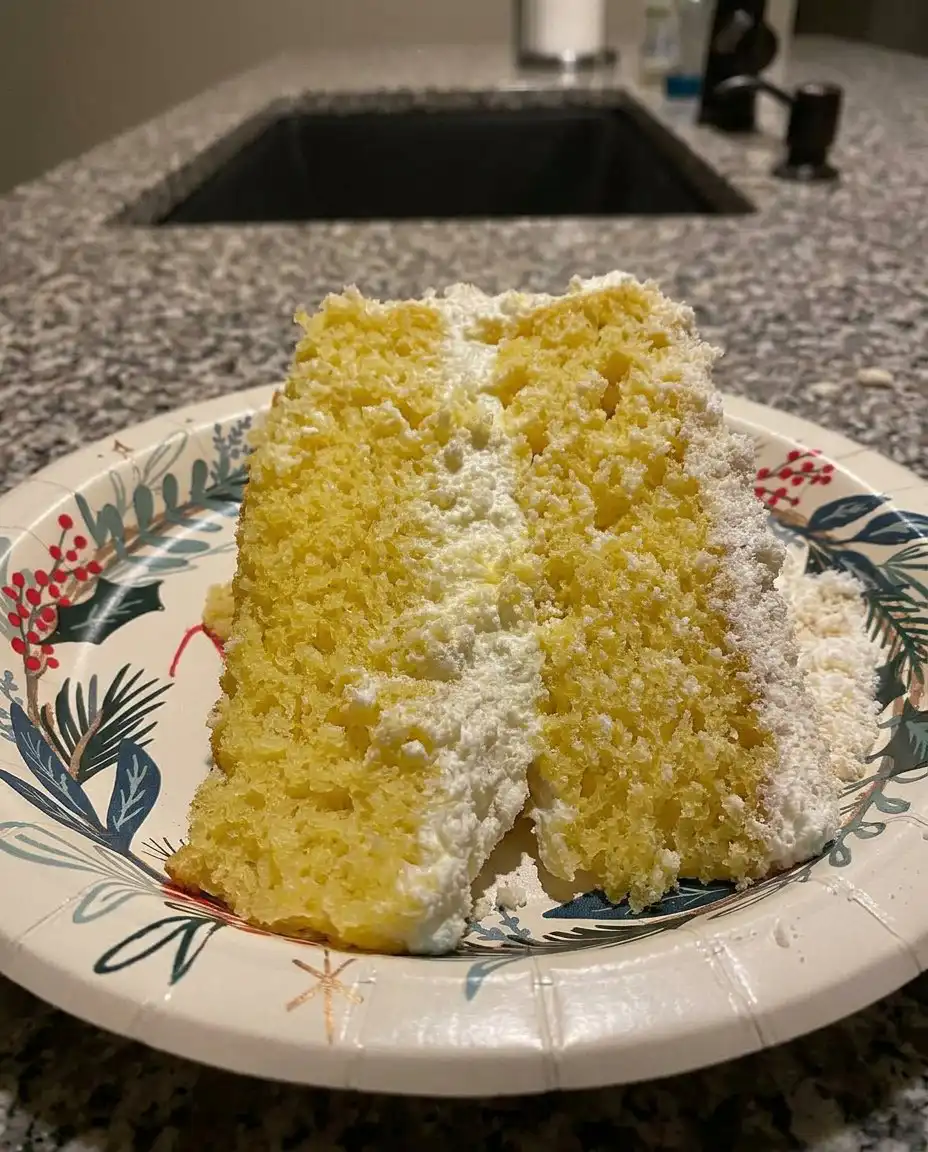
One of the most common failures with an Italian Lemon Cream Cake is a soggy crumb. To prevent this, make sure your cake layers are completely cold before you even think about adding the filling. Heat will melt the fats in the lemon cream, causing it to soak into the sponge and ruin the texture. If you are looking for another high-performance dessert, try our quick-italian-cream-cake which uses similar stabilization techniques.
Another critical observation from the test kitchen: the quality of your lemon zest matters. Use a microplane to only take the yellow part of the skin. The white pith underneath is bitter and will disrupt the delicate flavor balance of the mousse. We have found that zesting the lemons directly into the sugar before creaming the butter helps release the essential oils through mechanical friction.
Tested Variations
If you want to experiment with different textures, we have tested this Italian Lemon Cream Cake using a mascarpone swap. Replacing the cream cheese with an equal weight of mascarpone creates a richer, silkier mouthfeel that is less tangy. This modification is very similar to the profile found in our limoncello-mascarpone-cake, which offers a more traditional Italian dessert experience.
For a lighter version, you can omit the horizontal slicing and keep it as a two-layer cake. This reduces the amount of filling needed and focuses the experience on the density of the sponge. We tested this with a 20% reduction in lemon juice to account for the lower surface area of the filling, and the flavor remained bright and balanced.
Presentation Precision
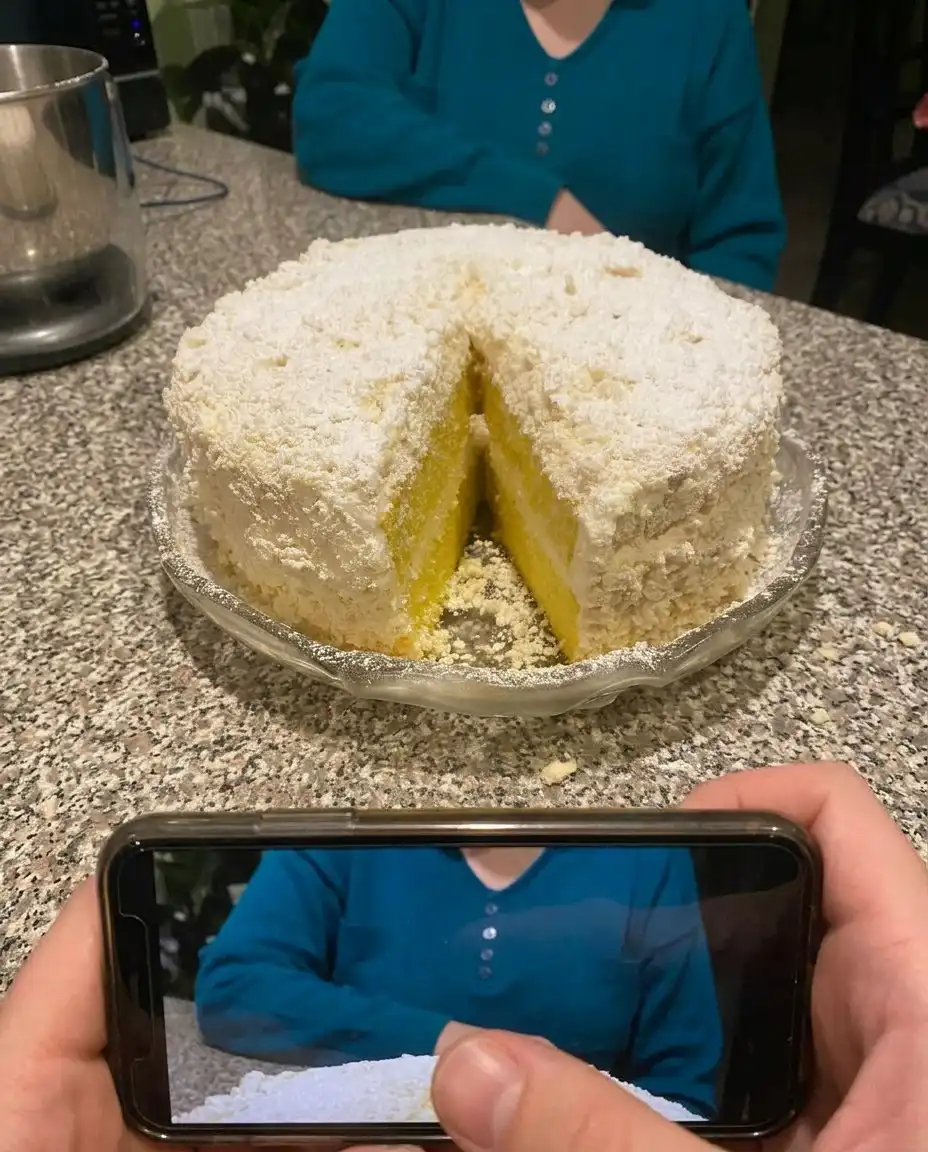
When serving your Italian Lemon Cream Cake, temperature is your most important variable. This cake is best served at a slightly chilled temperature, around 45°F (7°C). This allows the cream filling to maintain its structural integrity while ensuring the sponge is soft and palatable. For a different citrus profile that is equally stunning, consider our italian-lemon-mascarpone-cake.
To achieve clean, professional slices, use a thin-bladed knife dipped in hot water and wiped dry between every single cut. This prevents the lemon cream from sticking to the blade and tearing the delicate crumb. Presentation is a science; a clean slice allows the guest to see the precise layers you worked so hard to create.
The Final Analysis
Mastering the Italian Lemon Cream Cake requires attention to detail and a respect for the chemistry of baking. By controlling your temperatures and following our folding techniques, you can achieve a result that rivals any professional bakery. If you enjoyed this technical approach to citrus desserts, you might find the texture of our lemon-velvet-cake to be an interesting comparison in crumb structure. For even more inspiration, check out the original recipe inspiration at Angelina Recipes.
Keep testing, keep measuring, and keep baking. We would love to see your results and hear about your success in the kitchen. Connect with us on Pinterest, Instagram, or Facebook to share your mastery of the Italian Lemon Cream Cake.