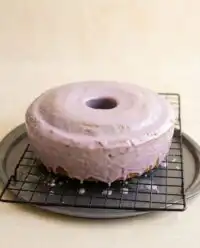
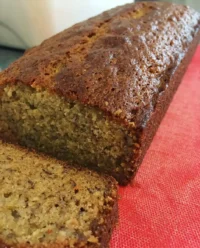
Picture a crumb so tender it nearly melts on the fork, smelling of sweet tropical fruit and bright lemon zest, all baked into a beautiful golden cake.

This Mango Yogurt Cake offers an incredibly soft texture that stays fresh and fragrant for days on end. This simple bake combines rich butter with cool, tangy yogurt and the sunny sweetness of ripe tropical fruit. Here in my kitchen, I always look for ways to bring a little sunshine to the table, and this recipe does exactly that. It is the kind of baking that brings folks together around the kitchen counter.
Why This Mango Yogurt Cake Earns Its Place
Prep: 15 min · Serves: 8 · Difficulty: Easy
- A crumb so tender it melts.
- Bright lemon zest adds sunny fragrance.
- Simple pantry ingredients create easy beauty.
- Moisture stays locked in like our mango upside down cake.
- Golden edges provide a lovely crust.
This sweet cake brings pure sunshine to your kitchen table.
Get The Full Cake Recipe
Print
Mango Yogurt Cake
- Total Time: 50 mins
- Yield: 8 servings
- Diet: Vegetarian
Description
This tender Mango Yogurt Cake features a delicate, moist crumb infused with bright lemon zest and tropical mango notes. Finished with a sweet, glossy citrus glaze, it is the perfect simple dessert for sharing on a sunny afternoon.
Ingredients
- Softened butter
- Caster sugar
- Freshly grated lemon rind
- Eggs
- Fresh lemon juice
- Self-raising flour
- Mango yogurt
- Icing sugar
- Boiling water
Instructions
- Prep the oven. Preheat your oven to 180ºC and grease a 20cm round cake tin, lining the base with greaseproof paper.
- Cream base ingredients. Beat the softened butter, caster sugar, and lemon rind in a large bowl until the mixture is pale, light, and smooth.
- Add the eggs. Incorporate the eggs one at a time, beating thoroughly after each addition to maintain a stable emulsion.
- Stir in juice. Pour in the fresh lemon juice and stir gently with a wooden spoon to incorporate.
- Combine flour and yogurt. Sift half of the flour into the bowl followed by half the yogurt, folding gently; repeat with the remaining ingredients until just combined.
- Bake the cake. Spoon the batter into the prepared tin and bake for 35 minutes until a tester comes out clean, then cool in the tin for 10-15 minutes.
- Glaze the cake. Whisk icing sugar, butter, lemon juice, and boiling water into a smooth glaze, then drizzle over the fully cooled cake.
Notes
- Ensure all dairy and eggs are at room temperature to prevent the batter from curdling.
- Use the spoon-and-sweep method to measure flour to avoid a dense, dry cake texture.
- Wait until the cake is completely cold before applying the glaze to ensure a professional, opaque finish.
- Select a full-fat mango yogurt for the best moisture retention and richest tropical flavor profile.
- Prep Time: 15 mins
- Cook Time: 35 mins
- Category: Dessert
- Method: Baking
- Cuisine: Modern
Your Ingredient Lineup
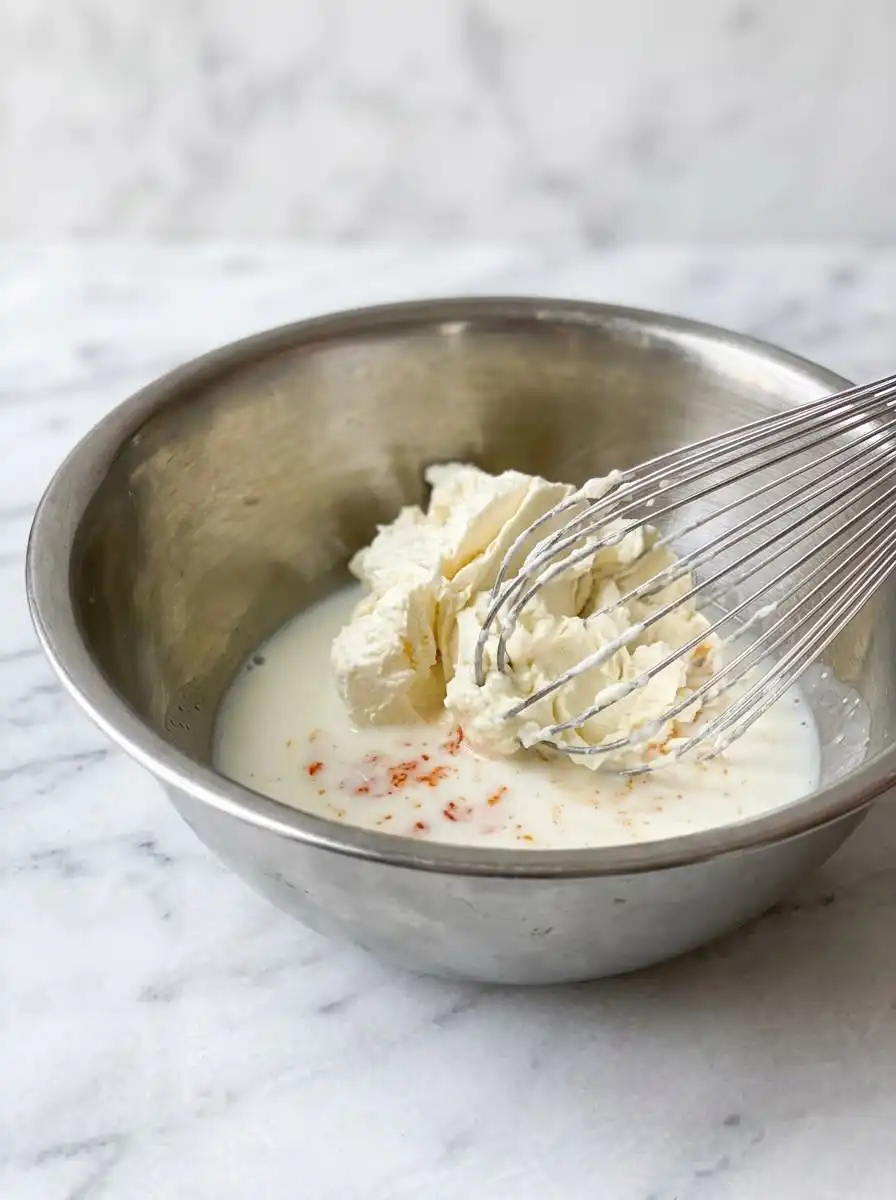
Preparing this beautiful dessert starts with selecting simple, high-quality ingredients that work in harmony. Each component plays a vital role in creating that soft, velvety crumb we want on our dessert table. Having everything at room temperature guarantees your batter mixes smoothly without separating.
- Softened Butter: This ingredient provides the rich flavor and structure, holding air bubbles when beaten with sugar to create a light rise.
- Caster Sugar: Its fine crystals dissolve quickly into the creamed butter, producing a delicate and even crumb.
- Fresh Lemon Rind: Grating the zest directly into the sugar releases essential oils that brighten the entire sweet flavor profile.
- Self-Raising Flour: Sifting this flour guarantees an even, reliable rise and keeps the cake crumb feeling tender rather than dense.
- Mango Yogurt: This ingredient introduces moisture, natural acidity for tenderness, and a lovely tropical aroma throughout the bake.
- Icing Sugar: Blending this fine sugar with lemon juice and butter creates a smooth, glossy glaze for the top.
| Ingredient | Why It Matters |
|---|---|
| Softened Butter | Creams beautifully to build the cake’s tender structure. |
| Caster Sugar | Dissolves easily to guarantee a soft, delicate crumb. |
| Mango Yogurt | Adds moisture, acidity, and a wonderful tropical aroma. |
| Self-Raising Flour | Provides the necessary lift and structure for baking. |
| Fresh Lemon Rind | Infuses the batter with bright, aromatic citrus oils. |
The Method, Step by Step
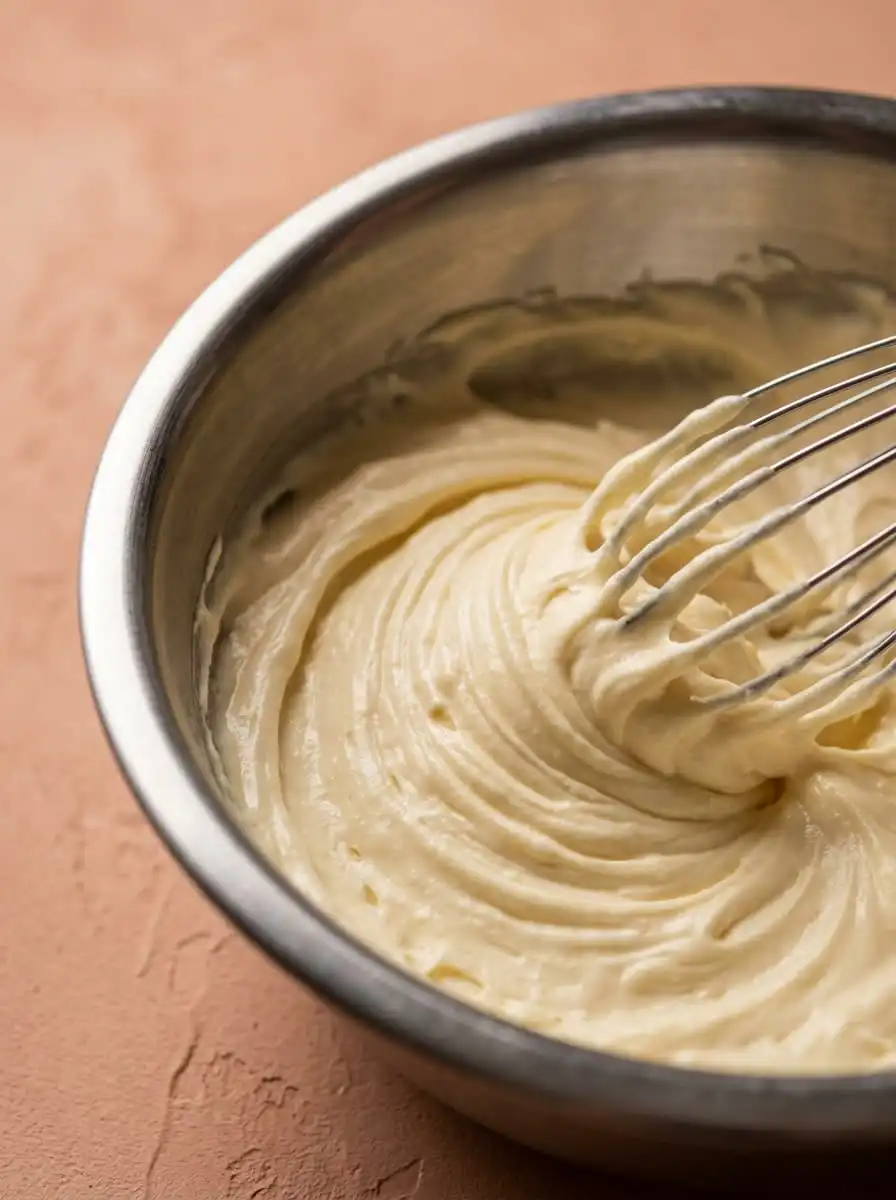
Step 1: Prep Your Oven and Cake Tin
Before mixing your batter, preheat your oven to 180ºC so it reaches the correct temperature. Grease a 20cm round cake tin carefully with a bit of extra butter, making sure you cover every corner. Line the bottom with greaseproof paper to guarantee a clean release once the baking is complete. Taking these steps early means your batter can go straight into a hot oven without waiting.
Step 2: Cream Butter, Sugar, and Zest
In a large bowl, combine the softened butter, caster sugar, and freshly grated lemon rind. Beat these ingredients together with an electric mixer until the mixture is pale, light, and smooth. You will notice the aroma of lemon oil filling your kitchen as the sugar crystals rub against the zest. This process builds the tiny air pockets necessary for a light, delicate cake crumb.
Step 3: Add Eggs One at a Time
Add the eggs to your creamed butter mixture one by one, beating thoroughly after each addition. Incorporating them slowly prevents the batter from curdling and keeps the emulsion stable and smooth. If the mixture looks like it might split, simply add a tablespoon of your sifted flour to bind it. This step guarantees your cake has a consistent, sturdy structure that holds its shape beautifully.
Step 4: Mix in the Fresh Lemon Juice
Pour in the tablespoon of fresh lemon juice and stir gently using a sturdy wooden spoon. Do not worry if the batter looks slightly textured at this stage; the acidity is preparing to react with the flour. Stirring by hand rather than with a mixer at this point prevents overworking the delicate batter. You want to keep the mixture light and full of air.
Step 5: Incorporate the Flour and Mango Yogurt Cake Batter
Sift half of your self-raising flour into the bowl, then add half of the mango yogurt. Fold these ingredients together with your wooden spoon using a gentle figure-eight motion until just combined. Repeat the process with the remaining flour and yogurt, mixing until the batter is thick, smooth, and fragrant. Overmixing at this stage will develop gluten, which makes the cake tough instead of tender.
Step 6: Bake Until Golden and Fragrant
Spoon the thick batter into your prepared cake tin and smooth the top with a spatula. Place the tin on the middle rack of your preheated oven and bake for exactly 35 minutes. You will know it is done when the top is golden brown and a cake tester inserted in the center comes out clean. Let the cake cool in its tin for 10 to 15 minutes before turning it out onto a wire rack.
Step 7: Blend and Apply the Lemon Glaze
While your cake cools completely, combine the icing sugar, softened butter, lemon juice, and boiling water in a small bowl. Whisk these ingredients together until the glaze is smooth, glossy, and easily pourable. Once the cake is cold to the touch, drizzle the glaze evenly over the top, letting it drip down the sides. Serving a slice before the glaze sets is a wonderful treat, but letting it firm up makes for cleaner cuts.
Southern Baker’s Secrets

To achieve a crumb that melts in your mouth, always bring your butter, eggs, and yogurt to room temperature before you begin. Cold ingredients do not emulsify properly, which can lead to an uneven bake and a heavy, dense texture in your finished dessert. If you are short on time, place cold eggs in warm water for ten minutes to take the chill off.
Always choose a high-quality, full-fat yogurt rather than low-fat or fat-free varieties for your baking. The fat content in the yogurt is what keeps the cake tender and moist for days after it comes out of the oven. If you want to learn more about how acidity affects your bakes, check out my guide on the airy lemon yogurt cake secret for deeper insights.
If your cake sinks in the middle during the bake, this usually means the oven door was opened too early or your leavening agents are expired. Avoid opening the oven door before the first 25 minutes of baking have passed, as a sudden rush of cool air can collapse the delicate rising structure. Always test your self-raising flour to guarantee it is fresh and active before mixing your batter.
When measuring your flour, use the spoon-and-sweep method instead of scooping directly from the bag. Scooping packs the flour down, which leads to adding too much dry ingredient and results in a dry, crumbly cake. Gently spoon the flour into your measuring cup and level it off with the back of a butter knife for accuracy.
For the absolute best fruit flavor, try using a Greek-style mango yogurt that contains real fruit pieces rather than artificial flavorings. The real fruit bits will caramelize slightly during the baking process, adding sweet pockets of moisture throughout the cake. This tiny detail makes a wonderful difference in the overall sensory experience of every slice you serve.
Let the cake cool completely on a wire rack before you attempt to drizzle the lemon glaze over the top. If the cake is even slightly warm, the glaze will melt immediately and run off the sides instead of sitting beautifully on top. A cool cake allows the glaze to set into a lovely, opaque finish that looks professional and tastes wonderful.
Frequently Asked Questions
Can I use frozen or canned mango puree?
Yes, you can use canned or frozen mango puree if you cannot find mango yogurt at your local grocery store. Substitute the half-cup of yogurt with a half-cup of thick mango puree mixed with a tablespoon of sour cream. This maintains the necessary acidity and moisture levels while delivering a very intense fruit flavor.
Can I use Greek yogurt instead of plain yogurt?
Using a thick, full-fat mango Greek yogurt works beautifully in this recipe and actually adds a lovely richness to the crumb. Since Greek yogurt is strained and thicker than regular yogurt, you may need to add an extra tablespoon of lemon juice to keep the batter easily stirrable. Avoid using non-fat varieties, as they will make the cake dry.
How do you store mango yogurt cake?
To keep this cake fresh and moist, store it in an airtight container at room temperature for up to three days. If you live in a particularly warm or humid climate, it is best to keep the cake in the refrigerator to prevent the glaze from weeping. Let the slices sit on the counter for ten minutes before serving to restore their soft texture.
Why did my mango cake sink in the middle?
A cake that sinks in the center is usually the result of opening the oven door too early during the baking process. This introduces cool air which collapses the delicate air pockets before they have fully set. Additionally, make sure your self-raising flour is fresh, as old baking powder loses its lifting power and causes cakes to fall.
Can I substitute butter with oil in this cake?
You can substitute the softened butter with an equal amount of neutral vegetable oil, such as canola or sunflower oil, if you prefer. While oil creates an exceptionally moist crumb, you will lose the rich, classic buttery flavor that makes this recipe so comforting. If using oil, whisk it directly with the sugar before adding the eggs.
How can I make the mango flavor stronger?
To intensify the tropical flavor, you can fold a half-cup of finely diced fresh mango into the batter right before spooning it into the tin. Be sure to toss the diced mango in a tablespoon of flour first so the pieces do not sink to the bottom of the cake. This simple trick adds delicious, sweet pockets of fruit to every slice.
Can I bake this mango cake in a loaf tin?
Yes, this recipe adapts wonderfully to a standard loaf tin if you prefer that classic shape for slicing. You will need to increase the baking time to about 45 to 50 minutes, as loaf cakes are deeper and take longer to bake through. Always test the center with a toothpick to guarantee it is completely baked before removing it.
Can I freeze this cake after it is baked?
You can freeze this cake easily for up to three months, but it is best to do so before adding the glaze. Wrap the cooled cake tightly in plastic wrap and then a layer of aluminum foil to prevent freezer burn. When you are ready to enjoy it, thaw the cake overnight on the counter and apply the fresh lemon glaze just before serving.
Family Twists & Variations
To turn this simple afternoon tea cake into something grander, you can adapt the recipe into a stunning mango birthday layer cake by doubling the ingredients and baking it in two separate round tins. Once cooled, sandwich the layers together with a thick layer of freshly whipped cream and sliced sweet mangoes. This creates a beautiful centerpiece that looks beautiful on any dining table.
For a lovely, rustic look that reminds me of church potlucks, try adding a handful of toasted shredded coconut to the batter just before baking. The combination of sweet mango, bright lemon, and nutty coconut brings a wonderful flavor profile to the kitchen. You can also sprinkle extra toasted coconut over the wet glaze for a lovely textured finish.
If you prefer a deeper, caramelized fruit flavor, you can place thin slices of fresh mango at the bottom of the tin before pouring the batter over them. This creates a gorgeous, upside-down effect once the cake is baked and inverted onto your serving platter. The natural fruit juices will seep into the cake, creating a beautifully moist crumb that needs no glaze at all. If you want to see how lemon and mango complement each other in baking, this variation is a wonderful place to start.
Bringing It to the Table
When it comes to bringing this beautiful cake to the table, simplicity is your best friend. I love to display it on a vintage glass cake stand passed down through my family, letting the beautiful lemon glaze catch the light. Slice it gently with a warm, sharp knife to guarantee clean cuts that show off the tight, tender crumb. It is a wonderful accompaniment to an afternoon cup of hot tea or sweet iced tea enjoyed on the front porch.
If you are hosting a larger gathering or a special celebration, you can dress this cake up with a pile of fresh, sliced mangoes and fresh berries right in the center. A dollop of lightly sweetened whipped cream on the side completes the plate beautifully. For an even more beautiful presentation at a formal event, you might look to my mango drip cake for inspiration on how to decorate with elegant fruit designs.
For casual Sunday dinners, simply serve this cake as it is, letting the bright citrus glaze speak for itself. It is a dessert that does not need a lot of fuss to make people feel welcome and cared for. The combination of sweet tropical mango and sharp lemon zest makes it a refreshing finish to a hearty comfort food meal. No matter how you choose to serve it, this cake invites people to slow down and enjoy each other’s company.

From My Kitchen to Yours
Baking is always about more than just combining ingredients in a bowl; it is about creating moments of connection and comfort. This simple tropical cake has a way of turning an ordinary afternoon into a special occasion, bringing a sense of warmth to anyone who sits at your table. I hope this recipe brings as much joy to your home as it has to mine over the years.
If you are looking for even more ways to celebrate mango season, be sure to try my mango fresh fruit topped cake for another crowd-pleasing dessert. It is a wonderful companion to this recipe, offering a different take on the same beautiful, sweet fruit. There is nothing quite like the satisfaction of a successful bake that makes your family smile.
Please share your baking journey with me and let me know how your cake turned out in the comments below. You can also connect with our community on Pinterest and Facebook to find more sweet inspiration and Southern kitchen wisdom. Let us keep baking that brings folks together, one beautiful slice at a time.