Many zucchini cakes suffer from a gummy, leaden bottom where moisture pools during the bake, resulting in a dense crumb that lacks structural integrity and the rise required for a consistent slice.

The Old-Fashioned Zucchini Cake represents a specific intersection of horticultural abundance and precise chemical leavening. This bake relies on a high ratio of lipid-based moisture to counteract the structural density of the shredded vegetable matter. We have engineered this method to ensure the sugar properly tenderizes the gluten while the eggs provide the necessary lift for a 9×13 pan. Every measurement in this recipe serves a functional purpose in creating a repeatable, high-quality crumb that resists the sogginess common in garden-based desserts.
Why This Old-Fashioned Zucchini Cake Works
Prep: 15 min · Serves: 20 · Difficulty: Medium
- Optimized moisture levels prevent gummy cake centers.
- Balanced spice profile complements fresh garden produce.
- Toasted walnuts add essential structural crumb contrast.
- High-speed egg aeration provides a reliable lift.
- Consistent results achieved through tested temperature parameters.
Precision creates consistency in every batch of this moist zucchini cake recipe that we tested in our kitchen labs.
Get The Full Cake Recipe
Print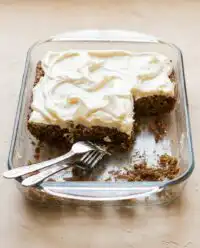
Old-Fashioned Zucchini Cake
- Total Time: 1 hour
- Yield: 20 servings
Description
This classic, moist zucchini cake strikes the perfect balance between garden-fresh ingredients and a tender, spiced crumb. Topped with a tangy cream cheese frosting, this reliable recipe ensures a stable structure and consistent texture in every slice.
Ingredients
- 3 cups all-purpose flour
- 2 teaspoons cinnamon
- 1 teaspoon baking soda
- 1 teaspoon baking powder
- 1/2 teaspoon salt
- 3 large eggs
- 2 cups granulated sugar
- 1 cup vegetable oil
- 1 teaspoon vanilla extract
- 1 teaspoon lemon zest
- 2 cups finely grated zucchini, pressed dry
- 1 cup chopped walnuts
- 8 ounces cream cheese, softened
- 1/2 cup unsalted butter, softened
- 2 cups powdered sugar
Instructions
- Prepare oven and pan. Preheat your oven to 350°F and thoroughly grease a 9×13 baking pan to ensure the cake releases easily.
- Combine dry ingredients. In a medium bowl, whisk together the flour, cinnamon, baking soda, baking powder, and salt until uniform.
- Aerate egg mixture. Using a stand mixer, beat the eggs on high until frothy, then lower the speed to incorporate the sugar, oil, vanilla, and lemon zest.
- Incorporate flour mixture. Gradually stir the dry ingredients into the wet mixture in three stages, being careful not to overmix the batter.
- Fold in extras. Gently fold in the pressed, dry zucchini and the chopped walnuts using a silicone spatula until evenly distributed.
- Bake the cake. Pour the batter into the prepared pan and bake for 40 to 45 minutes until a tester comes out clean and the center registers 205°F.
- Cool and frost. Allow the cake to cool completely on a wire rack before spreading the cream cheese frosting evenly over the top surface.
Notes
- Ensure zucchini is thoroughly squeezed in a sieve to prevent a soggy, dense cake center.
- Use a digital scale to weigh your flour, as packing it into measuring cups can lead to a dry, crumbly texture.
- Toast the walnuts in a 350°F oven for 6-8 minutes before adding them to the batter to unlock deeper flavor and aroma.
- Bring your cream cheese and butter to room temperature before mixing the frosting to avoid unwanted lumps.
- Check the internal temperature of the cake with a probe thermometer to guarantee the starch has fully set at 205°F.
- Prep Time: 15 mins
- Cook Time: 45 mins
- Category: Dessert
- Method: Baking
- Cuisine: American
The Working Components
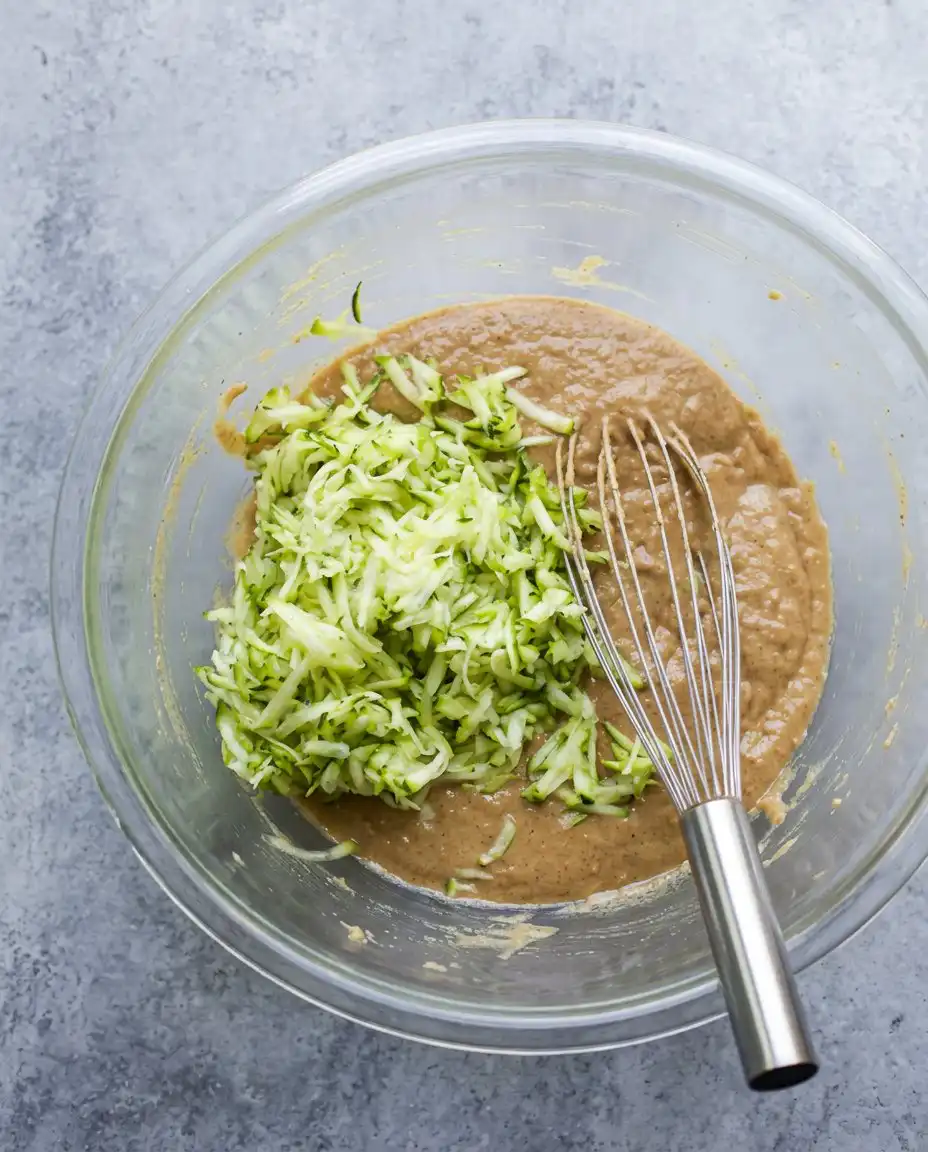
This recipe functions as a stable emulsion where oil and eggs provide the structural fat while the pressed zucchini contributes fiber and hydration. The choice of neutral vegetable oil is deliberate, as it remains liquid at room temperature to ensure the cake stays soft even after refrigeration. We use a combination of baking soda and baking powder to manage the acidity of the zucchini while providing maximum expansion during the initial 15 minutes of heat exposure.
- Zucchini: Must be finely grated and pressed through a sieve to remove excess cellular water that causes leaden bottoms.
- Vegetable Oil: Provides a coating for flour proteins to limit gluten development, resulting in a more tender bite.
- Large Eggs: These act as the primary aerating agent when beaten to a frothy consistency before other additions.
- Cinnamon: This spice provides the aromatic profile that identifies the recipe as a heritage-style bake.
- Baking Soda: Neutralizes acids and encourages the Maillard reaction for a deeper, golden-brown exterior.
- Walnuts: Adds a lipid-rich crunch that breaks up the soft texture of the baked batter.
- Cream Cheese: The base for the frosting, offering a lactic tang that balances the 2 cups of sugar in the batter.
- Lemon Zest: An optional but recommended addition to provide a bright top note to the earthy spices.
| Ingredient | Why It Matters |
|---|---|
| Zucchini | Provides internal hydration and fiber without adding heavy weight to the crumb structure. |
| Baking Soda | Triggers immediate carbon dioxide release when it hits the heat, ensuring the cake does not sink. |
| Vegetable Oil | Guarantees a soft texture by preventing the starch molecules from recrystallizing too quickly. |
| Walnuts | Offers structural variety and a contrast in mouthfeel against the soft, spiced crumb. |
| Cinnamon | Serves as the primary flavoring agent that masks the vegetal notes of the zucchini. |
The Tested Procedure
Step 1: Prep the Oven and Pan
Preheat your oven to 350°F and verify the internal temperature with an oven thermometer to ensure accuracy. Butter a 9×12 or 9×13 baking pan thoroughly, reaching into the corners to prevent the cake from sticking during the cooling process. This preparation ensures the batter begins its rise immediately upon contact with the heated surface, which is vital for a flat-topped finish.
Step 2: Combine the Dry Components
In a medium mixing bowl, whisk together the flour, cinnamon, baking soda, salt, and baking powder until the color is uniform throughout. This step is not merely about mixing; it is about aerating the flour and ensuring the leavening agents are distributed evenly to prevent large air pockets or localized bitter spots. Set this mixture aside to allow the ingredients to reach a stable state before they meet the wet components.
Step 3: Aerate the Eggs and Sugar
In a stand mixer fitted with the paddle attachment, beat the 3 large eggs on high speed until they are light, frothy, and have increased in volume. Lower the speed to medium and gradually incorporate the sugar, vegetable oil, vanilla extract, and lemon zest if you are using it. This aeration stage is where the mechanical structure of the cake is born, creating the tiny air cells that will expand in the oven.
Step 4: Incorporate the Flour in Stages
Add the flour mixture to the wet ingredients in three separate additions, stirring gently after each one to avoid overworking the gluten. Over-mixing at this stage will lead to a tough, bread-like texture rather than the tender crumb we are looking for in this specific bake. The batter should look thick but smooth, with the spices clearly visible as small specks throughout the mixture.
Step 5: Fold in the Zucchini and Nuts
Gently fold in the 2 cups of pressed zucchini and your choice of walnuts or pecans using a silicone spatula. Ensure the zucchini is distributed evenly so that every slice has the same ratio of vegetable to cake, providing consistent moisture throughout. If you are adding raisins, toss them in a teaspoon of flour first to prevent them from sinking to the bottom of the pan during the bake.
Step 6: Bake the Old-Fashioned Zucchini Cake
Pour the batter into the prepared pan and bake at 350°F for 40 to 45 minutes, or until a tester inserted into the center comes out clean. The cake should feel springy to the touch and the edges should just begin to pull away from the sides of the pan as the structure stabilizes. Here’s the why behind the step: the center temperature must reach 205°F to ensure the starch has fully set and the moisture is locked in.
Step 7: Cool and Apply the Frosting
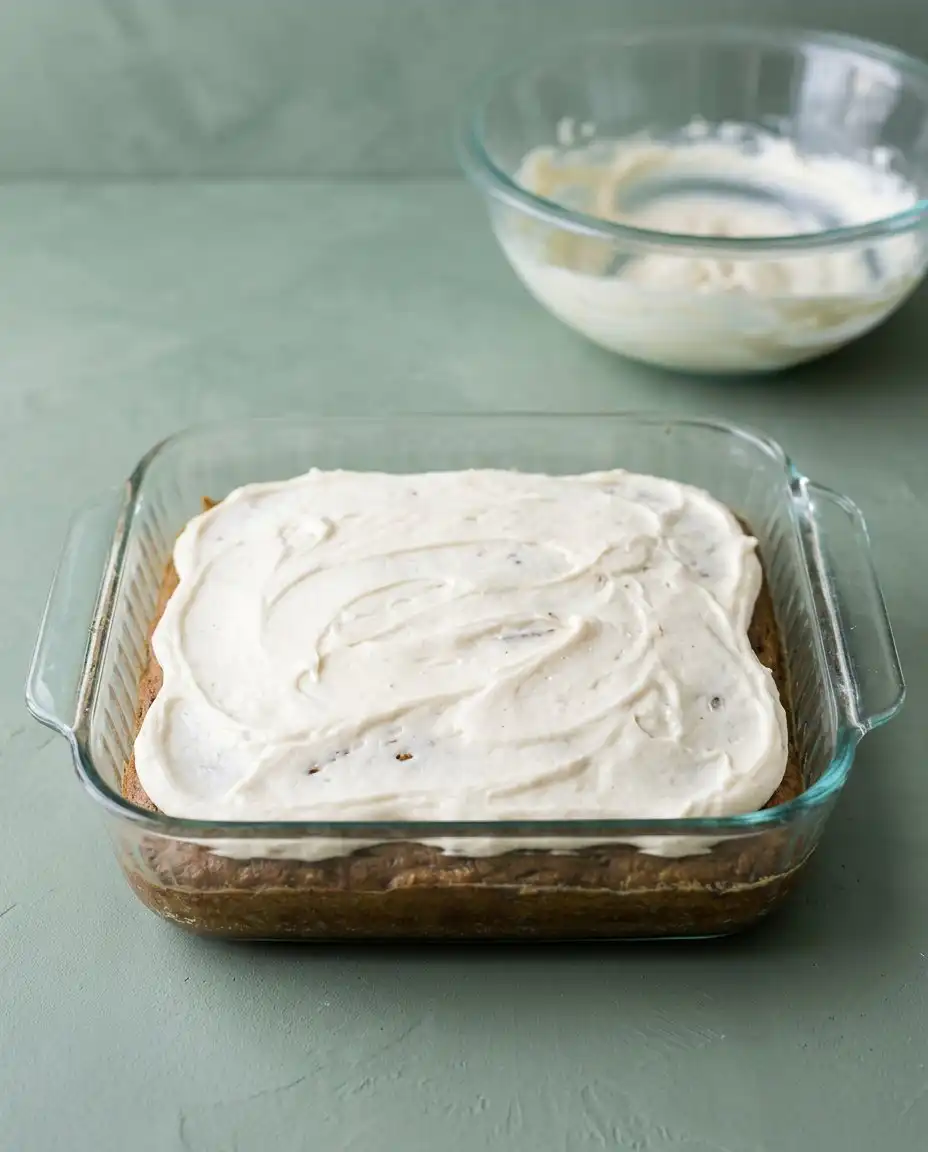
Allow the cake to cool completely in the pan on a wire rack to allow the internal steam to redistribute, which prevents the crumb from becoming dry. Once cool, beat together the room-temperature cream cheese and butter until smooth, then gradually add the powdered sugar until you reach a spreadable consistency. Frost only the top of the cake if you are keeping it in the pan, ensuring an even layer from edge to edge.
Test Kitchen Notes
When preparing the zucchini, always use a fine-mesh sieve to press out the water after grating. Our testing showed that unpressed zucchini adds nearly 1/4 cup of unintended liquid to the batter, which causes the center of the cake to collapse as it cools. For the best texture, let the grated zucchini sit in the sieve for 10 minutes before applying firm pressure with the back of a large spoon.
Use a digital scale to weigh your flour at 125 grams per cup to ensure the ratio of starch to fat remains exact. Volumetric measuring is often inaccurate because flour can pack down in the cup, leading to a dry and crumbly result that lacks the signature softness of this recipe. Precision in the early stages of measurement is the only way to guarantee repeatable success in the final bake.
If your cake feels dense or gummy, here is why and how to fix it: the most common cause is under-baking the center while the edges appear done. Use an instant-read thermometer to check for an internal temperature of 200°F to 205°F before removing the pan from the oven. If the edges are browning too quickly, tent the pan with aluminum foil for the final 10 minutes of the baking cycle.
Toasted walnuts provide a much deeper flavor profile than raw ones, as the heat triggers the release of oils and creates a more complex aromatic character. Spread your nuts on a sheet pan and bake them at 350°F for 6 to 8 minutes until they smell fragrant and appear one shade darker. This small step significantly improves the overall sensory experience of the finished dessert.
Always ensure your cream cheese and butter are at a true room temperature of approximately 70°F before starting the frosting. Cold fats will not emulsify properly with the powdered sugar, leading to a lumpy frosting that is difficult to spread without tearing the delicate surface of the cake. If you are in a rush, you can soften the butter by placing it near the preheating oven for a few minutes.
For those who prefer a more spiced profile, you can analyze the results of our zucchini spice cake cream cheese frosting tests to see how different spice ratios affect the perceived sweetness of the frosting. Adjusting the cinnamon or adding a pinch of nutmeg can shift the cake toward a more autumnal flavor profile if desired.
Maintaining a consistent oven temperature is the most critical factor in achieving the proper rise. We recommend placing a baking stone on the bottom rack of your oven to help regulate heat fluctuations and provide a more stable environment for your 9×13 pan. This helps the how to bake with garden vegetables technique succeed by providing steady heat to the bottom of the cake.
Frequently Asked Questions
Can I use frozen zucchini for this recipe?
Yes, you can use frozen zucchini, but you must thaw it completely and drain it thoroughly in a sieve before measuring. Frozen zucchini releases significantly more moisture than fresh because the freezing process breaks down the cell walls. If you do not squeeze the thawed zucchini until it is quite dry, the extra water will ruin the structural integrity of the batter.
How should I store the leftover cake?
Because of the cream cheese frosting, this cake must be stored in the refrigerator to prevent spoilage. Cover the pan tightly with aluminum foil or plastic wrap to keep the crumb from drying out in the cold air. The cake will stay fresh and moist for up to 5 days, and many tasters find the flavors actually improve after the first 24 hours of refrigeration.
What is the best way to grate zucchini for baking?
Use the small or medium holes on a box grater to ensure the pieces are small enough to melt into the batter during the bake. Large shreds can create pockets of moisture that lead to an uneven crumb and may be unappealing to some diners. Aim for a consistent shred that looks like fine confetti, which allows for the most even distribution throughout the cake.
Can I replace the oil with applesauce?
You can replace half of the oil with unsweetened applesauce to reduce the fat content, but be aware that it will change the final texture. Oil provides a specific type of moisture and tenderness that applesauce cannot fully replicate, often resulting in a slightly more rubbery crumb. If you make this change, do not over-mix the batter, as the lack of fat makes the gluten much more sensitive to development.
Why did my cake sink in the middle?
A sunken center is usually the result of one of two things: under-baking or too much moisture from the zucchini. If the internal temperature doesn’t reach 205°F, the starch structure isn’t strong enough to support the weight of the cake as it cools. Always ensure you have pressed the zucchini dry and use an oven thermometer to confirm your oven is actually reaching 350°F.
Can I bake this recipe as muffins instead?
This batter works well for muffins; simply grease a standard muffin tin and fill each cup about three-quarters full. Bake at 350°F for 20 to 25 minutes, or until a tester comes out clean. Because muffins bake faster, you will need to watch them closely to ensure they don’t dry out, as the higher surface-area-to-volume ratio makes them more prone to over-baking.
Variations That Hold Up
For a different flavor profile, you can substitute the walnuts for black walnuts, which offer a more intense and earthy note that pairs exceptionally well with the cinnamon. This was a common variation in heritage kitchens and provides a distinct departure from the milder English walnut. If you choose this route, reduce the lemon zest slightly to allow the bold nut flavor to remain the focal point of the slice.
If you are a fan of cocoa, our chocolate lovers zucchini cake provides a tested method for incorporating cocoa powder into the dry mix. You would typically replace 1/4 cup of the all-purpose flour with Dutch-processed cocoa to maintain the correct starch balance while adding a rich chocolate depth. This variation often appeals to those who want the moisture of the zucchini without the traditional spice cake profile.
Another option is to bake this batter in an angel food pan for 60 minutes, which creates a taller, more dramatic presentation suitable for brunch gatherings. The increased surface area of the center tube allows for more even heat distribution, which is particularly helpful if your oven has known cold spots. Ensure you grease the tube thoroughly to prevent the cake from tearing when you invert it for cooling.
Finishing & Plating
When serving this cake, it is best to cut it into 20 uniform pieces while it is slightly chilled to ensure clean, sharp edges. This is particularly important for cakes with cream cheese frosting, which can become soft and messy at room temperature. For a more formal presentation, you can serve individual squares on a white dessert plate with a small dollop of extra frosting or a light dusting of cinnamon on the side.
This bake is an excellent companion to a strong cup of coffee or a cold glass of milk, as the creaminess of the dairy complements the warm spices of the cake. If you are serving this at a garden party or brunch, consider pairing it with fresh berries to add a tart contrast to the sweet frosting. The zucchini crumb cake is another great option if you are looking for a more breakfast-oriented version of this vegetable-based dessert.
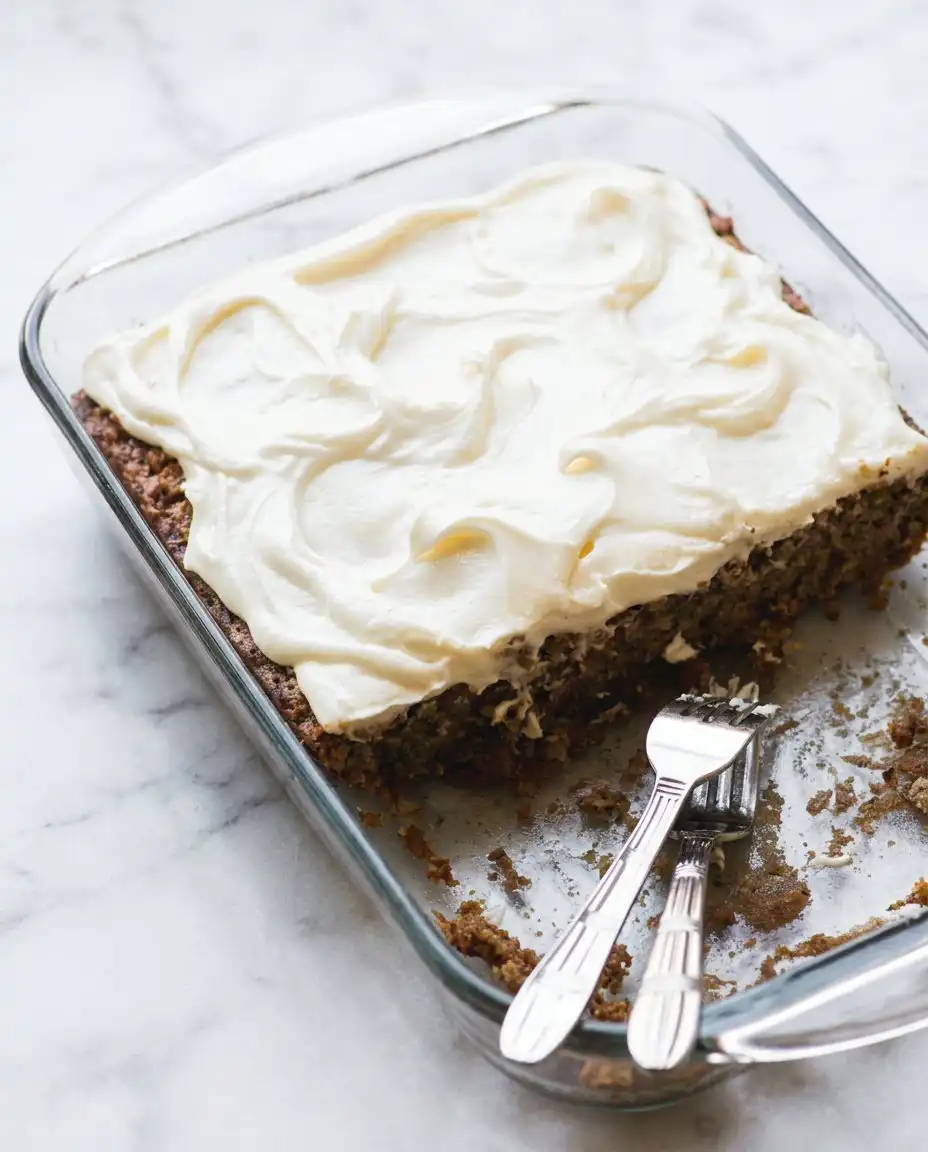
For those who enjoy a more rustic look, you can skip the smooth frosting and instead apply it in a decorative swirl pattern using the back of a spoon. This technique creates small ridges that catch the light and give the cake a more homemade, traditional feel. Always store the cake covered when not serving to maintain the moisture levels of the crumb and the stability of the frosting.

Recipe Recap
Mastering the old-fashioned zucchini cake is about understanding how to manage moisture while creating a stable, aerated crumb. By following the precise steps of pressing the zucchini and properly beating the eggs, you can achieve a result that is both repeatable and technically sound. This cake serves as a reliable way to utilize your garden harvest while providing a dessert that is consistently requested by friends and family alike.
We encourage you to experiment with the different nut and spice variations to find the combination that best suits your personal palate. If you enjoy this balance of produce and spice, our moist zucchini banana cake offers another variation on this technical theme. Please share your results with us and let us know which testing notes were most helpful for your specific baking environment.