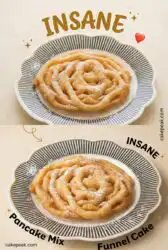
We tested three different buttermilk pancake mix ratios at temperatures from 325°F to 375°F to find the exact formulation for an exceptionally crisp, non-greasy carnival treat.

Recreating the county fair experience at home often feels challenging due to complex batter mechanics and unpredictable frying temperatures. This formula for Pancake Mix Funnel Cake bypasses those hurdles by using the balanced leavening agents already present in your favorite breakfast box. By establishing a precise water-to-dry-mix ratio, we ensure a batter that streams smoothly and fries to a crisp, golden-brown finish. The resulting pastry matches the nostalgic texture of a traditional fairground treat with a fraction of the preparation time.
What the Testing Showed for Pancake Mix Funnel Cake
Prep: 5 min · Serves: 4 · Difficulty: Easy
- Achieves consistent crispy texture in minutes.
- Eliminates measuring multiple dry leavening agents.
- Delivers repeatable golden results every time.
- Uses accessible household buttermilk pancake mix.
- Minimizes cleanup with a simple bag technique.
This precise method guarantees a reliable dessert that yields spotless results with every single batch. If you enjoy this quick approach, you might also want to try our classic funnel cake bites for another simple frying project. These miniature treats use similar mechanics to deliver high-quality textures with minimal effort.
Get The Full Cake Recipe
Print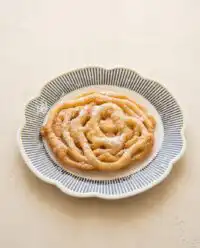
Pancake Mix Funnel Cake
- Total Time: 15 mins
- Yield: 4 cakes
Description
Transform pantry staples into a classic carnival treat with this reliable buttermilk pancake mix funnel cake recipe. By using precise hydration ratios and strict temperature control, you can create a perfectly crispy, golden-brown pastry at home in minutes.
Ingredients
- 120g Buttermilk pancake mix
- 1 tbsp Granulated sugar
- 1 tsp Vanilla extract
- 1/2 cup Cool water
- Vegetable oil for frying
- Confectioners’ sugar for dusting
Instructions
- Heat the oil. Fill a heavy-bottomed ten-inch skillet halfway with vegetable oil and heat to 350°F over medium heat using a thermometer.
- Combine dry ingredients. Whisk 120 grams of pancake mix, one tablespoon of sugar, and one teaspoon of vanilla extract in a large bowl.
- Hydrate the batter. Gradually stir in half a cup of cool water until the mixture reaches a thick, continuous flowing consistency.
- Prepare the bag. Transfer the batter into a piping bag or heavy-duty plastic storage bag fitted with a one-quarter-inch opening.
- Verify oil temperature. Test the oil by frying a small droplet of batter, ensuring it bubbles vigorously and maintains a steady 350°F.
- Pipe the disk. Pipe the batter into the hot oil in a circular, webbed pattern to form a disk approximately six inches wide.
- Fry the first side. Cook for exactly sixty seconds until the bottom is set and edges are light golden brown.
- Finish and drain. Flip the cake to fry for an additional forty-five seconds, then drain on paper towels and dust with confectioners’ sugar.
Notes
- Use a digital scale for the pancake mix to ensure the liquid-to-dry ratio remains consistent every time.
- Keep the oil temperature at a steady 350°F to prevent the pastry from becoming greasy or soaking up too much fat.
- Make a clean, sharp cut on your piping bag to ensure a smooth, uniform stream of batter for better texture.
- Avoid overmixing the batter after adding water to prevent the development of tough gluten proteins.
- Chill the filled piping bag for ten minutes if the batter flow feels too thin or difficult to control.
- Prep Time: 5 mins
- Cook Time: 10 mins
- Category: Dessert
- Method: Deep Frying
- Cuisine: American
The Working Components
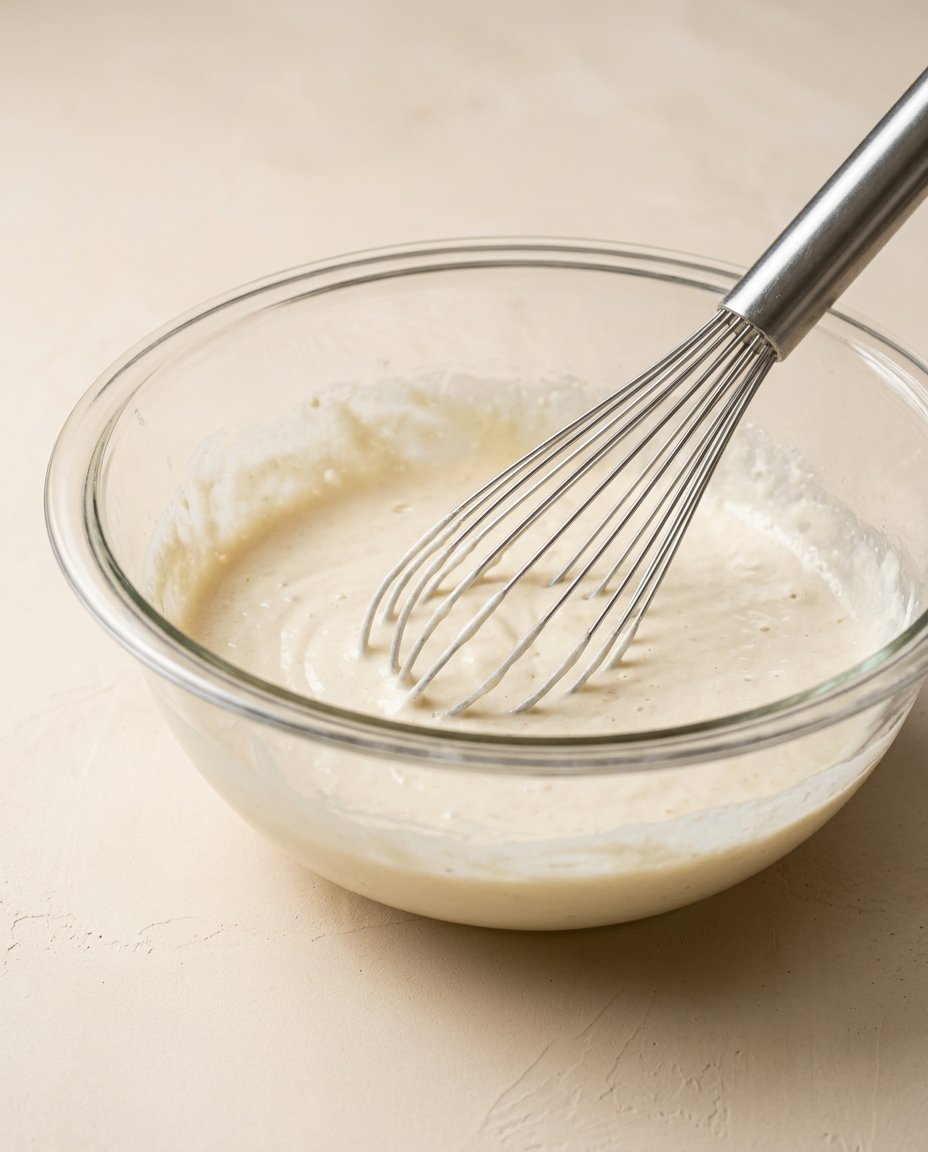
Creating a fried pastry with the ideal balance of a crispy exterior and tender interior requires understanding how each component behaves under high heat. The dry mix serves as our structural foundation, while the liquid level determines whether the batter streams smoothly or breaks apart in the oil. By analyzing these components, we can systematically prevent common frying failures before they occur.
- Buttermilk Pancake Mix: This structural foundation contains pre-measured flour, starch, and leavening agents that react instantly to the hot oil.
- Granulated Sugar: Adding a single tablespoon accelerates the Maillard reaction to secure a rich golden color while tenderizing the interior crumb structure.
- Vanilla Extract: This aromatic ingredient introduces a layer of bakery depth that masks any chemical flavor from the packaged dry mix.
- Water: This hydrating agent activates the gluten proteins and leaveners, and must be incorporated slowly to regulate the batter density.
- Vegetable Oil: Frying in a neutral oil with a high smoke point prevents off-flavors and maintains a clean, crispy surface.
- Confectioners’ Sugar: The ultra-fine crystals cling to the hot fried ridges, melting slightly to form the classic sweet bakery coating.
| Ingredient | Why It Matters |
|---|---|
| Buttermilk Pancake Mix | Offers a balanced flour base with built-in leaveners |
| Granulated Sugar | Accelerates browning and tenderizes the inner crumb |
| Vanilla Extract | Masks packaged mix tones with rich bakery aroma |
| Water | Regulates gluten hydration and controls batter viscosity |
| Vegetable Oil | Provides thermal stability for a clean, even fry |
| Confectioners’ Sugar | Creates the traditional sweet melting finish on top |
Maintaining the exact weight ratio between the dry mix and water is critical for achieving a continuous stream during the frying process. If you weigh your dry mix to exactly 120 grams, the half-cup of water will hydrate the starches perfectly without over-saturating the gluten. This structural balance prevents the batter from dissolving into separate droplets when it contacts the hot cooking oil.
The Tested Procedure
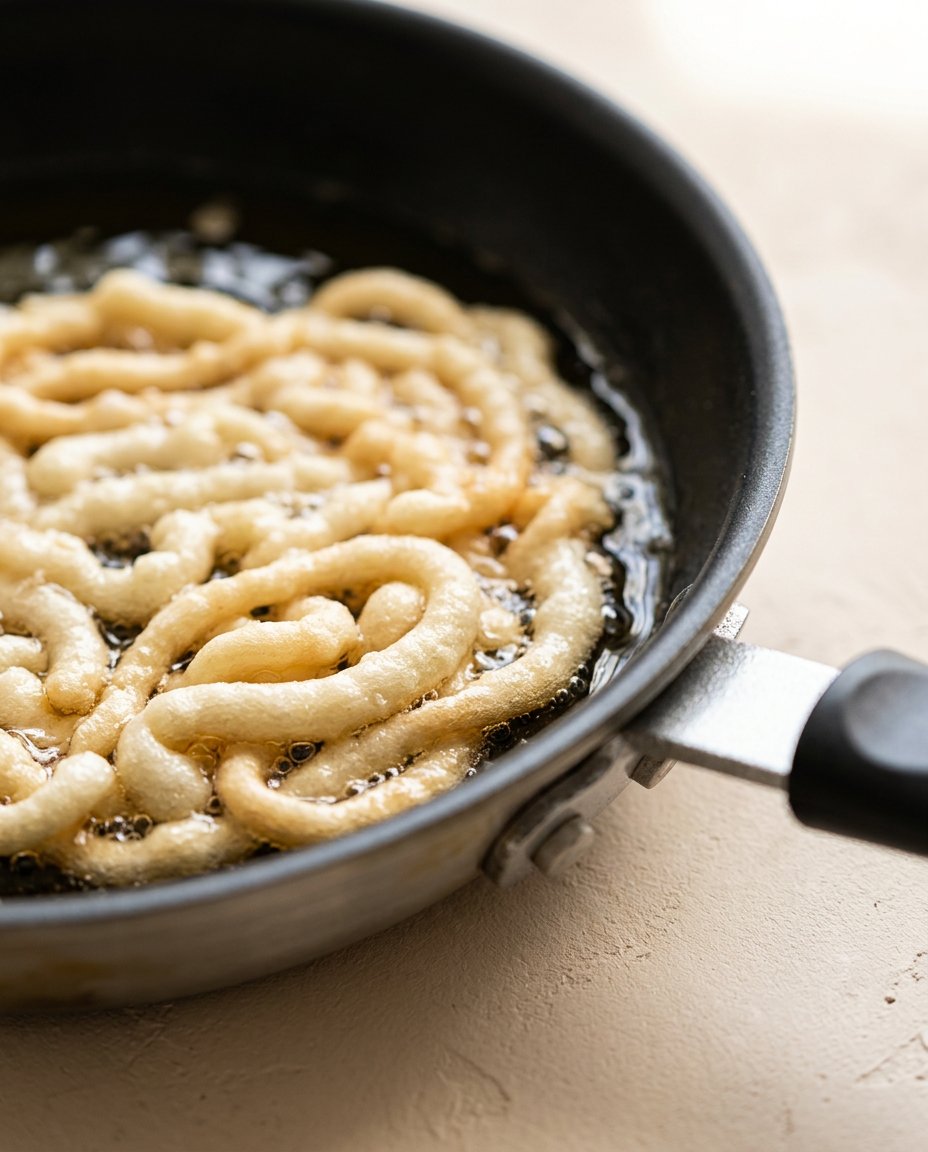
Step 1: Heat the Neutral Frying Oil
Fill a heavy-bottomed ten-inch skillet halfway with fresh vegetable oil to guarantee a deep, stable frying environment. Place the vessel over medium heat and monitor the temperature rise with an instant-read thermometer pulled from your kitchen drawer. You must reach exactly 350°F before any batter touches the oil to prevent sogginess. Adjusting the flame periodically during this phase maintains thermal stability across the entire cooking surface.
Step 2: Combine the Dry Elements
Weigh precisely 120 grams of your chosen buttermilk pancake mix and place it into a wide glass mixing bowl. Add exactly one tablespoon of granulated sugar and one teaspoon of vanilla extract to the dry base. Whisk these dry elements together for thirty seconds to confirm the sugar crystals are distributed evenly throughout the starch. This preparation guarantees uniform browning and consistent flavor dispersion once the liquid is introduced.
Step 3: Hydrate the Pancake Mix Funnel Cake Batter
Measure half a cup of cool water and pour it into the dry mixture slowly, adding only a few tablespoons at a time. Whisk steadily after each addition, monitoring the viscosity as the flour hydrates and the leavening agents begin to activate. Stop adding water the moment the batter flows in a thick, continuous ribbon when lifted by your whisk. This careful hydration step is essential for establishing the ideal structure of your Pancake Mix Funnel Cake batter.
Step 4: Prepare the Dispensing Bag
Fit a reusable pastry bag with a clean one-quarter-inch round piping tip to secure a controlled stream of batter. If you do not have a piping bag, use a heavy-duty plastic storage bag and snip exactly one-quarter inch off one bottom corner. Transfer the hydrated batter into the bag, using a flexible silicone spatula to scrape the sides of the bowl clean. Twist the open end of the bag tightly to seal out air pockets that could disrupt your piping motion.
Step 5: Test the Frying Temperature
Squeeze a single drop of batter into the center of the preheated oil to verify the thermal environment before frying the main cake. The test droplet should sink briefly, rise to the surface within two seconds, and bubble vigorously without turning dark immediately. If the drop remains submerged or absorbs oil slowly, wait another minute for the oil to reach the target temperature. Adjust your stove dial as needed to keep the thermometer needle steady at 350°F.
Step 6: Pipe the Classic Circular Disk
Hold the prepared bag exactly three inches above the surface of the hot oil and squeeze with firm, continuous pressure. Guide the flowing stream in a rapid circular motion, crossing back and forth over the lines to build a cohesive, webbed disk. Aim for a final diameter of six inches to allow sufficient room in the skillet for the oil to circulate. Work quickly so the entire structure cooks at the same rate and bonds together properly.
Step 7: Fry the First Side to Golden Brown
Allow the webbed disk to cook undisturbed for exactly sixty seconds as the leaveners expand and the bottom crust stabilizes. Watch for the edges to turn a light golden color and the top surface to set into a firm, bubbly texture. Use a wide slotted metal spatula to slide gently underneath the cake, supporting the delicate structure as you lift it. Carefully flip the pastry over in one smooth motion to avoid splashing any hot oil.
Step 8: Cook the Flip and Drain the Pastry
Fry the second side for an additional forty-five seconds until it matches the rich golden-brown hue of the first side. Lift the completed cake from the skillet using your slotted spatula, holding it over the oil for five seconds to drain excess fat. Transfer the pastry immediately to a plate lined with three layers of paper towels to absorb any remaining surface oil. Dust the hot ridges with a generous layer of sifted confectioners’ sugar and serve.
Precision Tips
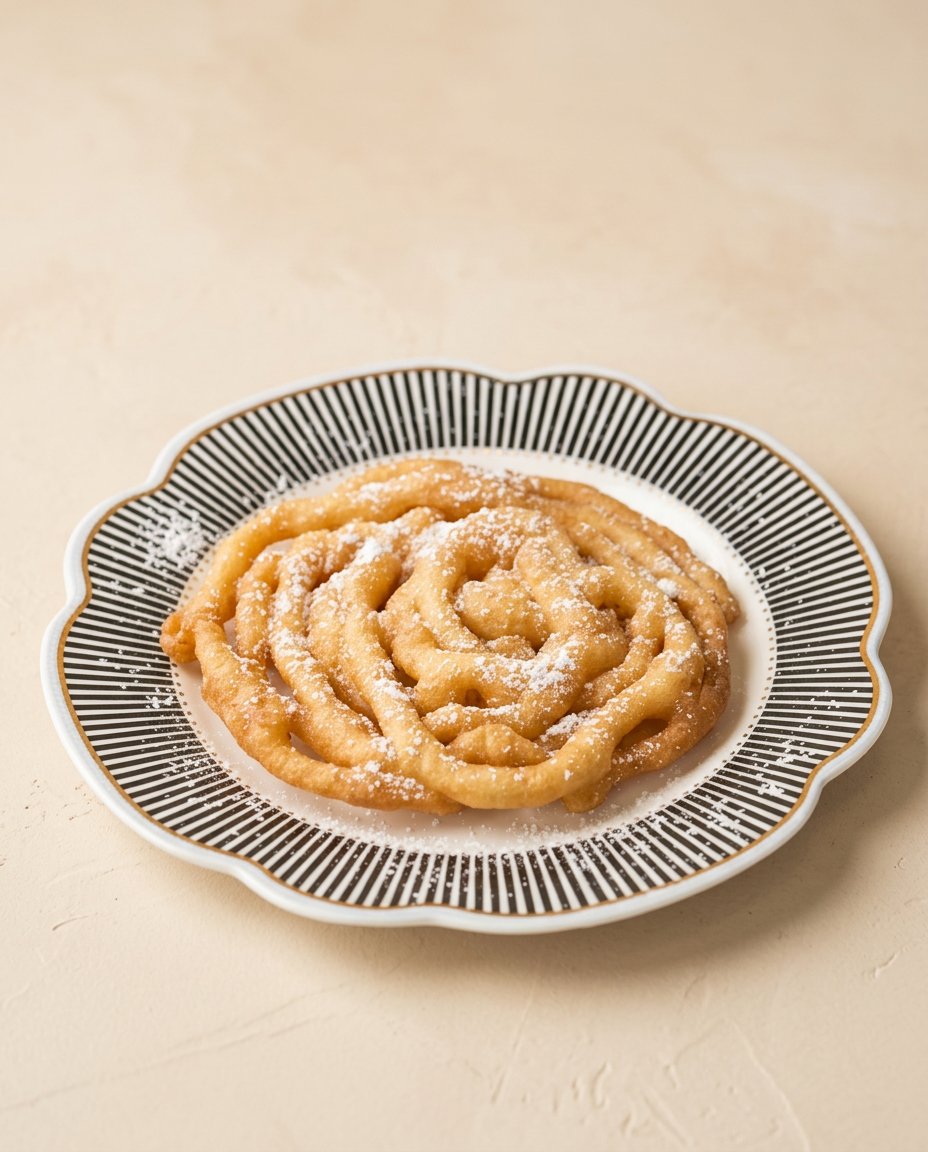
Always rely on a digital kitchen scale to measure your dry pancake mix instead of relying on dry measuring cups. Variations in packing density can alter the flour weight by up to twenty percent, which completely throws off the liquid ratio. This small step guarantees repeatable results, every time. Keeping a digital scale on your counter makes your entire baking process more scientific and highly dependable.
If your fried pastry turns out dense, flat, and greasy instead of light and crispy, your oil temperature has dropped below the threshold. Confirm your oil temperature stays at 350°F using a calibrated thermometer, and avoid frying multiple batches in rapid succession without letting the skillet reheat. Allowing the temperature to recover between frying cycles prevents the dough from absorbing excess fat. Frying in cold oil is the most common reason home cooks end up with heavy, soggy pastries.
For home cooks who want to analyze the structural difference of scratch-made batters, consulting our standard funnel cake recipe provides valuable comparison data. This testing demonstrates how varying protein levels in different flour types affect the overall crunch and elasticity of the fried dough. Understanding these mechanics helps you adjust any commercial mix to your specific texture preferences. It highlights how flour proteins interact with moisture to form the networks that capture gas during frying.
Clean your cutting or snipping tool thoroughly before cutting the corner of your plastic storage bag to secure a clean, round opening. A jagged or ragged cut will cause the batter to spray in uneven directions, which prevents the strands from bonding into a cohesive disk. Keeping the stream uniform is essential for achieving those classic, hollow ridges that catch the sugar. A clean cut guarantees a predictable flow rate, which is the secret to getting those beautiful thin lines that cook to an ideal golden crunch.
Do not overmix the batter after adding the water, as excessive whisking develops the gluten proteins and makes the finished product tough. Stir the ingredients only until the dry pockets disappear and a uniform consistency is reached. A few small lumps in the batter are entirely acceptable and will dissolve during the rapid frying process. Keep your whisking gentle and brief to preserve the delicate leavening gases.
If you find the batter is flowing too quickly from your bag, try chilling the filled pastry bag in the refrigerator for ten minutes before cooking. The cool temperature increases the viscosity of the starches and slows down the chemical reaction of the leaveners. This temperature adjustment gives you superior structural control when piping intricate patterns in the hot oil. Chilling the batter also allows the gluten to relax, which results in a tender bite.
Frequently Asked Questions
Can You Make Funnel Cake Out of Pancake Mix?
Yes, commercial buttermilk pancake mix serves as an excellent base because it contains the exact ratios of wheat flour, leavening, and salt required. When the batter hits the hot oil, these built-in leaveners expand rapidly to create a light, airy structure. This shortcut bypasses the need for measuring separate chemical rising agents while delivering authentic texture. It is a highly efficient way to enjoy fair food without pulling out multiple canisters from your pantry.
How Do You Get the Batter to the Right Consistency?
You must add the water gradually while whisking to monitor the flow of the liquid. The batter should flow in a steady, ribbon-like stream from your whisk without breaking into separate droplets or holding stiff peaks. If the mixture is too thin, whisk in a tablespoon of dry mix; if too thick, add water a teaspoon at a time. Finding the correct balance is critical because a runny batter will dissolve in the oil, while a thick batter will remain heavy and doughy in the center.
What Oil Temperature Is Best?
The optimal frying temperature for this recipe is exactly 350°F, monitored with a digital thermometer. Frying at a lower temperature causes the dough to absorb excess fat, leading to a heavy, greasy result. Frying above 375°F will burn the exterior of the pastry before the interior has cooked through. Keeping the temperature stable is the single most important factor in achieving a light, crispy crust.
How Do You Dispense the Batter Without a Funnel?
You can use a heavy-duty plastic zip-top bag with a small quarter-inch portion of the corner snipped off. This method offers excellent control over the flow rate and allows you to pipe precise designs directly into the skillet. Alternatively, a reusable canvas pastry bag fitted with a round metal tip works beautifully. Whichever tool you choose, make sure to hold it securely at the top to avoid any accidental spills.
What Toppings Can You Put on a Funnel Cake?
Traditional confectioners’ sugar is the standard topping, but you can also use warm hot fudge, caramel sauce, or fruit syrups. Fresh sliced strawberries paired with a dollop of whipped cream create a delicious strawberry shortcake variation. Always apply wet toppings immediately before eating to preserve the delicate crunch of the fried dough. You can also set up a custom topping bar for parties, allowing guests to choose their favorite combinations.
Can I Store and Reheat Leftover Funnel Cakes?
Fried pastries are best enjoyed immediately after cooking while they are warm and at their peak crispness. If you have leftovers, store them in a paper towel-lined container in the refrigerator for up to twenty-four hours. Reheat them in a preheated 350°F air fryer or oven for three minutes to restore their crisp texture. Avoid using the microwave for reheating, as this will make the pastry soft and rubbery.
Is It Possible to Prepare the Batter Ahead of Time?
You can prepare the liquid batter and store it in an airtight container in the refrigerator for up to twenty-four hours. However, keep in mind that the leavening agents will gradually lose their potency over time as they sit in liquid. Give the chilled batter a gentle whisk before pouring it into your dispensing bag to redistribute the ingredients. If the batter seems too thick after sitting, you can whisk in a single teaspoon of water to restore the proper viscosity.
Why Is My Funnel Cake Breaking Apart in the Oil?
If the piped strands disintegrate upon hitting the skillet, your batter is likely too thin or your oil is not hot enough. Verify that your oil thermometer reads exactly 350°F before piping, and whisk a tablespoon of dry mix into the batter to increase its viscosity. Thin batter lacks the structural protein strength to bond into a solid disk. Additionally, make sure you are piping the strands close together so they can fuse as they cook.
Variations That Hold Up
To construct a chocolate variation, replace one tablespoon of the pancake mix with one tablespoon of dark cocoa powder. This simple adjustment introduces rich, roasted cacao notes without altering the behavior of the leavening agents during frying. If you appreciate chocolate profiles, you can pair this technique with our classic funnel cake fries to create a unique hybrid dessert. The cocoa powder adds a sophisticated bitterness that cuts through the sweetness of the sugar coating, creating a highly balanced flavor profile.
For a warm, seasonal flavor, whisk half a teaspoon of ground cinnamon and a pinch of grated nutmeg into the dry ingredients. These dry spices disperse evenly within the flour matrix, releasing aromatic oils when they hit the hot frying medium. This variation maintains the exact same frying parameters and temperature controls as the standard formula. The spices infuse the kitchen with a wonderful aroma that immediately evokes cozy autumn gatherings.
Instead of using traditional confectioners’ sugar, drizzle the warm pastry with high-quality maple syrup or a warm fruit reduction. This liquid coating clings to the crispy ridges without dissolving the outer crust, maintaining a delightful crunch with every bite. It transforms the breakfast-shortcut pastry into a decadent dessert that mimics the flavor profile of gourmet waffles. You can use a squeeze bottle to apply the syrup in elegant patterns across the surface of the cake.
Finishing & Plating
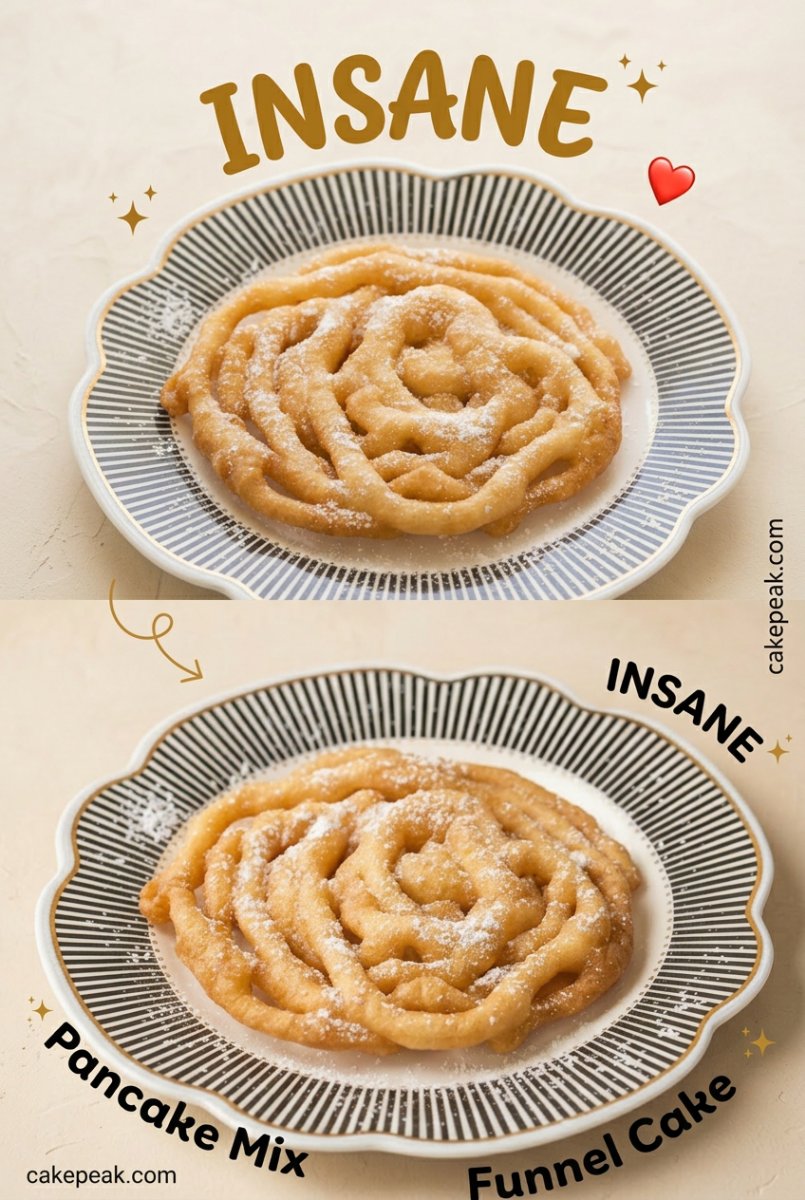
Present this warm, golden treat on a wide, flat ceramic plate to allow steam to escape from the bottom of the pastry. Preventing steam buildup is critical for maintaining the crispy outer crust that makes fried dough so satisfying. Dust the ridges with a generous layer of sifted confectioners’ sugar immediately before serving so the sugar clings to the hot surfaces. For a festive gathering, arrange a selection of small ceramic bowls filled with various toppings so guests can customize their own plates.
If you are planning a dessert buffet, you can serve these cakes alongside our popular 3 ingredient funnel cake to offer guests different style options. These warm pastries pair beautifully with cold, creamy accompaniments like vanilla bean ice cream or freshly whipped cream. The contrast between the hot, crunchy ridges and the cold dairy creates an exceptional sensory experience that brings a delightful balance to any casual dinner party. Serving a tart fruit compote, such as raspberry or blackberry, balances the sweet profile of the dough.
To serve a larger crowd simultaneously, keep the fried cakes warm on a wire cooling rack set inside a rimmed baking sheet in a 200°F oven. This holding technique prevents the cakes from becoming soggy while you fry subsequent batches in the skillet. Avoid stacking the warm pastries on top of each other, as the trapped heat will soften the delicate exterior. Using this organized method guarantees that every guest receives a hot, crispy treat at the exact same moment.
The Bottom Line
Recreating the nostalgic crunch of classic fairground food does not require specialized equipment or hours of tedious preparation. By using a standard buttermilk pancake mix and maintaining precise temperature control over your frying oil, you can achieve professional results in your home kitchen. This analytical approach to frying removes the mystery from the process, delivering a consistent treat that you can reproduce on demand. It turns a once-a-year carnival treat into a reliable household staple that you can whip up in minutes.
If you want to continue your journey into precision frying, try our spiced pumpkin spice funnel cake for your next weekend kitchen experiment. This seasonal variation uses the same fundamental heat and moisture ratios to yield a fragrant, crispy pastry. We invite you to test these techniques in your own kitchen and share your findings with other detail-oriented bakers. Every batch is an opportunity to practice your temperature control and piping skills, building your confidence as a precision baker.
We invite you to join our growing community of precision home bakers and share photos of your golden creations. Follow our latest kitchen tests and recipe releases on Pinterest and Facebook to stay connected. Sharing your results helps us refine our formulas and continue delivering repeatable success to bakers everywhere. Our goal is to make every baking project a consistent and repeatable triumph in your kitchen, backed by clear, test-kitchen science.