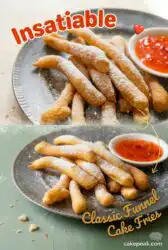
Many home-fried funnel cake attempts end in greasy, limp strips that disintegrate the moment they hit the oil.

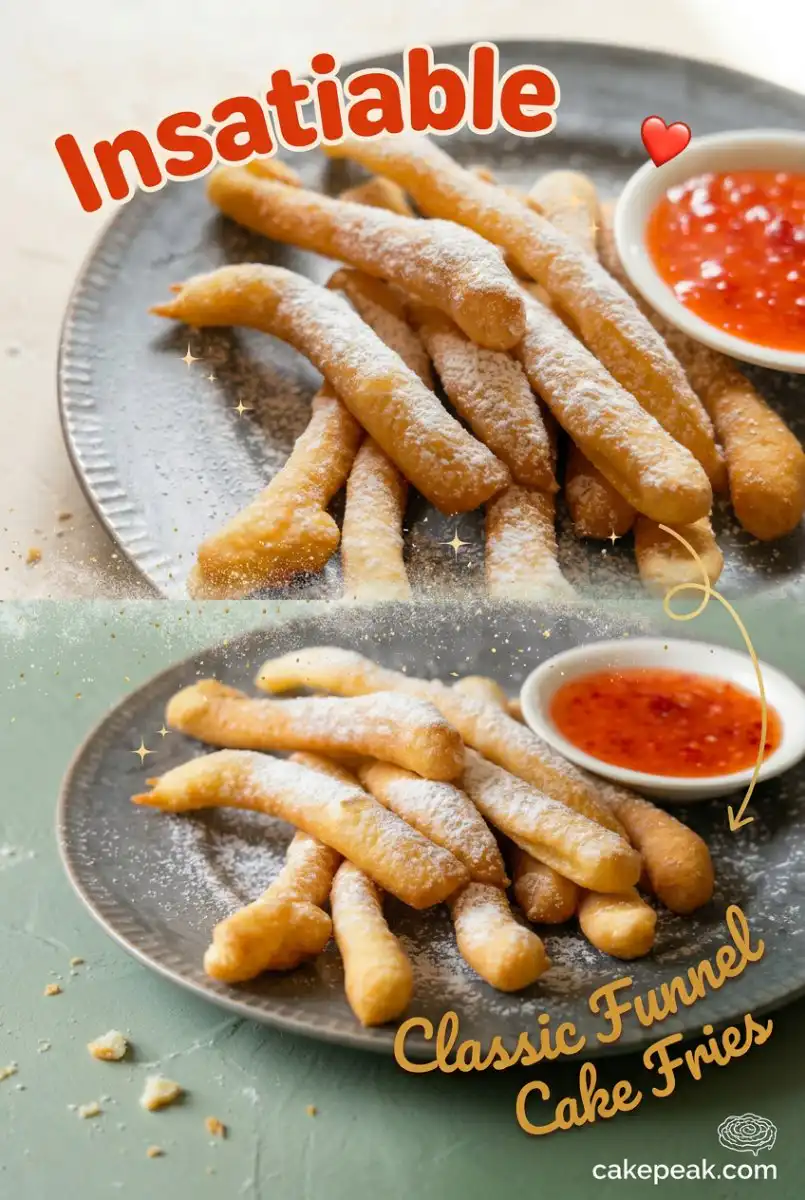
We developed this recipe to fix that exact failure mode by adjusting the flour-to-liquid ratio and stabilizing the egg structure. These Classic Funnel Cake Fries maintain a crisp exterior shell while preserving a pillowy center. By maintaining strict control over your oil temperature and batter viscosity, you will achieve carnival-style results without the heavy grease. This method guarantees your treats stay light, airy, and structurally sound for plating.
The Case for This Classic Funnel Cake Fries Method
Prep: 10 min · Serves: 6 · Difficulty: Medium
If you have made our classic carnival funnel cake, you already know how heat management dictates success.
- Consistent crispy exterior in every batch.
- Stable batter that holds its shape.
- Precise ratios prevent greasy oil absorption.
- Cooks completely in under fifteen minutes.
- Uses standard kitchen pantry ingredients easily.
This is the system I rely on for repeatable results, every time.
Get The Full Cake Recipe
Print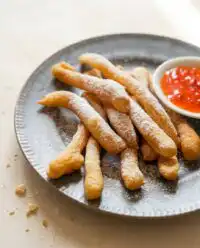
Classic Funnel Cake Fries
- Total Time: 25 mins
- Yield: 6 servings
- Diet: Vegetarian
Description
These Classic Funnel Cake Fries provide the quintessential carnival experience with a perfectly crisp, golden exterior and an airy, tender center. By using a precisely weighted batter and strict temperature control, you can achieve professional-quality results that avoid being overly greasy or dense.
Ingredients
- 240 grams all-purpose flour
- 2 large eggs (50 grams each without shell)
- 1 ¼ cups whole milk
- 2 tablespoons granulated sugar
- 1 teaspoon baking powder
- 1/4 teaspoon salt
- 1 teaspoon vanilla extract
- Vegetable oil for frying
- 2 tablespoons confectioners’ sugar
Instructions
- Prepare the oil. Fill a Dutch oven with two inches of vegetable oil and heat until it registers exactly 375°F using a candy thermometer.
- Aerate the base. Whisk two large eggs and two tablespoons of sugar in a bowl for two minutes until the mixture turns pale and bubbly.
- Combine liquids. Add the whole milk and vanilla extract to the eggs and whisk for thirty seconds until fully emulsified.
- Incorporate dry ingredients. Fold the flour, baking powder, and salt into the wet mixture in three additions, stirring only until just combined.
- Load the piping bag. Transfer the batter into a pastry bag fitted with a half-inch tip or a sturdy plastic bag with the corner trimmed.
- Pipe the fries. Squeeze six-inch strips of batter into the hot oil, using kitchen shears to snip the dough as it falls.
- Fry and flip. Cook the fries for sixty seconds per side until golden brown, then remove them using a slotted spoon.
- Drain and dust. Transfer the fries to a paper-towel-lined wire rack for two minutes before dusting with sifted confectioners’ sugar.
Notes
- Weigh your flour using a digital scale rather than measuring cups for the most consistent batter viscosity.
- Keep a small bowl of oil nearby to dip your scissors into to prevent the batter from sticking during piping.
- Avoid overcrowding the pot by frying only five or six pieces at a time to ensure the oil temperature remains stable.
- Let the finished fries drain on a wire rack rather than a plate to prevent steam from softening the crust.
- Prep Time: 10 mins
- Cook Time: 15 mins
- Category: Dessert
- Method: Deep Frying
- Cuisine: American
The Working Components
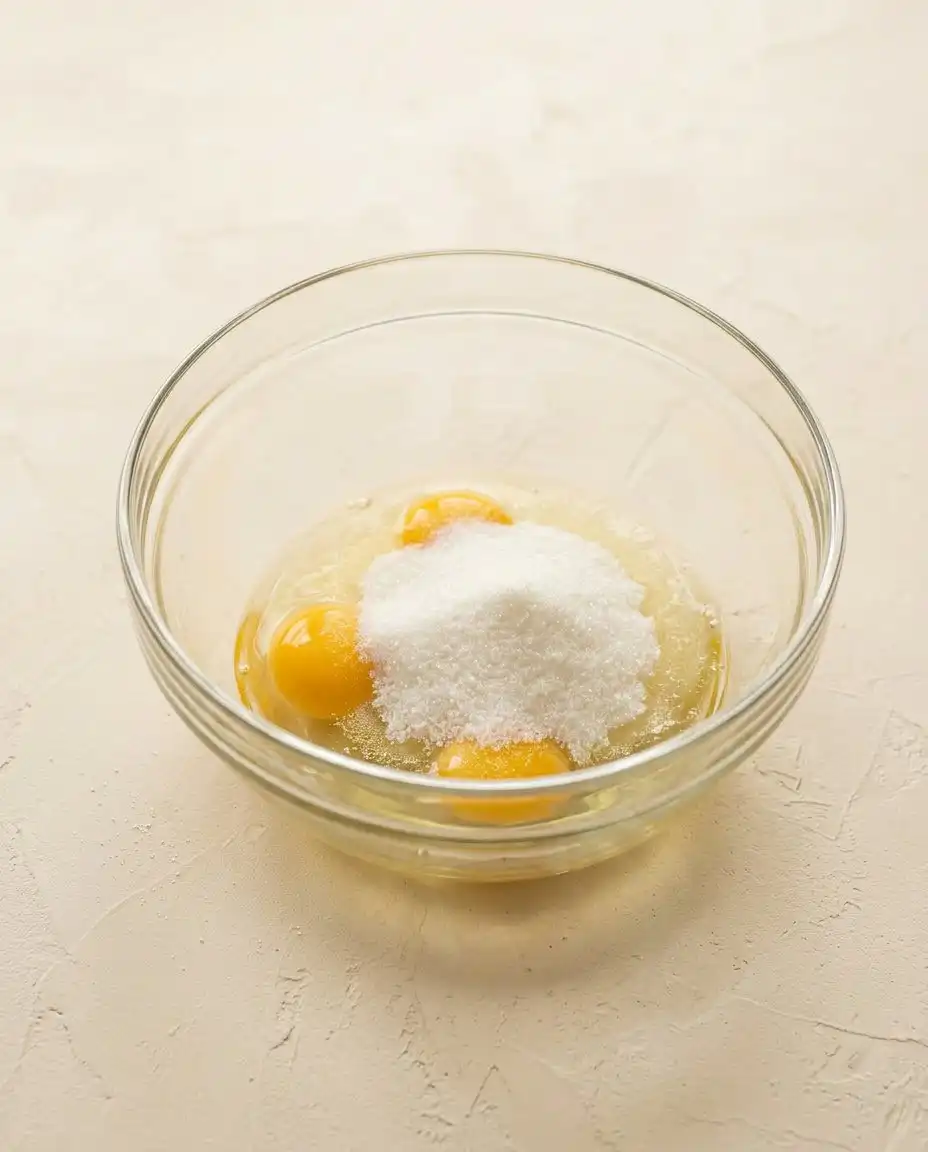
Baking is a science of ratios, and frying is no different. The balance of proteins and starch determines how much moisture evaporates during cooking, which directly affects the crispness of the shell. When you understand how these components interact under intense heat, you can control the outcome with absolute certainty.
- All-purpose flour: This provides the gluten structure needed to trap expanding gasses during frying. We weigh this to exactly 240 grams to keep the batter thick enough to hold its shape. A lower protein content flour like cake flour would absorb too much oil, resulting in a greasy texture.
- Large eggs: Eggs act as both a binder and a leavening agent in this recipe. The proteins coagulate quickly in hot oil, setting the structural walls of the fries and preventing them from falling apart. We use large eggs weighing 50 grams each without the shell to maintain exact liquid hydration levels.
- Whole milk: Liquid hydrate activates the gluten and provides steam for interior leavening. Whole milk contains milk solids and fats that assist with the Maillard reaction, yielding a golden brown finish and rich flavor. Skim milk is too watery and will make the batter runny, causing the fries to break up in the fat.
- Baking powder: Chemical leavening releases carbon dioxide gas as soon as the batter contacts the hot oil. This expansion creates the tiny air pockets that make the interior light and airy. Check that your baking powder is fresh by dropping a pinch into warm water; if it does not bubble instantly, replace it.
- Granulated sugar: Beyond sweetness, sugar tenderizes the batter by drawing moisture away from the gluten network. Keep this to exactly two tablespoons to prevent rapid browning before the interior cooks. Excess sugar will caramelize too quickly, leading to dark, bitter crusts with raw, undercooked centers.
- Vegetable oil: A neutral frying medium with a high smoke point is essential. We maintain this at 375°F to flash-fry the exterior without scorching. Canola or peanut oil are excellent choices because they can handle high temperatures without breaking down or transferring off-flavors to the dough.
| Ingredient | Why It Matters |
|---|---|
| All-Purpose Flour | Establishes gluten structure to trap steam and gas |
| Large Eggs | Bind components and provide rapid structural setting |
| Whole Milk | Hydrates starches and contributes to uniform browning |
| Baking Powder | Generates carbon dioxide for an airy interior texture |
| Granulated Sugar | Tenderizes gluten and aids in caramelization |
The Tested Procedure
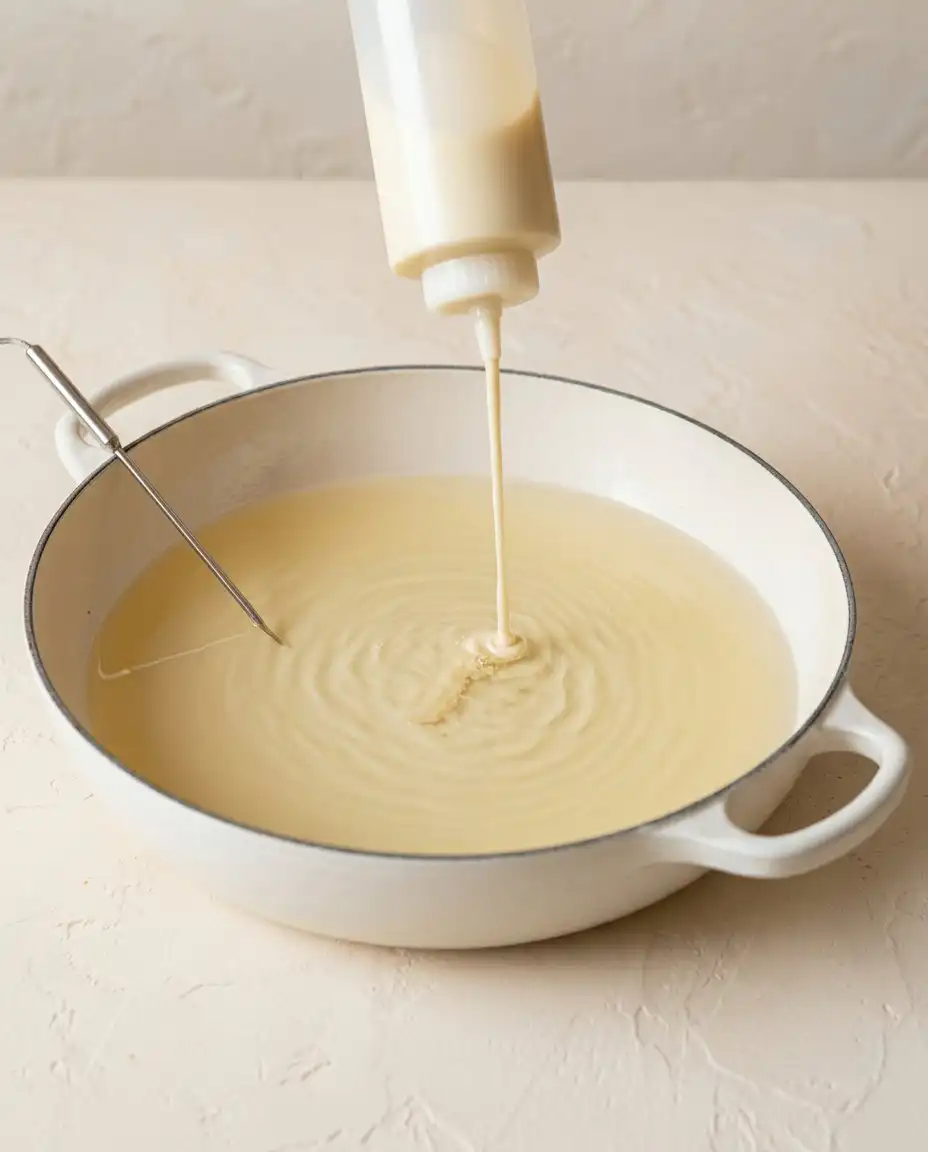
Step 1: Prepare the Frying Vessel and Oil
Fill a heavy-bottomed Dutch oven with two inches of vegetable oil, leaving at least three inches of headspace. Place an instant-read candy thermometer into the liquid, making sure the probe does not touch the bottom of the metal pot. Heat the oil over medium heat until it registers exactly 375°F, adjusting the burner to hold this temperature stable. Do not rush this step, as heating the oil too quickly can lead to hot spots and uneven frying.
Step 2: Aerate the Eggs and Sugar
In a large glass bowl, combine the two large eggs and two tablespoons of granulated sugar. Whisk vigorously for two full minutes until the mixture turns pale yellow and shows tiny bubbles on the surface. This mechanical aeration incorporates tiny air pockets that will expand rapidly once exposed to heat. Neglecting this step will result in dense, heavy fries that lack the characteristic lightness of carnival treats.
Step 3: Integrate the Liquid Bases
Pour 1 ¼ cups of whole milk and one teaspoon of vanilla extract into the aerated egg mixture. Whisk continuously for thirty seconds to create a homogeneous, emulsified liquid base. Ensure the milk is at room temperature to avoid shocking the egg fats, which can lead to separation and uneven mixing. A cold liquid base will also lower the initial temperature of your batter, slowing down the rising process during frying.
Step 4: Sift and Fold the Dry Ingredients
Combine two cups of all-purpose flour, one teaspoon of baking powder, and one-quarter teaspoon of salt in a separate bowl. Whisk these dry elements together, then fold them into the wet base in three increments using a silicone spatula. Stir only until the flour pockets disappear; overmixing develops excess gluten, resulting in a tough, rubbery fry. The batter should look thick but smooth, similar in consistency to a heavy pancake batter.
Step 5: Assemble the Squeeze Bottle or Piping Bag
Fit a pastry bag with a half-inch round tip, or cut a half-inch opening at the tip of a heavy-duty storage bag. Transfer the thick batter into the bag, placing it in a tall glass to hold it steady during filling. If you choose a plastic squeeze bottle, trim the tip to a half-inch diameter to let the batter flow freely without clogging. Keeping the bag supported in a glass prevents the batter from spilling out of the top while you prepare to cook.
Step 6: Pipe and Fry the Classic Funnel Cake Fries
Hold the piping bag three inches above the hot oil and squeeze out a straight six-inch strip of batter. Snip the end with kitchen shears, letting the strip drop cleanly into the oil. Pipe only five or six fries at a time to prevent overcrowding, which drops the oil temperature and leads to soggy results. Maintain a steady pressure on the bag to make sure the fries have a uniform thickness from end to end.
Step 7: Flip, Drain, and Finish
Cook the fries for exactly sixty seconds, watching for the bottom edges to turn a deep golden brown. Use a metal slotted spoon to gently flip each fry, cooking the second side for another sixty seconds. Lift them out of the oil and transfer them immediately to a wire rack lined with paper towels to drain excess fat. Let them rest for two minutes to allow the interior steam to distribute before dusting with sugar.
Step 8: Dust with Powdered Sugar
Place two tablespoons of confectioners’ sugar into a fine-mesh sieve. Hold the sieve four inches above the warm fries and tap the side gently to create a uniform white snow over the golden crusts. Serve the fries immediately while they are hot and crisp, as the sugar will begin to melt if left on cooling fries for too long.
Precision Tips
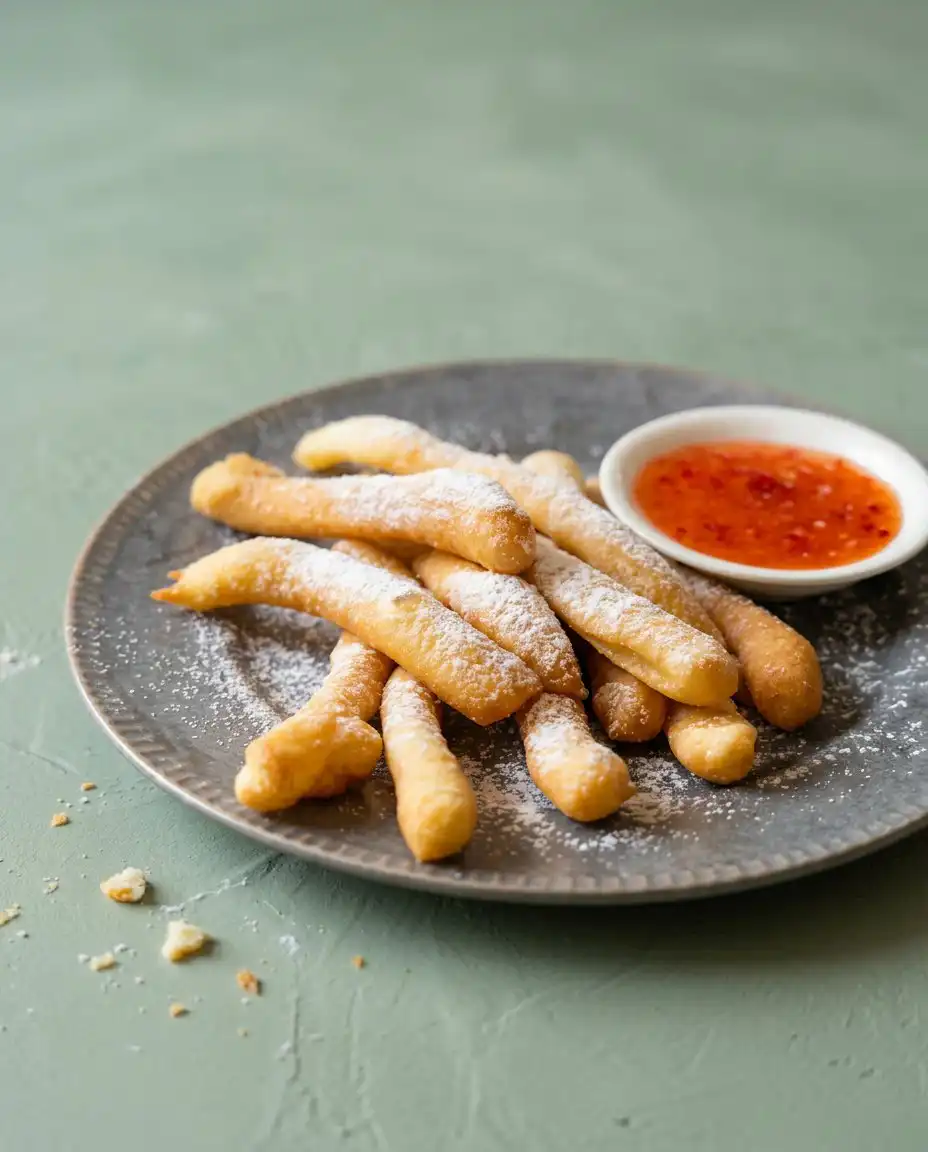
If your fries turn out heavy and oil-logged, your oil temperature has dropped below 365°F. Cold batter lowers the temperature of the oil pool instantly, so you must wait for the burner to recover between batches. Always use an instant-read thermometer to verify the heat has returned to 375°F before starting the next round. If you find the heat spiking too high, slide the pot off the burner for thirty seconds to cool it down safely rather than turning the knob back and forth.
We tested this — here’s what won. A digital scale is superior to measuring cups because even a minor ten-gram variance in flour volume alters batter viscosity. If the batter is too thin, it will disperse into irregular droplets; if it is too thick, it will not pipe smoothly. We recommend reviewing our guide on cake mix recipes to observe how flour weight alters overall structural stability. Taking the extra sixty seconds to weigh your ingredients removes all guesswork from the process.
To maintain a continuous flow of batter, keep your shears lightly greased with vegetable oil before cutting the piped ends. Sticky shears will pull on the raw dough, creating tapered, thin ends that burn before the center cooks. Using clean cuts yields straight, uniform edges that brown evenly across the entire surface. Keep a small bowl of oil nearby to dip your shears into every three or four cuts.
You can study the mechanics of starch gelatinization through this detailed funnel cake fry technique. When the starch in the flour hits the hot fat, it absorbs water and swells, locking the expansion into place. This reaction is what creates the contrast between the crisp crust and the soft, cake-like core. Understanding these physical changes helps you realize why temperature stability is so critical to success.
Never stack cooked fries directly on top of each other while they are hot. The escaping steam from the lower layer will soften the crust of the upper layer, ruining the crunch. Spread them in a single, uncrowded layer on a wire cooling rack placed over a baking sheet to maintain air circulation. If you need to keep them warm for a crowd, place the entire baking sheet in a 200°F oven until you are ready to serve.
Frequently Asked Questions
How do I get the perfect crispy texture?
The secret lies in maintaining the frying oil at exactly 375°F and not overcrowding the cooking vessel. If the temperature drops, the starches absorb oil instead of crisping up, which results in a greasy exterior. Additionally, using fresh baking powder ensures maximum gas release for a light, porous crumb. A rapid transfer to a wire rack after cooking prevents condensation from softening the crust.
What tools can I use to shape the fries?
A heavy-duty disposable piping bag fitted with a wide round tip provides the most control over the shape. If you do not have piping bags, a clean plastic squeeze bottle or a large zipper freezer bag with the corner snipped off works beautifully. Be sure the opening measures exactly a half-inch so the fries cook at a uniform rate. Using kitchen shears to snip the ends ensures neat edges.
What are the best dipping sauces?
Warm chocolate ganache, raspberry coulis, and salted caramel sauce offer the best flavor contrasts. The crisp, sweet outer shell of the fries holds up well to thicker dessert sauces without becoming soggy. You can also serve them with a simple vanilla glaze for a classic experience. For a fun twist, try a marshmallow fluff dip or a warm peanut butter sauce.
Can I bake or air fry funnel cake fries?
Air frying and baking do not yield the same structural expansion because they lack the rapid heat transfer of hot oil. The batter requires the intense shock of 375°F fat to set the rising gas bubbles before they collapse. Frying remains the only way to achieve the characteristic contrast of a crunchy shell and a soft interior. If you must use an air fryer, you will need a specialized silicone mold, but the result will be more like a baked muffin than a funnel fry.
How do I store leftovers?
Cool the remaining fries completely on a wire rack before transferring them to an airtight container lined with dry paper towels. They will keep in the refrigerator for up to three days, though they will lose their signature crispness. Avoid storing them while warm, as the condensation will turn them mushy. When you are ready to eat, reheat them in a hot oven to restore some of the crunch.
Why did my funnel cake fries break apart in the oil?
If the batter disperses into fragments, your flour measurement was likely too low or the oil was too cold. Thin batter lacks the structural integrity to hold its shape against the bubbling oil currents. Always weigh your dry ingredients with a digital scale to prevent this structural breakdown. Another cause could be over-vigorous whisking after adding the flour, which weakens the starch structure.
Can I make the batter ahead of time?
You should fry the batter within thirty minutes of mixing for the best results. The baking powder activates upon contact with the wet ingredients, and its leavening power diminishes the longer it sits. If you wait too long, the fries will turn out dense and flat rather than light and airy. Keep the batter covered at room temperature during the brief waiting period.
What is the best oil for frying funnel cake fries?
Neutral-flavored oils with a high smoke point, such as canola, vegetable, or peanut oil, are ideal for this recipe. Avoid using extra virgin olive oil or butter, as they burn at lower temperatures and will impart an overpowering flavor to the dough. Using fresh oil also ensures that no savory flavors from previous cooking sessions transfer to your sweet dessert.
Variations That Hold Up
For a churro-style profile, whisk two teaspoons of ground cinnamon into the dry flour mixture before combining the wet and dry bases. Immediately after removing the fries from the hot oil, toss them in a shallow bowl filled with granulated sugar and cinnamon. The residual heat helps the crystals adhere to the crust, mimicking our spiced pumpkin spice funnel cake flavors. This warming spice variation is particularly popular during autumn gatherings and pairs wonderfully with hot apple cider.
You can introduce a bright, fresh note by folding one tablespoon of finely grated lemon or orange zest into the wet ingredients. The heat of the oil releases the essential citrus oils during the frying process, perfuming the entire fry. Serve these dusted with powdered sugar and a squeeze of fresh lemon juice for a balanced dessert. This citrus variation cuts through the rich, fried character of the dough, making it feel lighter and more refreshing on the palate.
Replace two tablespoons of the all-purpose flour with unsweetened Dutch-process cocoa powder to create a chocolate variant. You will need to increase the granulated sugar by one tablespoon to offset the bitterness of the cocoa. This adjustment maintains the correct starch ratio while shifting the color and flavor profile toward rich chocolate. Serve these chocolate fries with a white chocolate dipping sauce or a dusting of powdered raspberry sugar for an elegant presentation.
Finishing & Plating
To present these fries beautifully, pile them high in a parchment-lined paper cone or on a clean wooden serving board. Dust them generously with confectioners’ sugar using a fine-mesh sieve immediately before serving so the sugar stays white and powdery. For an interactive dessert, arrange small ceramic ramekins filled with warm chocolate sauce, strawberry puree, and caramel around the platter. This setup allows your guests to choose their own flavor combinations while keeping the fries crispy.
If you are hosting a summer gathering, these pair wonderfully with a scoop of premium vanilla bean ice cream. The temperature contrast between the warm, crisp fries and the cold cream mimics the classic boardwalk dining experience. You can reference our traditional funnel cake recipe to compare how plating styles shift when moving from large cakes to individual finger foods. Adding a few fresh berries to the plate introduces a pleasing acidity that complements the sweet elements.
For family movie nights, portion the fries into individual paper bags so guests can shake them with cinnamon sugar. This method keeps the outer crust intact and prevents the grease from transferring to fingers. Always serve them within ten minutes of frying to capture the peak texture before the interior cools. If you must make them ahead of time, keep them warm in a single layer on a sheet pan in a low oven.
Recipe Recap
Frying at home does not have to be an unpredictable experiment. By following precise temperature controls and maintaining dry-to-wet ingredient ratios, you can reproduce carnival-quality treats in your home kitchen. Precision creates consistency, and this approach guarantees that each batch of fries turns out golden, light, and perfectly crispy. Once you master this basic technique, you will have the confidence to try other fried creations.
If you want to review the visual step-by-step process, take a moment to look at our classic carnival funnel cake story for a quick reference. We love hearing how your baking experiments turn out in the kitchen. Share your results with our community, and let us know if you preferred the chocolate or cinnamon sugar variations. Your feedback helps us continue refining our formulas for home cooks.
Connect with other detail-oriented bakers by sharing your kitchen photos on our social platforms. Find us on Pinterest, Facebook, and TikTok to stay updated on our latest test kitchen findings and precision guides. We look forward to seeing your perfect fries and celebrating your baking success. Happy frying, and keep measuring to the gram.