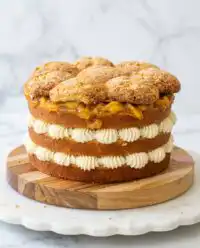
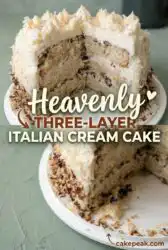
A tall Three-Layer Italian Cream Cake rests on a weathered wooden board, its edges softly uneven and a thick cream cheese frosting catching the warm afternoon light through the kitchen window.

The aroma of toasted pecans and sweet coconut fills the farmhouse kitchen as the layers cool on the counter. This Three-Layer Italian Cream Cake is the kind of bake that celebrates the rich, honest flavors of a Southern heritage kitchen without needing elaborate decorations to shine. Its beauty lies in the humble textures of shredded coconut and the deep, earthy crunch of local pecans folded into a tender crumb.
The Beauty of This Three-Layer Italian Cream Cake
Prep: 15 min · Serves: 12 · Difficulty: Medium
- Tender coconut adds a subtle sweetness.
- Toasted pecans provide a grounded crunch.
- Tangy frosting balances the rich layers.
- Rustic edges offer a charming finish.
- Buttermilk ensures an exceptionally soft crumb.
This is the cake that gathers everyone around the kitchen table for a second slice of quick italian cream cake.
Get The Full Cake Recipe
Print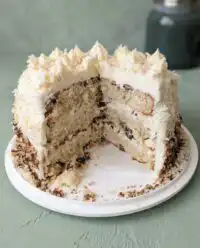
Three-Layer Italian Cream Cake
- Total Time: 45 mins
- Yield: 12 servings
- Diet: Vegetarian
Description
This classic three-layer Italian Cream Cake features a tender, buttermilk-based crumb infused with shredded coconut and crunchy toasted pecans. Finished with a luscious, tangy cream cheese frosting, this rustic dessert is the perfect centerpiece for any gathering.
Ingredients
- Unsalted butter, softened
- Vegetable oil
- Granulated sugar
- Egg yolks
- Egg whites
- Buttermilk
- Vanilla extract
- Almond extract
- All-purpose flour
- Cornstarch
- Baking powder
- Baking soda
- Salt
- Shredded coconut
- Chopped pecans
Instructions
- Prepare the oven. Preheat the oven to 180C and grease two eight-inch pans, lining the bottoms with parchment paper.
- Sift dry ingredients. Pass the flour, cornstarch, and leavening agents through a fine-mesh sieve into a bowl and whisk with salt.
- Cream fats and sugar. Beat the butter, oil, and sugar in a mixing bowl for two minutes until light, fluffy, and ivory in color.
- Incorporate egg yolks. Add the egg yolks one at a time, mixing on low speed until fully incorporated and scraping down the sides of the bowl.
- Add liquid flavorings. Pour in the buttermilk, vanilla, and almond extracts while mixing on a low, steady speed.
- Fold dry ingredients. Gently fold the flour mixture into the wet ingredients by hand until just combined, being careful not to overwork the batter.
- Add texture. Gently stir the shredded coconut and chopped pecans into the batter until evenly distributed.
- Whip egg whites. In a clean bowl, whip the egg whites until stiff, snowy peaks form.
- Combine mixtures. Fold a small portion of the whites into the batter to lighten it, then gently fold in the remaining whites until no streaks remain.
- Bake the layers. Distribute the batter between the prepared pans and bake for thirty minutes or until a skewer comes out clean.
- Cool the cakes. Allow the layers to rest in their pans for twenty minutes before transferring to a wire rack to cool completely.
- Assemble and frost. Once cool, stack the cake layers with generous amounts of cream cheese frosting, creating a rustic finish.
Notes
- Toast your pecans in a dry skillet until fragrant to enhance their natural oils before folding them into the batter.
- Bring your eggs and butter to room temperature at least one hour before starting to ensure a smooth, stable emulsion.
- Use a scale to measure your flour by weight instead of volume to prevent a dense or dry crumb.
- Wash your mixing bowl with a little lemon juice or white vinegar to remove any residual oils before whipping your egg whites.
- Cool your cake layers completely on a wire rack before attempting to frost them to prevent the icing from melting.
- Prep Time: 15 mins
- Cook Time: 30 mins
- Category: Dessert
- Method: Baking
- Cuisine: Southern Italian-American
Honest Ingredients
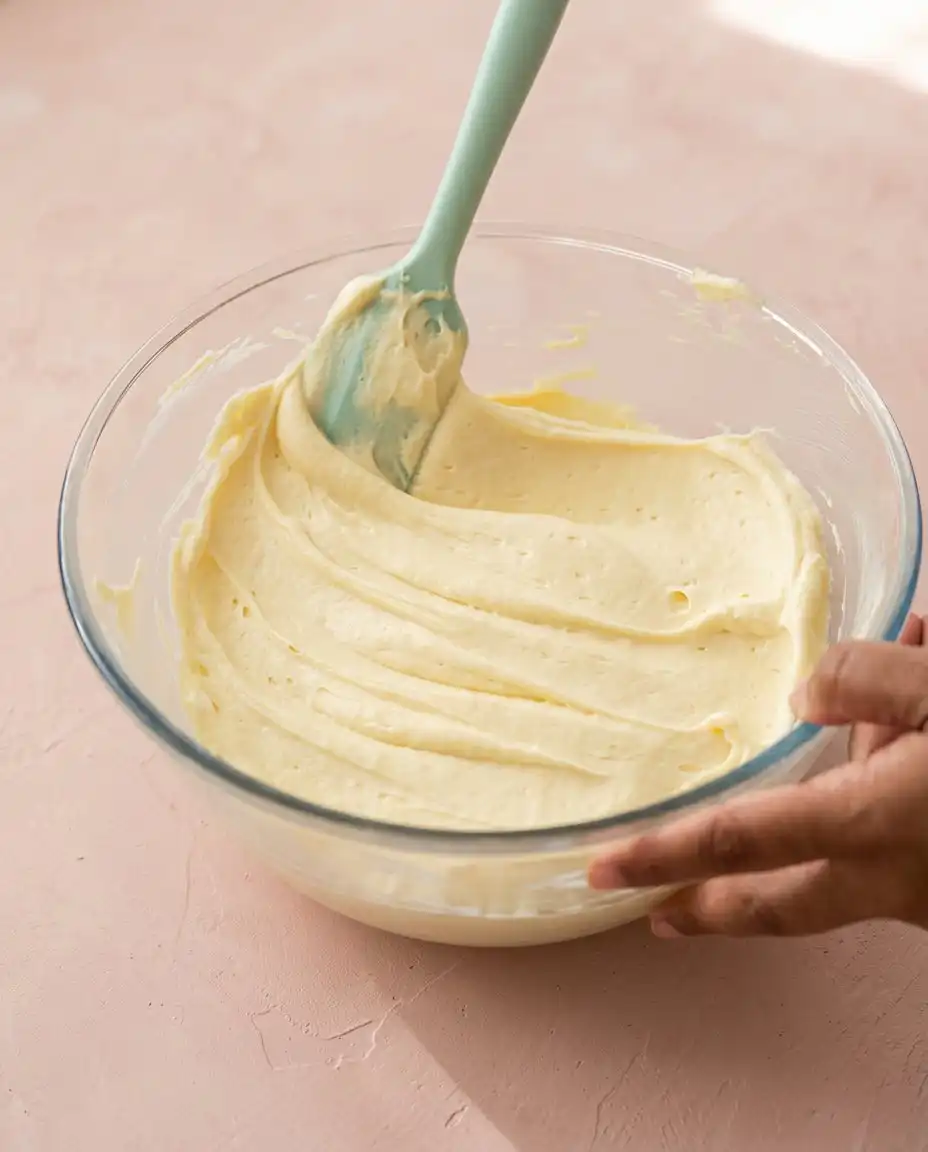
Baking begins at the Saturday farmers market where the butter is wrapped in paper and the eggs have deep orange yolks. When the fruit or nuts are this good, the role of the baker is to stay out of the way and let the quality of the pantry staples lead the dance. Each component in this list serves a specific purpose, working together to create a texture that is both sturdy enough for stacking and light enough to melt away.
- Unsalted Butter: Provides a rich foundation and a creamy mouthfeel when properly softened on the counter.
- Buttermilk: The acidity reacts with the leavening agents to create a lift that is airy yet substantial.
- Pecans: These nuts should be roughly chopped so they maintain their identity within the soft cake batter.
- Shredded Coconut: Unsweetened dried coconut offers a delicate chew that complements the nutty pecan pieces.
- Egg Whites: Whipping these separately and folding them in creates a cloud-like structure in the final bake.
- Cornstarch: A small amount of this fine powder softens the protein in the flour for a silkier crumb.
| Ingredient | Why It Matters |
|---|---|
| Butter and Oil | This combination ensures a cake that remains moist even after several days. |
| Almond Extract | A tiny drop provides a nostalgic, floral depth that pairs with the coconut. |
| Granulated Sugar | Beyond sweetness, sugar helps the edges achieve that beautiful golden hue. |
The Method, Step by Step
Step 1: Prepare the Pans and Oven
Before the first egg is cracked, set the oven to 180C and allow it to reach its full heat steadily. Grease two eight-inch pans with a gentle touch and line the bottoms with parchment paper to ensure the cakes release cleanly after baking. This preparation is a quiet ritual that sets the stage for a successful afternoon in the kitchen.
Step 2: Sift the Dry Ingredients
Pass the flour, cornstarch, and leavening agents through a fine-mesh sieve into a large enamel bowl. Sifting is not merely about removing lumps; it aerates the mixture, allowing the heat of the oven to penetrate the batter evenly. Use a whisk to combine the salt into the white mound until the mixture looks uniform and light.
Step 3: Cream the Fats and Sugar
Combine the room-temperature butter, oil, and granulated sugar in a wide mixing bowl. Use a steady speed to beat these together for exactly two minutes until the color lightens to a soft ivory and the texture becomes fluffy. This step builds the air pockets that will expand later, giving the cake its signature height and lightness.
Step 4: Incorporate the Egg Yolks
Add the deep yellow yolks one at a time, mixing on a low setting after each addition until they disappear into the creamed butter. The yolks provide the richness and fats needed to bind the batter together. Scrape down the sides of the bowl with a spatula to ensure every bit of the mixture is incorporated thoroughly.
Step 5: Add the Liquid Flavorings
Pour in the buttermilk along with the vanilla and almond extracts, keeping the mixer at a slow, unhurried pace. The batter may look slightly curdled at this point, but do not be alarmed as this is a natural reaction to the buttermilk. These liquids carry the fragrance that will define the character of the finished dessert once it meets the heat.
Step 6: Fold the Flour Mixture
Bring the dry ingredients to the wet mixture and use a spatula to fold them together by hand with a gentle, sweeping motion. Stop the moment the white streaks of flour vanish to avoid overworking the gluten, which could make the cake tough. Working by hand allows you to feel the resistance of the batter and maintain its delicate structure.
Step 7: Fold in the Texture
Add the shredded coconut and the chopped pecans to the bowl, distributing them evenly with a few final turns of the spatula. These additions should be nestled into the batter rather than beaten into it. The pecans add a rustic weight to the mixture, promising a satisfying crunch in every bite that contrasts with the soft coconut flakes.
Step 8: Whip the Egg Whites
In a separate, meticulously cleaned bowl, whip the egg whites until they transform into stiff, snowy peaks that hold their shape. Ensure there is no trace of fat on the beaters, as even a tiny drop will prevent the whites from reaching their full volume. This step provides the natural leavening that makes the layers rise toward the oven ceiling.
Step 9: Combine the Two Mixtures
Take a small portion of the whites and fold them into the heavy batter to lighten it before adding the remaining snow. Proceed with a light hand, lifting the batter from the bottom of the bowl and over the whites until no white streaks remain. This technique preserves the air you have worked so hard to incorporate into the egg whites.
Step 10: Bake Your Three-Layer Italian Cream Cake to Perfection
Distribute the batter evenly between the prepared pans and place them in the center of the oven for thirty minutes. The kitchen will begin to smell like toasted nuts and sweet cream as the tops turn a deep, golden brown. Test the center with a thin wooden skewer; it should come out clean with only a few moist crumbs clinging to it.
Step 11: Cool the Layers
Allow the cakes to rest in their tins for twenty minutes on the counter before carefully turning them out onto a wire rack. Cooling is a slow process that requires patience, as frosting a warm cake will only lead to a melted mess. Let the air circulate around the layers until they feel cool to the touch, resting on their parchment paper bottoms.
Step 12: Assemble and Frost
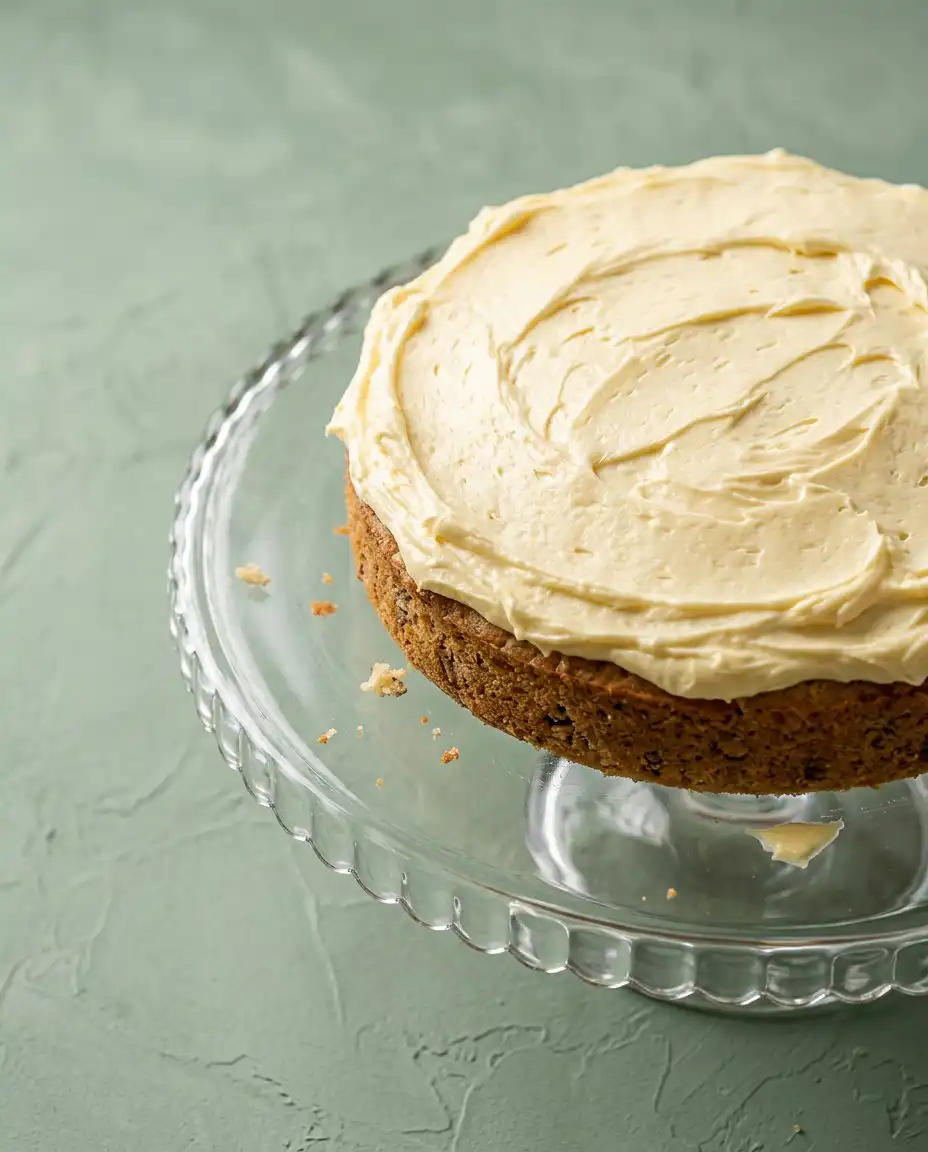
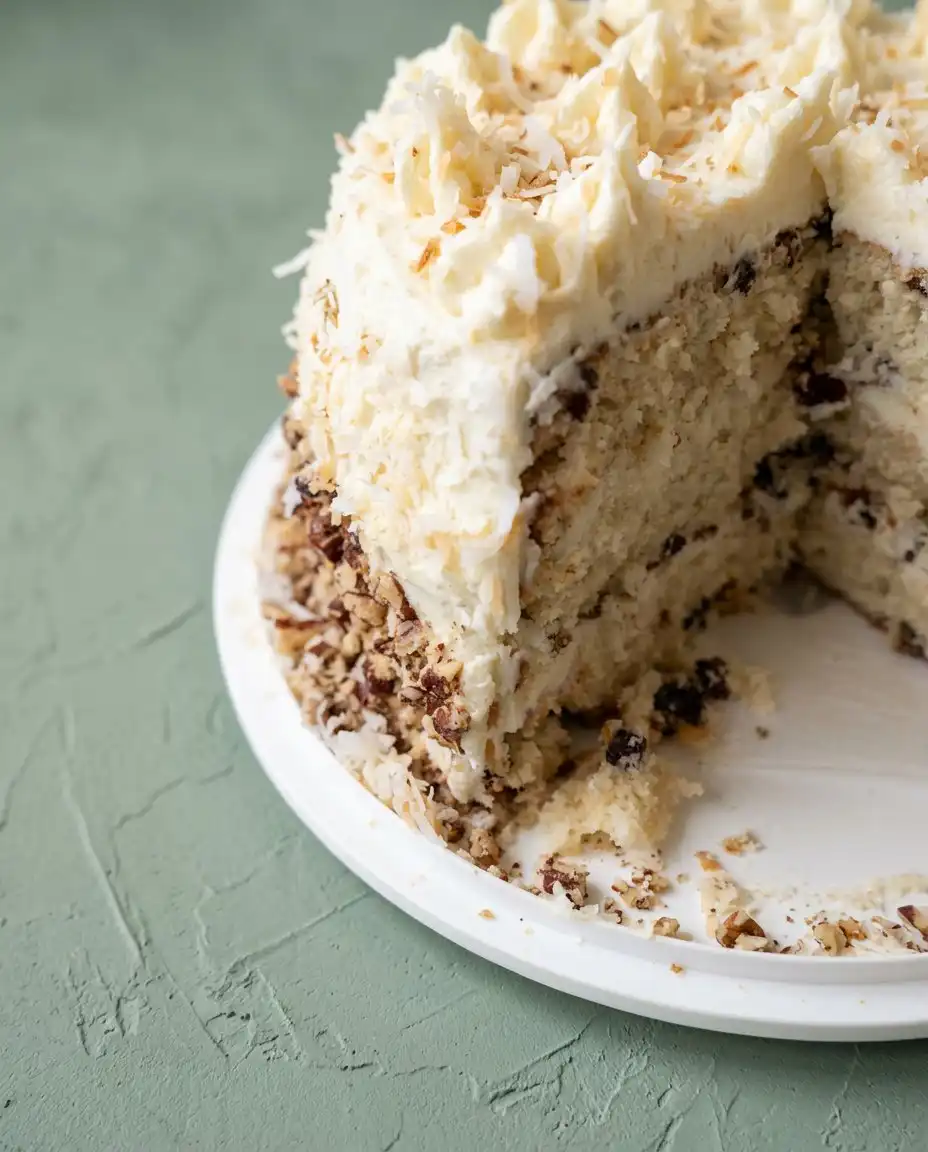
Once the layers are entirely cold, stack them with generous layers of tangy cream cheese frosting in between each one. Do not worry about achieving a smooth, professional finish; the charm of this cake is its rustic, hand-frosted appearance. Swirl the frosting with a small palette knife, allowing the pecans and coconut to peek through the white peaks.
Notes From the Kitchen
To achieve the best results, always ensure your butter and eggs have sat on the counter long enough to reach room temperature. Cold ingredients do not emulsify properly, which can lead to a dense crumb that lacks the characteristic lightness of a heritage bake. Taking this extra hour of preparation reflects a respect for the ingredients and the process of baking from scratch.
When measuring your flour, avoid packing it into the cup, which can lead to a dry and crumbly texture. Using a scale is the most reliable method for accuracy, but if you must use cups, spoon the flour gently into the measure and level it with a flat edge. Learning how to properly measure flour for baking is a foundational skill that will serve every home baker well in their kitchen journey.
If your egg whites refuse to whip into stiff peaks, here is why and how to fix it: the most common culprit is a trace of fat in the bowl. Even a microscopic bit of yolk or oil can hinder the protein bonds, so always wash your equipment with lemon juice or vinegar before starting. If the whites remain soupy, you must start over with a fresh, clean bowl to ensure the cake has the lift it requires.
Toasting your pecans in a dry pan for a few minutes before chopping them will significantly deepen the flavor profile of the cake. This small step coaxes the oils to the surface of the nut, providing a more intense aroma that stands up well to the sweetness of the coconut. Allow the nuts to cool completely before adding them to the batter to prevent them from sinking to the bottom of the pans.
Sifting the dry ingredients twice may seem like a chore, but it is a secret to a more refined texture in rustic bakes. This double aeration ensures that the baking powder and soda are perfectly distributed, preventing any bitter pockets from forming in the finished cake. A classic vanilla butter cake benefits from this same attention to detail and care during the mixing stage.
If the cake layers seem to dome too much in the center, you can wrap the outside of the pans with damp cloth strips before baking. This encourages the edges to cook at the same rate as the middle, resulting in a flatter top that is easier to stack and frost. Flat layers mean you do not have to trim away any of the precious cake, preserving the integrity of the bake.
Frequently Asked Questions
What is in Italian cream cake?
This classic dessert consists of tender cake layers flavored with shredded coconut and chopped pecans, often including a hint of almond extract. The layers are traditionally bound together with a rich and tangy cream cheese frosting that balances the sweet and nutty components. It is a staple of Southern heritage baking, prized for its moist texture and rustic appearance.
What was Pope John Paul II’s favorite dessert?
While often associated with Italian cream cake in folklore, his well-documented favorite was actually a Polish cream cake known as Kremówka. However, many bakers enjoy serving Italian cream cake in his honor due to the shared name and the rich, creamy profile of both desserts. Regardless of the history, the cake remains a beloved choice for celebrations and quiet Sunday afternoons alike.
How long to cook a 3 layer cake?
Baking three layers typically takes between 30 and 35 minutes when the batter is distributed evenly among the pans. It is essential to check for doneness using a skewer in the center of the middle rack cake, as oven temperatures can vary slightly between homes. Always allow the cakes to cool in their pans for a short period before transferring them to a wire rack to set their structure.
Is Italian wedding cake and Italian cream cake the same thing?
While the names are often used interchangeably in some regions, they can refer to different styles of cake depending on the local tradition. Italian cream cake almost always features the signature combination of coconut and pecans with cream cheese frosting. An Italian wedding cake might sometimes refer to a fruit-based cake or a different layered confection, though the cream version is the most common association.
Can I freeze the cake layers before frosting?
Yes, you can wrap the completely cooled layers tightly in plastic wrap and freeze them for up to one month. This is an excellent way to prepare for a gathering ahead of time, as frozen layers are often easier to frost than fresh ones. Simply thaw the layers on the counter for about an hour before you plan to assemble the final three-layer masterpiece.
How should I store leftovers of this cake?
Because of the cream cheese frosting, this cake should be stored in the refrigerator in an airtight container or under a cake dome. It will stay fresh and moist for up to four days, though the flavors often deepen and improve after the first twenty-four hours. For the best texture, let a slice sit at room temperature for fifteen minutes before serving so the butter can soften slightly.
Seasonal Variations
During the peak of summer, you might consider adding the zest of a fresh lemon to the batter for a bright, citrusy note. The acidity of the lemon cuts through the richness of the cream cheese and pairs beautifully with the tropical flavor of the coconut. You can find similar inspiration in an italian lemon cream cake which relies on high-quality fruit to lead the way.
For an autumn twist, replace the pecans with toasted walnuts and add a pinch of cinnamon to the dry ingredients. This variation grounds the cake in the cooling weather and provides a slightly more robust flavor that feels appropriate for a harvest gathering. The warmth of the spices makes the kitchen feel cozy and welcoming as the days grow shorter and the leaves begin to turn.
If you prefer a lighter finish, try using a different filling between the layers to change the overall weight of the dessert. A vanilla mousse cake filling can provide a silky contrast to the dense nuttiness of the cake layers themselves. This adaptation allows the coconut to remain the star of the show while offering a softer, more modern texture for those who enjoy a delicate crumb.
Serving It Simply
Place this cake on a plain white pedestal or a heavy wooden board to highlight its honest, rustic nature. It needs no fancy garnishes, though a few extra toasted pecan halves scattered around the base can offer a hint of the flavors hidden inside. Serve it at the kitchen table with a linen tea towel nearby, allowing the imperfections of the hand-spread frosting to be part of the visual story.
A slice of this cake is best enjoyed with a simple cup of coffee or a glass of cold milk that cuts through the richness of the cream cheese. If you are hosting a larger gathering, you might offer an italian lemon mascarpone cake alongside it to provide a variety of textures for your guests. The contrast between the nutty coconut and the bright lemon creates a beautiful spread for a spring or summer afternoon.
When slicing the cake, use a long, sharp knife dipped in warm water and wiped clean between each cut to achieve neat sections. This ensures that the three distinct layers are visible to your guests, showcasing the effort put into the assembly. Despite its height, the cake is surprisingly easy to plate, looking just as beautiful on a farmhouse porch as it does on a formal dining table.
A Last Note
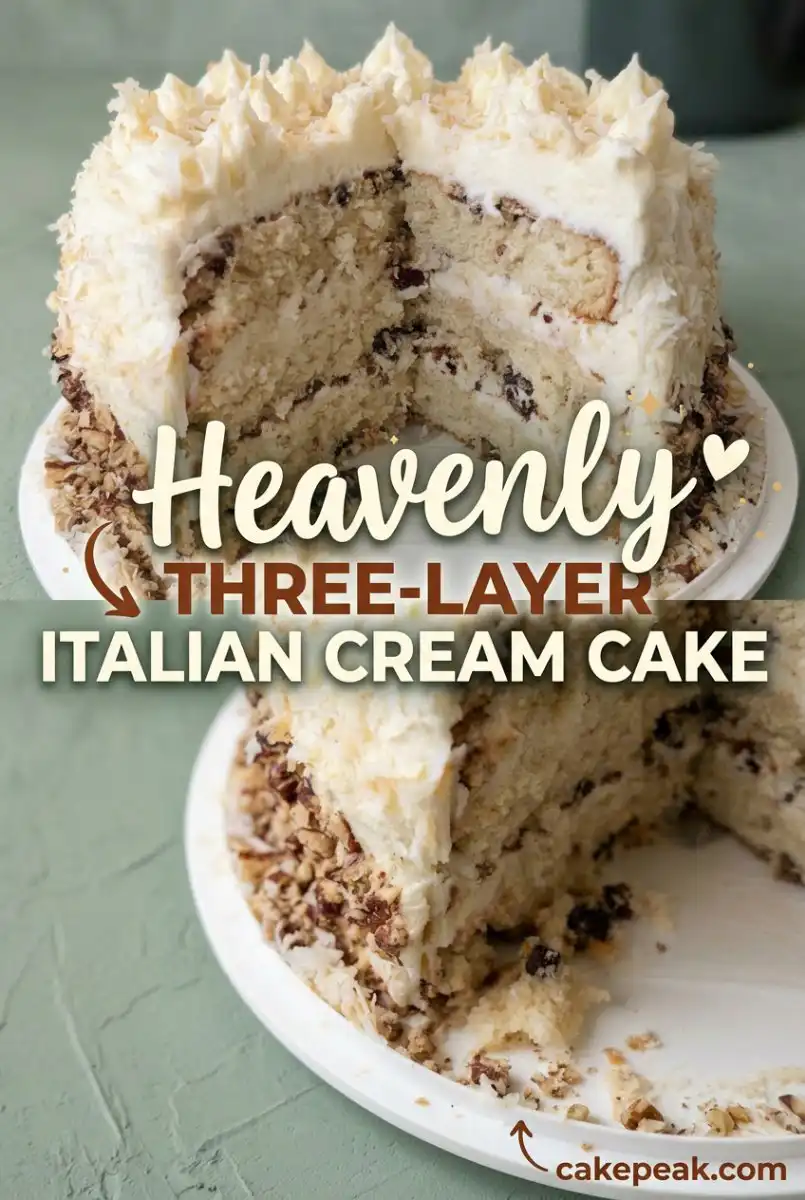
Baking this Three-Layer Italian Cream Cake is a quiet act of patience and respect for the ingredients that make our kitchens feel like home. The crackled top and the uneven distribution of pecans are not flaws, but rather the marks of a cake made by hand with care. I hope you find as much peace in the process of whipping the whites and folding the batter as you do in sharing the final result with those you love.
Take your time with the cooling and the frosting, letting the rhythm of the kitchen guide your hands. If you find yourself with extra buttermilk, consider trying another heritage recipe like our classic vanilla butter cake to keep the oven warm. There is always room on the counter for one more honest bake that brings people together around the table.
If you enjoyed this rustic journey, please share your results with our community of home bakers. You can find more inspiration and seasonal ideas on our social channels: Pinterest, Facebook, and Telegram.