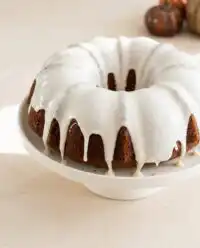
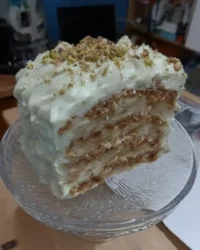
The kitchen table is not a stage, and a cake does not need to look like it belongs in a bakery window to taste of the high summer sun.

There is a quiet beauty in the way a golden, buttery loaf cradles a tumble of ripe, freshly cut mangoes. When you bake this Mango Fresh Fruit Topped Cake, you are choosing the honest warmth of a farmhouse kitchen over the cold precision of sugar paste. The bright orange fruit sits atop a crumb enriched with coconut milk, offering a dessert that feels true to the late August garden. Let the golden edges crack slightly as they cool on your windowsill, welcoming the scent of summer through the open glass.
The Beauty of This Mango Fresh Fruit Topped Cake
Prep: 15 min · Serves: 8 · Difficulty: Easy
When the Saturday farmers market fills with the sweet scent of ripe stone fruits and tropical treasures, my mind turns to simple bakes. This recipe celebrates the honest marriage of tender cake and uncooked fruit, letting the ingredients speak for themselves without heavy frostings. When the fruit is this good, keep it simple. If you appreciate the humble charm of a mango butter cake, this rustic variation will bring immediate joy to your table.
- Rich buttery crumb softened by coconut milk.
- Topped with sweet, hand-diced fresh fruit.
- Grounded in slow, farmhouse baking methods.
- Naturally sweet mangoes require minimal white sugar.
- Cracked golden edges showcase true rustic charm.
This is the humble cake I slice for dear friends when the afternoon heat begins to fade.
Get The Full Cake Recipe
Print
Mango Fresh Fruit Topped Cake
- Total Time: 85 mins
- Yield: 8 servings
Description
This rustic, farmhouse-style cake features a tender crumb enriched with creamy coconut milk and topped with fresh, vibrant mangoes. It is a simple yet elegant dessert that celebrates the honest, sun-ripened flavors of summer stone fruit.
Ingredients
- 3/4 cup ripe Alphonso or Kesar mango puree
- 1 cup unsalted butter, softened
- 1 cup granulated sugar
- 3 large farm-fresh eggs, room temperature
- 1/2 cup full-fat coconut milk
- 1 tablespoon canola oil
- 1 teaspoon coconut extract
- 2 cups all-purpose flour
- 1 tablespoon baking powder
- 1/2 teaspoon baking soda
- 1/2 teaspoon fine salt
- 2 fresh mangoes, diced (for topping)
Instructions
- Prepare oven and pan. Preheat your oven to 325 degrees Fahrenheit and grease a seven-inch round baking pan, dusting it with flour for easy release.
- Cream butter and sugar. Beat the softened butter and sugar in a large bowl on medium speed until the mixture is pale, fluffy, and smooth.
- Mix liquid ingredients. Gradually add the room temperature eggs, coconut extract, canola oil, coconut milk, and half a cup of mango puree, beating until well combined.
- Sift dry ingredients. Combine the all-purpose flour, baking powder, baking soda, and salt in a separate bowl using a mesh strainer to ensure no lumps remain.
- Fold batter gently. Add one-third of the dry ingredients to the wet, fold gently with a spatula, add the remaining mango puree, and finish folding in the last of the flour.
- Bake the cake. Pour the batter into the prepared pan and bake for 65 to 70 minutes until a toothpick inserted into the center comes out clean.
- Cool and serve. Allow the cake to cool in the pan for five minutes before transferring it to a wire rack to reach room temperature, then top with fresh diced mangoes before serving.
Notes
- Ensure all dairy and egg ingredients are at room temperature to create a smooth, emulsified batter.
- Stop folding the batter immediately once the flour streaks disappear to prevent a dense, rubbery cake texture.
- Pat your diced fruit topping dry with a paper towel to prevent the juices from making the cake surface soggy.
- Wait until just before serving to dust the cake with powdered sugar to ensure it does not dissolve into the fruit juices.
- Prep Time: 15 mins
- Cook Time: 70 mins
- Category: Dessert
- Method: Baking
- Cuisine: Rustic Farmhouse
Honest Ingredients
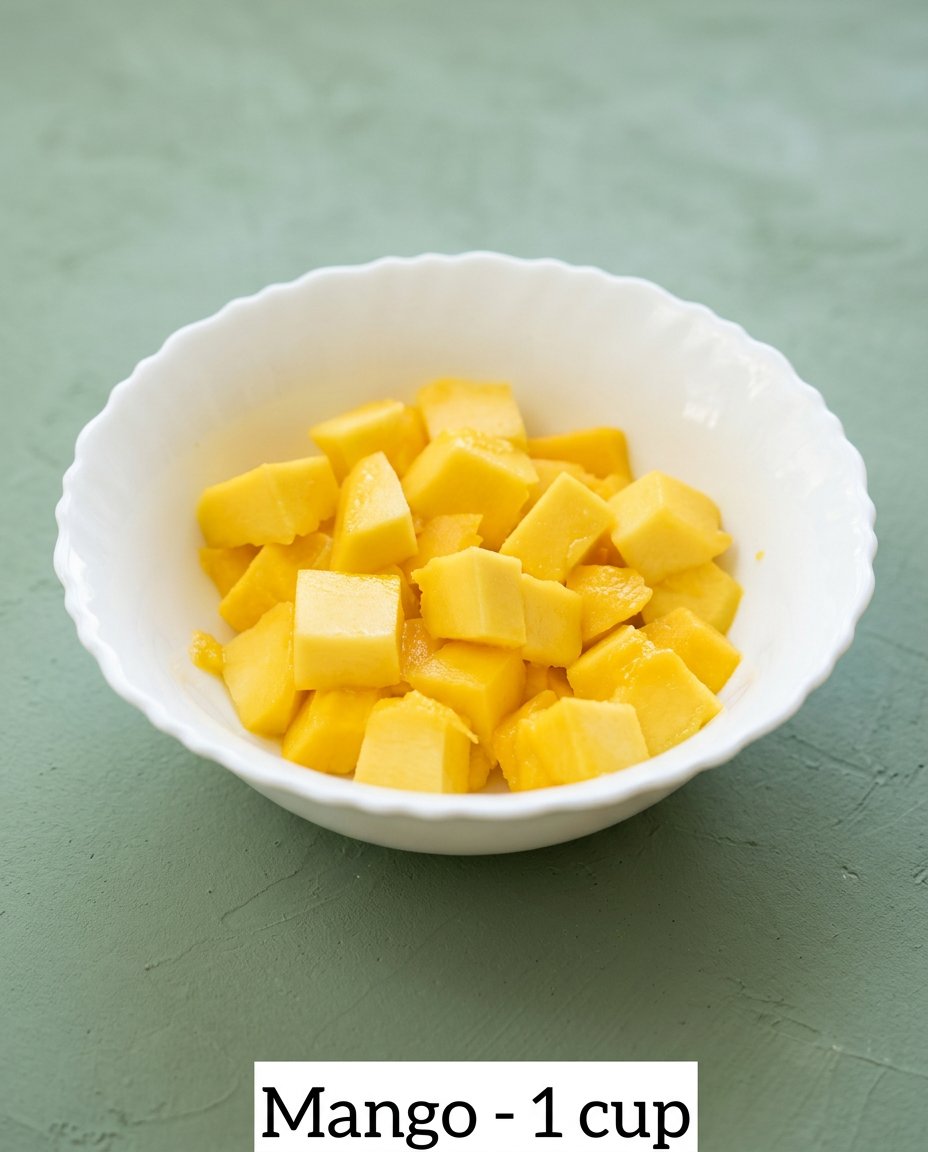
Before we begin, gather your bowls and clear the wooden cutting board. Using room temperature ingredients is key to achieving a tender crumb that holds the fruit beautifully. Let the butter sit on the counter until soft, and let the eggs lose their chill before you begin mixing.
- Fresh Alphonso or Kesar Mangoes: Select smooth, non-fibrous fruit that smells sweet at the stem. These varieties provide a deep orange color and sweet nectar without any stringy texture.
- Unsalted Butter: Cultured butter wrapped in paper brings a rich, classic farmhouse depth to the batter. Make sure it has softened on your counter so it creams smoothly with the sugar.
- Full-Fat Coconut Milk: This rich milk adds subtle moisture and a gentle richness to the cake crumb. It replaces standard milk to complement the tropical sweetness of the fruit.
- Canola Oil: A small splash of neutral oil keeps the crumb soft for days. It works alongside the butter to keep the loaf from drying out in the oven.
- Large Farm-Fresh Eggs: Deep orange yolks enrich the batter, providing structure and a beautiful golden hue. They must be at room temperature to blend cleanly with the creamed butter.
- Coconut Extract: A drop of this sweet extract deepens the sunny, rustic flavor of the crumb. It pairs naturally with the fresh topping to create a cohesive dessert.
| Ingredient | Why It Matters |
|---|---|
| Fresh Alphonso Mangoes | Brings smooth sweetness and rich golden color without fibrous threads |
| Softened Unsalted Butter | Creates a tender, classic pound cake structure and rich dairy flavor |
| Full-Fat Coconut Milk | Softens the crumb and introduces a subtle, creamy tropical warmth |
| Room Temperature Eggs | Emulsifies the wet batter smoothly to build volume and golden color |
From Bowl to Oven
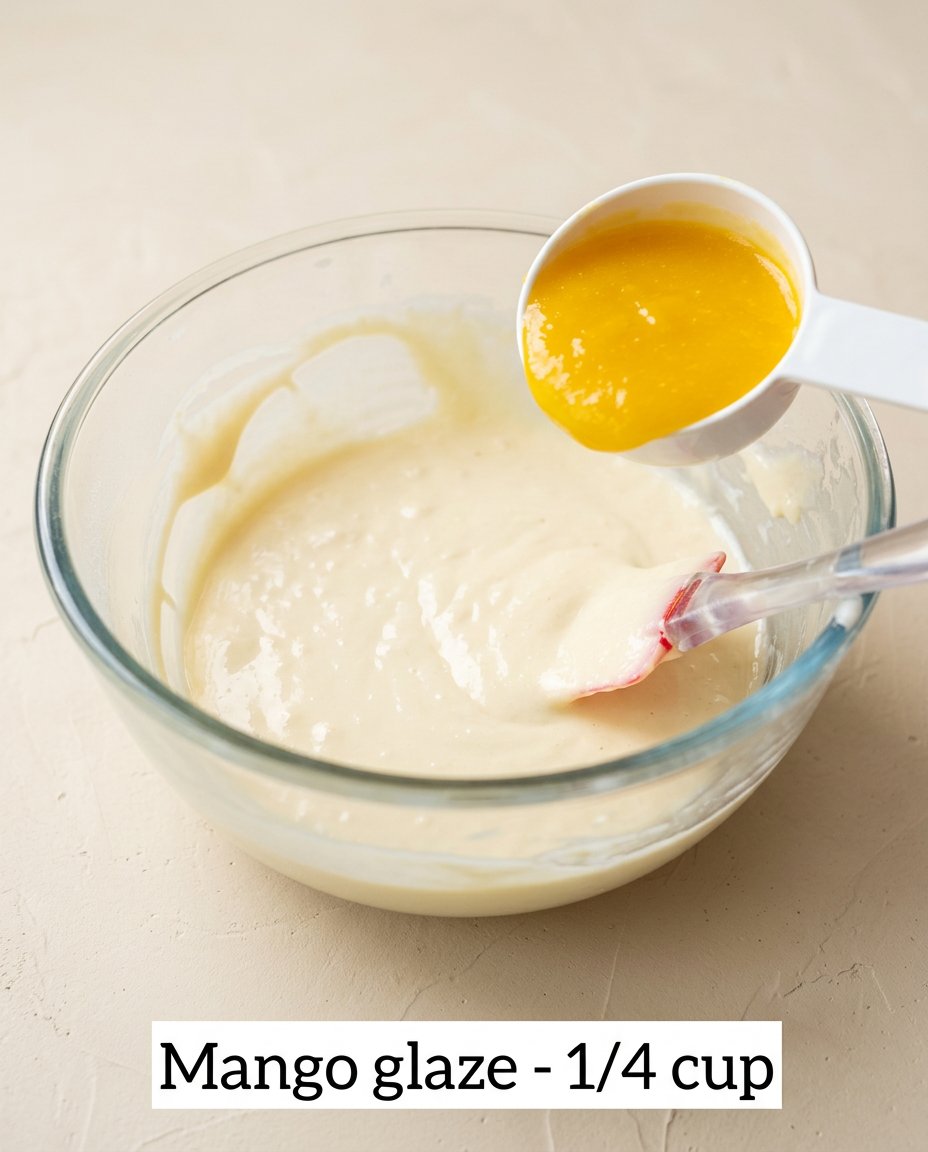
Step 1: Prep Your Oven and Fruit
Preheat your oven to 325 degrees Fahrenheit and grease a seven-inch round baking pan with a thin layer of butter. Dust the inside with flour, swirling it around to coat the bottom and sides before tapping out the excess over your kitchen sink. Peel your ripe mangoes with a sharp knife, then run the soft flesh through a food processor until you have a smooth puree. The consistency should resemble thick pancake batter rather than runny liquid, holding its shape slightly on a wooden spoon.
Step 2: Cream the Butter and Sugar
Place your softened butter and white sugar into a large enamel bowl or the bowl of your stand mixer. Beat them together on medium speed for several minutes until the mixture turns pale yellow and loses its gritty texture. Scraping down the sides of the bowl with a rubber spatula will make sure every grain of sugar dissolves into the fat. This step builds the air pockets needed for a light, tender crumb.
Step 3: Mix the Liquid Ingredients
Lower the mixer speed and add the room temperature eggs one at a time, allowing each to incorporate fully. Pour in the coconut extract, canola oil, coconut milk, and exactly half a cup of your fresh mango puree. Beat on medium speed for four minutes until the mixture gains volume and looks beautifully thick. Do not worry if it looks slightly curdled at first, as the flour will bring it together.
Step 4: Sift Your Flour
Sift the all-purpose flour, baking powder, baking soda, and fine salt into a separate bowl using a mesh strainer. Sifting aerates the flour, which is a small but important detail when baking rustic cakes. This step prevents lumps from forming and helps the rising agents distribute evenly throughout the dry mixture.
Step 5: Fold the Mixtures Together
Add one-third of your sifted flour mixture to the wet ingredients, folding it in gently with a rubber spatula. Pour in the remaining quarter-cup of mango puree, followed by the rest of the flour. Use slow, circular strokes to fold the batter, scraping the bottom of the bowl to incorporate everything. Stop folding the moment you see the dry flour disappear into the golden batter.
Step 6: Bake the Mango Fresh Fruit Topped Cake
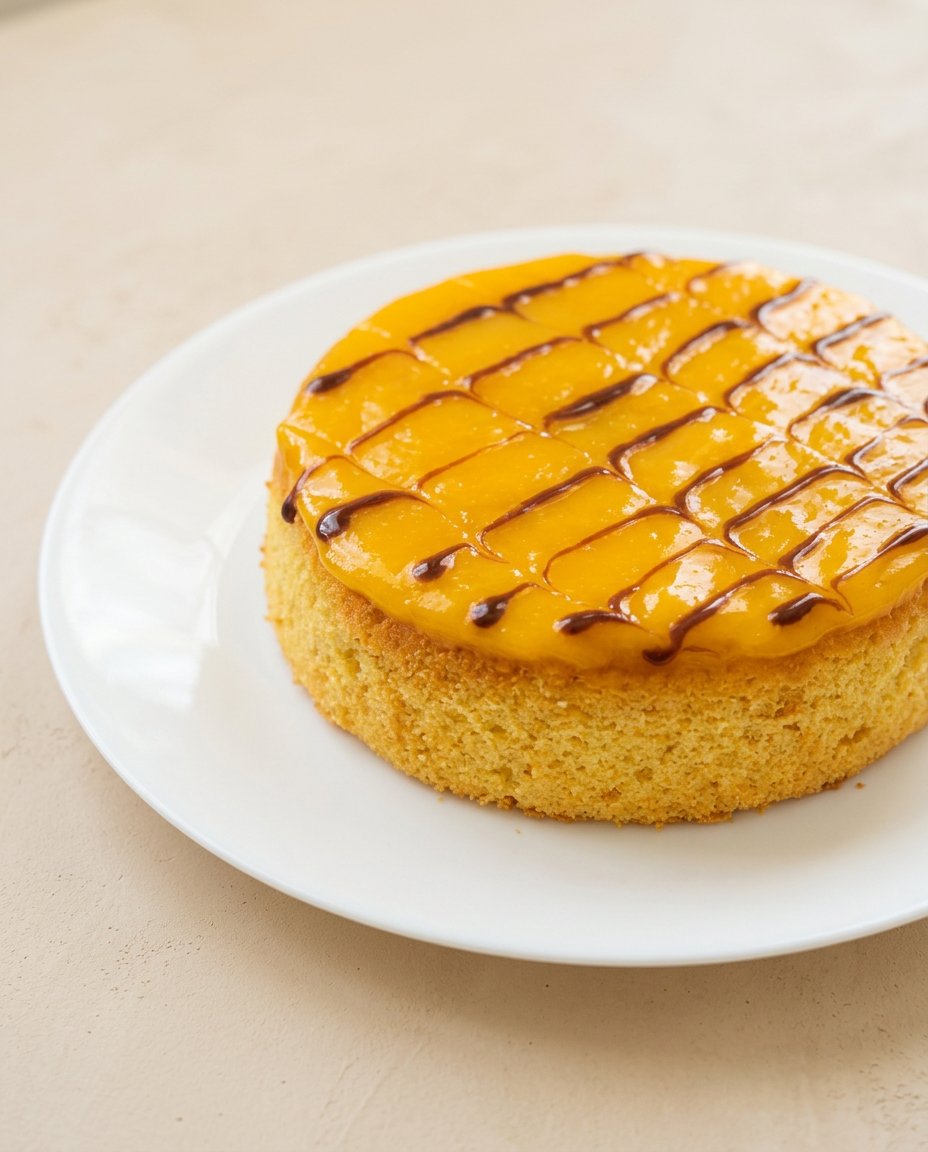
Scrape the thick batter into your prepared pan, smoothing the top gently with your spatula so it bakes evenly. Place the pan in the center of your preheated oven and bake for sixty-five to seventy minutes. The cake is ready when the kitchen smells of warm butter and a wooden toothpick inserted into the center comes out clean. The top will have a beautiful crackled appearance and a deep golden color.
Step 7: Cool and Release the Loaf
Set the hot baking pan on your kitchen counter and let it rest undisturbed for five minutes. Run a thin butter knife along the inner edges of the pan to loosen any stuck spots before flipping it onto a wire cooling rack. Allow the loaf to cool completely to room temperature before you attempt to slice or decorate it. Slicing too early will make the warm crumb crumble under your knife.
What I’ve Learned at the Counter
If your cake feels dense or heavy, here is why and how to fix it. This common issue usually happens when you overwork the batter during the final folding stage, which develops too much gluten. To avoid this, use a rubber spatula and count your strokes, stopping the moment the dry spots of flour disappear into the wet mixture.
Adjusting the moisture of your fresh fruit puree is essential for a clean bake. If your mango puree feels too thick and lumpy, whisk in a tablespoon of pure water before mixing it into the batter. This makes sure the batter reaches the proper consistency without throwing off the liquid balance of the recipe.
When sourcing fruit, remember that imported mangoes from specialized markets often yield the sweetest results. For those who enjoy a deeper fruit flavor within the batter itself, reading about a moist mango pound cake can help you master the balance of fruit sugars. If you prefer a airier sponge base altogether, look to our classic mango sponge cake recipe for an alternative approach.
Before placing the fresh diced fruit on top of your cake, gently pat the pieces dry with a linen tea towel. Removing the excess surface moisture prevents the fruit from slipping off the top of the loaf. It also keeps the sweet juices from making the golden top crust soggy as it sits.
Wait to dust your powdered sugar until right before you bring the cake to your table. The moisture from the fresh mango topping will dissolve the sugar quickly if it sits too long. A fresh dusting right before serving gives that clean, snowy contrast against the bright orange fruit.
Frequently Asked Questions
What is the best frosting for a mango fruit cake?
A light, stabilized whipped cream or a simple cream cheese frosting pairs beautifully with the natural sweetness of the fruit. Avoid heavy buttercream frostings, as they tend to overwhelm the delicate tropical flavor of the crumb. A simple dusting of sugar is often all this rustic loaf needs.
How do I prevent fresh mango on top from browning and drying out?
Brush the diced fruit with a very thin layer of melted apricot jam or simple syrup before serving. This gentle glaze seals in the natural moisture and keeps the fruit looking glossy and fresh for hours. It is an honest, bakery-style method that protects the fruit without changing its flavor.
How long does a fresh mango cake stay fresh?
The cake will stay fresh and moist for up to three days when stored in an airtight container in your refrigerator. Because the topping consists of fresh, uncooked fruit, it is best to add the toppings on the day you plan to serve it. The plain loaf itself freezes beautifully if wrapped tightly in plastic.
Can I use frozen or canned mangoes instead of fresh?
Yes, you can use thawed frozen mangoes or drained canned fruit for the puree inside the batter. For the fresh topping, however, fresh mangoes are highly recommended as they hold their shape much better and do not release excess water. If using canned fruit, make sure it is packed in juice rather than heavy syrup.
Do fresh mangoes make the cake layers soggy?
Fresh fruit can release moisture, but patting the diced mango dry before topping the loaf prevents sogginess. The structure of this pound cake is dense and sturdy enough to support the weight of the fruit without collapsing. Placing the fruit on top right before serving is the safest way to maintain the texture.
Can I make this cake ahead of time?
You can easily bake the golden loaf a day in advance and store it at room temperature wrapped in a clean tea towel. Keep the diced fruit in a separate container in your refrigerator overnight. When you are ready to serve, then pile the fresh fruit on top and add a dusting of sugar.
Which mango cake flavour is the most popular?
A classic vanilla or coconut-infused crumb topped with fresh fruit is widely loved for its balanced, summer flavor. Combining the sweet tropical fruit with rich butter creates a nostalgic dessert that appeals to all ages. It offers a clean, straightforward taste that highlights the quality of your seasonal harvest.
What Else the Season Offers
You can easily adapt this seasonal bake to highlight the changing harvest throughout the summer months. Swapping the fresh mango slices for sweet, blushing peaches or nectarines creates a beautiful stone fruit alternative. If you want to try more structured layers, you might enjoy reading about our mango birthday layer cake for your next gathering.
Adding a handful of fresh red raspberries or blackberries to the mango topping introduces a sharp, bright contrast. The tartness of the berries cuts through the buttery sweetness of the crumb beautifully. This addition also adds a stunning splash of color that makes the dessert look even more rustic and inviting.
For a subtle herbal note, fold a tablespoon of finely chopped fresh basil or mint into the diced fruit before topping the loaf. The green flecks look beautiful against the orange fruit and offer a clean, refreshing finish. It is a simple farmhouse trick that makes the peak-of-summer flavors stand out.
Bringing It to the Table
This rustic bake deserves a simple presentation on a plain white plate or a wooden cutting board. Slice the cake into thick wedges at the kitchen table, allowing the extra bits of fresh fruit to tumble onto the plate. If you are hosting a larger gathering, serving this alongside a slice of our classic mango mousse cake offers a wonderful contrast of textures.
A dollop of unsweetened whipped cream or a spoonful of cold crème fraîche makes a wonderful accompaniment. The slight tang of the cream balances the deep sweetness of the fresh Alphonso fruit beautifully. Pour a pot of hot black tea or cold-brewed iced coffee to complete the afternoon farmhouse experience.
From the Farmhouse
Baking with the seasons is a quiet way to connect with the rhythm of the year. This simple loaf does not ask for perfection, only that you select the sweetest fruit and let the oven do its slow work. When the edges crack and the kitchen fills with the scent of warm butter, you will know the effort was worthwhile.
If you find yourself with extra mangoes after this bake, consider trying our decadent mango drip cake for your next celebration. Sharing a homemade dessert is one of the simplest kindnesses we can offer to our families and neighbors. May your kitchen always be warm, your fruit sweet, and your table full of loved ones.
Please share your baking journey with us online and let us know how your summer kitchen smells today. You can follow our farmhouse baking updates on Pinterest, connect with our community on Facebook, watch our rustic step-by-step videos on TikTok, or join our recipe chat on Telegram.