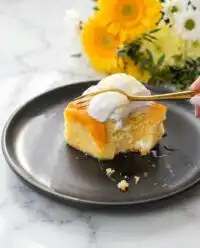
Pull up a chair, tie on your apron, and let me show you how a few straightforward ingredients can create a stunning centerpiece for your next Sunday dinner.

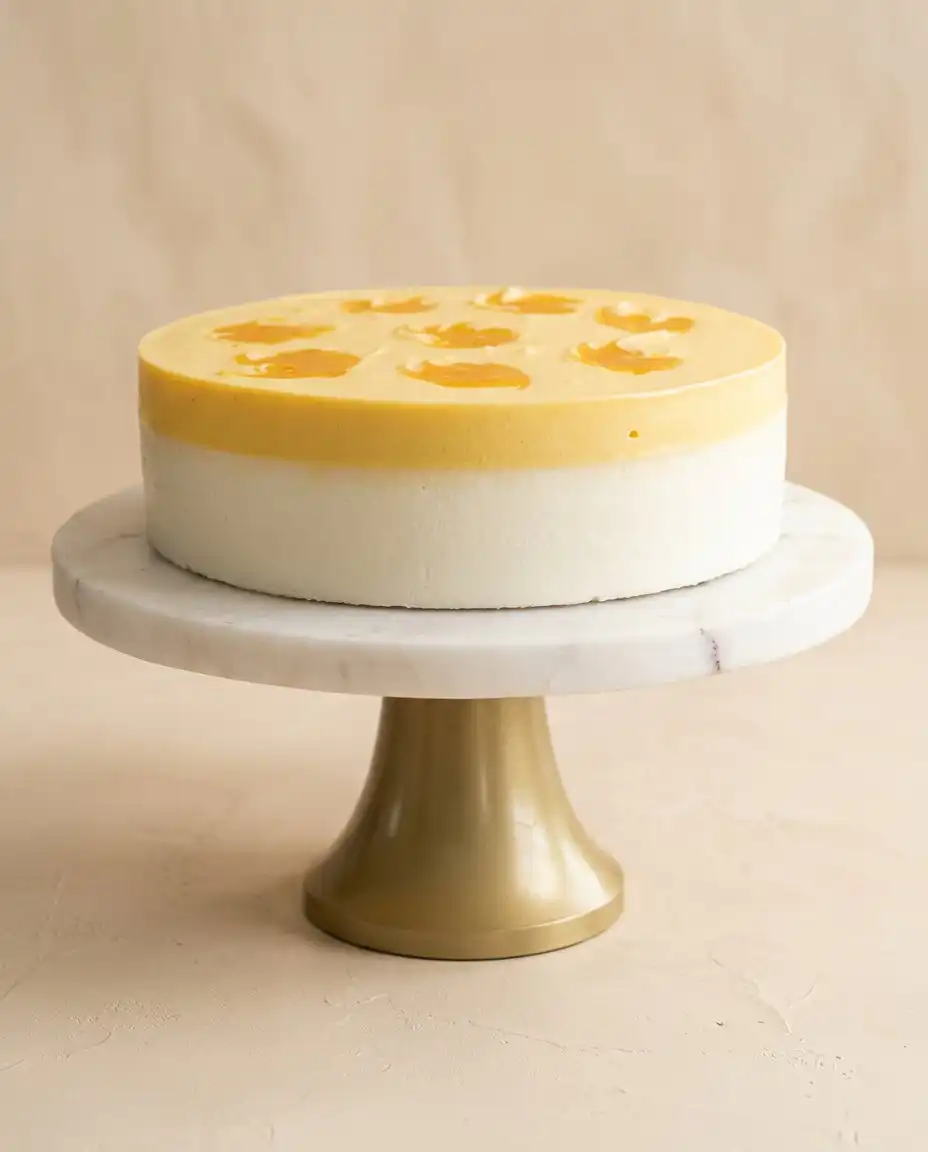
There is a quiet majesty to a Classic Mango Mousse Cake sitting on a glass pedestal, its golden glaze catching the afternoon sun. I wanted to design a recipe that gives you a cloud-like mango mousse and a sponge base that holds up beautifully without becoming sodden. By marrying Southern hospitality with precise pastry technique, we can make a dessert that feels celebratory but remains approachable for any home baker. It is the kind of baking that makes people slow down and savor every bite.
Why My Classic Mango Mousse Cake Earns Its Place on the Table
Prep: 40 min · Serves: 10 · Difficulty: Medium
When you want to share a slice of sunshine, this dessert delivers on every promise. It combines the structural pride of a classic mango sponge cake recipe with a whipped cream layer that feels light as a summer breeze.
- Light sponge base stays beautifully tender.
- Velvety mousse features real fruit puree.
- Elegant gelée topping adds gorgeous shine.
- Make-ahead steps ease your party planning.
- No fancy decorating skills are required.
This grand dessert will be the talk of your next family reunion.
Get The Full Cake Recipe
Print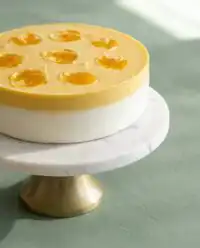
Classic Mango Mousse Cake
- Total Time: 9 hours 5 mins
- Yield: 10 servings
- Diet: Vegetarian
Description
This elegant dessert features a light, airy sponge base layered with a velvety, fruit-forward mango mousse and finished with a glossy golden gelée. It is a stunning, make-ahead centerpiece that perfectly balances tropical sweetness with a delicate, cloud-like texture.
Ingredients
- Kesar mango pulp
- Heavy whipping cream
- Large eggs
- Knox unflavored gelatin
- All-purpose flour
- Sugar
- Icing sugar
- Water
- Baking powder
Instructions
- Whip egg base. Preheat your oven to 350°F and line an 8-inch round springform pan. Beat eggs for one minute, then gradually add sugar, whipping on high until the mixture triples in volume and forms thick ribbons.
- Fold in flour. Sift the flour and baking powder together, then gently fold into the egg mixture in three additions using a rubber spatula to preserve the airiness.
- Bake sponge base. Pour batter into the prepared pan and bake for 20 to 25 minutes until golden. Let cool in the pan, then unmold and place back into the cleaned springform pan.
- Whip mango mousse. Beat heavy cream and icing sugar to stiff peaks. Gently fold in the cold mango pulp. Bloom and dissolve gelatin in water, then cool slightly.
- Temper and set. Temper the warm gelatin with a small amount of mango cream, fold it back into the main bowl, pour over the sponge, and chill for at least eight hours.
- Prepare fruit glaze. Combine remaining mango puree and sugar. Bloom and melt gelatin, temper it with a bit of the puree, mix everything together, and whisk until combined.
- Final glaze application. Pour the glaze over the set mousse, tilt the pan to coat evenly, and refrigerate for another two to four hours until firm before releasing the springform ring.
Notes
- Ensure your heavy cream is kept refrigerator-cold until the exact moment you begin whipping to guarantee stable, stiff peaks.
- Use room temperature eggs for the sponge base to ensure they trap the maximum amount of air during the beating process.
- Temper your gelatin mixture carefully to prevent rubbery lumps from forming in your otherwise smooth, velvety mousse layer.
- Always run a thin spatula around the inside edge of the pan before releasing the springform ring to maintain clean, professional-looking cake sides.
- Prep Time: 40 mins
- Cook Time: 25 mins
- Category: Dessert
- Method: Baking
- Cuisine: Southern Fusion
Gather These From the Pantry
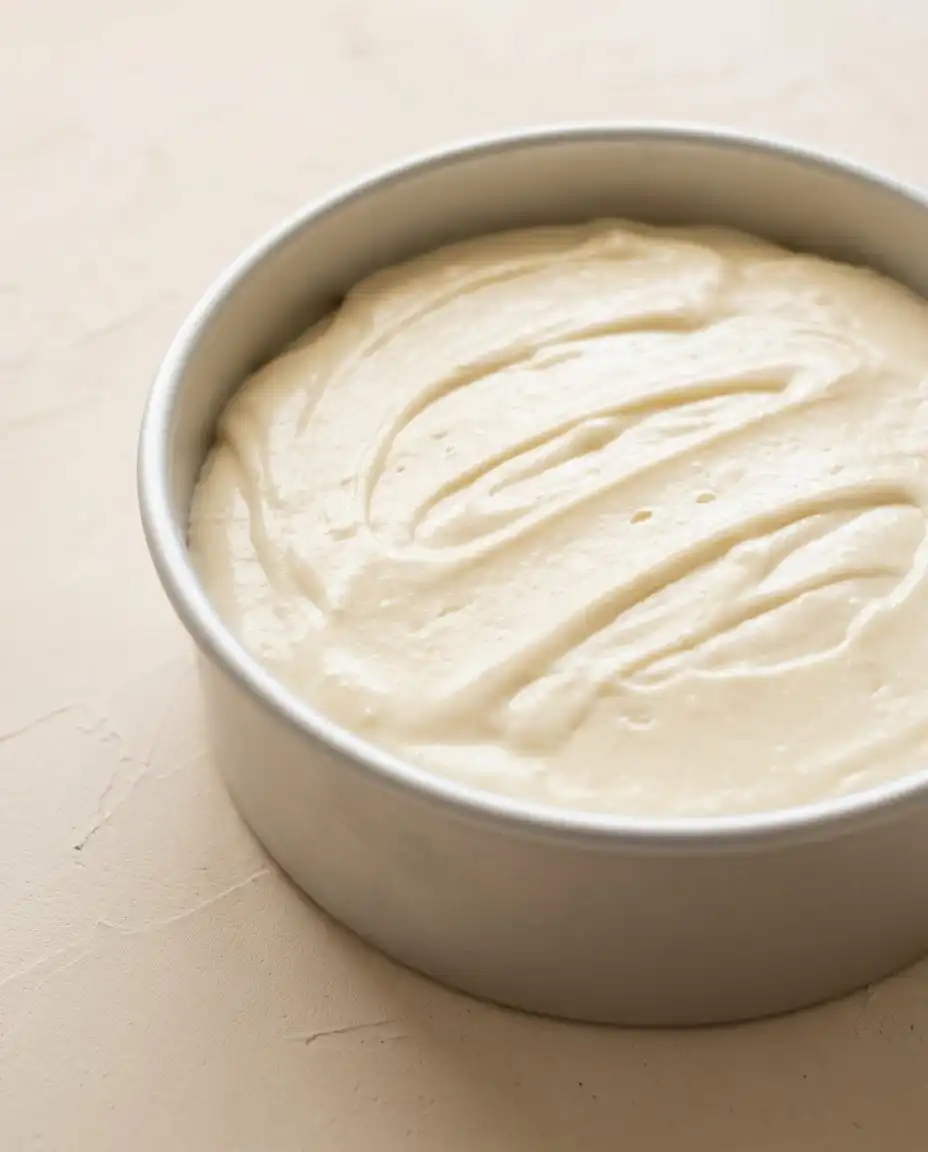
Creating a showstopper dessert starts with pulling the right elements from your refrigerator and cupboard. We want high-quality dairy and pure fruit to make sure the flavors shine through with clean, sweet clarity.
Using canned Kesar mango pulp is a secret shared by many experienced bakers. Fresh mangoes can vary wildly in their water content and sweetness, which can throw off the delicate balance of your mousse. The canned pulp guarantees a consistent flavor profile and a smooth, fiber-free texture every single time you bake.
Temperature also plays a critical role in the success of this dessert. Your eggs must be truly at room temperature so they can trap the maximum amount of air when beaten. Conversely, your heavy cream needs to be cold from the refrigerator to whip up into stable, stiff peaks that will hold their shape when folded into the fruit.
- Kesar Mango Pulp: This canned variety provides a deep golden color and a consistent, honeyed sweetness that fresh fruits often lack.
- Heavy Whipping Cream: Cold cream beaten to stiff peaks forms the structural foundation of our airy filling.
- Large Eggs: Room-temperature eggs are whipped to triple their volume to create a naturally light sponge cake.
- Knox Gelatin: This unflavored powder sets the mousse and glaze layers cleanly without changing the pure fruit flavor.
- All-Purpose Flour: Sifted gently into the whipped egg mixture, it provides just enough structure for a delicate crumb.
- Stock Syrup: A light brush of this simple sugar syrup keeps the cake base exceptionally moist during its long chill.
| Ingredient | Why It Matters |
|---|---|
| Kesar Mango Pulp | Delivers consistent tropical sweetness and rich color. |
| Heavy Cream | Provides the airy volume and structure for the mousse. |
| Unflavored Gelatin | Sets both the mousse and the glaze layers perfectly. |
| Room-Temperature Eggs | Create a light, sponge-like crumb when whipped properly. |
From Bowl to Cake Stand
Step 1: Whip the Egg Base to Ribbon Stage
Preheat your oven to 350°F and grease the bottom of an 8-inch round springform cake pan, lining it carefully with parchment paper. In the bowl of your stand mixer, beat the room-temperature eggs for about one minute until they start to look foamy. Gradually stream in the sugar while continuing to beat on high speed until the mixture has tripled in volume. You will know it is ready when the batter falls from the lifted beater in thick ribbons that sit on the surface for a few seconds before slowly sinking back in.
Step 2: Fold the Sponge Flour Gently
Whisk your all-purpose flour and baking powder together, then sift a third of this mixture over the whipped egg batter. Using a wide rubber spatula, fold the flour into the eggs with a gentle hand, scraping from the bottom of the bowl to prevent any dry flour pockets from hiding. Repeat this process with the remaining flour in two more additions until the batter is uniform. Work slowly and carefully here because over-mixing will deflate the air you worked so hard to whip into the eggs.
Step 3: Bake the Delicate Sponge Base
Pour the airy batter into your prepared pan and slide it onto the middle rack of your oven to bake for 20 to 25 minutes. Watch for the cake to turn a pale golden hue and test the center with a toothpick to confirm it comes out clean. Let the cake cool in the pan for ten minutes before unmolding it onto a wire rack to cool completely. Once cold, peel off the parchment paper and place the sponge back into the springform pan, closing the spring ring firmly around it.
Step 4: Prepare the Classic Mango Mousse Cake Filling
In a cold bowl, whip the heavy cream and icing sugar together until you achieve firm, stiff peaks. Gently fold the cold mango pulp into the whipped cream in small additions until you have a uniform, sun-drenched golden color. In a small microwave-safe dish, sprinkle your unflavored gelatin powder over the water and let it sit for a minute to bloom. Warm it in the microwave for 15 seconds until it dissolves into a clear liquid, then let it cool slightly so it does not melt your cream.
Step 5: Temper and Set the Mousse Layer
Scoop out a quarter-cup of your whipped mango cream into a small bowl and slowly stream the warm gelatin into it while stirring vigorously. This tempering step prevents the warm gelatin from hitting the cold cream and seizing into rubbery lumps. Pour this tempered mixture back into the main bowl of mango cream, fold it together until completely blended, and pour it over the sponge cake. Smooth the top with an offset spatula and slide the pan into the refrigerator to chill uncovered for at least eight hours.
Step 6: Create the Glossy Gel Topping
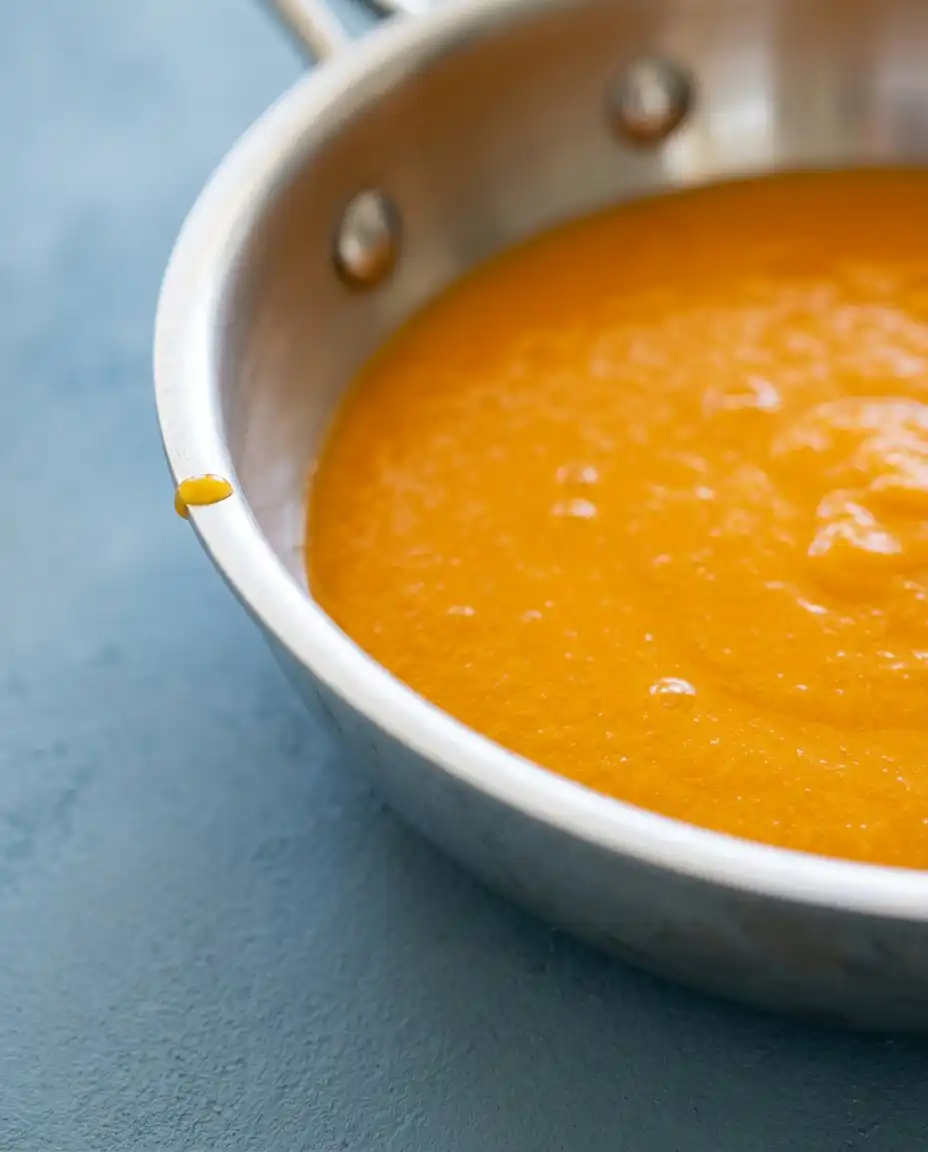
Stir the sugar into your remaining cup of mango puree, adjusting the sweetness to your personal taste. In another small bowl, bloom the second portion of gelatin in water for thirty seconds before heating it in the microwave until completely clear. Take two tablespoons of your sweetened mango puree and whisk it into the warm gelatin to temper the mixture cleanly. Stir this back into the main mango puree bowl, making sure it is fully combined before moving to the next stage.
Step 7: Apply the Glaze and Final Chill
Slowly pour the mango gel mixture over the set mousse layer, tilting the pan gently to confirm it covers the entire surface evenly. Return the pan to the refrigerator and let the cake chill for another two to four hours until the glossy top layer is firm to the touch. When you are ready to serve, run a thin spatula around the inside edge of the springform ring before releasing the latch. Slide the cake onto your favorite vintage stand and admire the beautiful, clean layers you created.
Southern Baker’s Secrets
Always chill your mixing bowl and beaters in the freezer for ten minutes before whipping your heavy cream. Cold equipment helps the fat globules in the cream cling together faster, resulting in a much more stable structure that will not weep or separate when folded into the fruit pulp.
If your mousse layer remains soupy after several hours of chilling, here is why and how to fix it. This usually happens if the gelatin was boiled in the microwave, which destroys its setting power, or if the cream was under-whipped. To rescue a soft cake, you can wrap an acetate collar around the edge and serve it as a spoonable trifle, or freeze the entire dessert to create an elegant frozen treat.
Brushing your sponge cake with sugar syrup is the secret to keeping it soft and tender during the long refrigeration process. If you skip this step, the dry refrigerator air and the sponge itself will pull moisture out of the mousse layer, making the cake dry and the filling spongy. If you enjoy experimenting with different textures, you can read my guide on creating a mango drip cake for more tropical baking inspiration.
Never rush the cooling process of your melted gelatin before adding it to the whipped cream. If the gelatin is too hot, it will instantly melt the whipped cream, causing your mousse to lose its airy texture and become dense. Let it cool until it is just barely warm to the touch but still completely liquid before beginning your tempering step.
If you notice tiny air bubbles on the surface of your mango gelée after pouring it, do not worry. You can easily remove them by gently running the flame of a kitchen torch high above the surface for a brief second, or by popping them carefully with a clean toothpick before the gelatin begins to set. This small step guarantees a flawless, mirror-like finish.
For those who appreciate classic pastry methods, studying how an authentically structured mango mousse behaves will help you understand the delicate balance of fruit acidity and dairy fats. The natural pectin in some mango varieties can interact with gelatin, so using a trusted canned brand keeps your results predictable and beautiful.
Frequently Asked Questions
Can I use fresh mangoes instead of canned pulp?
Yes, you can use fresh mangoes, but you must be careful to choose ripe, non-fibrous varieties like Ataulfo or Honey mangoes. Puree the flesh thoroughly and run it through a fine-mesh sieve to remove any stringy bits before using it in the recipe. Keep in mind that fresh fruit sweetness varies, so you may need to adjust the sugar content in your mousse and gelée layers.
Why did my gelatin turn rubbery and clumpy?
This usually happens when hot gelatin is poured directly into cold cream without tempering it first. The sudden temperature drop causes the gelatin to seize instantly into tiny, rubbery beads. Always scoop a small portion of the cream into the gelatin first to gradually bring the temperatures closer together before combining the rest.
How long will this cake keep in the refrigerator?
This dessert keeps beautifully in the refrigerator for up to three to four days when stored under a cake dome. The sponge base actually absorbs the mango flavors even better by the second day, making it an excellent make-ahead dessert. Avoid covering the top directly with plastic wrap, as this will ruin the glossy finish of the gelée layer.
Can I freeze this mango mousse cake?
Yes, this cake freezes surprisingly well because the gelatin protects the whipped cream from separating. Wrap the fully set cake tightly in plastic wrap and foil, and freeze it for up to one month. To serve, let it thaw slowly in the refrigerator overnight so the layers retain their clean, defined structure.
What can I use as a vegetarian substitute for gelatin?
Agar-agar powder can be used as a plant-based alternative, but it sets much firmer than gelatin and requires boiling to activate properly. You will generally need about half the amount of agar-agar powder compared to gelatin. Be sure to test a small batch of your puree first, as agar-agar can sometimes release water as it sits.
My sponge cake turned out dense and flat. What went wrong?
A dense sponge usually indicates that the egg and sugar mixture was under-beaten or that the flour was folded in too aggressively. The sponge relies entirely on the whipped eggs for its rise, as there is very little baking powder. Next time, ensure the eggs reach a thick ribbon stage, and fold the flour with a light, lifting motion.
How do I get clean slices when serving?
To achieve beautiful, restaurant-quality slices, use a long, sharp knife dipped in hot water and wiped clean between every single cut. The hot metal will slice cleanly through the gelatin and mousse layers without dragging them down into the sponge cake. Take your time and clean the blade thoroughly after each pass.
Family Twists & Variations
For a deeper tropical twist, you can replace the traditional sponge cake base with a coconut-flecked sponge. Fold half a cup of finely shredded unsweetened coconut into the sifted flour before folding it into the egg batter. The toasted coconut flavor pairs wonderfully with the sweet mango, creating a dessert that feels like a seaside vacation.
If you love the rich contrast of fruit and dark cocoa, you can serve this fruit mousse over a chocolate cake base instead of the vanilla sponge. This provides a stunning visual contrast with the bright yellow mousse sitting atop a dark, decadent foundation. If you want to master the art of rich chocolate fillings, you might also enjoy reading my recipe for a chocolate mousse cake to compare techniques.
Add a pinch of ground cardamom to the sponge cake batter and a tiny splash of rosewater to the mango puree. These traditional flavor pairings highlight the natural floral notes of the Kesar mango pulp beautifully. It is a sophisticated twist that will delight guests who enjoy complex, spiced desserts.
Serve It Southern-Style
When bringing this tropical beauty to the table, presentation is just as important as the flavor itself. I love to display this cake on a clear glass pedestal stand, allowing guests to admire the distinct, sunny layers before we cut the first slice. Garnish the top with thin slices of fresh mango arranged in a rose pattern, along with a few fresh mint leaves for a pop of contrasting color.
To make this the centerpiece of an afternoon gathering, pair each slice with a tall glass of unsweetened iced tea or a light, sparkling white wine. The crisp acidity of the beverage cuts through the richness of the whipped cream, cleansing your palate between bites. If you want to explore more ways to elevate your dessert table, look at my tips on using a vanilla mousse cake filling to create spectacular layered desserts.
This dessert shines brightest during warm-weather celebrations like bridal showers, family reunions, or Sunday dinners on the porch. Since it serves ten people generously, it is perfect for sharing with those you love. Keep the cake chilled right up until the moment of serving to make sure the mousse remains light and firm.

From My Kitchen to Yours
Baking is a wonderful way to show people how much you care, and this recipe is proof that you do not need a professional bakery to create something truly magical. The bright, cheerful colors and the delicate, creamy texture of this cake are guaranteed to bring smiles to your table. From the tender sponge base to the glossy mango glaze, every layer is a labor of love that is well worth the wait.
If you enjoyed working with fresh fruits and light textures in this recipe, you might also like to check out my guide on making a cake with fruit for more seasonal inspiration. There is nothing quite like using the best of nature’s bounty to create memorable family desserts.
I would love to hear how your baking journey turned out, so please share your creations with our baking community. Let’s keep the tradition of home-baked joy alive and spreading. You can follow my kitchen adventures and find more inspiration on our social channels: Pinterest, Facebook, and Telegram.