Many bakers struggle with peach cakes that turn out soggy from the fruit or far too dry in the crumb, but I have found the perfect balance for your kitchen.

This Southern Peach Cake is the answer to every lackluster summer dessert you have ever tasted at a family reunion or church social. It features a tender, golden crumb infused with real fruit that stays moist without losing its structural integrity on the plate. By using a specific combination of sour cream and pureed peaches, we ensure that every slice delivers a bright, sun-ripened flavor that reminds you of a high-summer harvest. Mastering this recipe means you will never have to worry about a sunken middle or a bland bite again.
The Heart of This Southern Peach Cake
Prep: 20 min · Serves: 12 · Difficulty: Medium
- Tender crumb that melts on your fork
- Bright citrus notes from fresh lemon zest
- Real fruit flavor in every single bite
- Crowd-pleasing glaze that adds a sweet finish
- Reliable texture perfect for Sunday dinner service
This is the recipe my family requests every single time the heat of summer begins to settle over the porch. If you love a classic fruit dessert, you might also enjoy my peach cake which offers a similar comfort and reliable result.
Get The Full Cake Recipe
Print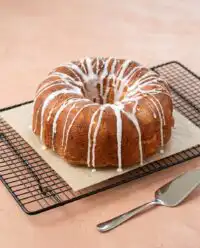
Southern Peach Cake
- Total Time: 1 hour 30 mins
- Yield: 12 servings
Description
This Southern Peach Cake features a tender, golden crumb infused with real fruit for a moist and flavorful dessert. It is the perfect balance of sweet peach flavor and delicate texture, making it an ideal choice for any summer gathering.
Ingredients
- 1 cup unsalted butter, softened
- 2 cups granulated sugar
- 3 large eggs, room temperature
- 1 teaspoon vanilla extract
- 3 cups all-purpose flour
- 2 teaspoons baking powder
- 1/2 teaspoon salt
- 1 cup sour cream
- 2 cups frozen peaches, thawed and pureed
- 1 teaspoon lemon zest
- 1 1/2 cups confectioners’ sugar
- 2 tablespoons milk
Instructions
- Prepare the oven. Preheat your oven to 325 degrees Fahrenheit and thoroughly grease and flour a standard bundt pan.
- Cream butter and sugar. Beat the softened butter and granulated sugar together in a large bowl until the mixture is pale, smooth, and fluffy.
- Add eggs and vanilla. Incorporate the room-temperature eggs one at a time, followed by the vanilla extract, mixing until smooth and glossy.
- Sift dry ingredients. Whisk together the all-purpose flour, baking powder, and salt in a separate bowl to ensure proper aeration.
- Combine the bases. Gradually mix the dry ingredients into the butter mixture, alternating with the sour cream until just combined.
- Fold in fruit. Gently fold the pureed peaches and lemon zest into the batter, ensuring they are evenly distributed.
- Bake the cake. Pour the batter into the pan and bake for 68 to 70 minutes, or until a wooden tester comes out clean.
- Cool and release. Rest the cake in the pan until warm to the touch before inverting it onto a wire rack to cool completely.
- Glaze the cake. Whisk together the confectioners’ sugar, vanilla, and milk, then drizzle the mixture over the cooled cake before serving.
Notes
- Ensure all dairy and eggs are at room temperature to achieve the best batter emulsion.
- Leave small chunks of peach in the puree to add texture and concentrated flavor bursts.
- Use a kitchen scale to measure flour to avoid a dry or crumbly cake structure.
- Store the finished cake under a glass dome at room temperature to preserve its moisture.
- Tent the top with aluminum foil if it browns too quickly before the center has fully baked.
- Prep Time: 20 mins
- Cook Time: 70 mins
- Category: Dessert
- Method: Baking
- Cuisine: Southern
The Building Blocks
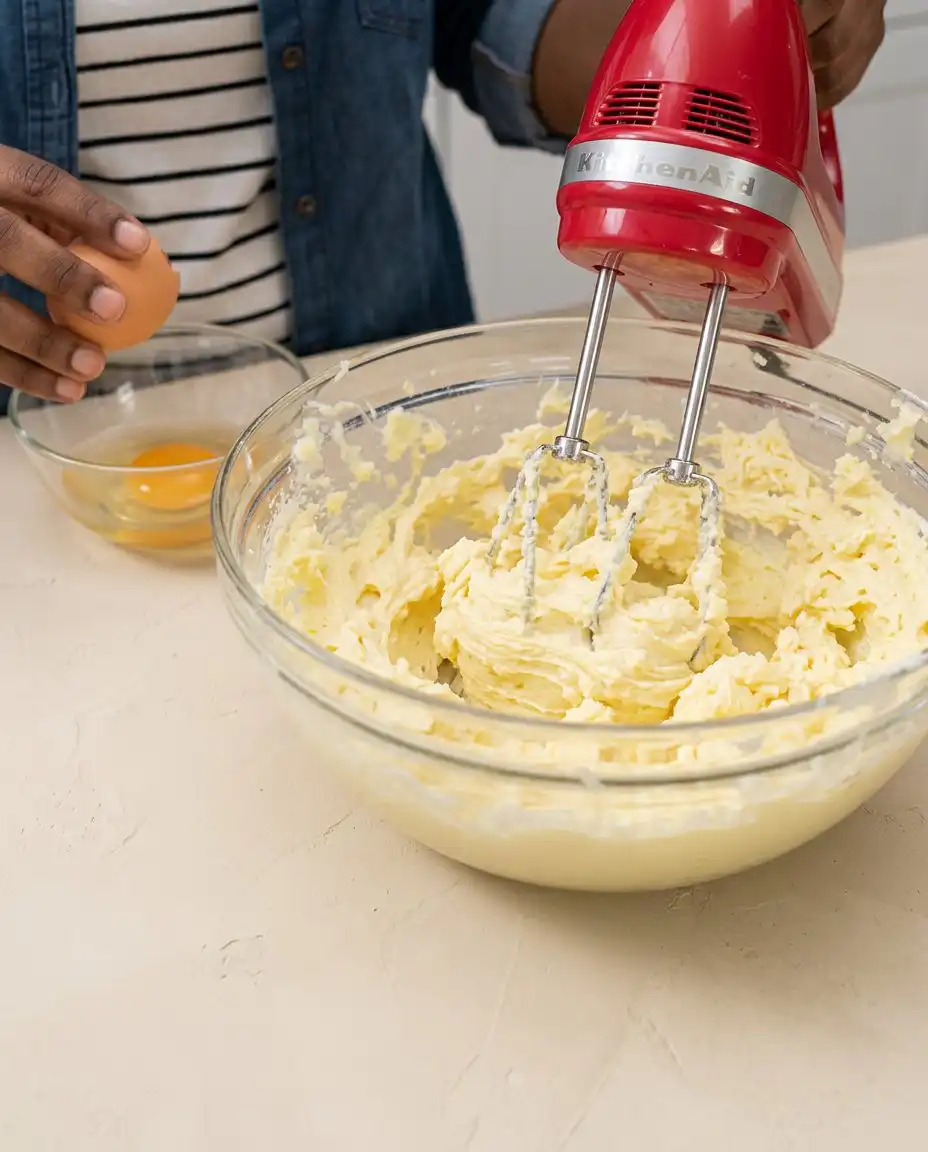
Creating a masterpiece starts with gathering the right elements from your pantry to ensure the most flavorful result. We use high-fat dairy and fresh aromatics to build a profile that tastes like it came straight from a professional Southern bakery. Every item on this list plays a specific role in achieving the perfect balance of sweetness and moisture.
- Unsalted Butter: Provides the foundational richness and a velvety mouthfeel that defines a high-quality cake.
- Granulated Sugar: Beyond sweetness, it helps in the creaming process to create a light, airy structure.
- Thawed Frozen Peaches: These provide consistent moisture and a concentrated fruit flavor compared to some off-season fresh varieties.
- Sour Cream: The secret to a tangy depth and a crumb that stays soft for days after baking.
- Lemon Zest: A small amount of citrus oils cuts through the sugar and brightens the entire flavor profile.
- All-Purpose Flour: Provides the necessary structure to support the heavy pieces of fruit during the baking process.
- Eggs: Act as the primary binder to ensure the cake holds its shape perfectly on the fork.
| Ingredient | Why It Matters |
|---|---|
| Butter | Adds essential fat for a tender, moist crumb |
| Eggs | Provides structure and helps the cake rise evenly |
| Peaches | Delivers the primary fruit flavor and natural sweetness |
| Sour Cream | Ensures a soft texture and prevents dryness |
| Baking Powder | Acts as the leavening agent for a light lift |
Walking Through the Bake
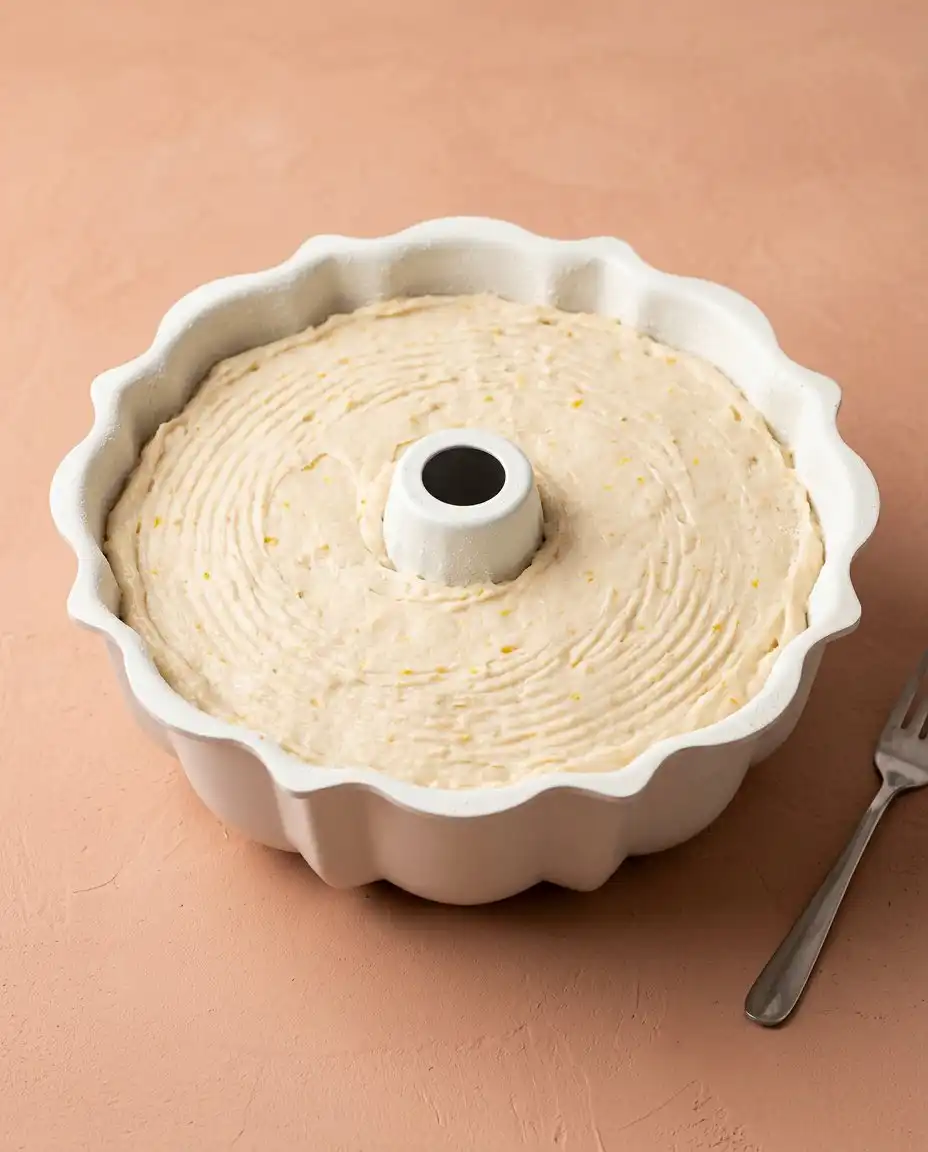
Step 1: Prepare the Pan and Oven
Begin by preheating your oven to 325 degrees Fahrenheit to ensure a gentle, even rise for your dessert. You want to grease and flour a standard bundt pan with great care, reaching every nook and cranny to prevent sticking. A clean release is the hallmark of a skilled baker, and a well-prepared pan is your best insurance policy against a broken cake. This slow preheating process allows the oven to stabilize its temperature, which is crucial for a dense, fruit-filled batter that needs time to bake through.
Step 2: Cream the Butter and Sugar
Place your softened butter and granulated sugar in a large bowl and beat them together until the mixture is pale and fluffy. This process incorporates air into the fat, which is vital for achieving that legendary tender crumb we all crave. You should see the texture transform from gritty and yellow to smooth and voluminous over about five minutes of continuous mixing. Take the time to scrape down the sides of the bowl often so every bit of sugar is fully integrated into the butter base.
Step 3: Incorporate the Eggs and Vanilla
Add your room-temperature eggs one at a time, ensuring each is fully incorporated before adding the next one to the batter. This steady addition prevents the emulsion from breaking and maintains a cohesive structure as you build the cake body. Pour in the vanilla extract at the end of this stage to infuse the base with a warm, aromatic depth that balances the fruit. If the batter looks slightly curdled, continue beating for another minute until it returns to a smooth, glossy appearance.
Step 4: Sift the Dry Ingredients
Take the time to sift your all-purpose flour, baking powder, and salt together into a separate mixing bowl. Sifting removes any lumps and aerates the flour, which contributes to a lighter final product that won’t feel heavy on the tongue. This step is a small effort that pays massive dividends in the refined quality of your Southern Peach Cake as it bakes. By distributing the leavening agent evenly through the flour, you ensure that the cake rises with a uniform top and no large air pockets.
Step 5: Combine Wet and Dry Bases
Gently add your sifted dry ingredients to the butter mixture, alternating with the sour cream to keep the batter supple and hydrated. You want to mix only until the white streaks of flour disappear to avoid overworking the gluten, which can lead to a tough or rubbery cake. The batter should look thick, creamy, and smell like a professional bakery even before it hits the heat of the oven. Using a low speed on your mixer during this phase is the best way to maintain control over the texture.
Step 6: Fold in Peaches and Zest
Using a wide silicone spatula, carefully fold the pureed peaches and lemon zest into the thick batter with a light, sweeping hand. You want to distribute the fruit evenly without deflating the air you worked so hard to incorporate during the initial creaming stage. The lemon zest adds a bright pop of fragrance that perfectly complements the sweetness of the fruit and the richness of the butter. Make sure you reach the very bottom of the bowl to ensure no heavy peach puree has settled there.
Step 7: Bake the Southern Peach Cake to Perfection
Spoon the finished batter into your prepared bundt pan and smooth the top with the back of a spoon for an even bake. Place it in the center of the oven and bake for approximately 68 to 70 minutes, or until a wooden tester comes out clean. The aroma of baking peaches will likely fill your entire home, signaling that a wonderful treat is almost ready to be shared. Avoid opening the oven door during the first forty-five minutes to prevent a sudden drop in temperature that could cause the middle to sink.
Step 8: Cool and Release from the Pan
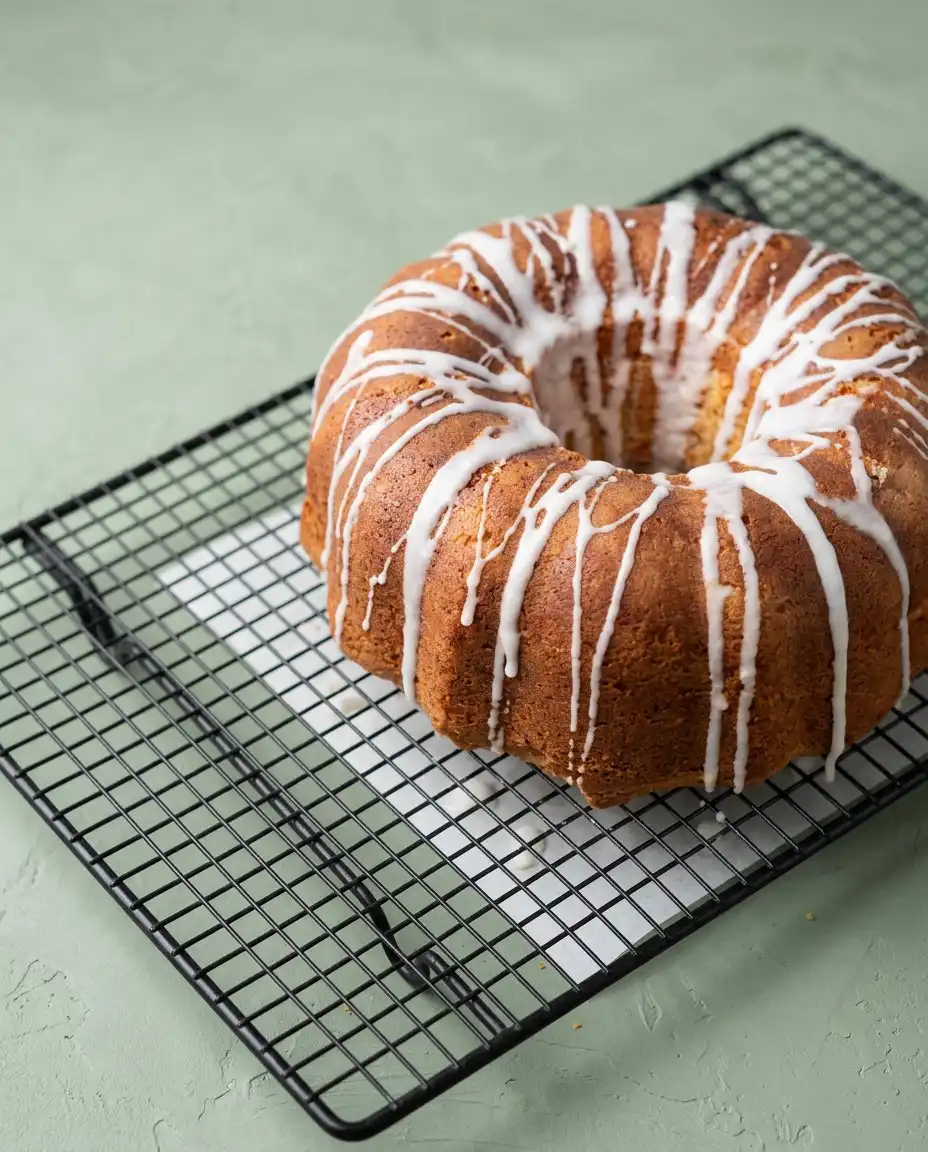
Allow the cake to rest in the pan until it is just warm to the touch before attempting to invert it onto a wire cooling rack. This cooling period allows the internal structure to set firmly, which prevents the cake from breaking apart when it leaves the pan. If you try to remove it while it is piping hot, the steam will make the crumb too fragile to support its own weight. Once it has reached room temperature, it is ready for the final decorative touch of a sweet vanilla glaze.
Step 9: Glaze and Garnish for Service
Whisk together your confectioners’ sugar, vanilla, and milk until you reach a consistency that flows like a thick ribbon from the whisk. Drizzle this over the cooled cake, allowing it to pool slightly in the crevices and set into a beautiful, opaque finish that catches the light. Serve your masterpiece with a side of vanilla ice cream or a fresh peach slice for the true Southern experience. This final layer adds a hit of concentrated sweetness that rounds out the flavors of the baked fruit perfectly.
Southern Baker’s Secrets
Ensuring your butter and eggs are truly at room temperature is the single most important factor for a smooth emulsion. If the fat is too cold, it will not trap the air needed for a light rise, resulting in a dense and heavy slice. You can speed up the process by placing cold eggs in a bowl of warm water for five minutes while you prepare the rest of your kitchen station.
When pureeing your peaches, leave a few small chunks rather than turning the fruit into a complete liquid. These tiny pockets of fruit provide a delightful texture and a more intense flavor profile when someone bites into a slice. If your batter seems too thin after adding the fruit, it might be because the peaches were not drained well enough after thawing.
If your cake begins to brown too quickly on top before the center is done, simply tent a piece of aluminum foil loosely over the pan. This protects the surface from the direct heat while allowing the middle to finish baking through completely without burning the edges. You might find more helpful advice on temperature control in this guide for a peach upside down cake recipe.
Always use a kitchen scale to measure your flour if possible, as packing it into a measuring cup can result in too much dry matter. If you do not have a scale, use the spoon-and-level method to keep the flour light and airy before adding it to the mixing bowl. Too much flour is the leading cause of a dry crumb that crumbles away from the fork.
If the cake sticks to the pan during the release, it is often because the pan was either too hot or too cold when you tried to flip it. For more advanced tips on handling delicate fruit batters and ensuring a clean release every time, you can check out this Southern peach pound cake technique. This guide explains the science behind pan preparation in great detail.
Store your finished cake under a glass dome at room temperature to maintain its moisture levels for several days. Avoid the refrigerator if possible, as the cold air can dry out the crumb and dull the delicate flavors of the peaches. If you must store it for longer than three days, wrap it tightly in plastic wrap to seal in the hydration and prevent it from picking up other scents.
Frequently Asked Questions
Can I use fresh peaches instead of frozen ones for this recipe?
You certainly can use fresh peaches, provided they are very ripe and soft enough to puree easily. Just be sure to peel them first, as the skins can become tough and distracting within the delicate crumb of the cake. If the fresh peaches are very juicy, you may need to reduce the milk in the glaze slightly to balance the moisture.
Why did my cake sink in the middle after I took it out?
A sunken middle usually happens if the oven door was opened too early or if the cake was slightly underbaked. Always use a wooden skewer to check that the center is fully set before removing the pan from the heat. Another common cause is over-creaming the butter and sugar, which can create too much air that collapses later.
Can this Southern peach cake be frozen for later use?
This cake freezes beautifully if you wrap it tightly in plastic wrap and then a layer of foil to prevent freezer burn. It will stay fresh for up to three months; just be sure to glaze it only after it has thawed completely to room temperature. Thawing it slowly on the counter helps preserve the moist texture of the crumb.
What should I do if my glaze is too thin to stay on the cake?
If your glaze is running off the cake too quickly, simply whisk in an extra tablespoon of confectioners’ sugar at a time until it thickens. It should be thick enough to hold its shape while still being pourable like a heavy ribbon. Adding a pinch of salt can also help balance the sweetness if you have to add a lot of extra sugar.
Is it possible to make this cake in a different type of pan?
While a bundt pan is traditional for this recipe, you can use two loaf pans, though you will need to adjust the baking time significantly. Keep a close eye on the oven and start checking for doneness at the forty-five-minute mark to ensure the edges do not dry out. The texture will be slightly different, but the flavor will remain just as delicious.
How do I get the brightest peach flavor in the finished batter?
Using high-quality frozen peaches that were picked at the peak of ripeness is often better than using flavorless fresh ones out of season. Thawing them completely and using the small amount of juices that collect in the bowl will also intensify the fruit profile throughout the cake. Adding a tiny bit of almond extract can also help accentuate the natural stone fruit notes.
Reunion-Worthy Variations
For those who enjoy a bit of extra warmth, try adding a teaspoon of ground cinnamon or ginger to the dry ingredients before sifting. This subtle spice profile pairs beautifully with the peaches and reminds me of a traditional peach cobbler pound cake served at autumn festivals. It turns the cake into a deeper, more complex dessert that feels appropriate for the transition into cooler months.
If you want a richer finish, you can swap the simple milk glaze for a decadent peach cake brown sugar frosting that adds a caramel-like depth. This version is particularly popular at church potlucks where a little extra sweetness is always welcomed by the guests. The brown sugar brings out the molasses notes in the crust and creates a beautiful color contrast with the golden cake.
You might also consider adding a handful of toasted pecans to the batter for a crunch that offsets the soft texture of the fruit. The nutty flavor provides a sophisticated balance to the sugar and makes the cake feel even more like a heritage recipe passed down through generations. Simply toss the pecans in a little bit of flour before adding them to the batter to prevent them from sinking to the bottom of the pan.
Serve It Southern-Style
This cake is best presented on a high glass stand that allows the glaze to be seen from every angle across the table. I love serving a thick slice alongside a scoop of high-quality vanilla bean ice cream to balance the fruit notes and add a creamy finish. For a lighter afternoon treat, a dollop of freshly whipped cream with a hint of lemon zest is equally delightful and refreshing during the heat of the day.
You might also consider serving it with a chilled glass of sweet tea during a summer afternoon on the porch. The tannins in the tea provide a lovely contrast to the sugar in the cake, making for a classic combination that defines Southern hospitality. If you enjoy desserts that showcase the fruit in a different way, try my no bake caramel peach upside down cake for your next summer gathering.

From My Kitchen to Yours
Baking this Southern peach cake is more than just following a recipe; it is about creating a moment of hospitality for the people you love. Whether it is for a Sunday dinner after service or a quiet afternoon with a neighbor, this cake carries the soul of the South in every tender bite. I hope it finds a permanent place in your family’s recipe box and brings as much joy to your home as it has to mine over the years.
Please share your baking success with us and let me know how your family enjoyed this seasonal treat. You can find more inspiration and connect with our community on Pinterest, Facebook, or join our conversation on Telegram. I look forward to seeing your beautiful creations on TikTok as we continue to celebrate the art of Southern baking together. If you are looking for another way to use up your harvest, don’t forget to check out my recipe for peach cobbler pound cake.