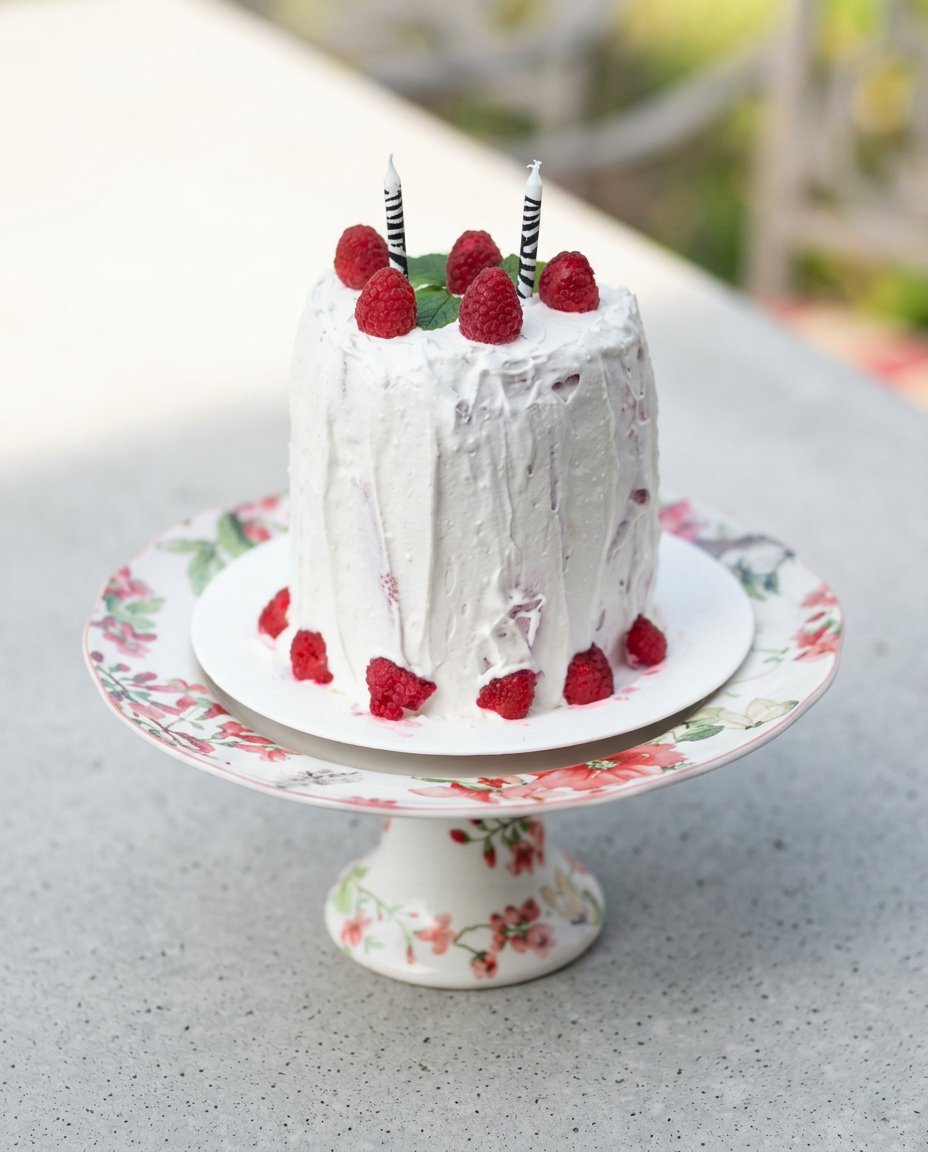
The chilled red melon cylinder stands clean on a plain white plate, its snowy mantle of hand-spread coconut cream catching the soft light of an August afternoon.

This fresh Watermelon Cake with Whipped Coconut Frosting represents everything I value about summer baking. By stripping away the heavy wheat flours and hot ovens of July, we let the pure, cold sweetness of the fruit guide our hands. Warm afternoons require desserts that cool the tongue and respect the seasonal harvest. When we gather on the farmhouse porch, this simple dessert brings everyone together without warming up the kitchen.
Why Rustic Wins with Watermelon Cake with Whipped Coconut Frosting
Prep: 25 min · Serves: 5 · Difficulty: Medium
- Cold, crisp fruit meets silky coconut cream.
- No hot oven needed during summer heat.
- Natural sugars keep the dessert beautifully light.
- Beautifully imperfect swirls show honest hand craft.
- Sweet berries make a colorful summer crown.
This light, chilled treat will become your most requested summer dessert. If you enjoy raw fruit presentation, you might also adore our fresh watermelon layer cake.
Get The Full Cake Recipe
Print
Watermelon Cake with Whipped Coconut Frosting
- Total Time: 24 hours 25 mins
- Yield: 5 servings
- Diet: Vegan, Gluten-Free, Paleo
Description
This refreshing, dairy-free summer dessert features a firm, chilled cylinder of fresh watermelon topped with a light, hand-whipped coconut cream frosting. Finished with vibrant berries and toasted almonds, it offers a crisp and cooling treat perfect for warm afternoons without ever turning on the oven.
Ingredients
- 1 medium watermelon
- 2 cans organic coconut milk (full fat)
- 2 tablespoons coconut nectar
- 1 teaspoon vanilla extract
- 1 teaspoon arrowroot powder
- 1/2 cup fresh blackberries and raspberries
- 2 tablespoons slivered almonds
Instructions
- Chill coconut milk. Place cans in the refrigerator for at least twenty-four hours to ensure the cream separates from the water.
- Extract the cream. Carefully open the cans and scoop only the solidified white coconut cream into a chilled mixing bowl.
- Whip the frosting. Add coconut nectar, vanilla, and arrowroot to the cream; use a hand mixer until it becomes smooth and holds soft peaks.
- Slice the base. Cut a four-inch thick circular slab from the center of the watermelon and trim away the rind to create a smooth cylinder.
- Dry the fruit. Thoroughly pat all surfaces of the melon with dry paper towels to ensure the frosting adheres properly without slipping.
- Frost the cake. Use an offset spatula to spread the chilled coconut cream over the top and sides of the melon in rustic swirls.
- Garnish and serve. Decorate the top with fresh berries and toasted slivered almonds, serving immediately for the best texture.
Notes
- Ensure the watermelon is completely dry before applying frosting to prevent the cream from sliding off.
- Use only high-quality canned coconut milk without added guar gum or emulsifiers for the best consistency.
- Work with a chilled mixing bowl and beaters to help the coconut fats stay firm during the whipping process.
- Leftover coconut water from the cans is excellent when blended into morning smoothies or oatmeal.
- Prep Time: 25 mins
- Cook Time: 0 mins
- Category: Dessert
- Method: No-Bake
- Cuisine: American
Honest Ingredients from the Market
We rely on the natural quality of our produce to make this dish shine. When the fruit is this good, we let its simple flavors lead the way.
- Medium Watermelon: Choose one that feels heavy for its size with a pale yellow ground spot, indicating it ripened fully in the field.
- Native Forest Organic Coconut Milk: This specific brand consistently yields a thick, rich cream layer when chilled overnight.
- Coconut Nectar: A light, unrefined sweetener that gently sweetens the cream without masking the delicate coconut flavor.
- Vanilla Extract: Clean vanilla bean paste or extract rounds out the frosting, giving it a classic bakery aroma.
- Arrowroot Powder: This natural starch acts as a gentle stabilizer, keeping the whipped cream from separating on the moist melon.
- Fresh Berries: Blackberries and raspberries plucked straight from the garden patch add a tart contrast to the sweet melon base.
- Slivered Almonds: Lightly toasted nuts provide a welcome crunch against the soft, yielding textures of fruit and cream.
| Ingredient | Why It Matters |
|---|---|
| Watermelon | Provides the solid, juicy structure of our raw cake base. |
| Coconut Cream | Whipped until fluffy to form a dairy-free frosting layer. |
| Arrowroot | Stabilizes the delicate whip so it clings to the melon. |
| Berries & Nuts | Add rustic color, natural acidity, and a pleasing crunch. |
The Method, Step by Step
Step 1: Chilling the Coconut Milk
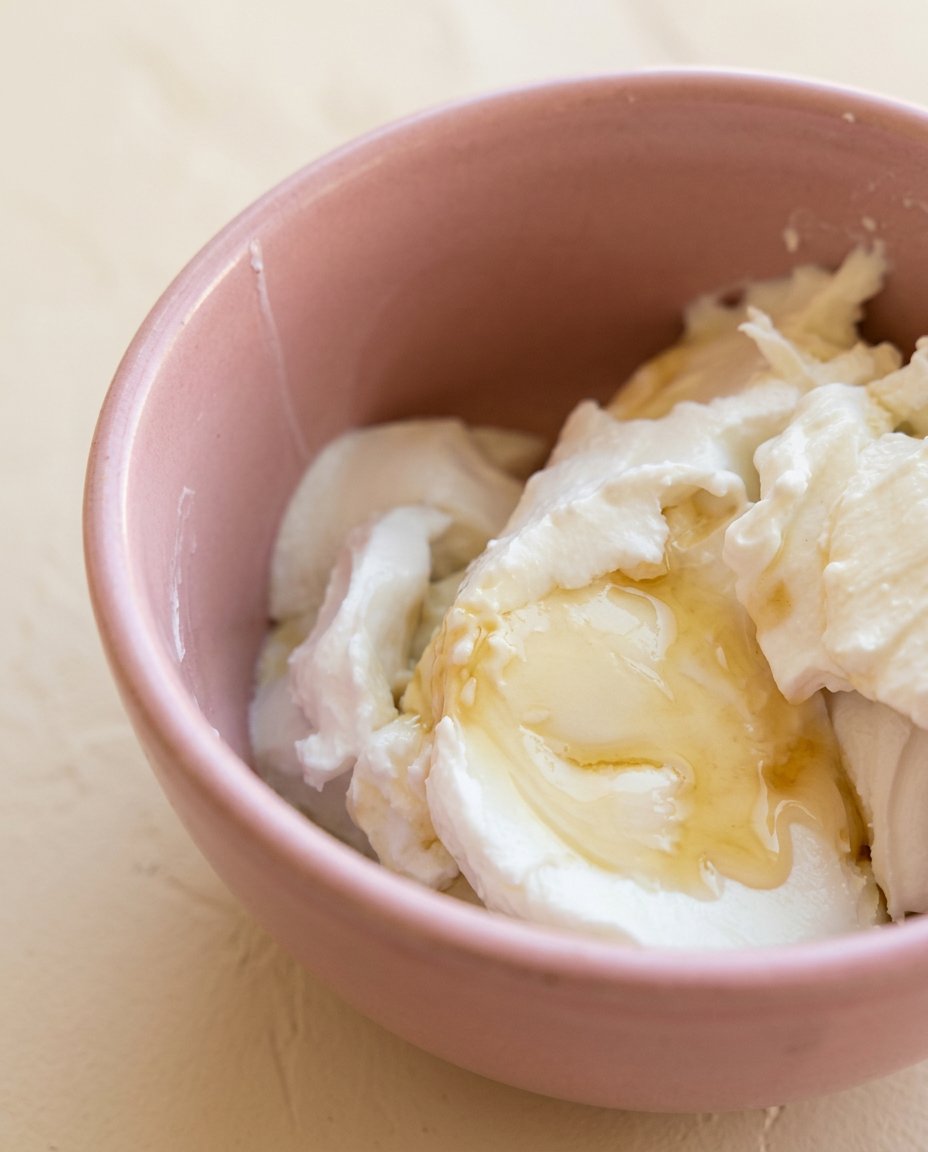
Place your cans of organic coconut milk deep in the refrigerator for at least twenty-four hours before you begin. The cold temperature coaxes the rich, solid cream to rise and separate from the watery liquid below. When you open the can, you should see a firm, snowy white block resting on top of the clear coconut water. This solid layer is the foundation of our delicate dairy-free frosting.
Step 2: Extracting the Coconut Cream
Carefully open the chilled cans without shaking them so the layers remain separate. Use a wide metal spoon to lift the hardened cream layer out and place it into a chilled glass mixing bowl. Save the remaining clear liquid in a jar for your morning smoothies or oatmeal. The cream in your bowl should feel firm, cold, and solid to the touch.
Step 3: Whipping the Frosting
Pour in the coconut nectar, vanilla extract, and arrowroot powder to begin the whipping process. Use a hand mixer on medium speed, working the beaters in wide circles until the mixture becomes smooth and holds soft peaks. The whipped cream will smell sweetly of vanilla and feel as light as late-spring clouds. Set the bowl back in the refrigerator to keep it firm while you prepare the fruit.
Step 4: Slicing the Melon Base
Set your ripe watermelon on a sturdy wooden cutting board and use a long, sharp knife to cut a thick slice from the center. This round slab should be about four inches thick, with flat top and bottom surfaces. The deep red flesh should look crisp and smell intensely sweet. This thick round forms the sturdy foundation of our fresh summer dessert.
Step 5: Shaping the Cylinder
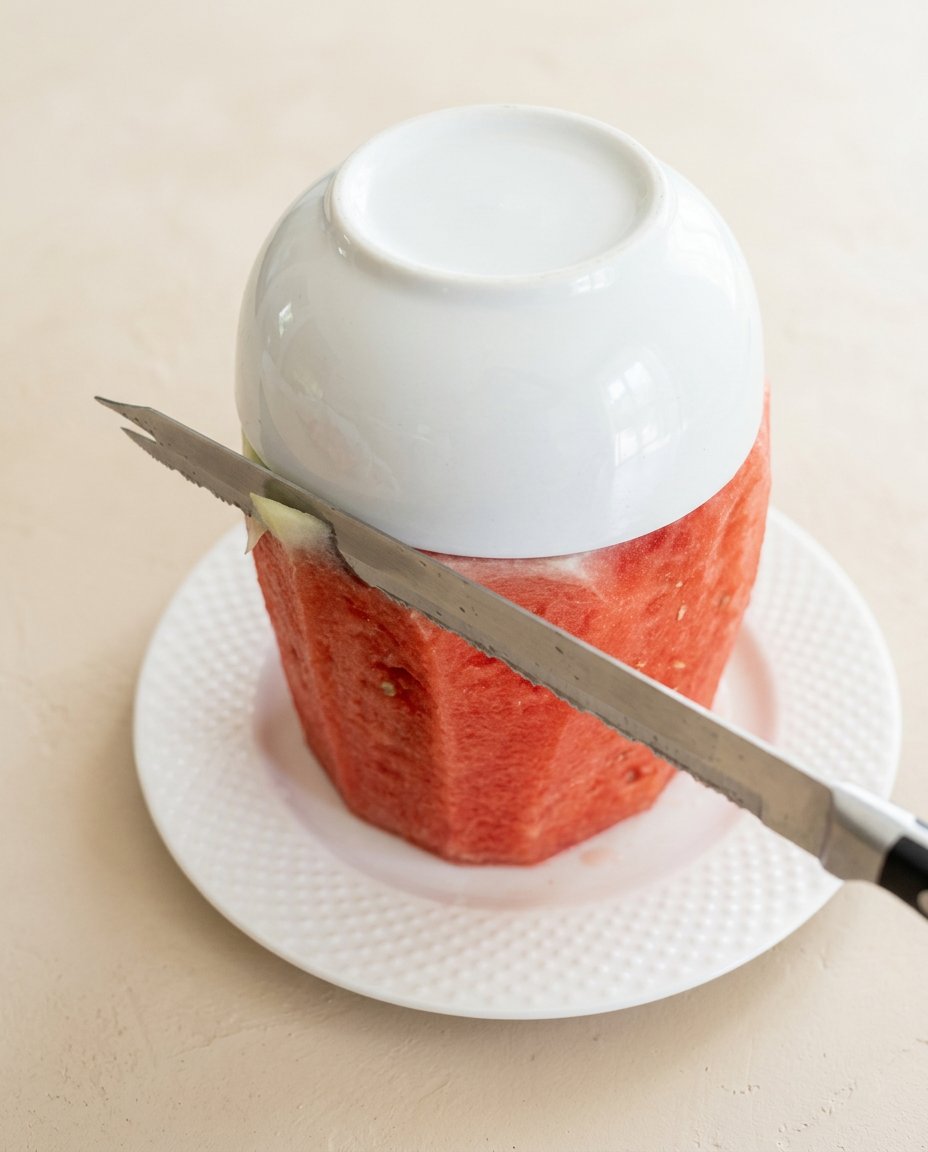
Place a round cake plate or a bowl over the melon slice to serve as a guide for your knife. Slowly cut downward through the red flesh, trimming away the white rind and green outer skin entirely. You will be left with a smooth, bright red cylinder of sweet fruit. Take a moment to admire the clean, natural lines of this simple base.
Step 6: Drying the Fruit Surface
Gather several dry paper towels and gently press them against the entire surface of the melon cylinder. You must draw out the excess moisture from the sides and top so the coconut cream can adhere properly. Keep patting with fresh towels until they stay dry when pressed against the red flesh. This careful step prevents your frosting from slipping off later.
Step 7: Frosting Your Watermelon Cake with Whipped Coconut Frosting
Retrieve your chilled coconut cream from the refrigerator and spoon a generous dollop onto the top of the dry melon base. Use an offset spatula to spread the whipped cream in gentle, swirling motions over the top and down the sides. The cream should cling beautifully to the dried fruit, creating a textured, rustic finish. Let the tiny ridges and uneven swirls remain, as they highlight the honest craft of a homemade bake.
Step 8: Decorating with Summer Fruit
Strew fresh raspberries, blackberries, and slivered almonds over the top of your frosted creation. Let some of the berries tumble naturally toward the edges, showcasing their deep summer colors. The toasted nuts will add a beautiful, earthy contrast to the snowy frosting and red melon. Serve this beauty immediately, or keep it chilled until your guests gather around the table.
Notes From the Kitchen
To find a sweet melon at the market, look for a dull skin rather than a shiny one. A shiny rind indicates an underripe fruit, while a dull exterior shows it has fully ripened under the sun.
Always check the ingredient list on your coconut milk can to make sure it contains no guar gum or emulsifiers. These additives prevent the fat from separating from the water, which will leave you with a watery mess instead of a firm cream.
If your whipped coconut cream becomes runny or refuses to hold its shape, here is why and how to fix it. This usually happens if the can was not cold enough or if too much liquid was scooped up with the fat. Correct this by folding in an extra teaspoon of starch or refrigerating the mixture for an hour to let the fats firm up again.
You can use the leftover watermelon trim to create a delightful classic watermelon fruit cake for your next gathering. This prevents waste and lets you practice your carving skills on smaller slices of fruit.
Substituting heavy whipping cream is a fine option if you do not mind dairy. Simply whip it with a bit of powdered sugar until stiff peaks form before frosting the melon.
Using thick, cloth-like paper towels is much better than thin ones for drying the melon. Thin paper towels will dissolve and leave tiny white fibers on your beautiful red cake base.
Frequently Asked Questions
How do you make whipped coconut frosting?
To make this frosting, you must first chill a can of full-fat coconut milk overnight to separate the cream from the water. Scoop out the hardened white cream and whip it with a hand mixer until it becomes light and fluffy. Add a touch of natural sweetener, vanilla, and a pinch of arrowroot powder to help stabilize the mixture.
Why is my whipped coconut cream runny?
Your whipped cream may turn out runny if the coconut milk was not chilled long enough or if the brand contains stabilizers like guar gum. Additionally, letting any of the clear coconut liquid get into the mixing bowl will thin the cream. To rescue a runny frosting, try whisking in a small amount of arrowroot powder and chilling it in the freezer for fifteen minutes.
How do you shape a watermelon into a cake?
To shape the melon, first slice a flat round from the center of the fruit that is about four inches thick. Place a round template like a cake pan or plate over the slice to serve as your guide. Use a long, sharp knife to cut straight down along the edge of the template, removing the green rind and leaving a clean cylinder of red flesh.
Will the frosting slide off the watermelon?
The whipped coconut cream will only slide off if the surface of your melon is too wet. Watermelon is naturally full of juice, which constantly weeps from the sliced flesh. Patting the cylinder dry with paper towels multiple times and letting it rest wrapped in towels in the fridge is the secret to making the frosting stick.
Can you make a layered watermelon cake?
Yes, you can easily create multiple layers by stacking smaller rounds of melon on top of your main base. We often suggest securing the stacked rounds with wooden skewers to prevent them from sliding during decoration. You can read our tips on assembling a [watermelon pizza cake](https://cakepeak.com/watermelon-pizza-cake/) to get a sense of how to arrange sliced fruit beautifully.
How long does a watermelon cake last?
This dessert is best enjoyed the day it is put together, as the melon will naturally continue to shed moisture over time. Leftovers can be kept in the refrigerator for up to two days, though the frosting may begin to soften. Store it loosely covered with a clean kitchen towel to catch any excess condensation.
Can I make a watermelon cake the night before?
We do not recommend fully frosting and decorating the cake the night before, as the frosting may slide off as the melon weeps juice. However, you can carve the melon cylinder and whip the coconut frosting ahead of time. Store them in separate containers in the refrigerator, then assemble and frost the cake just before your guests arrive.
What are the best toppings for this dessert?
Fresh, seasonal berries like blueberries, blackberries, and strawberries make the most beautiful and tasty toppings. Toasted nuts like almonds or pistachios add a wonderful rustic texture and earthiness to every slice. You can also use small mint leaves for a lovely pop of green.
Seasonal Variations
For an earthy twist, fold finely chopped mint or sweet basil into your coconut frosting before spreading. The peppery notes of fresh herbs pair beautifully with the cool sweetness of the melon.
If you want to feed a larger crowd, you can build a grand watermelon fruit cake tower by stacking three different sizes of melon rounds. Secure the layers with wooden skewers before frosting to keep the structure stable.
You can experiment with different natural sweeteners in the frosting depending on what is in your pantry. For a deeper, more rustic flavor profile, try using raw honey or maple syrup as described in this guide on preparing a raw fruit dessert with coconut cream.
Bringing It to the Table
Presenting this dessert should be a relaxed, joyful affair on a warm summer evening. Place the chilled cake on a simple pedestal stand or a rustic wooden platter to highlight its clean, natural beauty. Slice it at the table with a long, sharp knife, wiping the blade between cuts to keep each serving looking pristine.
If you are hosting a summer birthday party or a backyard gathering, this makes a wonderful alternative to heavy baked goods. The refreshing, cold fruit is wonderfully satisfying after a meal of grilled vegetables and flatbreads. For a fun twist at children’s parties, consider serving a watermelon pizza cake alongside this frosted version so everyone can enjoy hands-on fruit treats.
Offer a pot of warm herbal tea, such as chamomile or mint, to balance the cool temperature of the dessert. A light drizzle of raw honey over each sliced wedge can also add a lovely, golden touch for those who prefer a sweeter finish. Keep the atmosphere unhurried, letting your friends linger over their plates as the sun sets.
The Quiet Goodbye
There is a deep, quiet satisfaction in letting the simple gifts of the season take center stage on our tables. This chilled melon treat reminds us that we do not need complex techniques or hot ovens to create something truly memorable. By working with the natural shape of the fruit, we honor the earth and keep our kitchens peaceful.
If you are looking for more playful ways to use summer fruit for celebrations, you might like our guide on creating a smash cake made from watermelon. It is a wonderful project to share with young bakers who enjoy getting their hands sticky in the kitchen.
I hope you find time to slow down, visit your local farmers market, and craft this beautiful dessert for those you love. If you make this recipe, please share your rustic creations with our farmhouse community. You can connect with us and see more seasonal inspirations on Pinterest or follow our kitchen journey on Facebook and Telegram.